

With inflation, possibility of recession, economists see tight outlook for Colorado’s state budget

The March revenue forecast – key for legislators who will craft the Colorado state government’s spending priorities in the upcoming fiscal year – shows modest improvements from December, but warning signs exists for a possible recession, reduced revenue collections and the effects of inflation and population growth on the state budget.
The forecasts were presented by the Legislative Council economists, nonpartisan staff who work for the legislature, and economists with the governor’s Office of State Planning and Budgeting (OSPB) to the Joint Budget Committee, the body that builds the state budget.
Those forecasts usually differ, and in some years, the differences can be substantial. It’s then up to a decision by the JBC on which forecast they will use to decide the final 2023-24 state budget, which is expected to be introduced in the state Senate in 11 days.
Available general fund revenues, according to the Legislative Council forecast, will be slightly higher in 2023-24 than the previous year: $17.74 billion for 2023-24 versus $17.16 billion for the current budget year. Both numbers are slightly higher than was forecast last December.
The OSPB forecast said General Fund revenue will be $17 billion for FY 2022-2023, which OSPB revised upward by $128.1 million compared to the December estimate.
For the 2023-24 fiscal year, however, OSPB estimates less General Fund revenue available, at $16.7 billion
The two forecasts agreed on some of the issues that affect the forecast, such as unemployment, job growth, impacts on income tax revenue, and inflation, which is expected to continue to decline in the coming year.
The OSPB forecast noted stronger corporate profits, which translates into higher corporate income tax revenue.
The Legislative Council forecast warned of “especially uncertain” expectations around income tax. Part of that uncertainty isn’t all bad, as revenue for the 2021 tax year, paid in 2022, significantly exceeded expectations that had been included in the March 2022 forecast – numbers which then were used by the budget writers to set the 2022-23 budget. That’s because taxpayers file their returns in April, after the March forecast, and those dollars don’t show up until June. The end result was that the state had $1.56 billion more in income tax revenue than had been estimated in the March 2022 forecast.
Chief Economist Greg Sobetski expects the same for this year, as well as for the 2023-24 state budget.
But there’s also a downside to the income tax outlook, tied to a lawsuit that is working its way through the courts. The plaintiffs are Phil and Nancy Anschutz, who sued the state over refunds tied to the CARES Act, refunds that are retroactive to 2018. The appeals court ruled in favor of Anschutz last November, although remanding the case back to the lower courts. The Anschutz Corporation owns Clarity Media Group, the parent company of Colorado Politics.
While the case is still in progress, the Legislative Council forecast expects the state will have to pay.
“The state will be required to pay the state income tax refunds sought by the plaintiffs in Anschutz and those sought by similarly-situated taxpayers, and this forecast incorporates a downward adjustment of $40 million for individual income tax revenue in FY 2022-23,” the forecast said. “Any additional refunds issued pursuant to the decision will reduce revenue relative to the forecast and therefore pose a significant downside risk to the income tax revenue outlook.” The amount tied to the Anschutz lawsuit is $8 million; the rest of that $40 million would go to similarly-situated taxpayers.
The OSPB forecast also noted the Anschutz case, stating its expectations for individual income tax were reduced by $185.7 million for 2022-23 due to higher refunds, in part from the case.
Just what the budget writers have left to cover the rest of the state’s obligations for the 2023-24 year won’t be announced until Friday, although the Legislative Council forecast hinted at just where things stand.
That forecast estimates the budget writers could have $1.979 billion in general fund revenues available for the upcoming state budget. That’s the discretionary money that funds most of state government operations, save for agencies funded with cash, such as park fees and college tuition. Once existing obligations, such as maintaining funding from 2022-23 levels, are covered, the JBC will have about $628.3 million with which to spend on priorities, one of which is on capital construction and maintenance, which could be a fairly large portion.
The JBC also holds back a portion of that money in what’s known as “set-asides,” which are available to Democratic lawmakers to fund their bills working their way through the process. Republicans do not get a separate “set-aside.”
That available general fund revenue will go to the general fund reserve, the state’s rainy day fund, at about 15%, with a boost in funding of $161 million to keep it at that level.
But lawmakers need to be cautious, Sobetski hinted. State revenues will rise through the forecast period but not enough to overcome inflation or population growth.
“We don’t expect revenue growth to be able to offset” those increases, he said.
Even though revenue forecasts show a small increase in the next few years, “we would tell you to read that as a decrease” in revenue, Sobetski told the committee. “Your dollars will be worth less” and must to spread among a larger population, he added.
The forecast also looked at a variety of conditions that affect the state’s economy.
There was good news for consumers at the gas pump and for utility bills: an expectation from OSPB that oil and natural gas prices will continue to decline. That’s based on federal data, as well as from news that the Suncor refinery in Commerce City is expected to fully come back online.
TABOR refunds will continue for the foreseeable future, although in 2024 the revenue available for refunds will drop to less than one-third of what is available in 2023 (and refunded in 2024), according to OSPB. The 2024 refund will be affected by a higher Denver-Boulder-consumer price index, which allows the state to raise the limit on how much revenue it can retain, as well as a voter-approved ballot measure on housing that will siphon off some of those TABOR surplus dollars that would otherwise go to refunds.
The $750 per taxpayer refund issued last August also helped boost personal income in the state to well above national averages, both forecasts noted.
Meanwhile, the state’s unemployment rate is back to pre-pandemic levels, and growth in the sectors most affected by the pandemic – notably leisure & hospitality and accommodation & food services – saw job gains in the most recent period. The former grew by 6.1%; the latter by more than 7%.
Louis Pino, an economist with the Legislative Council economic staff, said Colorado job growth is expected to slow in 2023 and 2024, although it would still outpace the the national average. The unemployment rate is expected to decline, as well, with a slight increase expected next year.
The forecast also assumes Congress will negotiate a compromise on the debt ceiling. Failure to avert the default would have unpredictable consequences for Colorado’s economy, Pino added.
How the governor and the legislative leaders talked about the forecasts stood out, with optimism by the governor tempered by caution from budget writers.
The governor’s statement pointed to the state’s economic growth.
“Colorado’s strong economy continues to grow and outpace other states, and with one of the lowest unemployment rates in the country, Coloradans are hard at work earning more and powering our robust economy. We are continuing to save people money and connect Coloradans to the training and skills they need to fill in-demand jobs, boosting opportunity for Coloradans and our state’s economy now and for the future,” Gov. Jared Polis said.
Legislative leaders, however, while optimistic about economic growth, warned that the budget remains tight.
While revenue continues to grow, JBC’s Democrats said, “fiscal constraints and higher costs from inflation limit the amount of funding available for new legislation and new ongoing obligations.”


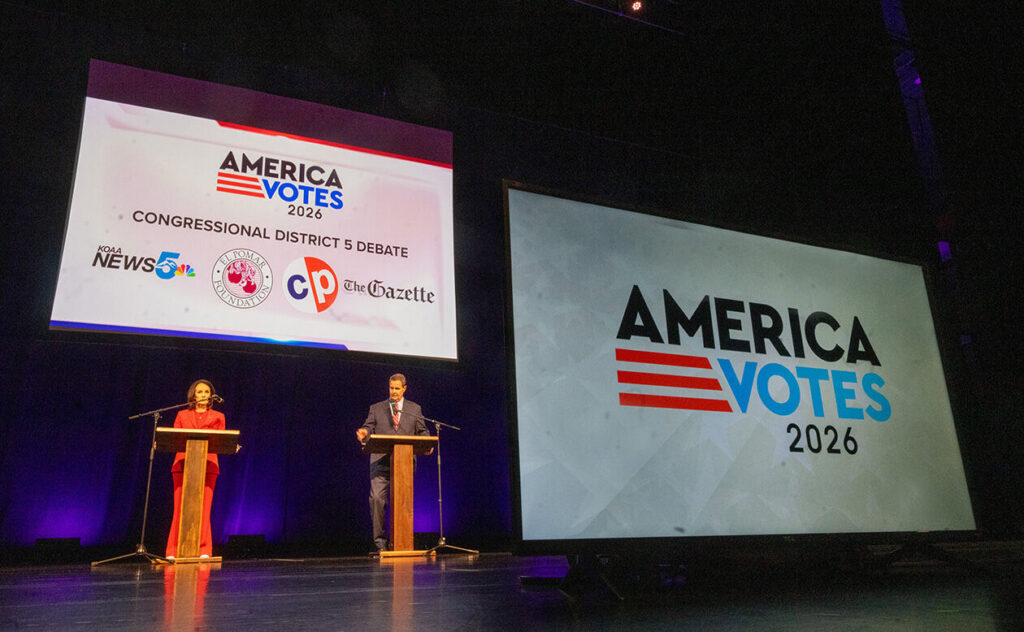
Troops, taxes, war dominate Colorado’s 5th CD debate between Jeff Crank, Jessica Killin
Deborah Grigsby
deborah.smith@denvergazette.com
Updated 21 minutes ago
Republican U.S. Rep. Jeff Crank and Democratic challenger Jessica Killin on Thursday night clashed over the war in Iran, the federal budget and healthcare when they took the stage in Colorado Springs for a sold-out debate in the race to...

WATCH: Colorado gubernatorial candidates Phil Weiser, Greg Lopez face off Thursday in televised debate
Ernest Luning
ernest.luning@coloradopolitics.com
Updated 2 hours ago
Two of the candidates for governor of Colorado are set to square off in a televised debate for the first time Thursday night, when Attorney General Phil Weiser, the Democratic nominee, and former U.S. Rep. Greg Lopez, an unaffiliated candidate,...
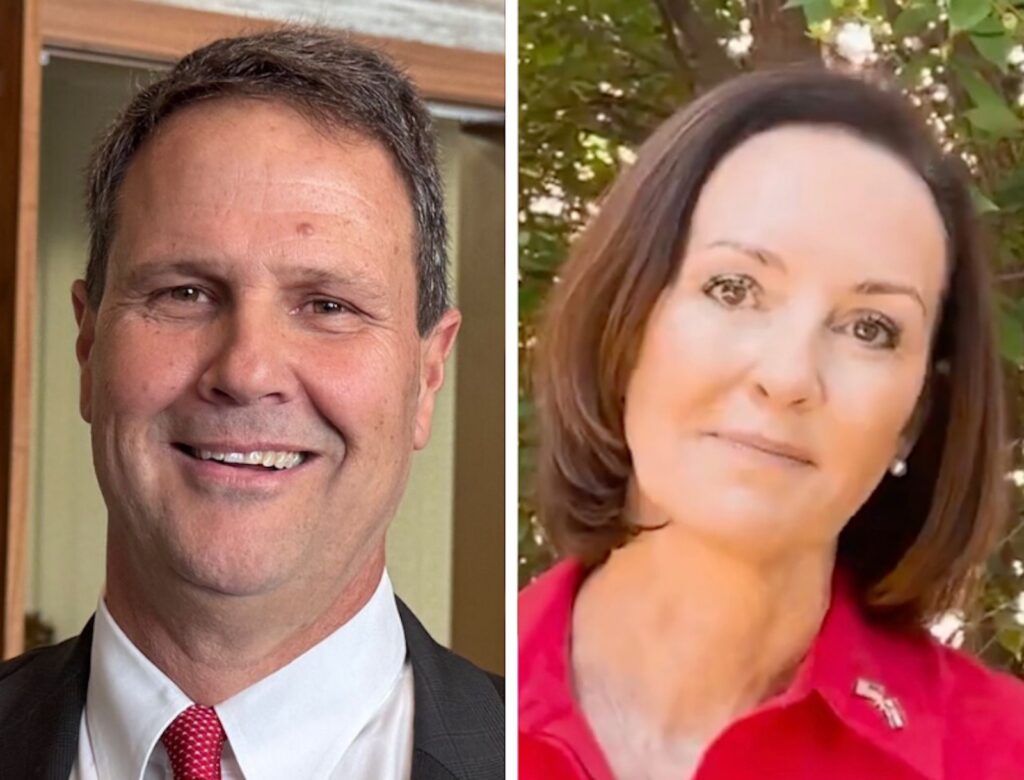
WATCH: Republican US Rep. Jeff Crank, Democratic challenger Jessica Killin debate in Colorado’s 5th CD
Ernest Luning
ernest.luning@coloradopolitics.com
Updated 3 hours ago
Republican U.S. Rep. Jeff Crank and Jessica Killin, his Democratic challenger, are scheduled to meet for a televised debate in the race to represent Colorado’s 5th Congressional District on Thursday night. The candidates are set to take the stage at...

Colorado State Fair youth golf tournament celebrates 11 years
Marianne Goodland
marianne.goodland@coloradopolitics.com
Updated 5 hours ago
Twenty-eight teams tee off Friday at Walking Stick Golf Course in Pueblo for a tournament supporting 4-H, Future Farmers of America and capital improvements at the Colorado State Fair. Now in its 11th year, the Partners of Youth in Ag...

Controversial two-bag furbearer limit heads to CPW meeting under legal threat
Marianne Goodland
marianne.goodland@coloradopolitics.com
Updated 5 hours ago
Next week’s Colorado Parks and Wildlife Commission meeting in La Junta is likely to open under the cloud of threatened legal action. Safari Club International and the Sportsmen’s Alliance Foundation warned the commission this month that its July vote imposing...

Democratic-aligned poll shows big majority of swing-seat voters support routine childhood vaccines
Ernest Luning
ernest.luning@coloradopolitics.com
Updated 8 hours ago
A new poll conducted by Democratic-aligned groups found that voters in competitive U.S. House districts — including a battleground seat in Colorado — support routine childhood vaccinations by a wide margin and oppose a recent order by President Donald Trump...
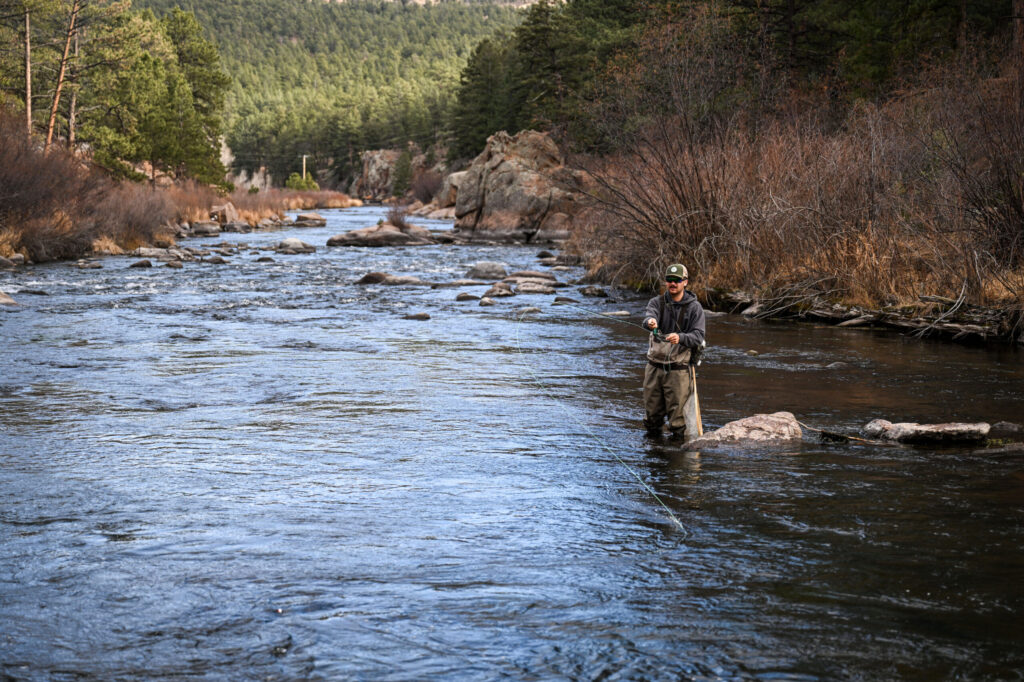
Some Colorado hunters oppose measure establishing constitutional right to hunt, fish proposal, group says
Marissa Ventrelli
marissa.ventrelli@coloradopolitics.com
Updated 2 hours ago
A group that says it represents hunters and anglers from across Colorado announced its opposition to a ballot measure that would establish the right to hunt and fish in Colorado’s constitution, saying it could result in the overturning of bans...
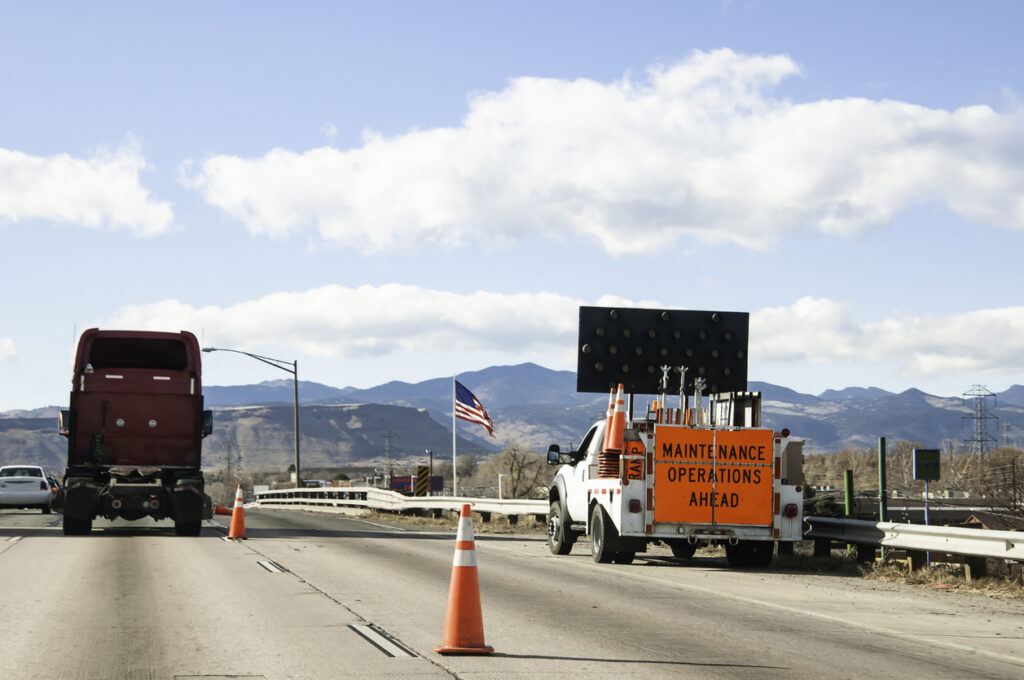
Coalition drops Colorado transportation ballot measure after securing deal
Marissa Ventrelli
marissa.ventrelli@coloradopolitics.com
Updated 3 hours ago
The proposed constitutional amendment seeking to dedicate all transportation-related revenue to Colorado’s roads and bridges will no longer appear in this November’s ballot after its proponents reached an agreement with lawmakers following months of negotiations. Initiative No. 175, backed by...

Iran and Oman come to agreement to open Strait of Hormuz, but await US buy-in
Claire Carter
claire.carter@washingtonexaminer.com
Updated 10 hours ago
Iran and Oman reached an understanding on a temporary shipping corridor through the Strait of Hormuz, clearing a major hurdle to reopening the critical waterway, but Tehran says implementation depends on the United States meeting a series of demands. The...

Trump faces warning signs among women ahead of midterm elections
Rena Rowe
rena.rowe@washingtonexaminer.com
Updated 4 hours ago
President Donald Trump is facing significant challenges among women voters heading into the 2026 midterm elections, with a new survey showing low approval of his job performance and broad opposition to key policies in his administration’s agenda. A national survey...
PREV
PREVIOUS

Colorado Economic Development Commission approves $14 million in incentives
Five companies could potentially bring nearly 1,300 new jobs across Colorado with economic development incentives to entice them. The Colorado Office of Economic Development and International Trade’s Economic Development Commission Thursday approved just over $14 million in economic incentives for five companies identified only by project names to keep the company’s names secret during negotiations. […]
Meetings scheduled to help plan new National Park Service unit in Colorado
Anyone interested in one of Colorado’s latest National Park Service additions is invited to a series of upcoming meetings. They have been scheduled ahead of the agency drafting a “foundation document” for Amache National Historic Site, the place on the state’s southeast plains where thousands of Japanese-Americans were imprisoned as part of the government’s “relocation” […]