

Judge tosses election-skeptic group’s claims against voting rights organizations

A federal judge has thrown out the claims of a Colorado group that falsely believes the 2020 presidential election was fraudulent and accused multiple voting rights organizations of defaming its members.
Earlier this year, three civic organizations whose missions include voter registration and education sued the U.S. Election Integrity Plan, which is not affiliated with the government, for intimidating voters in the wake of the 2020 election. USEIP, which claims unnamed actors “stole our election” and “stole our Republic,” turned around and filed allegations against the plaintiffs for defamation and abusing the judicial process.
On Monday, U.S. District Court Judge Charlotte N. Sweeney dismissed USEIP’s counterclaims, citing the longstanding legal principle that damaging statements made in a lawsuit are protected if they are related to the underlying allegations of wrongdoing.
“Here, there is no dispute that the allegedly defamatory statements on which defendants’ counterclaim is based were made in plaintiff’s complaint,” she wrote in a Jan. 23 order. “Therefore, in accordance with Colorado common law, even if such statements were defamatory, they are protected by this absolute privilege.”
Currently, Sweeney is weighing USEIP’s motion to resolve the case in its favor and dismiss the voter intimidation claims of the three plaintiffs: the Colorado Montana Wyoming State Area Conference of the NAACP, the League of Women Voters of Colorado and Mi Familia Vota.
The civic groups claim USEIP and its representatives have gone door-to-door, sometimes while armed and “often” targeting Democratic areas or communities of color, to interrogate voters about whether they participated in the 2020 election and how they cast their ballots. The lawsuit also alleges some USEIP participants wrongly said they were from “the county.”
Although USEIP has denied the majority of allegations in the lawsuit, the group has published a “canvassing report” that claims 7-12% of all contests in Colorado’s 2020 election “may be questionable” based on alleged irregularities. The group collected its data by visiting homes in Douglas, El Paso, Pueblo and Weld counties.
Weld County’s Republican clerk and recorder has since called USEIP a “known election-denier group.“
The three plaintiffs sued USEIP for alleged violations of the Voting Rights Act and the Ku Klux Klan Act, the latter of which outlaws conspiracies that deter people from voting for federal officials. The groups are seeking a judge’s order that USEIP cease going door-to-door questioning voters about their ballots and, if they do speak to voters, to clearly identify themselves and not carry weapons.
USEIP then lodged its own claims against the plaintiffs, saying the groups “published false information” and used their lawsuit for the “improper purpose of harassing, embarrassing, and keeping (USEIP members) from engaging in their constitutional rights.”
In support of its counterclaims, USEIP pointed to a press release posted by the League of Women Voters after filing the lawsuit, which did little more than explain the allegations at hand. USEIP also believed the plaintiffs were abusing the judicial process because, in its view, federal law prevents non-governmental organizations from suing over voting rights violations.
The plaintiffs responded that USEIP had failed to identify a defamatory, false statement made about it, and argued that many of their statements about USEIP came directly from USEIP’s own materials or members.
“Defendants’ counterclaims amount to asking the court, ‘Who are you going to believe, me, or your own eyes?'” wrote attorneys for the plaintiffs.
Sweeney agreed the voting rights groups’ statements and allegations about the lawsuit were protected from USEIP’s defamation claim. As for USEIP’s assertion that the plaintiffs could not possibly prevail under federal law and were, therefore, abusing the process, she observed that USEIP could have made that argument earlier this year when it tried and failed to dismiss the lawsuit. But it did not.
“Civil litigation undoubtedly will cause a defendant ‘financial hardship and emotional upheaval’ but that does not give rise to a claim for abuse of process,” Sweeney wrote.
Pending before Sweeney is USEIP’s request to dismiss the claims against it. Primarily, the group has argued that Congress did not give private organizations, like the three civic organizations, the right to sue over voter intimidation. USEIP also contended that the Ku Klux Klan Act only applies to governmental conspiracies to interfere with voting.
In an unusual move, the U.S. government has filed a statement in the case, expressing its view that Congress intended to allow private plaintiffs to enforce the Voting Rights Act’s prohibition on voter intimidation. The government also explained plaintiffs do not have to prove that someone accused of intimidation intended to cause voters to change their behavior.
The case is Colorado Montana Wyoming State Area Conference of the NAACP et al. v. United States Election Integrity Plan et al.


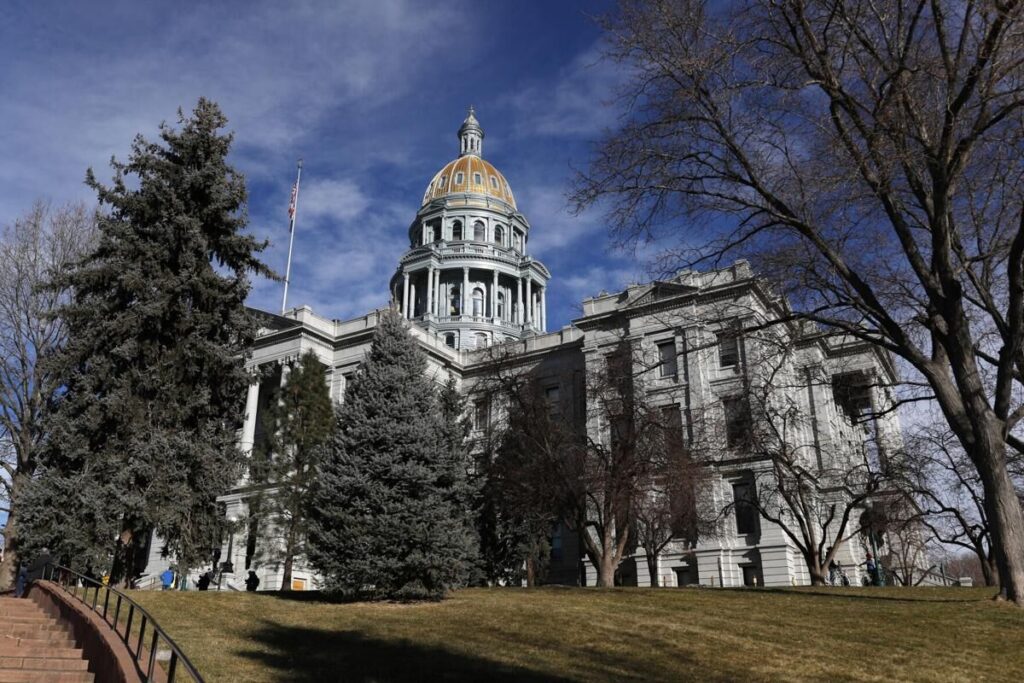
Colorado board permits state to appeal injunction against arthritis drug price cap
Marissa Ventrelli
marissa.ventrelli@coloradopolitics.com
Updated 11 hours ago
A Colorado board voted Friday to allow the Attorney General’s Office to fight an injunction against a price cap on a drug that treats arthritis. A U.S. district court judge had granted the company Amgen a preliminary injunction, temporarily blocking...

Federal judge rejects constitutional claims, ‘expressions of hatred’ by Club Q defendant
Michael Karlik
michael.karlik@coloradopolitics.com
Updated 11 hours ago
A federal judge rejected a defendant’s claims that he received constitutionally ineffective assistance of counsel while facing federal hate crime and firearms charges for murdering five people at a Colorado Springs LGBTQ nightclub in 2022. Anderson Lee Aldrich is serving...

Divided 10th Circuit upholds Colorado congestion fee on car rentals
Michael Karlik
michael.karlik@coloradopolitics.com
Updated 7 hours ago
The Denver-based federal appeals court concluded on Monday that a 2024 “congestion impact fee” that lawmakers imposed on short-term vehicle rentals did not conflict with a federal prohibition on certain airport-related charges. Beginning in the 1970s, Congress began limiting the...
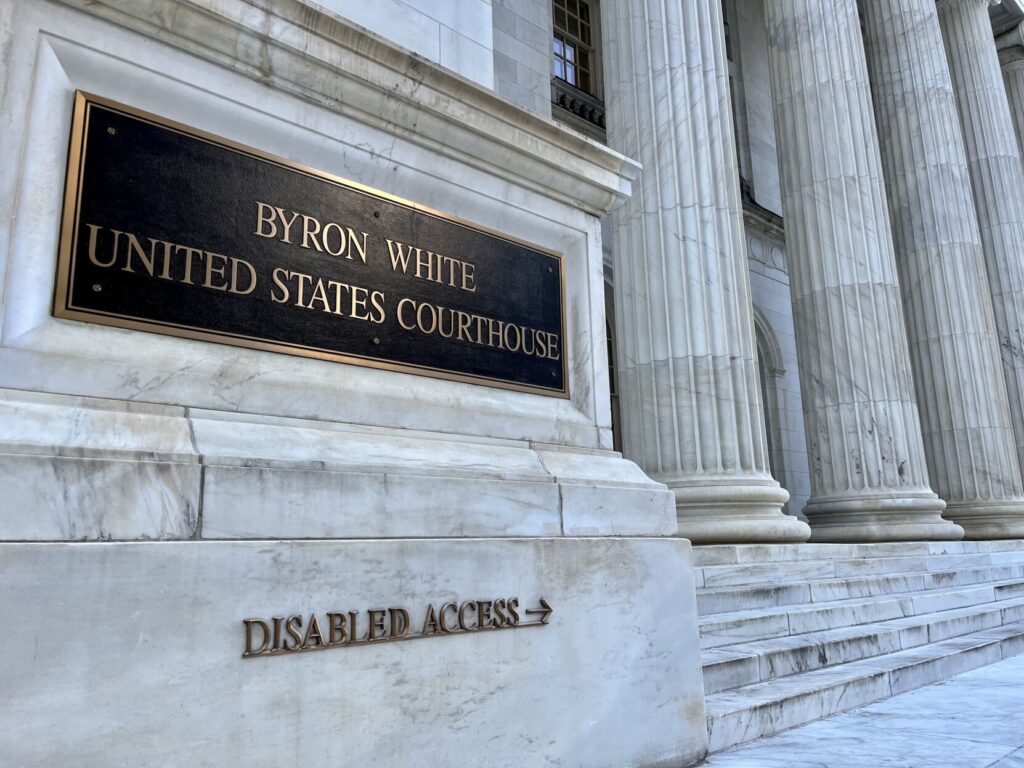
10th Circuit dismisses woman’s lawsuit following 10-year attempt to undo restraining order
Michael Karlik
michael.karlik@coloradopolitics.com
Updated 3 days ago
The Denver-based federal appeals court rejected a woman’s challenge on Friday to a restraining order imposed on her more than a decade ago, finding that she cannot credibly claim she will be prosecuted for violating the restraining order through her...
10th Circuit dismisses woman’s lawsuit following 10-year attempt to undo restraining order
Michael Karlik
michael.karlik@coloradopolitics.com
Updated 4 days ago
The Denver-based federal appeals court rejected a woman’s challenge on Friday to a restraining order imposed on her more than a decade ago, finding that she cannot credibly claim she will be prosecuted for violating the restraining order through her...
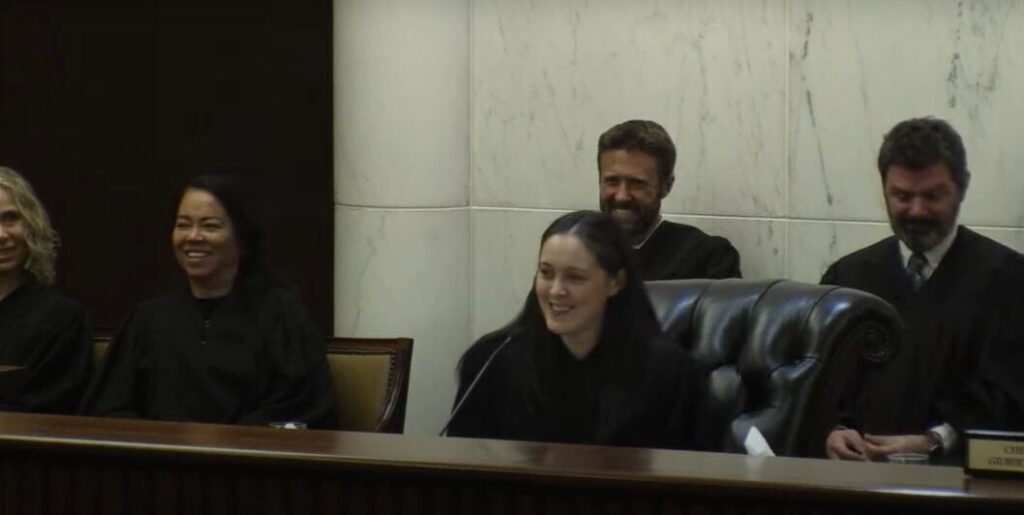
Colorado equal pay law does not require plaintiffs to allege gender-based retaliation, appeals court finds
Michael Karlik
michael.karlik@coloradopolitics.com
Updated 3 days ago
The 2019 Colorado law aimed at rooting out pay discrimination on the basis of sex does not require a plaintiff to allege their employer retaliated against them for sex- or gender-related reasons, the state’s second-highest court decided on Thursday. Lawmakers...
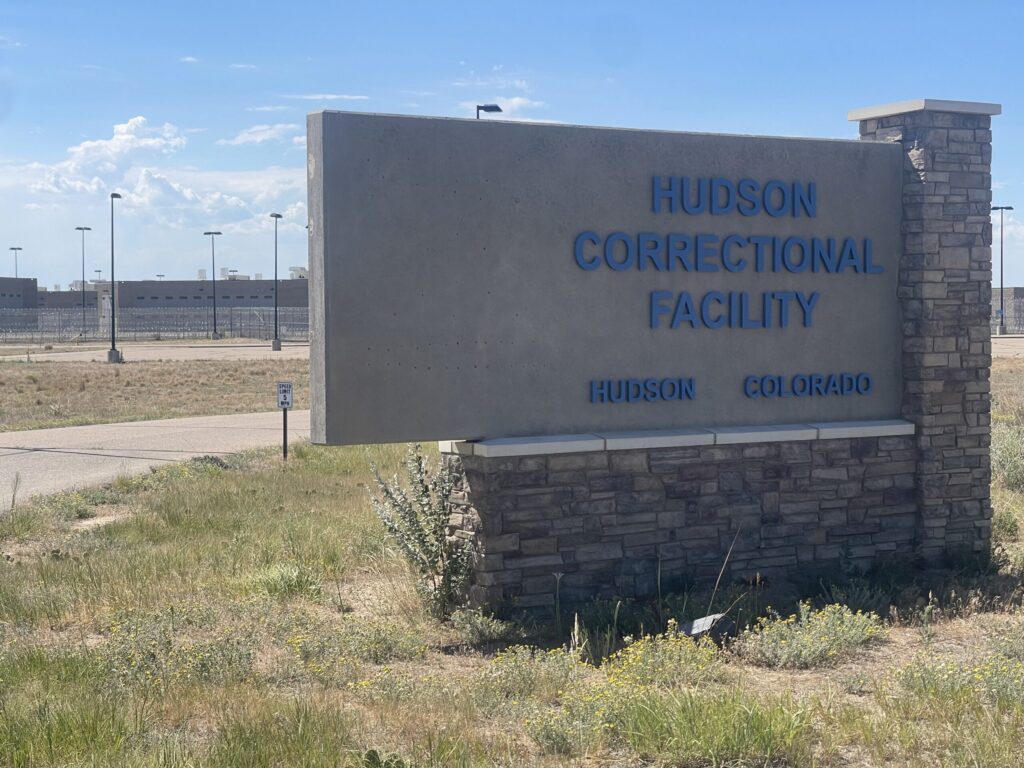
Hudson faces lawsuit over ICE detention facility
Nicole C. Brambila
nicole-c-brambila@coloradopolitics.com
Updated 4 days ago
A nonprofit organization filed a lawsuit against the Town of Hudson Wednesday, challenging plans to reopen a former federal prison in the town as a U.S. Immigration and Customs Enforcement detention facility. Together Colorado, along with Janet E. Carlson, filed...
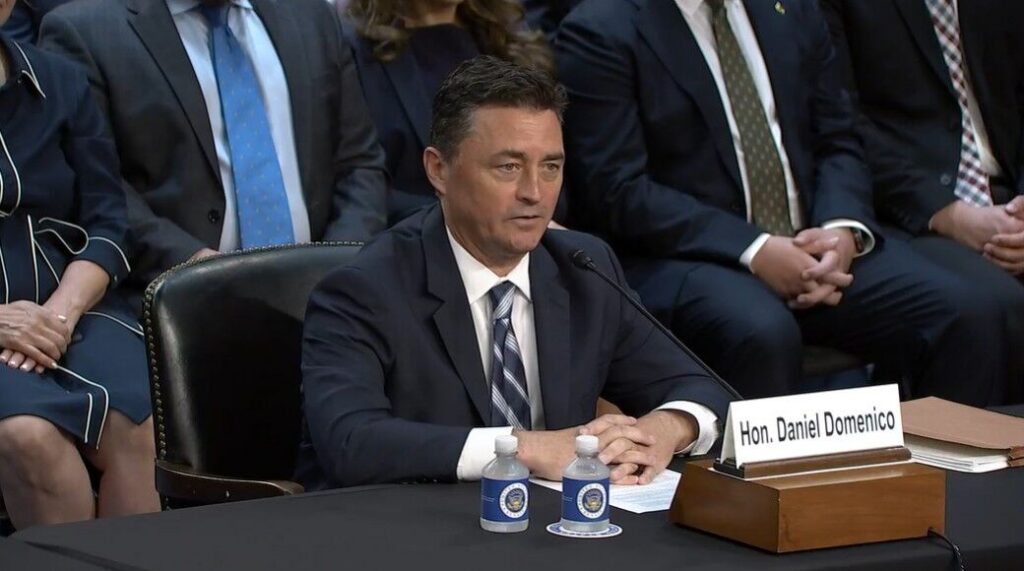
Senate committee advances Trump’s 10th Circuit nominee, as Domenico responds to questions about delays
Michael Karlik
michael.karlik@coloradopolitics.com
Updated 4 days ago
The U.S. Senate Judiciary Committee advanced President Donald Trump’s nominee to the Denver-based federal appeals court on Thursday by a party-line vote of 12-10. U.S. District Court Judge Daniel D. Domenico, who was Trump’s first-term appointee to Colorado’s federal trial...
Colorado justices to hear embryonic donation dispute
Michael Karlik
michael.karlik@coloradopolitics.com
Updated 4 days ago
The Colorado Supreme Court announced on Monday that it will decide whether lower court judges properly applied its framework for adjudicating disputes over the fate of pre-embryos, in which one person wants to use them to become a parent and...
Isolation, emotion, persona: Colorado judicial programming prepares people for life on the bench
Michael Karlik
michael.karlik@coloradopolitics.com
Updated 4 days ago
As a trial judge and now as a member of the Colorado Supreme Court, Justice Carlos A. Samour Jr. has heard the view that being a judge is isolating. “In neither court have I felt isolated. I’ve always interacted a...
PREV
PREVIOUS

10th Circuit says man cannot sue Denver officer for confiscating hemp plants at airport
The 2018 law that legalized hemp production and barred states from prohibiting the transportation of hemp does not permit a man to sue a police officer for confiscating 32 of his plants at Denver International Airport, the federal appeals court based in Colorado ruled on Tuesday. It was an open question whether a provision of […]

Satellites, spacecrafts sent into orbit increase; investors hesitant to spend: Report
Earthlings’ interaction with the celestial realm reached new heights over the past year, but investors in the space industry were not as enthusiastic about the proposition of rocketing into orbit, a report from the Space Foundation showed. The Space Foundation, a nonprofit based in Colorado Springs that provides information and education about space, released its […]