

How Mount Evans could become Mount Blue Sky
It came pretty much of the blue.
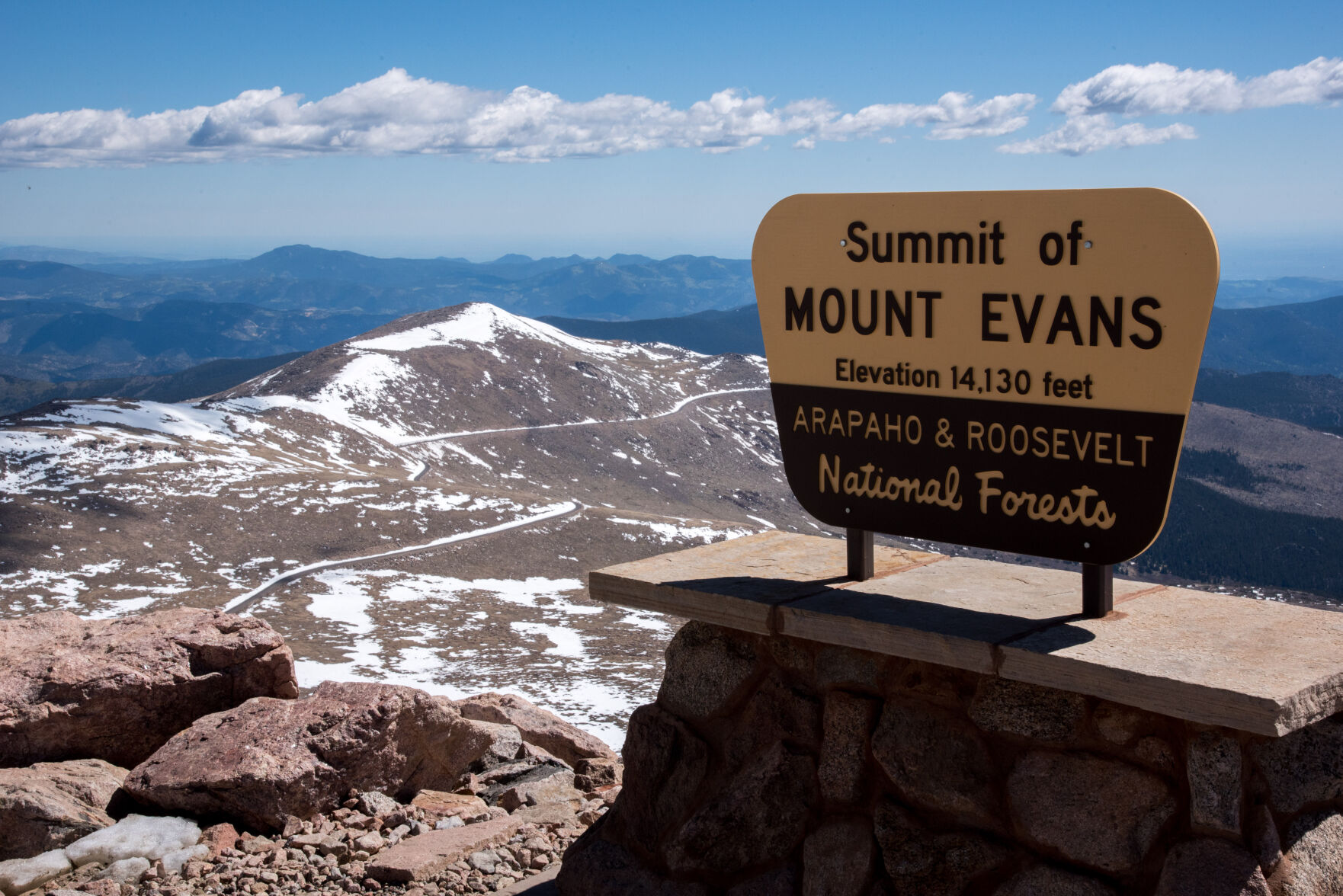
The Colorado Geographic Naming Advisory Board on Nov. 17 voted unanimously to recommend the iconic Mount Evans, the 14er that looms over the Denver metro area, be renamed Mount Blue Sky.
Some from outside the board were taken by surprise by the vote, which had not been announced in the board’s agenda. However, Rep. Adrienne Benavidez, D-Adams County, hinted at the beginning of the meeting that a vote might happen, suggesting the board review the six proposed name changes and then consider a motion, likely on which name to adopt.
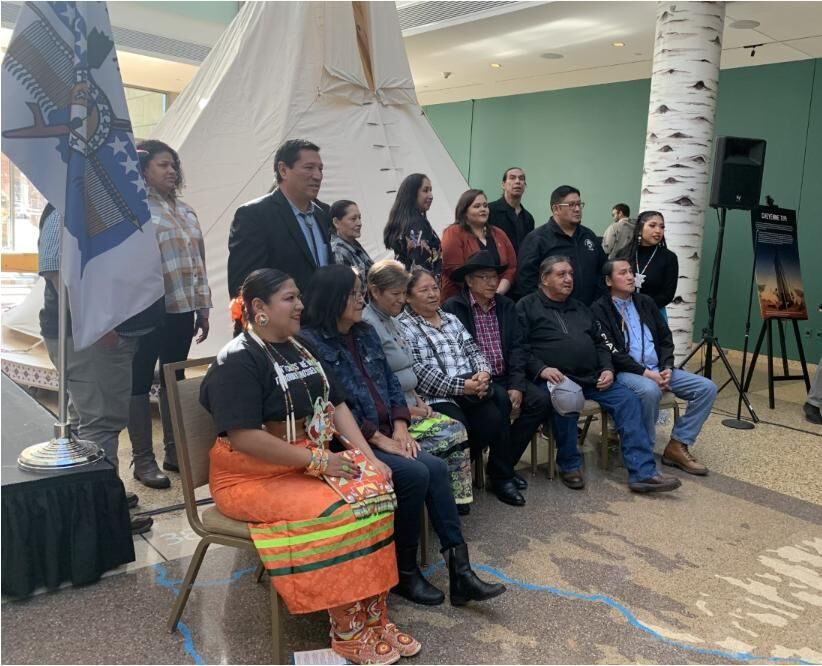
Fred Mosqueda, a Southern Arapaho who has been fighting to erase the Evans name from the Colorado peak, said the vote came as a surprise.
“I crossed my fingers and I told my wife, ‘She’s going to call for a vote,'” Mosqueda told The Denver Gazette. “And they voted yes!”
Mosqueda and Chester Whiteman of the Southern Cheyenne came up with the name. In a May editorial for the Colorado Sun, they explained that it “signifies our indigenous connections – the Arapaho, who are known as the?Blue Sky?People,?and the Cheyenne, who have an annual ceremony of renewal of life called Blue Sky.??”
According to Benavidez, the rush to vote wasn’t political. It wasn’t to address angst over the name change by some of the descendants of Gov. John Evans. It wasn’t to wrap up the work in time for the Nov. 19 opening of an exhibit on Sand Creek at the History Colorado Center, or down to the growing national attention on Sand Creek, in part from Secretary of the Interior Deb Haaland’s recent decision to expand the Sand Creek site.
Benavidez explained it was more about the internal functioning of the board, and the term lengths of its members.
The board was reconstituted in July 2020 by Gov. Jared Polis after an absence of several years. His executive order called for a group of at least 15 members, among them three representatives from the Colorado General Assembly, someone from the Center for the American West at CU-Boulder, two representatives with backgrounds in race or ethnic studies or from an institution that focuses on traditionally underrepresented or displaced communities, and two from local governments.
The initial board appointments were for two years. Benavidez said six of those appointments either have run out or are about to and will have to be replaced within the next month.
The board already lost its representative from the Center for the American West, with the removal of CU history professor Patty Limerick from that post in October. It’s also set to lose Junie Joseph, a Boulder City Council member who served on the board as the local government representative. Her election to be the new state representative for House District 10 makes her ineligible.
In addition to Benavidez, the General Assembly members are Reps. Perry Will, R-New Castle, and Tony Exum, Sr., D-Colorado Springs. Will lost his bid for a third term in the November general election, while Exum is now a senator-elect.
Through a spokesman, Polis told Colorado Politics: “Five out of the six members that are rolling off were up for election or reelection, and the board had one recent vacancy for a representative from the Center of the American West. We have begun the process to replace the board members that were not elected or re-elected. These appointments will most likely take place in December.”
As to the timeline for approving the name change, the governor said the board “needs to submit the formal recommendation to him, at which time the Office of the Governor will relay their opinion on the proposal to the federal US Board of Geographic Names for a final determination. The governor will evaluate the full proposal when it reaches his desk.”
The board has had the Mount Evans name change in front of it since the beginning. Six proposals were submitted to the federal Board of Geographic Names, beginning in 2018. But with the board change looming, it was important to make that decision before the new board members were appointed, Benavidez said.
There was also a concern over the lack of agreement among the tribes over which name would be chosen. The Southern Cheyenne and Arapaho tribes passed a resolution on Mount Blue Sky, while the Northern Cheyenne had their own resolution for Mount Cheyenne-Arapaho. Benavidez said during Thursday’s meeting she was personally divided between the names Blue Sky and Cheyenne-Arapaho.
“We were obviously concerned, two tribes had passed resolutions for each of the names,” she said on Nov. 19. “We had two nations on different ends.”
She indicated she asked if there was any way they could come to agreement, and the answer from Mosqueda and Whiteman was no.
Both Ute tribes – the Southern Ute and the Ute Mountain Ute, favored a name change but the tribes did not weigh in on which one, she added. They just wanted to make sure their history wasn’t lost in any education about Colorado and Sand Creek.
“We did not expect to have any additional information coming to us. We weren’t getting anything else. Everyone had had their say. We could have held off, but for what?” Benavidez said.
Not everyone is happy with the name that was chosen.
Otto Braided Hair of the Northern Cheyenne said after last week’s meeting: “Mount Cheyenne-Arapaho is a name that respects both tribes that called the Front Range of the Rocky Mountains home. While we understand that Blue Sky is a name often associated with the Arapaho people, traditional Cheyenne people use this name in sacred ceremonies that cannot be shared with the outside world.”
“The name Mount Cheyenne-Arapaho honors our ancestors and reminds the world we are still here,” he added. “We want to remember and respect those ancestors – Cheyenne and Arapaho – who were killed at Sand Creek.”
Braided Hair, the proponent for the Mount Cheyenne-Arapaho name, did not attend the Nov. 17 meeting.
Karen Naiman of Denver proposed naming the mountain after Capt. Silas Soule, a member of the Colorado cavalry who refused to fire on the Sand Creek tribes. Soule blew the whistle on the massacre to Maj. Edward Wynkoop, who launched the investigation into the massacre. The results of that investigation led President Andrew Johnson to demand Evans’ resignation as Colorado’s territorial governor.
She warned that using the words “blue sky” would open a “Pandora’s box of legal conflict” because it also has commercial use. She acknowledged she did not have the tribes’ support for renaming the mountain after Soule, but also said the Arapaho were not at Sand Creek.
There were more than 70 in attendance via Zoom for the meeting. One member of the public commented that while Soule sounded like a good person, renaming is in part “reparation to the Indigenous people that Gov. Evans harmed. Naming the mountain after yet another white man doesn’t seem appropriate.”
Anne Hayden, a descendant of Gov. Evans, said that while she does not speak for the family, she favored changing the mountain’s name. She did not indicate a preference, asking that the tribes talk to each other and work out their differences on the name.
In his presentation on Blue Sky, Mosqueda told the board Evans went the genocide route and used the Army to do it. As to the claim that the Arapaho were not at Sand Creek, Mosqueda said he has talked with the Arapaho in Oklahoma, many who would share stories of their ancestors who either died at Sand Creek or survived the massacre. While there may not be a written history of the Arapaho at Sand Creek, there is instead an oral history, he said.
Whiteman said the Blue Sky ceremony is for all living things, and the sacred part of the ceremony is at the end. “It’s very disappointing that a Cheyenne doesn’t know his ceremonies.”
“Blue Sky Mountain is here to stay,” he concluded.
“This isn’t commercial,” Mosqueda added. “This is to heal.”
marianne.goodland@coloradopolitics.com

Atop taxes, here’s how much each Colorado resident pays in fees
Marissa Ventrelli
marissa.ventrelli@coloradopolitics.com
Updated 15 hours ago
Each Colorado resident paid nearly $5,000 in state-sanctioned fees last year, according to a report by a policy think tank. The report, which analyzed how fees have affected Colorado’s economy, found that fee revenue has more than tripled since 2008...

Colorado National Guard, Swiss Armed Forces celebrate partnership
Marissa Ventrelli
marissa.ventrelli@coloradopolitics.com
Updated 16 hours ago
Colorado’s National Guard marked a year of partnership with the Swiss Armed Forces at the Governor’s Mansion on Monday. “This anniversary marks one strong year of friendship and collaboration between the State of Colorado and Switzerland,” said Gov. Jared Polis....
Judge allows Trump to refile $15 billion lawsuit against the New York Times
Emily Hallas
emily-hallas@coloradopolitics.com
Updated 17 hours ago
A federal judge declined to dismiss President Donald Trump’s multibillion-dollar lawsuit against the New York Times on Monday, giving him roughly four weeks to amend his case after the outlet moved to toss it on First Amendment grounds. District Judge...

Gov. Polis celebrates Colorado’s first-place education ranking by U.S. News
Marianne Goodland
marianne.goodland@coloradopolitics.com
Updated 14 hours ago
Colorado officials said they have something to celebrate this week, in addition to the state’s sesquicentennial birthday on Saturday. U.S. News & World Report on Tuesday gave Colorado its top ranking for education efforts from pre-K to postsecondary, though it...
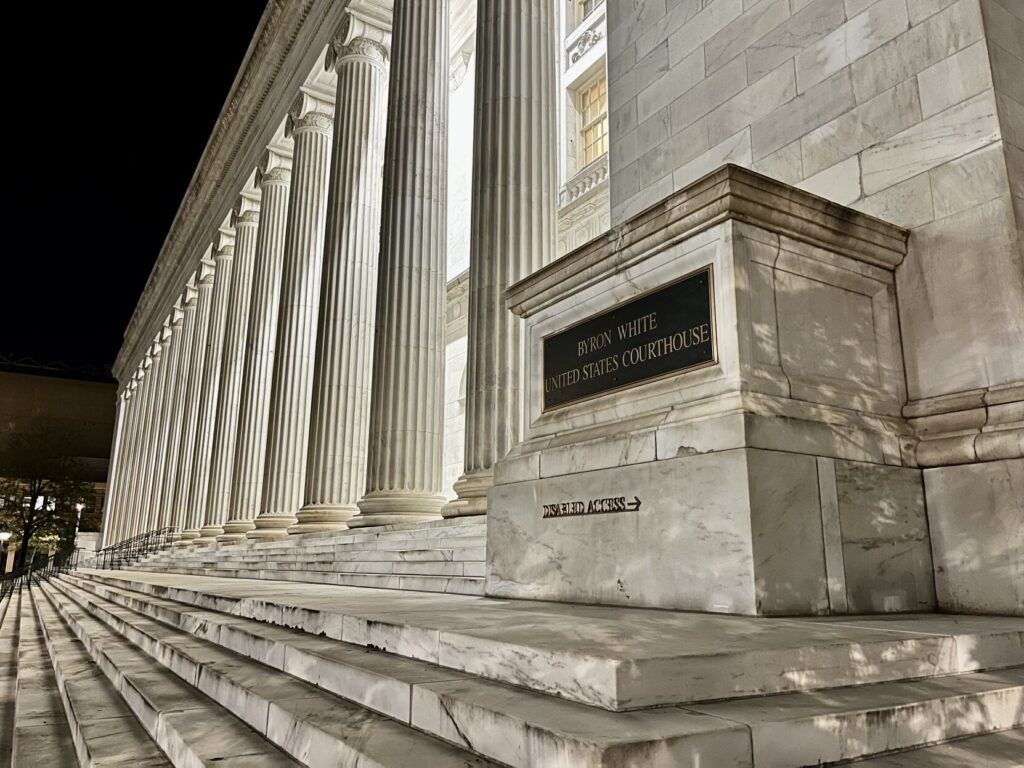
Denver detox center did not violate man’s rights with 10-hour hold, 10th Circuit says
Michael Karlik
michael.karlik@coloradopolitics.com
Updated 14 hours ago
The Colorado-based federal appeals court concluded on Tuesday that Denver’s detoxification facility did not violate a man’s rights by holding him against his will for 10 hours until his blood alcohol content was projected to reach zero. Unusually, Brian Garrett’s...

Federal judge clarifies ex-GOP treasurer candidate’s burden to prove defamation claims
Michael Karlik
michael.karlik@coloradopolitics.com
Updated 14 hours ago
A federal judge clarified last week that businessman and former Republican statewide candidate Brian Watson will need to surmount a higher hurdle in proving his claim that a party guest’s alleged description of him as a “criminal” amounted to defamation....

Denver City Council sends Xcel franchise deal to voters
Deborah Grigsby
deborah.smith@denvergazette.com
Updated 19 hours ago
This November, Denver voters will decide whether to renew the city’s longstanding franchise agreement with Xcel Energy. Members of the Denver City Council approved on Monday sending a proposed 20-year franchise agreement with Xcel that would deliver more than $180...
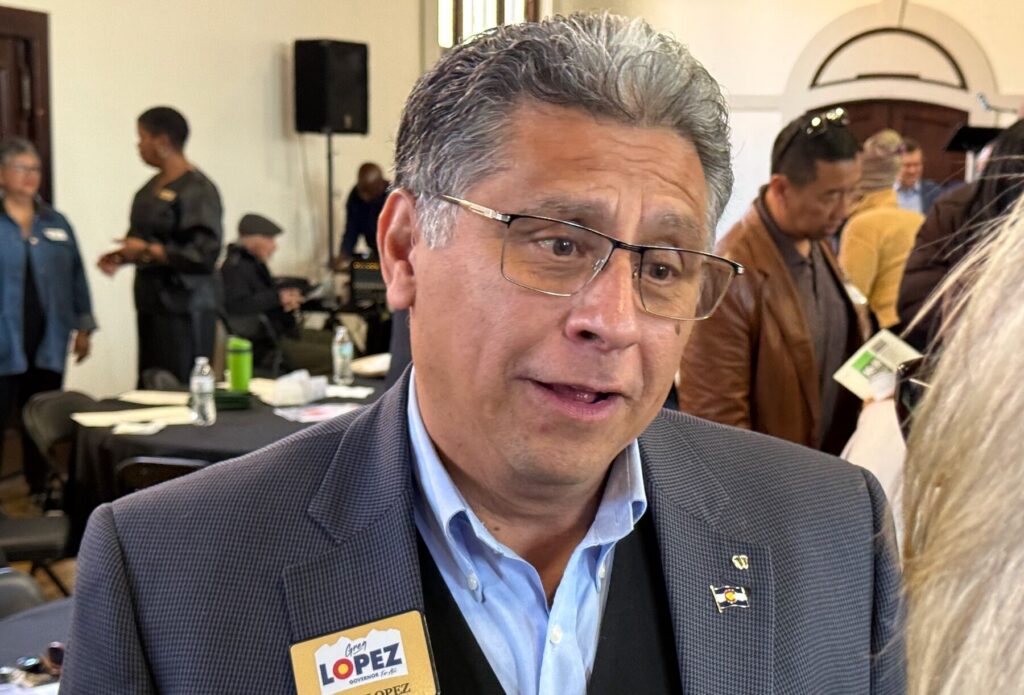
Independent gubernatorial candidate Greg Lopez, a former GOP congressman, qualifies for Colorado ballot
Ernest Luning
ernest.luning@coloradopolitics.com
Updated 15 hours ago
Unaffiliated gubernatorial candidate Greg Lopez, a former Republican congressman from Elizabeth who left the GOP to run as an independent, has qualified for the ballot by submitting enough petition signatures, the Colorado Secretary of State’s Office said Tuesday. He’ll face...
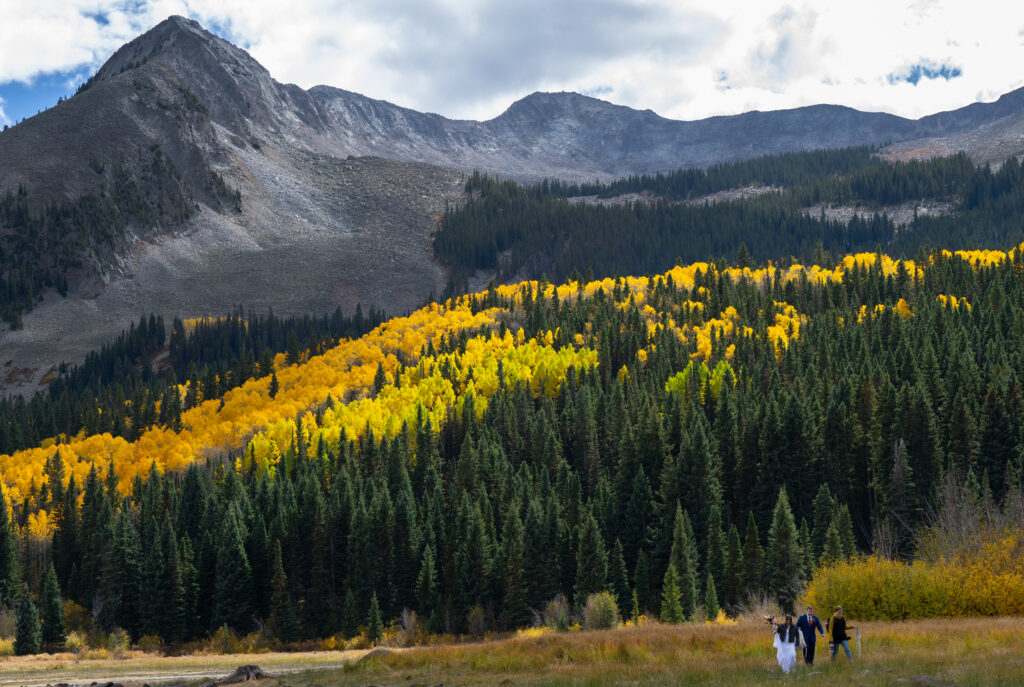
At Colorado’s 150th anniversary, leaders offer birthday wishes
Thelma Grimes
thelma.grimes@coloradopolitics.com
Updated 21 hours ago
As Colorado’s 150th anniversary approaches, leaders from across the state reflect on the spirit that binds the plains, mountains, Western Slope and Front Range — a shared commitment, they underscored, to opportunity, community, stewardship and personal freedom. Their tributes highlight...
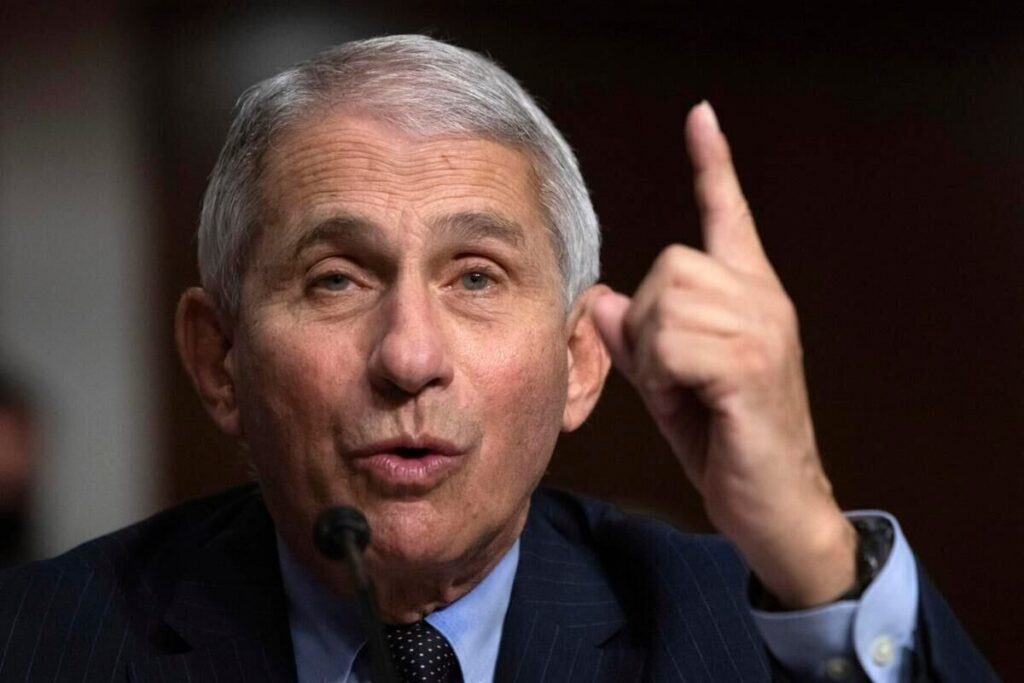
Fauci’s private COVID-19 diaries: Six takeaways on fame, prize money and the lab leak debate
The Washington Examiner
the-washington-examiner@coloradopolitics.com
Updated 23 hours ago
Anthony Fauci’s private writings from 2020 and beyond portray a public health official who was fixated on his growing celebrity while privately grappling with a pandemic response he believed was chaotic, leaderless and consumed by internal rivalries. The writings of...
PREV
PREVIOUS

Club Q shooting puts spotlight on preferred pronouns
When Colorado Springs Police Chief Adrian Vasquez publicly announced the names of the five deceased victims of a mass shooting at an LGBTQ+ nightclub, he included the individuals’ pronouns, as submitted by their families. The action didn’t go unnoticed by national media, and was noted as something that may not have been done in the […]

State Supreme Court takes control of sprawling property tax challenges in wake of pandemic
The Colorado Supreme Court has assumed control over four virtually identical cases at the unusual behest of the state’s Court of Appeals, wading into a flood of challenges filed by commercial property owners who want counties to reduce the value of their properties because of the COVID-19 pandemic. Eleven lawsuits, each spear-headed by the same […]