

Report outlines pandemic impacts on Colorado students heading to college

The rate at which Colorado students are going to college right out of high school has dipped, and those who do go are less prepared. And participation in programs offering college experience in high school has remained stagnant.
Those takeaways detailed in the state’s recent annual look at the state’s higher education progress offer a better view of trends influenced by the pandemic. The May report, reflecting the high school class of 2020, serves as an annual pulse check on state higher education.
This is the first year the report shows the impact of the pandemic on students. The report looks at issues that threaten the state’s progress toward the goal of getting more residents equipped with a college certificate or degree. Here are three takeaways from the recent report on postsecondary progress.
Student participation in early college opportunities remained static
The good news: Students across the state consistently participated in college opportunities while in high school. But those numbers don’t show yet the impact of the pandemic.
Many students were already enrolled in college-level classes in 2020 before the start of the pandemic. The numbers reflect, however, the struggle to sustain progress made during the last decade in students participating in dual enrollment, career education and early college opportunities. Overall, participation has slowed or even flatlined.
The college-level programs not only expose students to college, but also save them money by earning credits often without paying tuition.
About 72% of Colorado high school students enrolled in career education classes, 42% enrolled in college classes while in high school, and 3.8% graduated high school with a college certificate or degree. Those rates barely budged from 2019 to 2020.
The report says the state will need to grow the number of students of color participating in those opportunities to create more equitable outcomes because Hispanic and Black students lag in participation.
Rate students enroll in college right out of high school dips
After the pandemic started, college leaders reported enrollment declines. Students said they lost learning time due to remote instruction, worried more about college costs, and reported feeling exhausted as reasons they were less likely to finish college.
The report reaffirms that the pandemic from its earliest stages upended college-going patterns. The state’s rate of students going to college right out of high school in 2020 dropped to 50.5%, a five-point drop from 2019.
The decline affected every student group, according to the report. College-going among rural students dropped to 46%. slightly less than that of the general population.
In all, 29,136 Colorado 2020 high school graduates did not complete a college credential program in high school or enroll in higher education.
Students are not as academically prepared
Students showing up unprepared for college-level work due to their disrupted pandemic education is a trend nationwide. Colorado is no exception.
The report shows a seven-point increase in the proportion of students needing remedial classes at four-year universities, from about 21% to 28%. At community colleges, however, the rate dropped to 35%, down from 41%.
Every demographic group needed to catch up in college to some extent, but Black and Hispanic students continued to be twice as likely to need extra coursework compared with their peers, according to the report.
Altogether, about 30% of first-year college students were placed in developmental education classes. About 27% of students need to shore up math skills, while about 12% need to beef up their English skills.
For years, the proportion of students needing extra education to get college ready has dropped. That’s in part thanks to statewide changes that ended remedial classes that don’t lead to credits and more support for students needing to catch up.
But the dips are a troubling sign for college completion because students who need developmental education classes are less likely to continue with their college education.
Jason Gonzales is a reporter covering higher education and the Colorado legislature. Chalkbeat Colorado partners with Open Campus on higher education coverage. Contact Jason at jgonzales@chalkbeat.org.

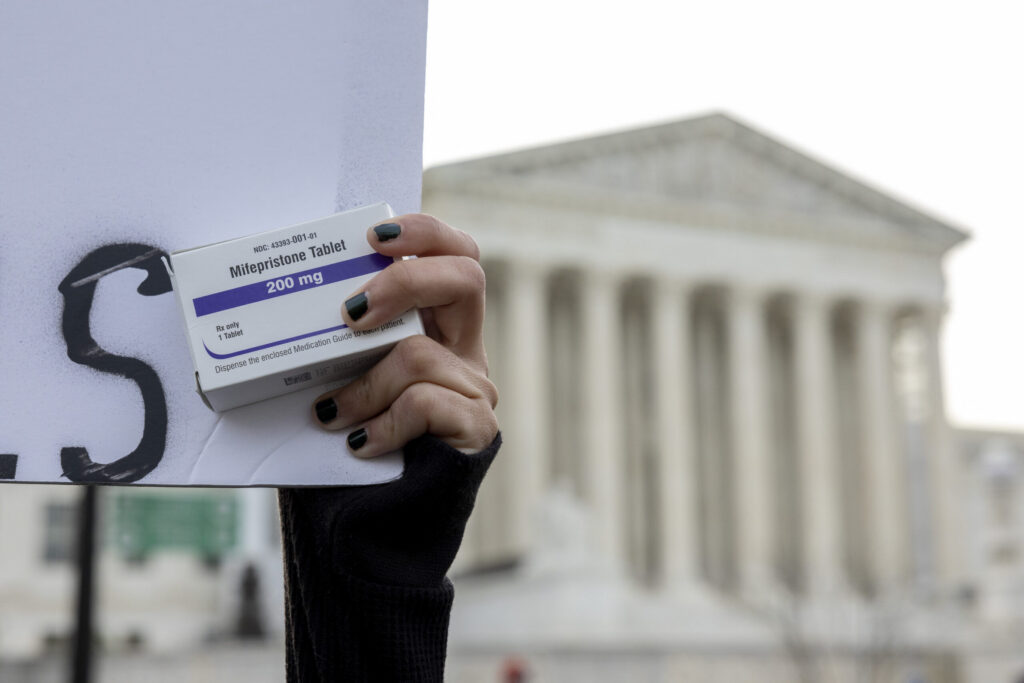
Democrats want Colorado colleges to provide medication abortion
Marissa Ventrelli
marissa.ventrelli@coloradopolitics.com
Updated 1 day ago
A bill proposing to require Colorado colleges and universities to provide abortion medication services cleared a legislative committee on Thursday. Advocates said the measure — which exempts religious-based institutions but applies to public, private, and community colleges — will improve...

Ex‑Bronco Montee Ball backs push at Colorado Capitol for stronger concussion protocols
Marissa Ventrelli
marissa.ventrelli@coloradopolitics.com
Updated 9 hours ago
Amid rising worries about the long‑term effects of head injuries in youth sports, a Colorado committee began reviewing legislation that would tighten concussion protocols and expand mental health awareness among coaches. Senate Bill 060 would require youth sports coaches to...
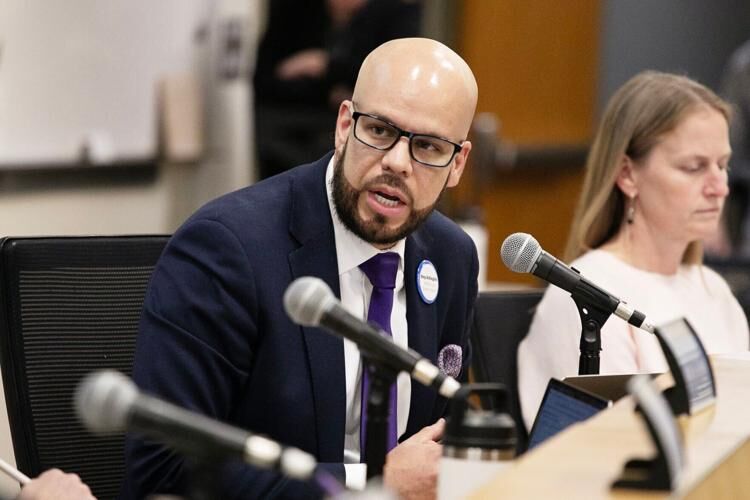
DPS names panel to shape $43M tax hike
Nico Brambila
nico.brambila@denvergazette.com
Updated 1 day ago
A newly appointed Mill Levy Override Advisory Committee has been tasked with deciding how Denver Public Schools should spend more than $40 million in additional revenue, should voters approve the tax hike in November. The district received about 30 applications...
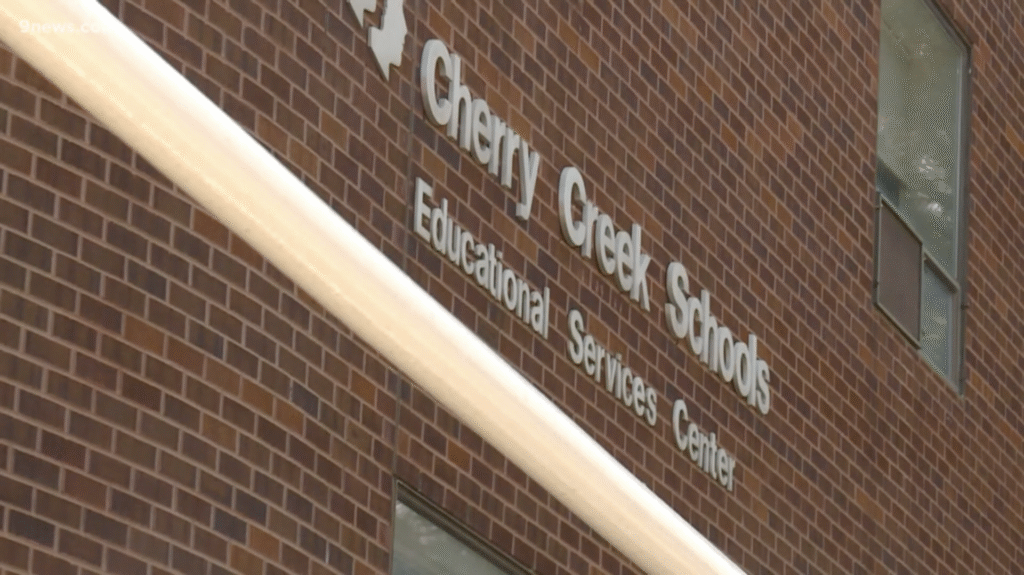
Cherry Creek School District to pay assistant superintendent $190K to retire amid leadership shakeups
Nico Brambila
nico.brambila@denvergazette.com
Updated 3 days ago
Cherry Creek School District taxpayers will pay Assistant Superintendent Anthony Poole more than $190,000 to retire at the end of the school year, according to the school district’s separation agreement. Obtained under the Colorado Open Records Act, the agreement stipulates...
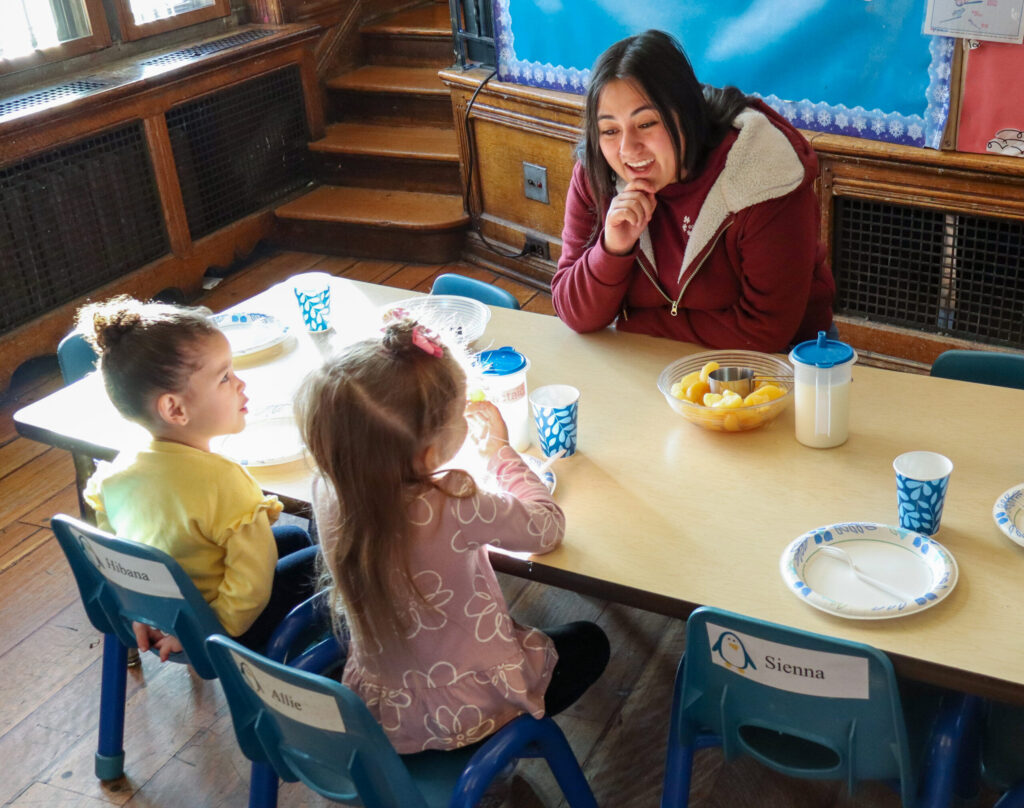
Survey: Most Colorado teachers satisfied, but lack prep time
Nico Brambila
nico.brambila@denvergazette.com
Updated 3 days ago
A biannual teacher satisfaction survey released today shows deep job satisfaction, even as educators struggle with inadequate time for lesson prep and professional learning. Released by the Colorado Department of Education, the 2026 Teaching and Learning Conditions Colorado found nine...
Colorado legislators propose $46.8 billion budget, driven by Medicaid costs
Marianne Goodland
marianne.goodland@coloradopolitics.com
Updated 2 weeks ago
The six-member panel of legislators in charge of crafting the state budget has now turned over its plan to the Colorado legislature, proposing to spend $1.5 billion more for the Medicaid program. The increase is driven by Medicaid costs, which...
Denver promised every school funding from $1B bond — but campuses later closed received far less | Analysis
Nico Brambila
nico.brambila@denvergazette.com
Updated 2 weeks ago
Denver voters overwhelmingly approved the largest bond measure in Denver Public Schools history on the promise that every school — including charter campuses — would receive something. And they did. But the nearly $1 billion bond was not distributed evenly....

Former Jeffco teacher claims district wrongfully terminated her
Sage Kelley
sage.kelley@denvergazette.com
Updated 3 weeks ago
Courtney Capek claims her career was completely altered by the actions of another. The Lakewood native returned to the school she graduated from, Green Mountain High School, in 2023 to begin her career teaching and establishing a new era for...

With new medical school set to open, Feinstein will step down as UNC president
Hap Fry, Special to The Gazette
hap-fry@gazette.com
Updated 4 weeks ago
GREELEY • Dr. Andrew “Andy” Feinstein, the charismatic president of the University of Northern Colorado, has announced that he will step down from his leadership role just on the cusp of what is perhaps his signature accomplishment being realized. He’ll...
Costs explode for Colorado program covering pregnant women and children living in the U.S. illegally
Marianne Goodland
marianne.goodland@coloradopolitics.com
Updated 1 month ago
A state program providing health care to pregnant women and children living in the country illegally is costing far more than lawmakers expected, with expenses nearly tripling in just a year and threatening to squeeze Colorado’s budget amid a nearly...
PREV
PREVIOUS
From online to hybrid: Lessons learned from COVID-19 applied to the recent school year
Online education options remain a popular choice for some Colorado Springs-area parents in the wake of the COVID-19 pandemic. Student enrollment in online schooling peaked in 2021, according to the Colorado Department of Education’s Bill Kottenstette, who is the executive director of CDE’s schools of choice unit, which oversees online schools, charter schools and innovation […]

Student mental health takes priority for upcoming school year as El Paso County demand grows
Amid concerns over youth mental health, students in the Pikes Peak region have access to resources in schools that aim to provide support both inside and outside the classroom. Mental health resources in some El Paso County districts have expanded to meet growing demand for children and teens getting support at school. The Centers for […]