

Colorado legislators propose $46.8 billion budget, driven by Medicaid costs
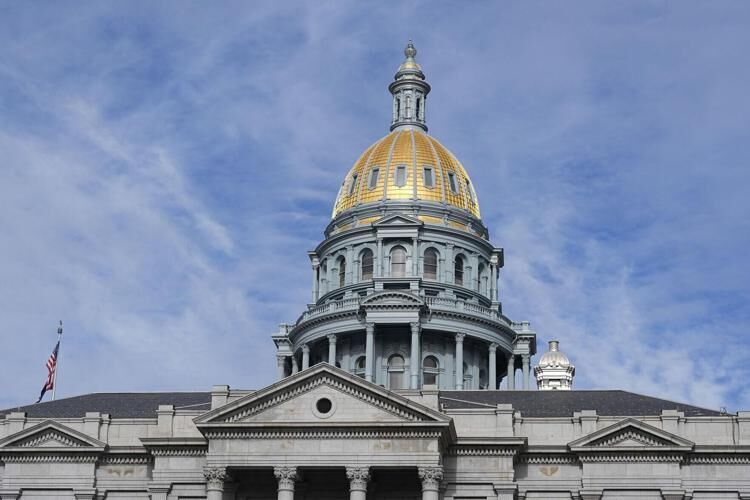
The six-member panel of legislators in charge of crafting the state budget has now turned over its plan to the Colorado legislature, proposing to spend $1.5 billion more for the Medicaid program.
The increase is driven by Medicaid costs, which forced the Joint Budget Committee to make cuts elsewhere.
All told, House Bill 26-1410 proposes a state budget of $46.8 billion, with $17.3 billion coming from general funds, the revenue largely from corporate and individual income taxes, as well as from sales and use taxes.
Notably, that general fund amount is 1.4% higher than the $17.1 billion in the 2025-26 budget.
The 2025-26 budget, as approved by lawmakers a year ago, stood at $43.9 billion. It has changed significantly since — and it is still being modified.
Rep. Rick Taggart, R-Grand Junction, a member of the Joint Budget Committee, the panel tasked with crafting the budget, told reporters Monday that the general fund increase for 2026-27 is based on higher caseload in Medicaid and the Department of Corrections.
Medicaid has been driving overspending both in the 2025-26 fiscal year and in the upcoming state budget that goes into effect on July 1 — the result of over-utilization of services. The state program that provides health coverage to low-income residents is beset by allegations of waste, fraud and abuse, while its leadership has been accused of mismanagement.
Congress is investigating the fraud allegations.
The proposed spending for the Department of Health Care Policy and Financing, which manages Medicaid, stands at $19.2 billion, with $5.75 billion in general fund support. That’s about $212 million more than in 2025-26 budget, translating to about a 3.7% increase.
The single biggest cost driver is $1.5 billion more for Medicaid, including $351 million more in general fund dollars.
The budget plan proposes several cuts, among the largest of which is $289 million, including $107.7 million in general funds, for a 2% across-the-board reduction to entities that provide Medicaid services.
The proposed reductions also include the following:
- Intellectual and development disabilities services will see a cut of $12.6 million, including $6.3 million in general funds
- The community connector program for minors, a Home and Community-Based Services (HCBS) benefit that helps children 6 years and under “build skills, confidence, and relationships by participating in everyday community activities,” will get cut by $7.4 million, including $3.7 million in general funds
- Adult dental services are being capped — to be changed from a $3,000 benefit to $750, saving $6.8 million in total funds
Kim Bimestefer, the chief of the Department of Health Care Policy and Financing, which manages Medicaid, resigned last week, hours before the state Senate planned to introduce a resolution calling for a vote of “no confidence” in her leadership. Critics have blamed her for Medicaid’s runaway spending, though others have pointed to the legislature passing bills that expanded or created new programs.
Meanwhile, the budget for the Department of Corrections includes funding for 941 additional beds and and overall increase of about $69 million.
The agency faces a shortage of beds, which some blamed, in part, to the inability of the state to move thousands of inmates already approved for parole or reaching parole eligibility dates to community corrections or other programs that would take them off the prison rosters. Others have argued that the “crisis” resulted from policies that seek to release offenders back into communities, as well as from a “Democrat-led prison-closing frenzy.”
The Department of Early Childhood will see a reduction of almost $1 million in its general fund appropriation, which makes up about 40% of its total budget.
The agency’s early childhood programs — largely universal preschool — has exceeded its budget, based on enrollment demands, in its first two years. That program is slated for a $14 million increase in the 2026-27 budget to cover inflation and expected enrollment.
The budget ends or reduces funding for a half-dozen programs within the department, including early mental health services and a pilot for child care and substance use treatment.
In another area, the Department of Education’s budget is being cut by $82 million in general funds, reducing several grants, including adult education and literacy programs, school bullying prevention, and BEST cash grants (for school buildings). Reductions have also been proposed in a legacy nutrition program, as well as in the final year of the state’s Teacher Recruitment and Preparation Program, which could leave students already in the program without the tuition assistance they were promised when they enrolled.
Along with House Bill 1410, known as the long appropriations bill, the Joint Budget Committee added more than 60 “orbitals” — bills that make changes in state law in order to balance the budget.
They include cash transfers and cuts to dozens of state programs, reductions that JBC members have said will cause pain to Colorado residents.
Among the changes is a $2 million cut to the general fund budget of the Department of Agriculture, reducing grants in equine welfare, conservation and agrivoltaic projects.
One of the “orbitals” deals with the state’s general fund reserve, a “rainy day” fund lawmakers have built up to cover emergencies and recessions that is being reduced from 15% to 13%. The reserve had already been tapped to cover more than $200 million in shortfalls in the 2025-26 budget.
The bill would save another $95 million in general fund, Taggart explained.
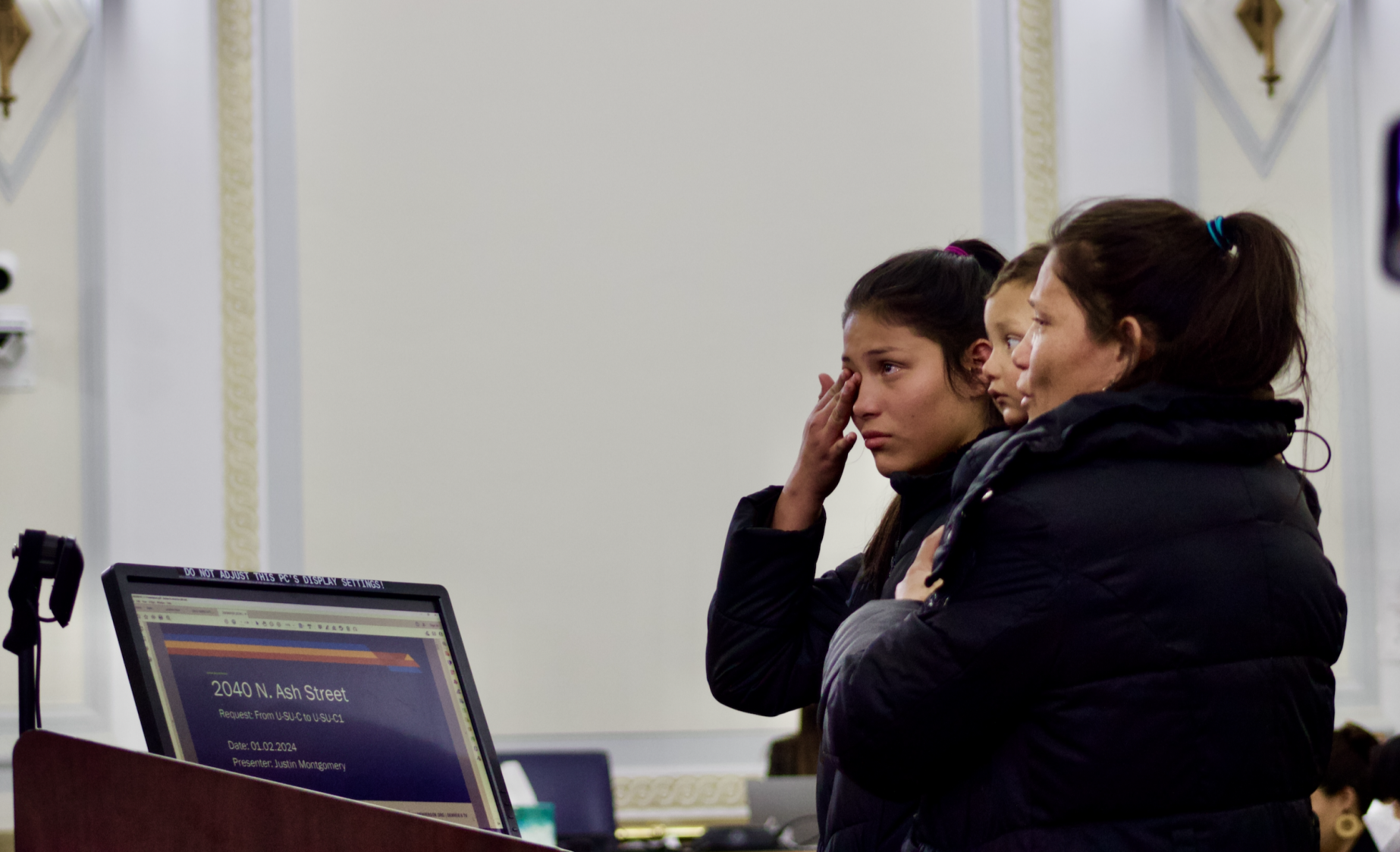
Among the toughest decisions by the JBC, according to Taggart, included putting limits on Cover All Coloradans, a program that pays for medical and behavioral health care for children and pregnant women illegally staying in the U.S.
That program — which Taggart said enrolls about 21,000 children — will be capped at 25,000 for 2026-27. The state will also reduce the age of those eligible from the program to 18 and under, instead of 19 and younger.
A second trigger in place would cap the program’s spending if it exceeds more than 5% of $24 million in the first quarter of the 2026-27 budget, compared to the first quarter of the 2025-26 budget.
The program has far exceeded its cost estimates, once pegged at about $26 million, but which, without any policy changes, would have exceeded $127 million in the 2026-27 budget.
These kinds of cuts generated a lot of “hot” emotions within the JBC, Taggart said.
The committee also limited pay increases for all state employees, not just those in the classified personnel system. That would include, for example, faculty and administrative staff at the state’s public colleges and universities.
Taggart acknowledged that, while those institutions make their own decisions about what to pay their non-classified staff, the limit would ward off morale problems when one group of employees might get raises and another one doesn’t.
Representatives of higher education mounted the strongest pushback on the budget, given that the state has frequently gone to it in times of economic stress.
Taggart said the Joint Budget Committee initially looked at cutting the higher education general fund by $30 million but in the end settled on an $11 million reduction, leaving the spending at $1.6 billion.
Most institutions will be allowed to raise tuition by 3.5%, except for community colleges, which sought and received permission to increase tuition by 5%.
Taggart also noted the higher education budget cut $14 million from need-based aid for private and proprietary colleges, as students going to Colorado’s public colleges and universities come first.
“We all had to give,” he said, referring to decisions to reduce or cut programs.
Democrats on the Joint Budget Committee called the cuts painful.
Balancing the budget required reductions that “hurt a lot,” said Rep. Kyle Brown, D-Louisville, last week.
He noted the JBC is constitutionally required to produce a balanced budget, even when revenues fall short of funding core services.
“We are having to make cuts that will impact people’s lives, but we are doing them in the most compassionate and evidence‑based way,” he said.
JBC Chair Emily Sirota, D-Denver, added, “Everyone will have to deal with less, but we worked very, very hard to preserve and protect what matters most to Coloradans.”
On Tuesday, the House will split into its respective party caucuses to discuss the budget proposal and come up with proposed amendments. Those will be debated when the bill comes before the full House, likely on Wednesday.


What courageous citizenship really looks like | Vince Bzdek
Vince Bzdek
vince.bzdek@gazette.com
Updated 2 days ago
By Vince Bzdek What exactly is courage? Ernest Hemingway famously called it grace under pressure. Mark Twain wrote that “courage is resistance to fear, mastery of fear — not absence of fear.” C.S. Lewis refined that even more: “Courage is...
Colorado measure adding ID checks to mail-in voting qualifies for ballot
Marissa Ventrelli
marissa.ventrelli@coloradopolitics.com
Updated 2 days ago
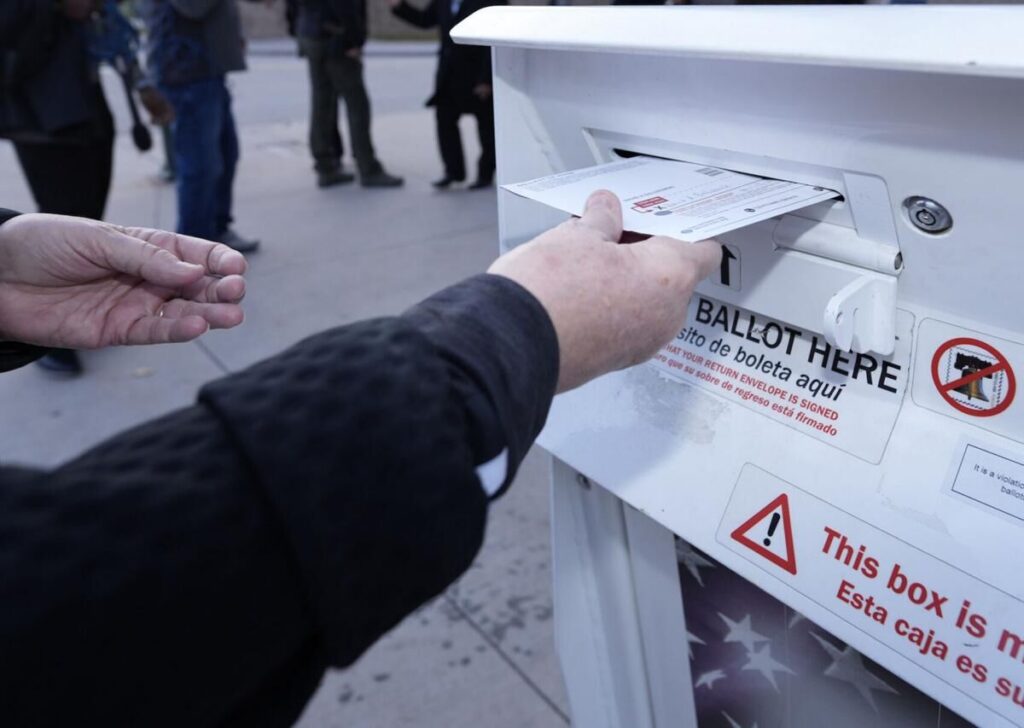
A ballot initiative that would require voters to include additional information on mail-in ballots has qualified for the November election, according to the Secretary of State’s Office. Backed by El Paso County Treasurer Chuck Broerman and former Deputy Secretary of...
Colorado election website error exposes personal data of confidential voters
Marissa Ventrelli
marissa.ventrelli@coloradopolitics.com
Updated 2 days ago
A system update accidentally lifted protections on confidential records in Colorado, exposing dozens of voters’ personal information, according to the Secretary of State’s Office. The limit that normally blocks access to confidential voter profiles was inadvertently disabled during an update...

PUC adds weekly comment after killing private talks
Scott Weiser
scott.weiser@gazette.com
Updated 2 days ago
The Colorado Public Utilities Commission will take public comment at the start of every commissioner’s weekly meeting beginning Sept. 9 as part of its new transparency mandate, the commission announced, expanding a slot previously limited to the second Wednesday of...

Aurora student journalist cleared of disciplinary charges after ignoring ‘gag order’
Kyla Pearce
kyla.pearce@gazette.com
Updated 3 days ago
A Community College of Aurora student who accused the college of putting an “unconstitutional gag order” on his student-run publication was cleared of disciplinary charges against him. CCA student Andrew Green tried to register his independent student publication, called “FoxTalk,”...
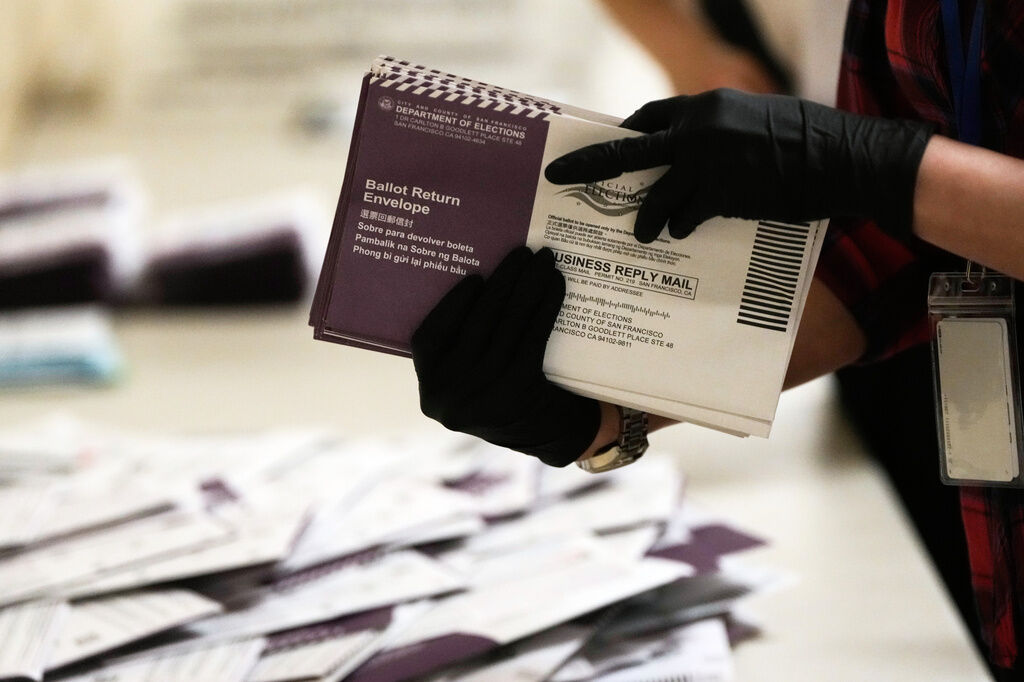
Colorado leaders cheer court decision to block Trump’s mail ballot order in a ruling that’s likely to be swiftly appealed
Thelma Grimes
thelma.grimes@coloradopolitics.com
Updated 3 days ago
A federal judge on Thursday halted — at least for now — attempts to implement President Donald Trump’s executive order that seeks to restrict the mailing of ballots to American citizens on an eligible voters list. The move stalled the...
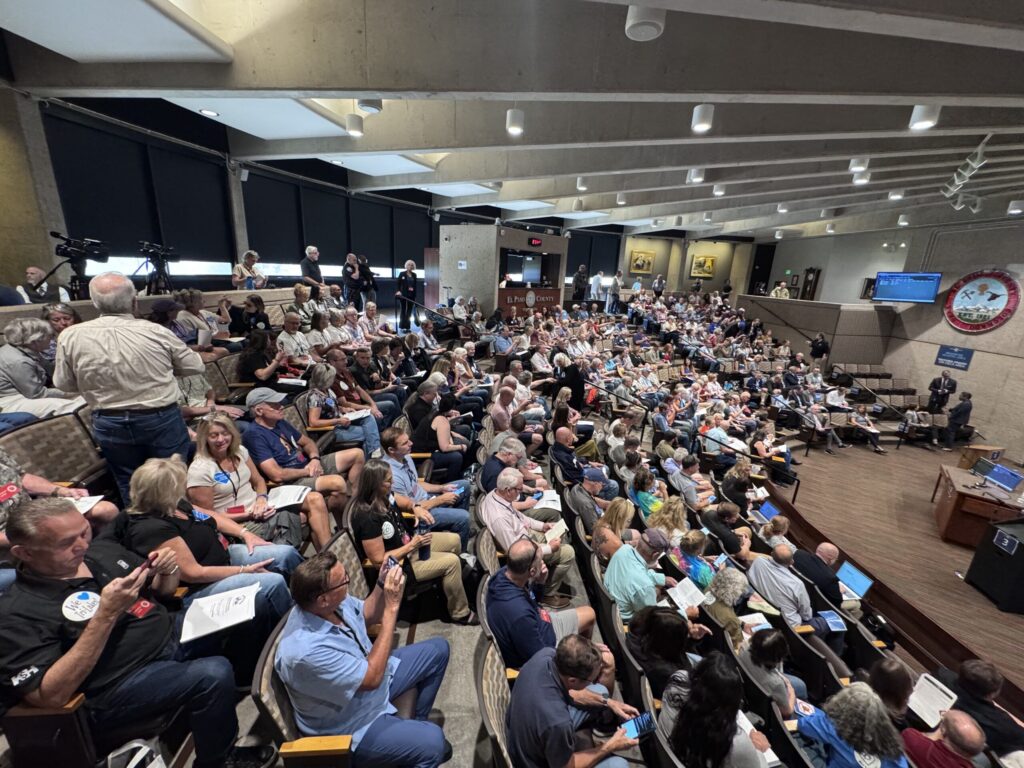
El Paso County upholds Buc-ee’s zoning appeal, clearing way for administrative approval
Savannah Eller
savannah-eller@coloradopolitics.com
Updated 3 days ago
A packed, daylong meeting on Thursday resulted in a win for the Texas travel center chain Buc-ee’s, with El Paso County commissioners voting 4-1 to approve the developer’s zoning appeal. “I think the burden of proof has been met here,”...

Healthcare freefall: UNC’s new medical school aims to tackle Colorado’s rural doctor shortage
Hap Fry, Special to The Gazette
hap-fry@gazette.com
Updated 1 day ago
Editor’s Note: Colorado’s healthcare system is entering a period of accelerating instability — a “tsunami,” as multiple leaders describe it — driven by collapsing hospital finances, shrinking Medicaid reimbursements, disappearing services and a political fight over who is responsible for...

Healthcare freefall: Economic ripple effects grow as Colorado hospitals face financial strain
Thelma Grimes
thelma.grimes@coloradopolitics.com
Updated 2 days ago
Colorado’s hospital systems aren’t just a network of clinics and emergency rooms — they are also one of the state’s largest economic engines. So some 10 hospitals identified at any given time as vulnerable to closure, the alarm extends far...

5th Congressional debate watchers hope for civility, truthfulness
Cleo Westin
cleo-westin@coloradopolitics.com
Updated 3 days ago
A few hundred people watched Rep. Jeff Crank and veteran Jessica Killin square off in a debate for the 5th Congressional District at the Pikes Peak Center for the Performing Arts on Thursday evening. Many of them sported campaign insignia...
PREV
PREVIOUS
Appeals Court rules Douglas County violated open meeting laws
The Colorado Court of Appeals ruled that Douglas County Commissioners violated Colorado open meeting laws in a series of closed meetings leading up to the county’s failed home rule special election. The Thursday ruling reversed a trial court’s denial of a preliminary injunction, finding the meetings were subject to open meeting laws and plaintiffs demonstrated […]
Aurora lawmakers unanimously pass water shortage declaration, watering restrictions
Aurora City Council members unanimously passed a Stage I Water Shortage declaration in Monday night’s meeting, putting restrictions on outdoor water use starting immediately. The shortage declaration imposes restrictions on outdoor watering for residents and businesses and reduces commercial user allocations, such as that for golf courses, by 20%, according to Aurora Water General Manager […]