

Colorado lawmakers propose deep cuts to close $1.2B budget gap
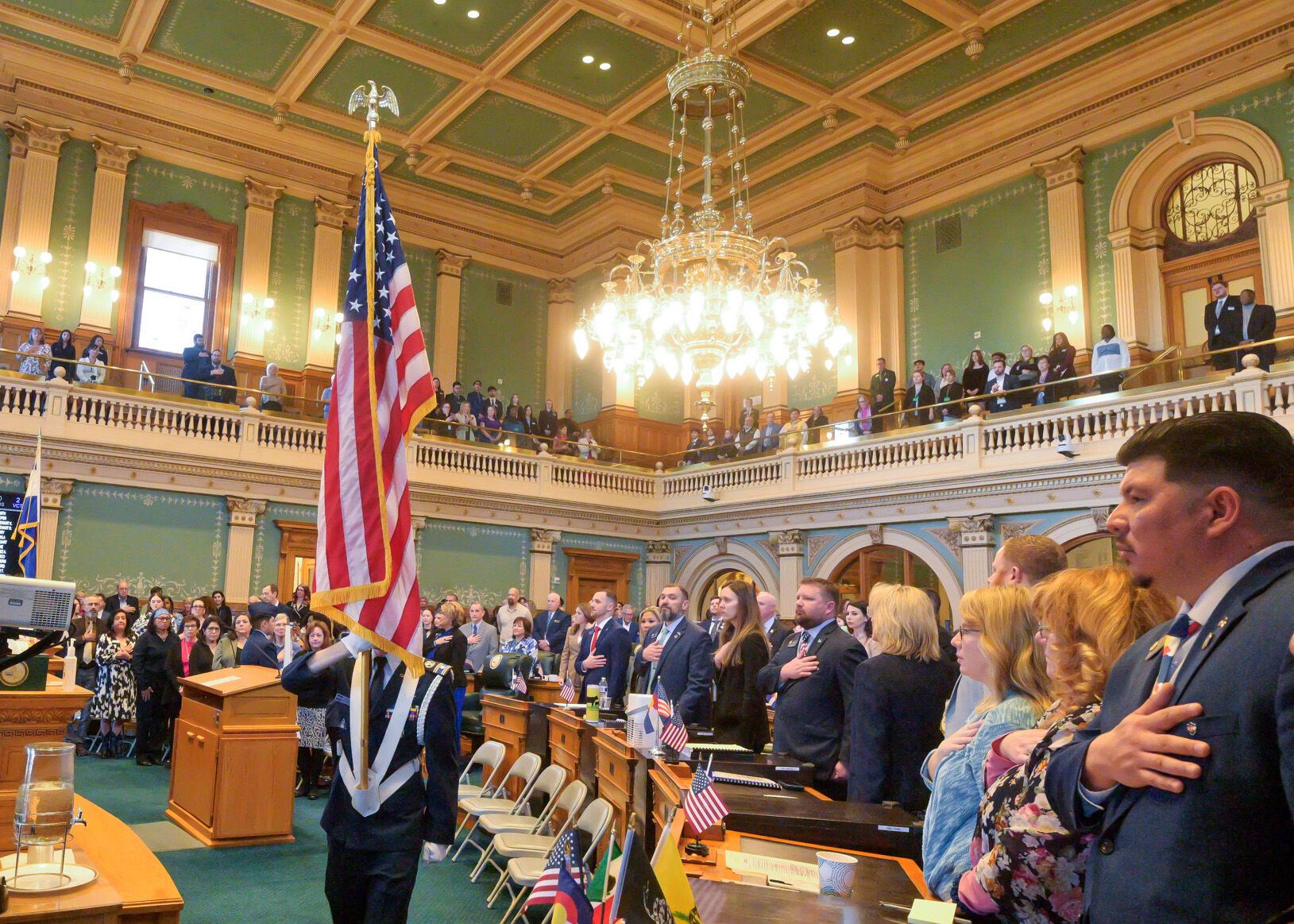
The panel of Colorado legislators in charge of crafting next year’s budget has finalized the 2026–27 spending plan built on deep cuts and one‑time cash transfers in an attempt to close a shortfall of more than $1.2 billion.
The plan is leaving lawmakers frustrated with the reductions to core services. Some cited cuts to health care programs for children and families, though others argued the spending plan “protects what matters most.”
That $1.2 billion figure comes from the governor’s economic forecast. The legislature’s economists, however, warned of an even bigger deficit at around $1.5 billion.
A combination of factors have led to Colorado’s budget woes. Democrats have pointed to the congressional budget approved last year, which analysts said changed the revenue equation for Colorado, unbalancing the state budget. Republicans have blamed the decisions by the Democratic majority, saying the latter overspent and, even when the budget hole was evident, refused to make the hard choices.
The single biggest driver to the deficit is the sharp spending increase in Medicaid, the program jointly funded by the state and the federal government that provides health coverage for low-income residents. Recent reports said the program is beset by fraud, abuse and runaway spending.
No celebration as ‘painful’ cuts take shape
Despite finishing the budget draft, Joint Budget Committee members expressed no sense of celebration. They are frustrated by reductions to health care programs serving children and families and by other difficult choices required to balance the budget.
Rep. Kyle Brown, D‑Louisville, who joined the committee in January, said the cuts are especially painful, given his long‑standing focus on health care. He reiterated his belief that health care is a right and should be accessible and affordable.
But, he said, balancing the budget required reductions that “hurt a lot.” The JBC is constitutionally required to produce a balanced budget, even when revenues fall short of funding core services.
“We are having to make cuts that will impact people’s lives, but we are doing them in the most compassionate and evidence‑based way,” he said.
“I wouldn’t call (completing the budget) a celebration,” he told reporters on Thursday.
JBC Chair Rep. Emily Sirota, the Denver Democrat now working on her fourth state budget, said this year is markedly different, noting she took pride in past budgets — but not so much this time around.
“This year feels quite different,” she said, explaining that lawmakers already cut $1 billion from the 2025–26 budget another $1 billion during the August special session.
And now, she said, another $1 billion is on the chopping block for 2026–27.
She added, “Everyone will have to deal with less, but we worked very, very hard to preserve and protect what matters most to Coloradans.”
Sen. Barbara Kirkmeyer, R-Brighton, said the budget does not fix everything, but it’s a small step in the right direction.
She said she’s proud the budget protects what matters most: “We continued historic funding for education, protected health care providers and access to care, and preserved critical investments in public safety.”
These, she said, are the basic responsibilities of government and should always come first.
At the same time, however, Democrats at the state Capitol, including Gov. Jared Polis, are facing what she calls “a crisis of priorities.”
“For too long, the state has overspent, underdelivered and put new programs ahead of the core services families count on,” she said.
Revenue forcecast forces more cuts
The reductions included significant cuts to Medicaid, transportation funding, affordable housing projects, and after‑school programs.
Much of the savings came from one‑time cash‑fund transfers, a long‑standing tool in tight budget years. The governor proposed roughly $600 million in transfers, along with other one‑time balancing mechanisms that budget writers said were difficult to implement.
After the March 19 revenue forecast revealed a much larger‑than‑expected shortfall, the Joint Budget Committee had to reopen the budget and find additional cuts. That pushed the budget introduction past its planned March 30 deadline.
Medicaid provider rates, which the JBC has worked to increase in recent years, were cut by 2%. That’s less than the governor’s proposed 3.6% reduction but still represents $95 million in general fund savings.
State employees will also feel the pinch this year. The JBC rejected a proposed 3.1% cost‑of‑living increase for state employees and declined to fund a new affordable housing program for state workers, noting the Department of Personnel and Administration lacked data demonstrating the need.
Reining in Cover All Coloradans
Cover All Coloradans, a general fund-supported health care program for children and pregnant women living in the U.S. illegally, has far exceeded its original cost projections.
Analysts estimate the program will cost $112 million in general fund expenditures for 2026-27, more than four times the amount anticipated when lawmakers approved it in 2022.
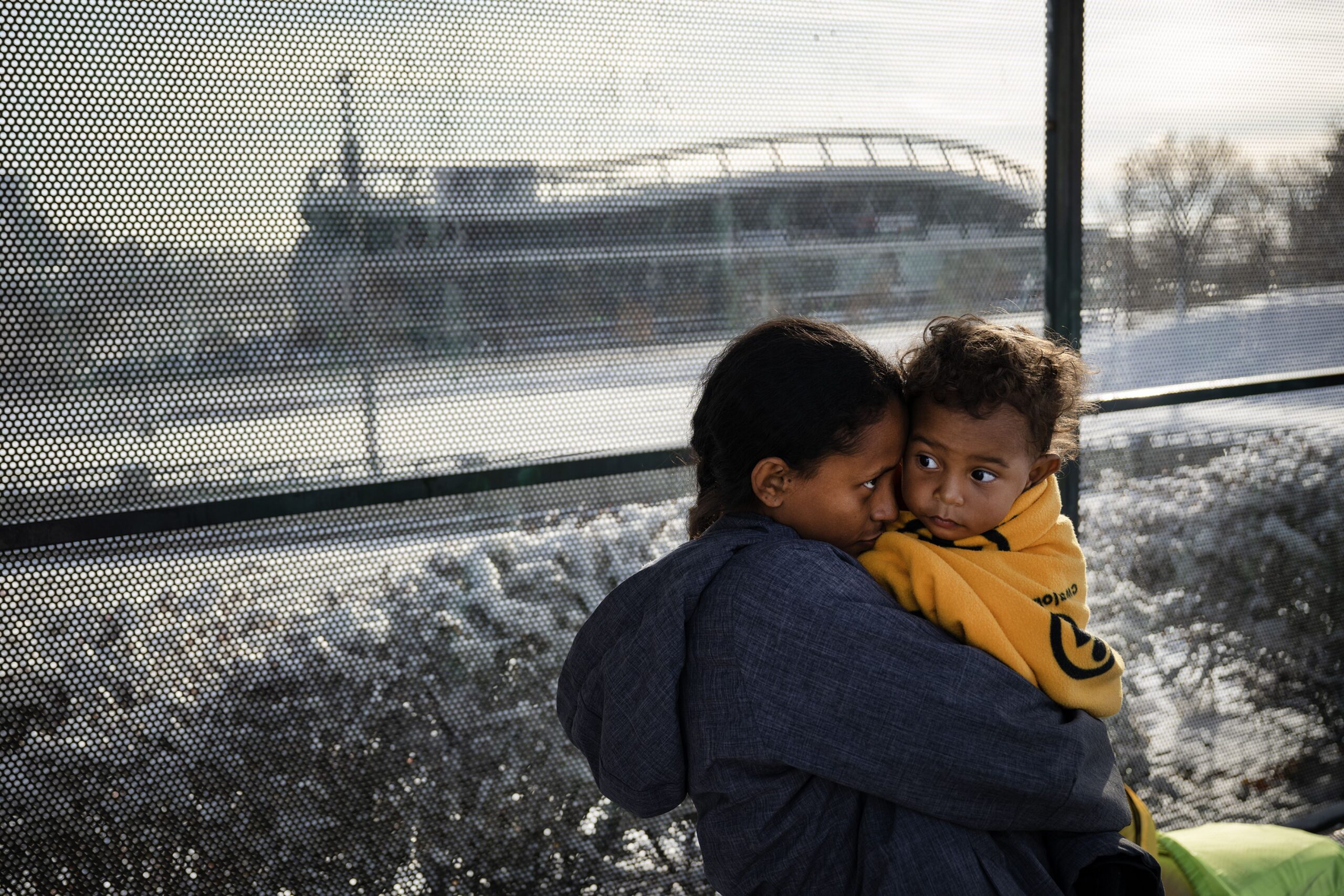
At the time, the state was in the middle of a crisis following the surge of immigrants who arrived in metro Denver after illegally crossing America’s southern borders. Some 40,000 people ultimately landed in the state, and estimates showed that about half stayed here.
To control the rapidly rising costs of the program, the JBC revised the eligibility rules by:
- Lowering the age of eligibility for children from 19 and under to 18 an under, bringing an estimated savings of $2 million
- Capping enrollment for children at 25,000
- Limiting the program’s budget to $96 million
- Requiring quarterly reviews to determine when to impose enrollment caps
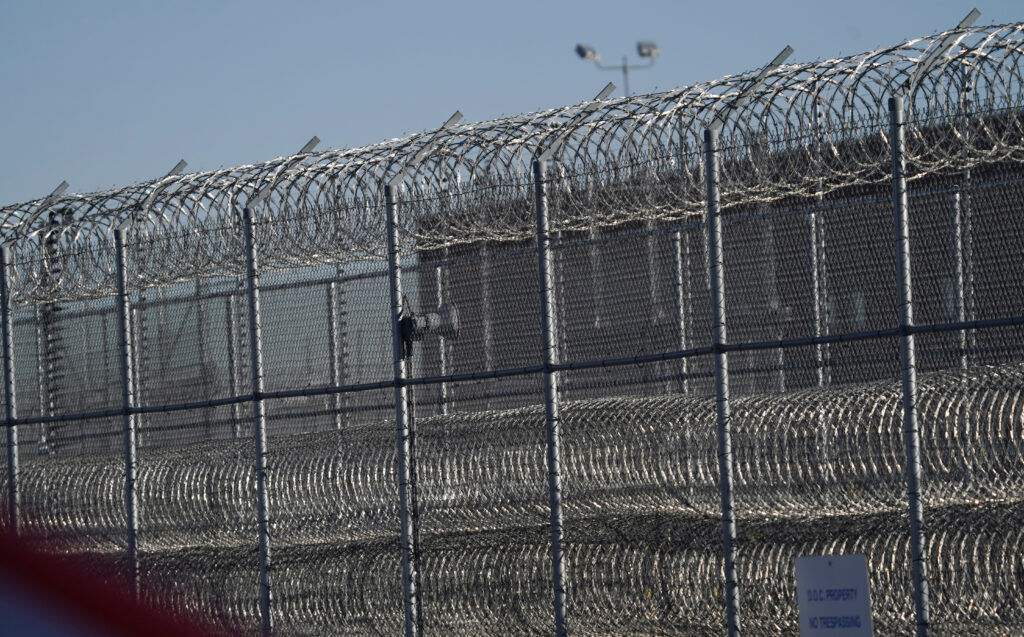
Corrections funding: Beds approved, new prisons rejected
The Department of Corrections avoided major cuts, despite rising demand for more prison beds. The department received funding for additional beds, but the committee rejected the governor’s last‑minute request to build new state prisons.
Instead, the JBC voted to allow the DOC to submit an emergency request later this year if more beds are needed.
They also approved leasing — rather than purchasing — additional space in private prisons, though at a higher per‑day, per‑inmate rate than the state currently spends.
The committee also requested a comprehensive plan from the Department of Corrections to address overcrowding in state prisons and local jails that are regularly holding inmates who are awaiting transfer.
Sirota said discussions around community corrections, where some facilities have been “choosy,” have not been productive. With the community corrections being more “choosy” in who they will take, Sirota said, it has contributed to thousands of inmates remaining in prison despite being approved for parole.
One census estimate on Feb. 10 listed 466 vacant residential beds and 252 non-residential beds in community corrections, which is under the Division of Criminal Justice in the Department of Public Safety. These beds would go to individuals who have completed the residential program but still require supervision.
“I would not say that we’ve reached necessarily a satisfactory resolution on that front,” Sirota said, noting that proposed legislation should address the management of local community corrections boards. This is an issue that goes beyond the budget, Sirota added.
While some advocates have argued that the crisis is partly the result of a backlog of inmates awaiting parole placement, others maintained that the “crisis” resulted from Democrats’ policies that ultimately seek to release offenders back into communities.
District Attorney George Brauchler of the 23rd Judicial District, earlier argued that prison overcrowding is an artificial crisis, manufactured by what he described as a “Democrat-led prison-closing frenzy. In an opinion piece, he said it’s the result of the “predictable, deliberate and unnecessary outcome of Democrat political decision-making that has long prioritized offenders over public safety and victims.”
Brauchler, who is also a former district attorney for the 18th Judicial District, said Colorado, in fact, incarcerates 22% fewer felons today than it did in July 2009, when the state population was smaller by a million. He said Colorado’s inmate numbers have “not been this low in 23 years.”
As for parolees, Colorado now has 50% more as of 2024 compared to 2003, he said.
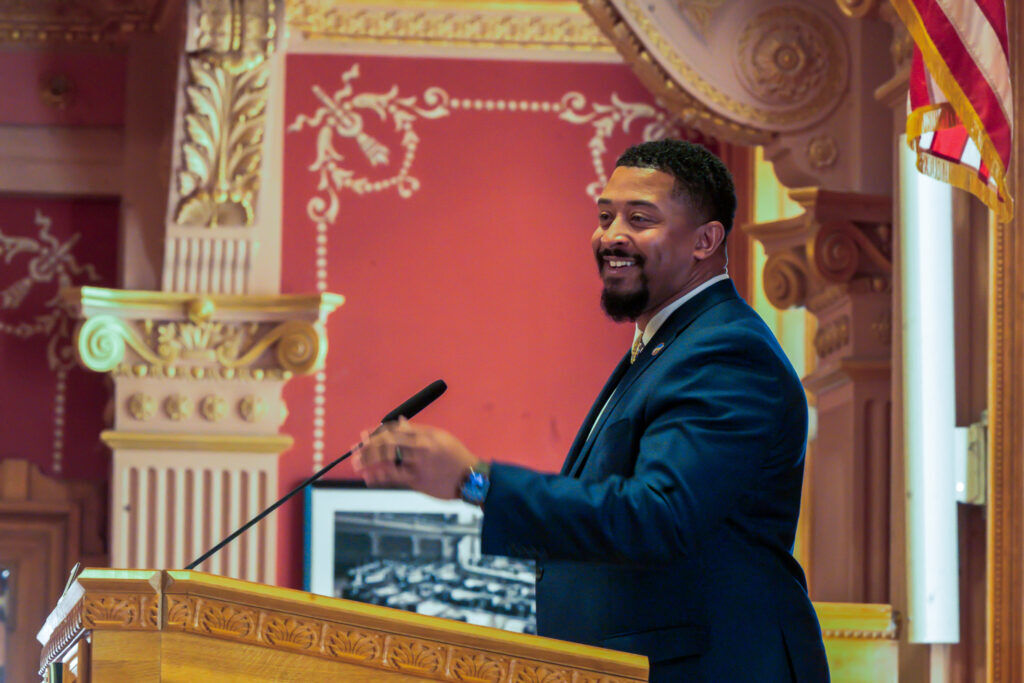
Leaders weigh in
Senate Majority Leader Robert Rodriguez, D-Denver, said Tuesday he isn’t comfortable with the spending in more prison beds, a sentiment shared by Senate President James Coleman, D-Denver.
“Ultimately, we have an extremely difficult budget situation and a prison crowding problem happening simultaneously,” Coleman said. “We’re taking every consideration to account when they make their decisions to balance the budget and maintain public safety.”
Coleman continued, “We have a credit card mentality.”
“We don’t want to pay up front and invest,” instead preferring to pay later, he said.
These are problems lawmakers have been discussing for years — without agreement on how to solve the problem, Coleman said.
“We need to find better ways to invest up front,” he added.
Coleman also addressed the structural deficit, an expectation first raised in 2020 by the governor’s economists who warned that the state was headed toward a situation in which revenues, limited, they said, by the Taxpayer’s Bill of Rights cap, would be insufficient to cover ongoing expenses.
At the same time, the Democratic-led General Assembly has approved the addition of a new cabinet-level agency, more than a dozen new state offices and the staffing to go with it.
Coleman insisted the decisions have been bipartisan.
“When we talk about lawmaker spending, we’re talking about bipartisan priorities like access to health care, funding K-12 education, funding public safety,” he said.
No one could have anticipated the revenue cuts forced on Colorado by Congress under the Trump administration’s 2025 budget bill or the massive increases in Medicaid costs, he said.
The program’s costs have exploded in the last several years, overtaking K-12 education as the largest line item in the state budget. Jointly funded by the state and federal government, Medicaid provides health coverage to low-income residents, including children, pregnant women, older individuals and people with disabilities.
An analysis from a think tank said spending by the Department of Health Care Policy and Financing, which manages Medicaid, reached $16 billion in 2025 — a 101% increase from 2015 — while Medicaid enrollment has returned to nearly its 2015 level.
“For years, we’ve passed balanced bipartisan budgets that met the needs of Coloradans and matched the information that we had at the time,” Coleman said. But it’s clear “we need to make structural changes to fund the things Coloradans do care about, like health care and education.”
“We’re in a place right now,” he said, “where we know we don’t have the resources.”
All six JBC members will sponsor the budget bill, which will be introduced on Monday, along with dozens of “orbital” bills needed to implement the cuts and transfers included in the spending plan.


What courageous citizenship really looks like | Vince Bzdek
Vince Bzdek
vince.bzdek@gazette.com
Updated 2 days ago
By Vince Bzdek What exactly is courage? Ernest Hemingway famously called it grace under pressure. Mark Twain wrote that “courage is resistance to fear, mastery of fear — not absence of fear.” C.S. Lewis refined that even more: “Courage is...
Colorado measure adding ID checks to mail-in voting qualifies for ballot
Marissa Ventrelli
marissa.ventrelli@coloradopolitics.com
Updated 2 days ago
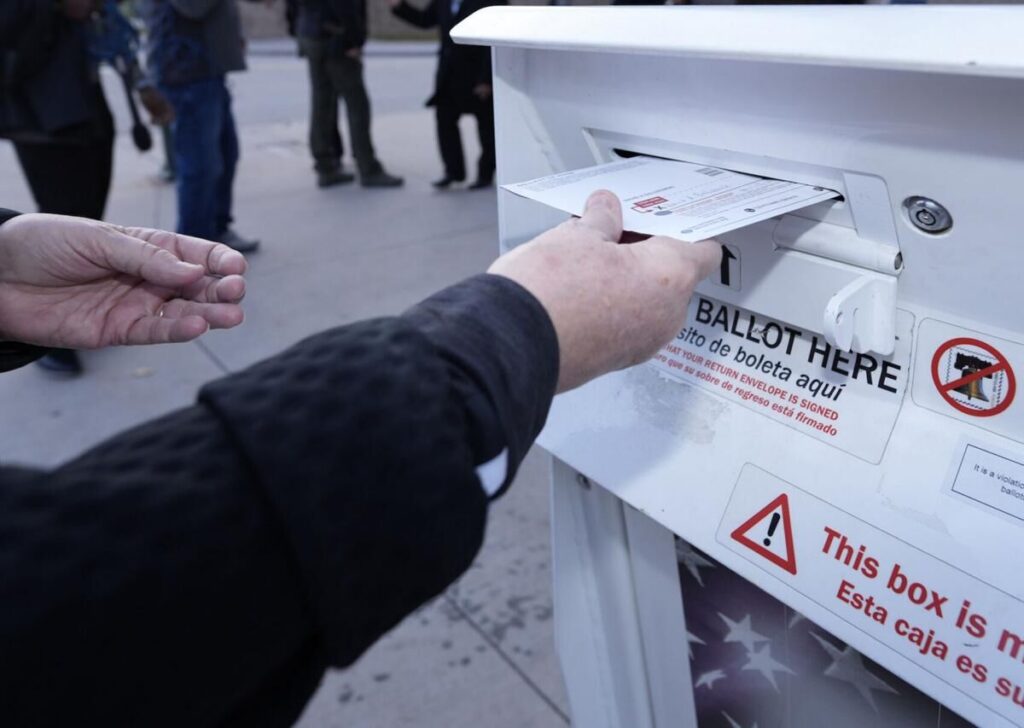
A ballot initiative that would require voters to include additional information on mail-in ballots has qualified for the November election, according to the Secretary of State’s Office. Backed by El Paso County Treasurer Chuck Broerman and former Deputy Secretary of...
Colorado election website error exposes personal data of confidential voters
Marissa Ventrelli
marissa.ventrelli@coloradopolitics.com
Updated 2 days ago
A system update accidentally lifted protections on confidential records in Colorado, exposing dozens of voters’ personal information, according to the Secretary of State’s Office. The limit that normally blocks access to confidential voter profiles was inadvertently disabled during an update...

PUC adds weekly comment after killing private talks
Scott Weiser
scott.weiser@gazette.com
Updated 2 days ago
The Colorado Public Utilities Commission will take public comment at the start of every commissioner’s weekly meeting beginning Sept. 9 as part of its new transparency mandate, the commission announced, expanding a slot previously limited to the second Wednesday of...

Aurora student journalist cleared of disciplinary charges after ignoring ‘gag order’
Kyla Pearce
kyla.pearce@gazette.com
Updated 3 days ago
A Community College of Aurora student who accused the college of putting an “unconstitutional gag order” on his student-run publication was cleared of disciplinary charges against him. CCA student Andrew Green tried to register his independent student publication, called “FoxTalk,”...
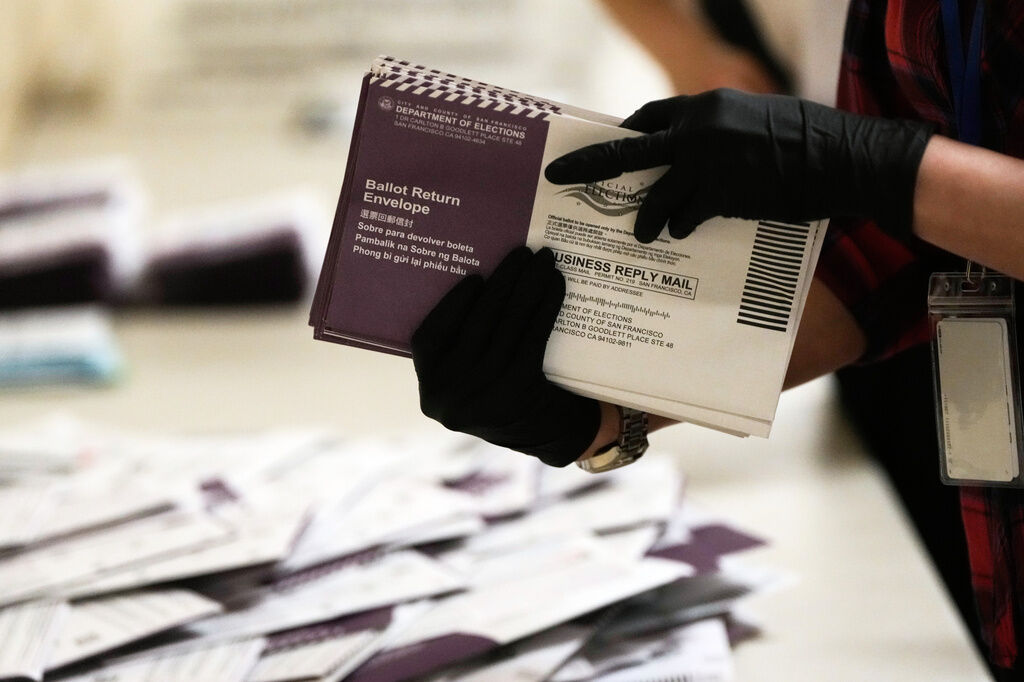
Colorado leaders cheer court decision to block Trump’s mail ballot order in a ruling that’s likely to be swiftly appealed
Thelma Grimes
thelma.grimes@coloradopolitics.com
Updated 3 days ago
A federal judge on Thursday halted — at least for now — attempts to implement President Donald Trump’s executive order that seeks to restrict the mailing of ballots to American citizens on an eligible voters list. The move stalled the...
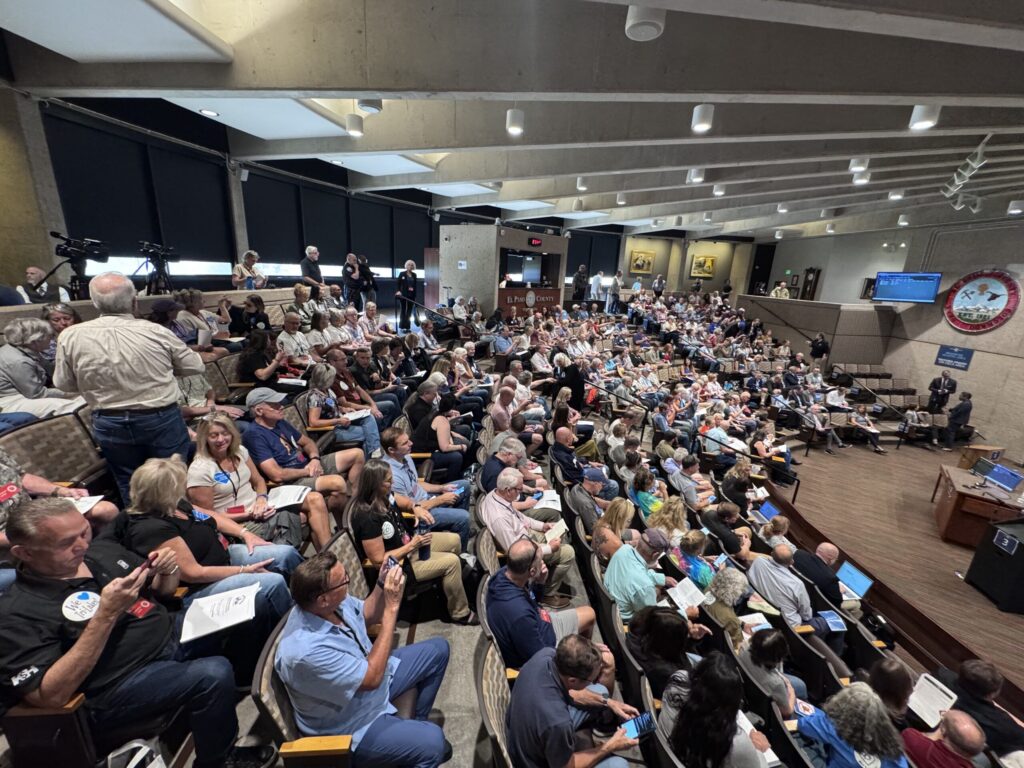
El Paso County upholds Buc-ee’s zoning appeal, clearing way for administrative approval
Savannah Eller
savannah-eller@coloradopolitics.com
Updated 3 days ago
A packed, daylong meeting on Thursday resulted in a win for the Texas travel center chain Buc-ee’s, with El Paso County commissioners voting 4-1 to approve the developer’s zoning appeal. “I think the burden of proof has been met here,”...

Healthcare freefall: UNC’s new medical school aims to tackle Colorado’s rural doctor shortage
Hap Fry, Special to The Gazette
hap-fry@gazette.com
Updated 1 day ago
Editor’s Note: Colorado’s healthcare system is entering a period of accelerating instability — a “tsunami,” as multiple leaders describe it — driven by collapsing hospital finances, shrinking Medicaid reimbursements, disappearing services and a political fight over who is responsible for...

Healthcare freefall: Economic ripple effects grow as Colorado hospitals face financial strain
Thelma Grimes
thelma.grimes@coloradopolitics.com
Updated 2 days ago
Colorado’s hospital systems aren’t just a network of clinics and emergency rooms — they are also one of the state’s largest economic engines. So some 10 hospitals identified at any given time as vulnerable to closure, the alarm extends far...

5th Congressional debate watchers hope for civility, truthfulness
Cleo Westin
cleo-westin@coloradopolitics.com
Updated 3 days ago
A few hundred people watched Rep. Jeff Crank and veteran Jessica Killin square off in a debate for the 5th Congressional District at the Pikes Peak Center for the Performing Arts on Thursday evening. Many of them sported campaign insignia...
PREV
PREVIOUS
Letecia Stauch murder conviction in stepson Gannon's death overturned by Colorado appeals court
An El Paso County woman convicted of killing her stepson in 2020, shoving his body in a suitcase, then dumping it in Florida, is getting a new trial. The Colorado Court of Appeals published a 52-page ruling on Thursday, stating that the conviction of Letecia Stauch, 42, is reversed because the trial court committed “structural […]
Redistricting fight escalates as Colorado Title Board clears competing ballot proposals
Colorado’s title board on Wednesday gave final approval to multiple ballot measures related to congressional redistricting, setting up a series of proposals that could alter how the state draws its U.S. House districts for the 2028 and 2030 elections. The board, which has final authority over ballot measure titles and language, has one remaining meeting […]