

Report: Denver lodging bounces back, but lags behind national recovery

Metro Denver’s hotels saw a strong first quarter, marching – slowly but surely – to pre-pandemic occupancy levels, according to an industry report from real estate giant CBRE.
But the recovery remains behind the national average – largely because of the influx of all the newly-constructed, higher-priced hotel rooms that hit the Denver market in recent years.
The company looked at occupancy levels, average daily rates (ADR) per room and revenue per available room (RevPAR) – three key metrics by which a hotel’s success is measured.
Denver businesses reap benefit of Stanley Cup Final
Denver’s occupancy rate plummeted to 41% during the depths of the pandemic in 2020, when the travel and leisure industry, and business travel, all but shut down for most of the year. CBRE experts forecast Denver’s occupancy to rise 7.7% in 2022 – to 63%. It should fully recover to pre-pandemic levels by 2024, according to the report.
Denver’s average daily room rate fell to $95.13 in 2020, and revenue per room to $38.81. That’s compared to $136.68 ADR and $100.32 RevPAR in 2019. Forecasters expect Denver ADR to hit $131.42 this year, and $139.39 by 2023. RevPAR levels are expected to rise 21% this year to $83.20 and hit $105.42 by 2024 in Denver.
Metro Moves: University of Northern Colorado names new chief of staff
Those Denver recovery metrics are still behind national averages. CBRE anticipates a full recovery in ADR in 2022 and in RevPAR in 2023.
“Denver’s recovery trails the national forecast due to the large amount of new supply introduced into the market within the past five years, or that was in the construction pipeline prior to the onset of the pandemic,” said Zachary Alm, vice president with CBRE’s Valuation & Advisory Services in Colorado, in a news release. “The bulk of new supply since 2017 largely consists of upper and mid-priced properties – categories most negatively impacted by the pandemic. The good news is that upper and mid-priced properties are forecast to see the largest gains in demand and RevPAR in Denver over the next five years.”
Denver’s office, retail markets lag behind residential
As far as nationally, the report points to several risk factors.
“Since year-end 2021, several factors, such as the Russia-Ukraine war, high gas prices and the 19% pullback in the S&P 500 have increased the risk of a potential slowdown. However, for now, CBRE Econometric Advisors continues to forecast positive GDP and employment growth and continued elevated Consumer Price Index (CPI) through 2023,” CBRE said.
“To date, there has been no sign that the more than 50% increase in gas prices and the stock market’s hovering near bear-market territory are dampening hotel demand,” Rachael Rothman, CBRE’s Head of Hotel Research & Data Analytics, said.



The primary political reform and precondition for all others | SONDERMANN
Eric Sondermann
eric-sondermann@coloradopolitics.com
Updated 3 days ago
In its current state, the American political system has no end of ailments. Far too many factors accelerate polarization and work against moderation and narrowing the differences. Media, and the way so many citizens limit themselves to agreeable, reinforcing sources,...
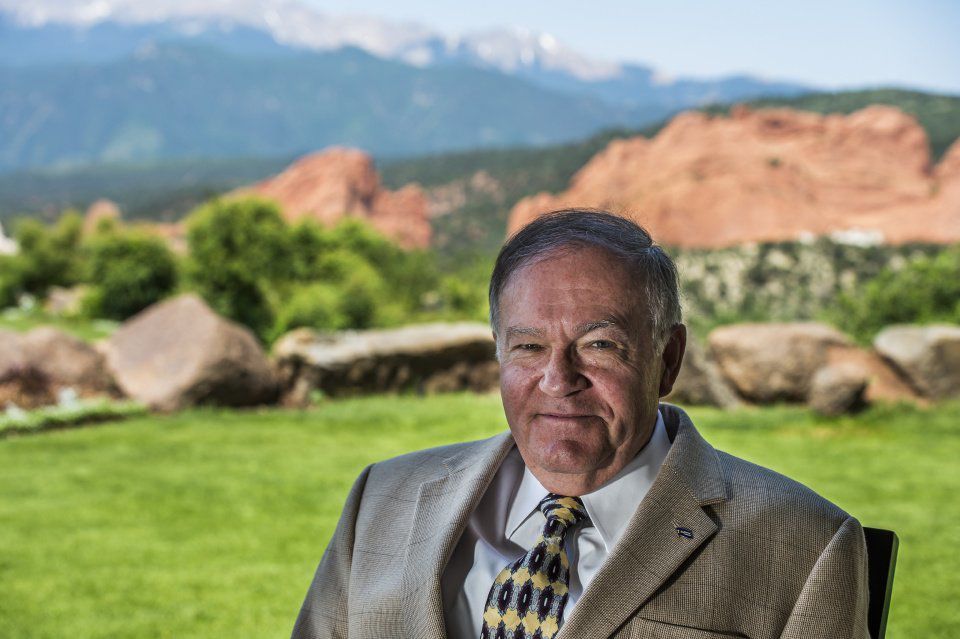
Susemihl wins surprise victory to replace Steve Durham as Colorado Springs state senator | A LOOK BACK
Rachael Wright, Special to Colorado Politics
rachael.wright@coloradopolitics.com
Updated 3 days ago
Forty-five years ago this week: In a closed session, the vacancy committee for Colorado’s Senate District 12 selected attorney Peter Susemihl to complete Sen. Steve Durham’s, R-Colorado Springs, term. Durham resigned his seat to become Region 8 Director of the...

10th Circuit partially revives lawsuit over 2020 Denver protest injuries
Michael Karlik
michael.karlik@coloradopolitics.com
Updated 13 hours ago
The Colorado-based federal appeals court revived a man’s claims against Denver on Friday after concluding a trial judge resolved the case in the city’s favor without analyzing two of the three instances of alleged excessive force and other constitutional violations....

Federal judges find Colorado immigration judge violated several orders
Michael Karlik
michael.karlik@coloradopolitics.com
Updated 14 hours ago
Multiple federal judges in Colorado have freed people from immigration custody after determining that one immigration judge violated their directives for properly conducting bond hearings. For nearly a year, Colorado’s U.S. District Court has faced a flood of “habeas corpus” petitions...
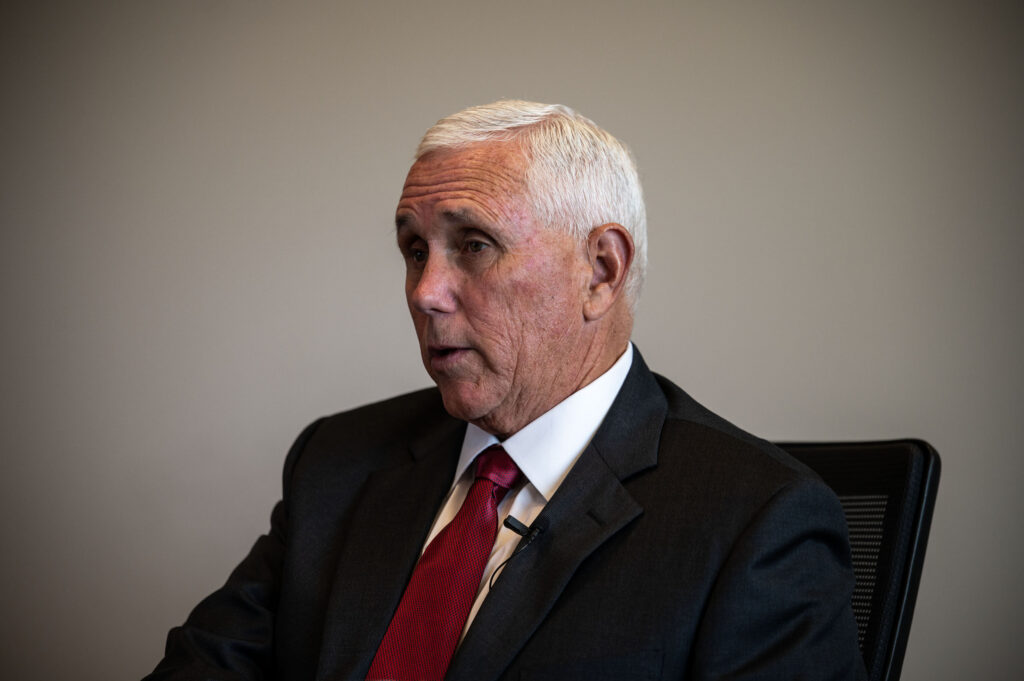
Q&A with Mike Pence | Former vice president says GOP’s populist turn from conservatism isn’t permanent
Ernest Luning
ernest.luning@coloradopolitics.com
Updated 14 hours ago
Former Vice President Mike Pence says he’s concerned that the Republican Party has taken a populist turn away from bedrock conservative principles during President Donald Trump’s second term, but he believes the party will return to its roots when Trump...
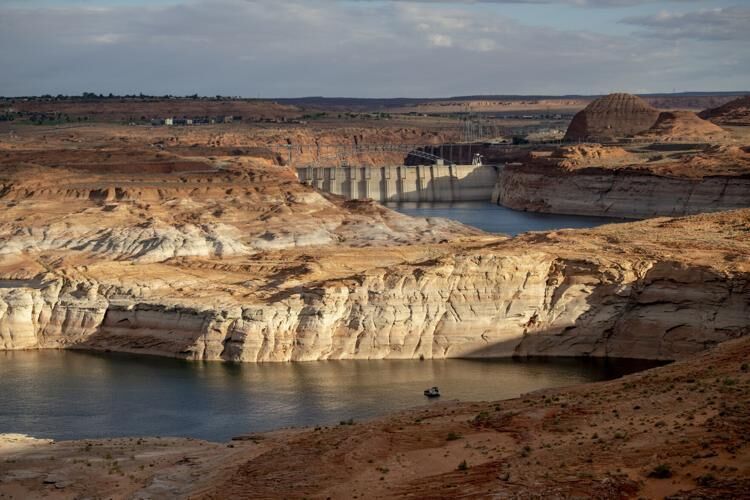
New federal plan sets short-term rules for Colorado River management
Marianne Goodland
marianne.goodland@coloradopolitics.com
Updated 13 hours ago
Interior Department’s plan spares Colorado from mandatory cuts for now After years of stalled negotiations among the seven states that rely on the Colorado River, the federal government on Friday released its own plan for managing the drought-strained system. Calling...

Fauci’s diary details blooming outrage toward ‘far right,’ softness toward Biden and China
Hudson Crozier
hudson.crozier@washingtonexaminer.com
Updated 18 hours ago
Dr. Anthony Fauci increasingly railed against “far right” critics of his approach to COVID-19 issues while describing strong support from the Biden White House in his pandemic-era diary, which was recently released by Congress. The former National Institute of Allergy...

Colorado is spared mandatory cuts under federal Colorado River proposal
The Associated Press
the-associated-press@coloradopolitics.com
Updated 18 hours ago
California, Arizona and Nevada to take less water under plan While Colorado has been spared from mandatory reductions, Arizona, California and Nevada would take less water from the Colorado River under a proposal announced Friday by the federal government to...

Republican Victor Marx taps George Markert as his lieutenant governor pick in Colorado’s gubernatorial race
Ernest Luning
ernest.luning@coloradopolitics.com
Updated 11 hours ago
Colorado Republican gubernatorial nominee Victor Marx named George Markert, a retired Marine colonel, as his running mate for lieutenant governor Friday morning, saying the former U.S. Senate candidate will bring “exceptional character, proven leadership and a lifetime of serving others”...
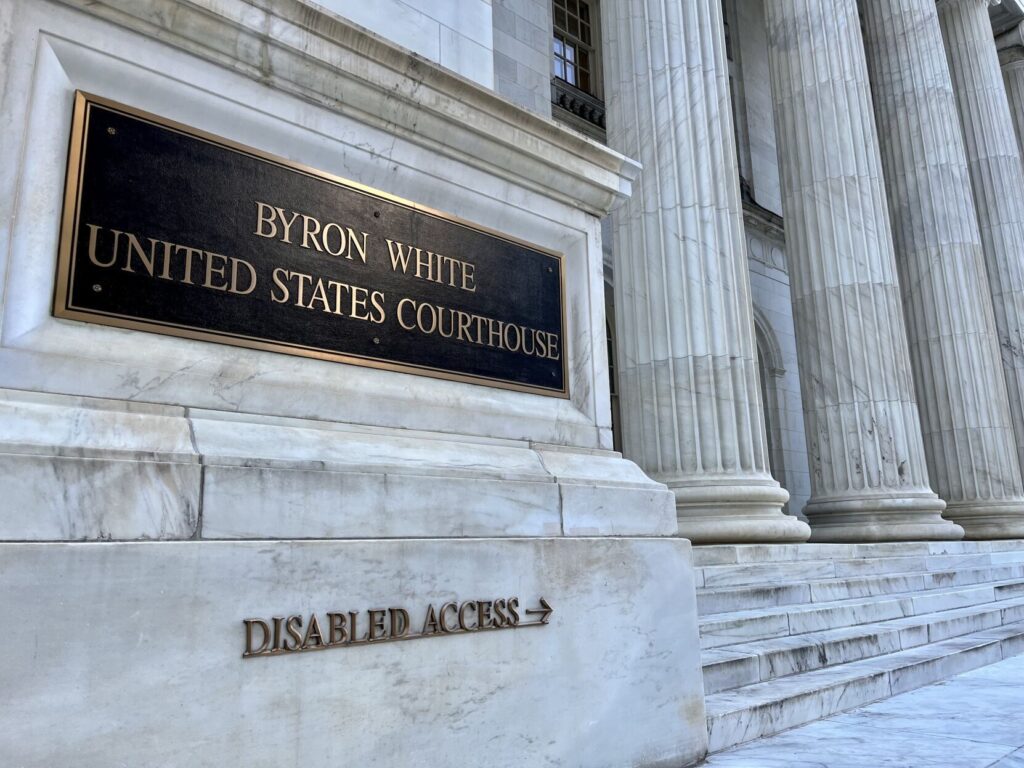
Misconduct complaints from ex-Colorado judicial discipline director dismissed against federal judges
Michael Karlik
michael.karlik@coloradopolitics.com
Updated 1 day ago
The administrative body for the Denver-based federal appeals court upheld a finding last week that misconduct complaints against Colorado’s chief federal trial judge and the chief appeals judge warranted dismissal and appeared to be a “litigation tactic” by the complaining...
PREV
PREVIOUS

Colorado unemployment rate drops again in May
Colorado’s unemployment rate fell to 3.5% in May, its lowest level since the pandemic began. And the state’s economy has recovered more than twice as quickly as it did during the Great Recession, the Colorado Department of Labor and Employment announced Friday. May was the 11th month in a row in which Colorado’s unemployment rate either […]

Appeals court endorses daily searches of Denver student under 'safety plan'
Colorado’s second-highest court has found Denver school security officials acted lawfully by continuing their daily searches of a student with a prior handgun offense, even when the “safety plan” enabling the searches had no expiration date. It has been nearly four decades since the U.S. Supreme Court ruled in-school searches do not require probable cause […]