

COURT CRAWL | Donation limits for political candidates under fire, Denver on trial for protest response
Welcome to Court Crawl, Colorado Politics’ roundup of news from the third branch of government. Last week featured two critical matters heard in federal court: Whether Colorado’s campaign contribution limits are unconstitutional, and whether Denver is liable for the force its officers used to respond to the racial justice protests of 2020.
How low is too low?
? Colorado voters approved Article 28 as an amendment to the state constitution in 2002. Among other things, it sets limits on campaign donations to statewide and legislative candidates from individual contributors. Adjusting for inflation, a person can donate $1,250 to a statewide candidate and $400 to someone seeking a spot in the legislature during an election cycle.
? But three former and current Republican candidates allege those caps, practically the lowest of any state, are unconstitutional. In addition to the lawsuit they filed in January, they appeared last week in the courtroom of U.S. District Court Senior Judge John L. Kane to argue the limits actually violate the U.S. Supreme Court’s standard for constitutionality.
? Among the witnesses: A University of Denver professor who believed Colorado’s caps make it somewhat harder for challengers to mount effective campaigns, although the government pointed to inconsistencies in his data. A state representative also talked about how a single maximum donation from a donor could buy gas for only two weeks of campaigning.
? Ultimately, Kane declined to block enforcement of the caps immediately, saying there simply hadn’t been enough factual material to warrant messing with a voter-approved constitutional provision. The judge’s bottom line: “There is no right to give or receive unlimited political contributions and no right to be free from having to make a choice regarding campaign financing.”
Police tactics land before a jury
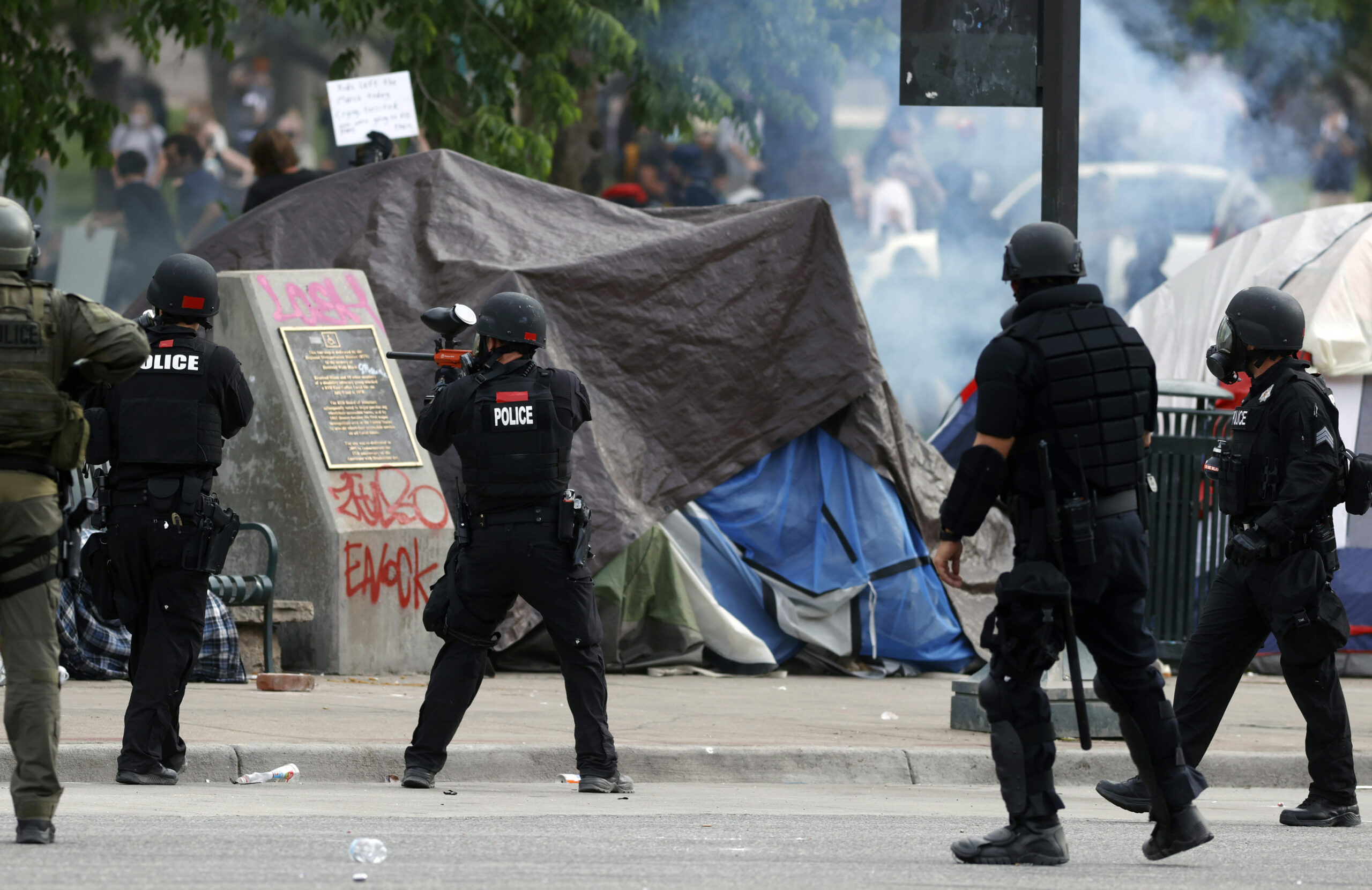
? Also happening at the U.S. District Court, the civil trial began last week over Denver’s handling of its police response to the 2020 racial justice protests. Demonstrators took to the streets largely to express outrage about the Minneapolis police killing of George Floyd and other Black Americans, although there were instances of violence and vandalism.
? So far, the protester plaintiffs have testified about the allegedly-unprovoked use of less-lethal weapons, while the city has pointed out that some people were throwing objects at police.
? Notably, the former police chief of Seattle, Norman Stamper, testified as an expert witness. After viewing pictures and videos from the protests, “I concluded that there was woefully inadequate training of those officers. I saw them as essentially undisciplined and using techniques and methods that I know of no other police department would permit,” Stamper said.
? Follow The Denver Gazette’s continued coverage of the trial.
So you want to be a county court judge
? There are three vacancies for part-time county court judgeships in southwestern Colorado, and the Judicial Department held an online information session describing what applicants can expect. Two of the positions are still accepting applications, and candidates do not need a law degree to be considered.
State Supreme Court issues new decisions, new protocols
? The Colorado Supreme Court returned to hear oral arguments last week, and one thing immediately stood out to the Court Crawl:
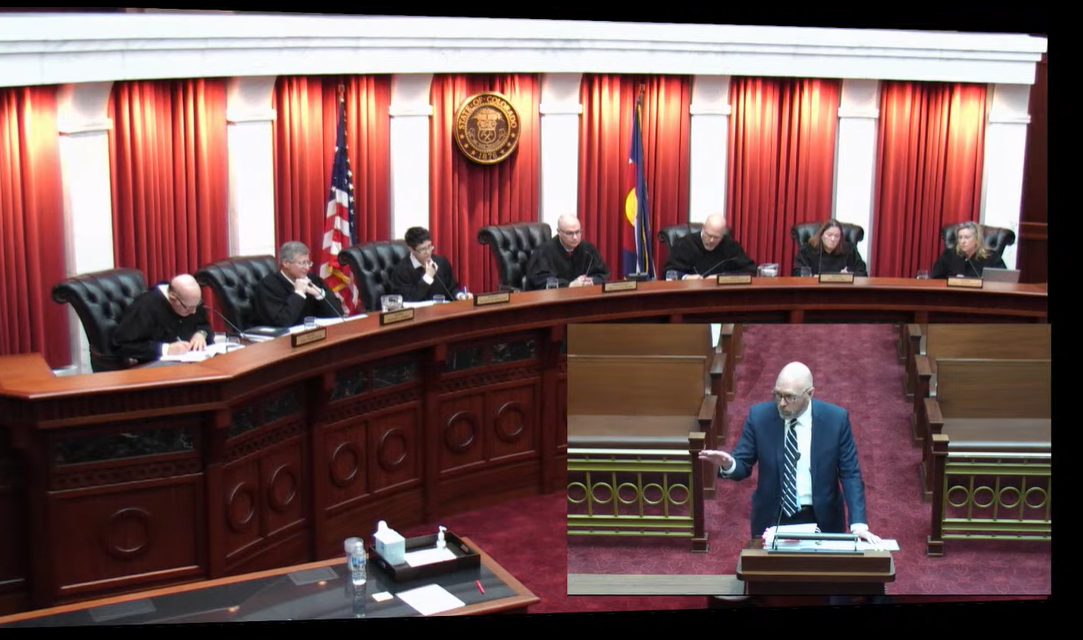
No masks! After the justices returned from their summer hiatus last fall, arguments initially took place in the courtroom with masks. But after COVID-19 cases began to surge, the arguments moved online. Now, at least until further notice, March 2022 looks a lot like March 2020 at the high court.
? One of the cases the justices heard involved the meaning of the phrase “all charges” in an agreement between surgery patient Lisa Melody French and her hospital. Centura Health argued “all charges” meant the $229,000 they claimed she owed, while an Adams County jury previously concluded it meant simply the reasonable value of the services – which were far, far less than the hospital’s quote.
? The justices were clearly skeptical of the hospital’s arguments, particularly the claim that Centura Health couldn’t have given French a more accurate estimate of her surgery before they stuck her with a six-figure bill:
“When I bring my car for service, they don’t know what’s wrong with it, either. But they investigate it and they call me and say you need a new this or a new that and this is what it will cost.” -Justice Richard L. Gabriel
? The court also decided that two Denver officers had no reasonable suspicion of a crime when they blocked in a man with their vehicle, only to later find an illegally-possessed firearm.
Decisions on appeal
? The state’s Court of Appeals decided for the first time that “pinging” a murder suspect’s cell phone to determine his location was allowable under the circumstances of the case.
? Another Adams County judge used a problematic analogy to illustrate reasonable doubt to a jury, prompting the Court of Appeals to order a new trial for running afoul of Supreme Court precedent.
? After the U.S. Court of Appeals for the 10th Circuit dismissed a long-running lawsuit challenging the constitutionality of Colorado’s Taxpayer Bill of Rights, the plaintiffs have declined to appeal to the U.S. Supreme Court, and have also apparently ended their litigation at the trial court as well.
Federal cases
? A judge clarified what questions a man may answer in his excessive force lawsuit against two Arapahoe County sheriff’s deputies, given that there is a related criminal proceeding against him for the same incident.
? The plaintiffs suing Frontier Airlines for failing to provide them refunds will not get another shot at filing their claims.
? The man sentenced to death for his role in the Boston Marathon bombing is suing the government for certain conditions placed on him in prison, and a judge felt the government had yet to provide a complete explanation for those restrictions.

Miscellaneous decisions
? The state senators who are attempting to fix implicit racial bias in jury selection have opted against pursing their bill to the finish line, and will instead ask the Colorado Supreme Court to enact the changes through a judicial rule.
? Boulder County is seeking to get a lawsuit thrown out of state court that would delay the cleanup of debris from the Marshall Fire.
? A district attorney in the San Luis Valley is the subject of an attempted recall for his handling of certain criminal cases.
? A Douglas County judge has blocked a health department order that would have prevented businesses from mandating face coverings.
Opinion withdrawn
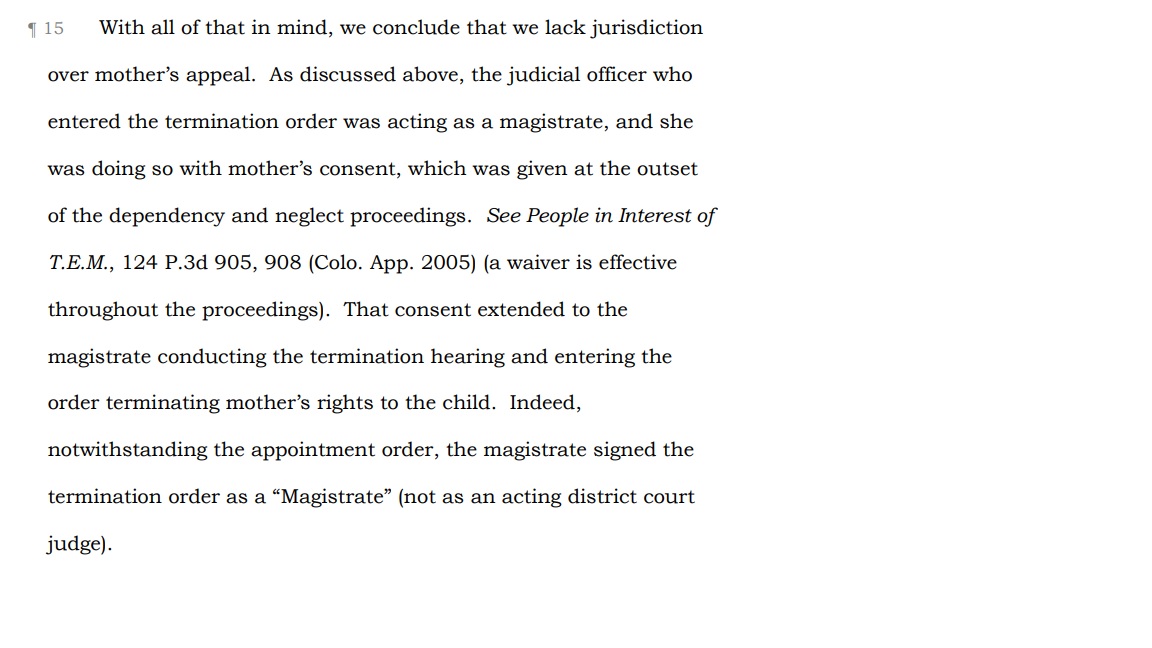
? In September, the Court of Appeals decided that the chief judge of the Third Judicial District exceeded her authority when she appointed a magistrate to decide a parental rights case as an “acting District Court Judge.” That title, as the panel noted, doesn’t really exist. But earlier this month, the panel withdrew that decision after determining the “acting” district judge appointment had no legal effect, the magistrate issued her order in the case in her capacity as a magistrate, and the order should have been appealed to a district court judge per the normal procedure:


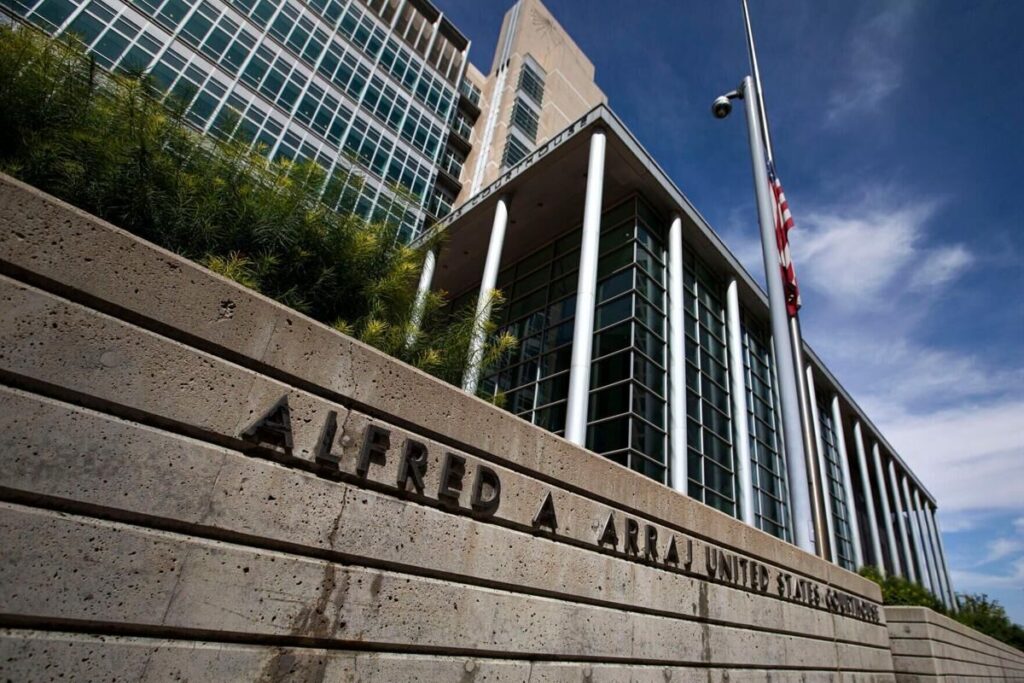
Federal judge directs plaintiff to revise complaint alleging Denver officers’ constitutional violations
Michael Karlik
michael.karlik@coloradopolitics.com
Updated 10 hours ago
A federal judge directed a plaintiff to revise his allegations on Wednesday to more precisely state what two Denver officers and the city itself allegedly did to violate his constitutional rights by facilitating his prosecution for murder until prosecutors dropped...
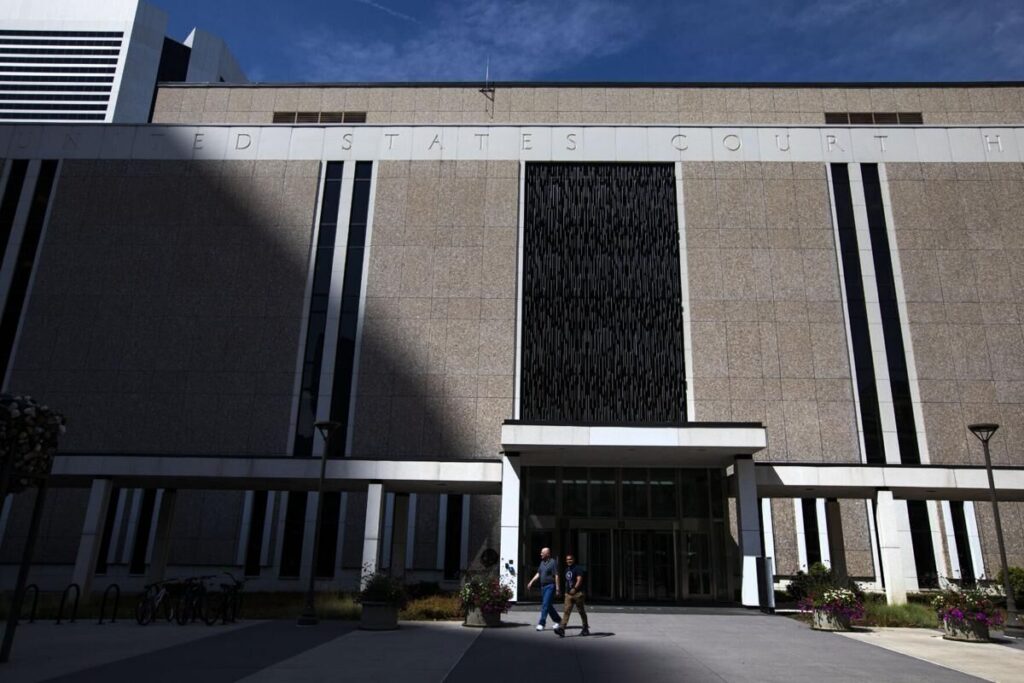
Federal judge explores new sanctions against ex-Colorado judicial discipline director
Michael Karlik
michael.karlik@coloradopolitics.com
Updated 14 hours ago
A federal judge on Wednesday directed Colorado’s former judicial discipline director, for the third time this year, to explain why she should not sanction him for his latest conduct in his litigation against the state’s judiciary. Christopher S.P. Gregory, who served...
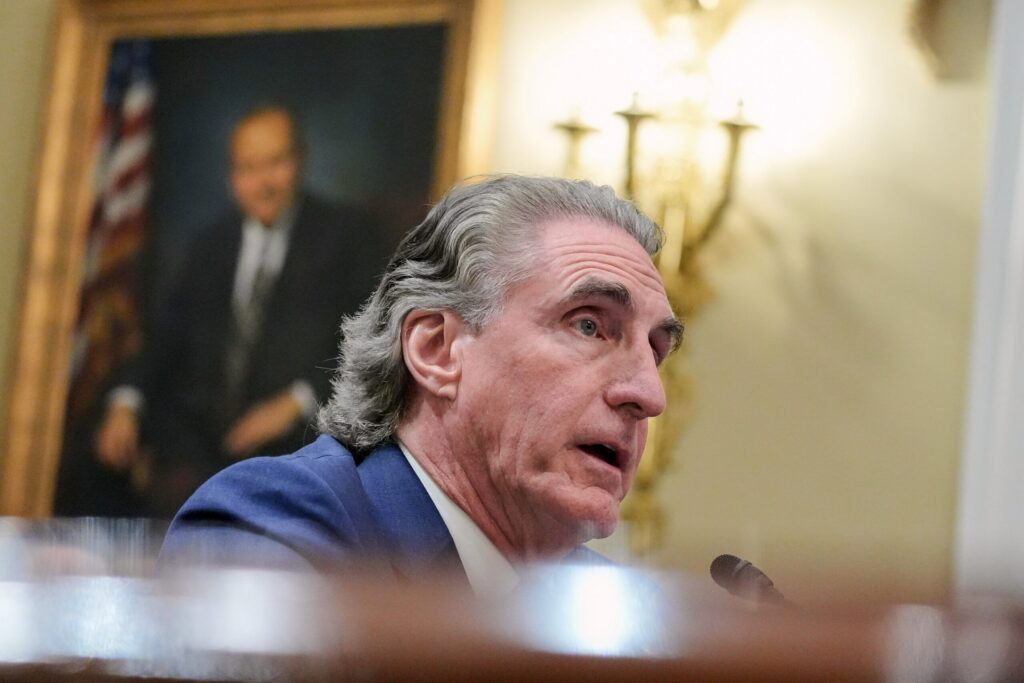
Colorado joins lawsuit challenging changes to Endangered Species Act
Marissa Ventrelli
marissa.ventrelli@coloradopolitics.com
Updated 14 hours ago
Colorado once more joined a coalition of states challenging the Trump administration — this time on proposed rules regarding the Endangered Species Act. The pair of lawsuits challenge new rules made under Interior Secretary Doug Burgum, who earlier said the...
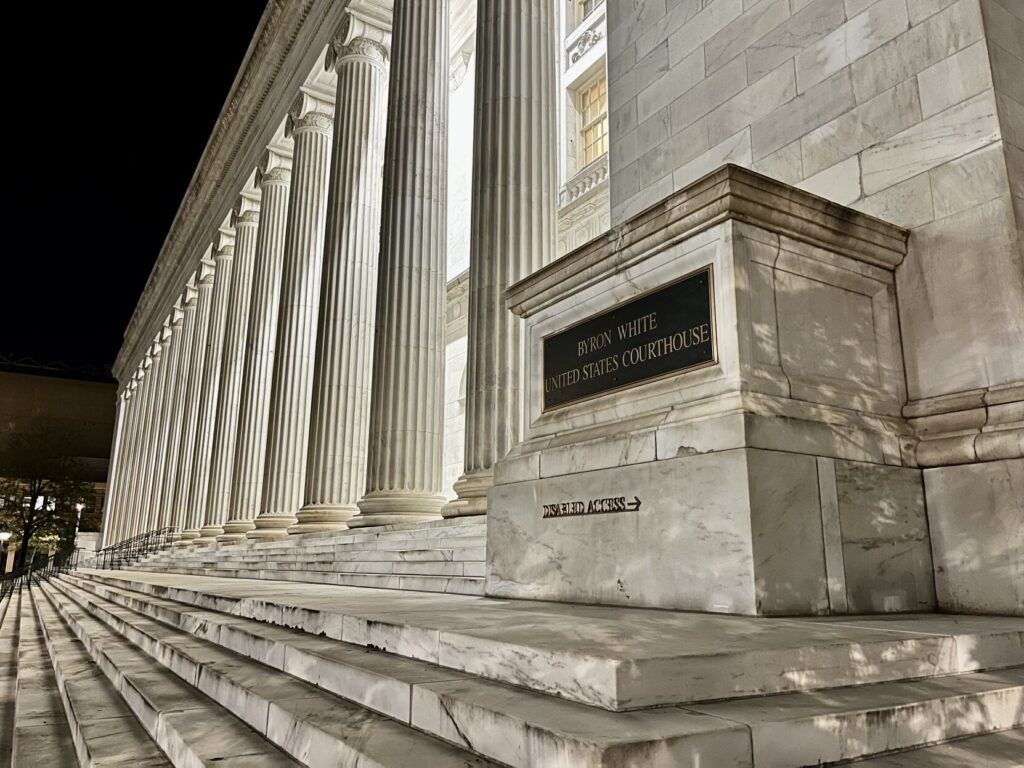
10th Circuit orders second look at immunity for Kiowa County deputy over fatal vehicle crash
Michael Karlik
michael.karlik@coloradopolitics.com
Updated 12 hours ago
The Denver-based federal appeals court directed a trial judge on Tuesday to further analyze whether a Kiowa County deputy and the sheriff’s office may be sued for a fatal vehicle collision. The Colorado Governmental Immunity Act generally shields government entities and public...
Colorado justices to hear appeal in Kendrick Castillo death lawsuit, ‘fugitive’ rule
Michael Karlik
michael.karlik@coloradopolitics.com
Updated 12 hours ago
The Colorado Supreme Court announced on Tuesday that it will decide whether it was proper to dismiss a lawsuit over the 2019 shooting death of Kendrick Castillo after the defendants paid the maximum amount of damages available to Castillo’s parents,...
Federal judge dismisses Douglas County’s challenge to collective bargaining law
Nicholas Fogleman
nicholas.fogleman@denvergazette.com
Updated 21 hours ago
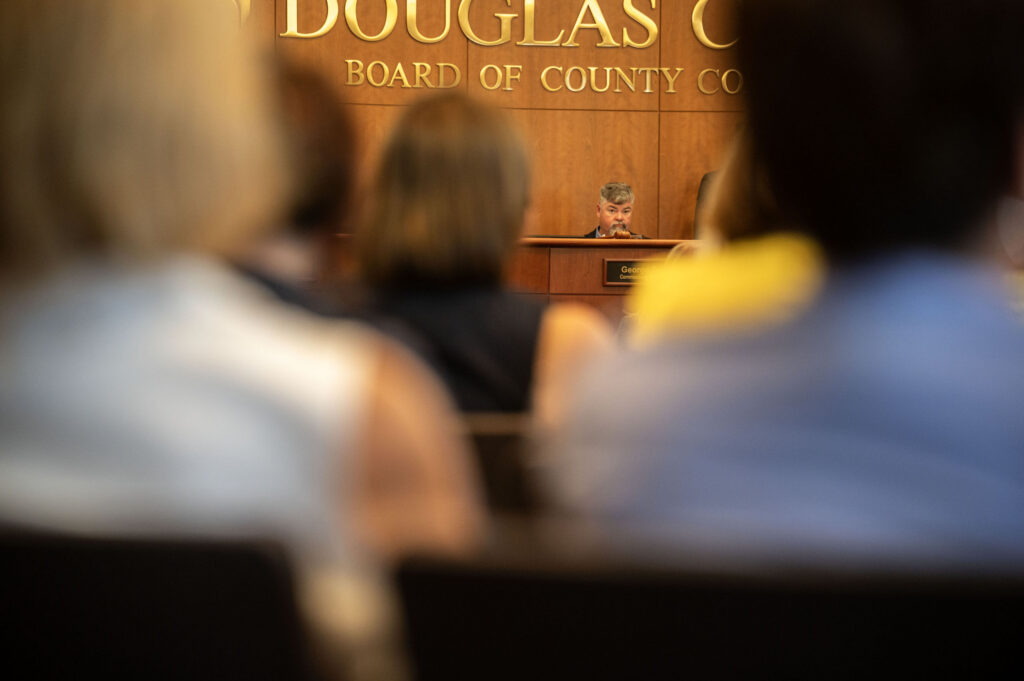
A federal judge dismissed claims brought by the Douglas County Board of Commissioners alleging that a state law granting county employees the right to organize and join labor unions violates free speech protections and conflicts with federal labor law. Douglas...
Arapahoe County judge’s frustration with defense lawyer not grounds for new trial
Michael Karlik
michael.karlik@coloradopolitics.com
Updated 2 days ago
Colorado’s second-highest court decided last week that an Arapahoe County judge’s repeated rebukes of a defense attorney and orders to “be quiet” did not rise to the level of bias or a violation of the defendant’s due process rights. A...
Divided appeals court upholds vehicle theft conviction despite unclear origin of car’s value
Michael Karlik
michael.karlik@coloradopolitics.com
Updated 1 day ago
Colorado’s second-highest court upheld a defendant’s conviction for aggravated motor vehicle theft last week, even though it was unclear how the Thornton Police Department estimated the value of the stolen car. Officer Marc Faivre encountered Ashley Shelee Gibbens-Martinez in a...
Disgraced ex-CBI analyst Missy Woods sentenced to prison in DNA scandal
Jenny Deam
jenny.deam@gazette.com
Updated 2 days ago
A Jefferson County district court judge on Tuesday sentenced a disgraced former Colorado Bureau of Investigation DNA analyst to a decade in prison for altering and deleting data in scores of criminal cases over several years. Jefferson County District Judge...

Parenting from prison: Inmates hope to be present in their children’s lives, while physically absent
Marianne Goodland
marianne.goodland@coloradopolitics.com
Updated 2 days ago
The room was decorated with balloons, the tables sparking bright with colors as the smell of pizza and cake wafted through the air. As did music. This was, after all, a father-daughter dance. Except this was not a typical father-daughter...
PREV
PREVIOUS

Appeals court orders new trial after Mesa County judge let biased jurors serve
Four jurors should not have served on a woman’s Mesa County trial, the state’s Court of Appeals determined, because they all volunteered they would believe police officers over the word of a non-officer simply due to their status as law enforcement. A three-judge panel for the appellate court reversed the felony assault conviction of Brenda […]
Colorado legislature unanimously passes bill to add ‘consent’ to sexual assault law
The Colorado legislature unanimously approved legislation that seeks to modify the state’s sexual assault law by adding the word “consent.” The state Senate passed House Bill 1169 in a final 34-0 vote on Monday, following the state House of Representatives’ unanimous vote last month. The bill will now be sent to Gov. Jared Polis for […]