

10th Circuit raises bar for fraud victims to sue debt collectors over inaccurate information
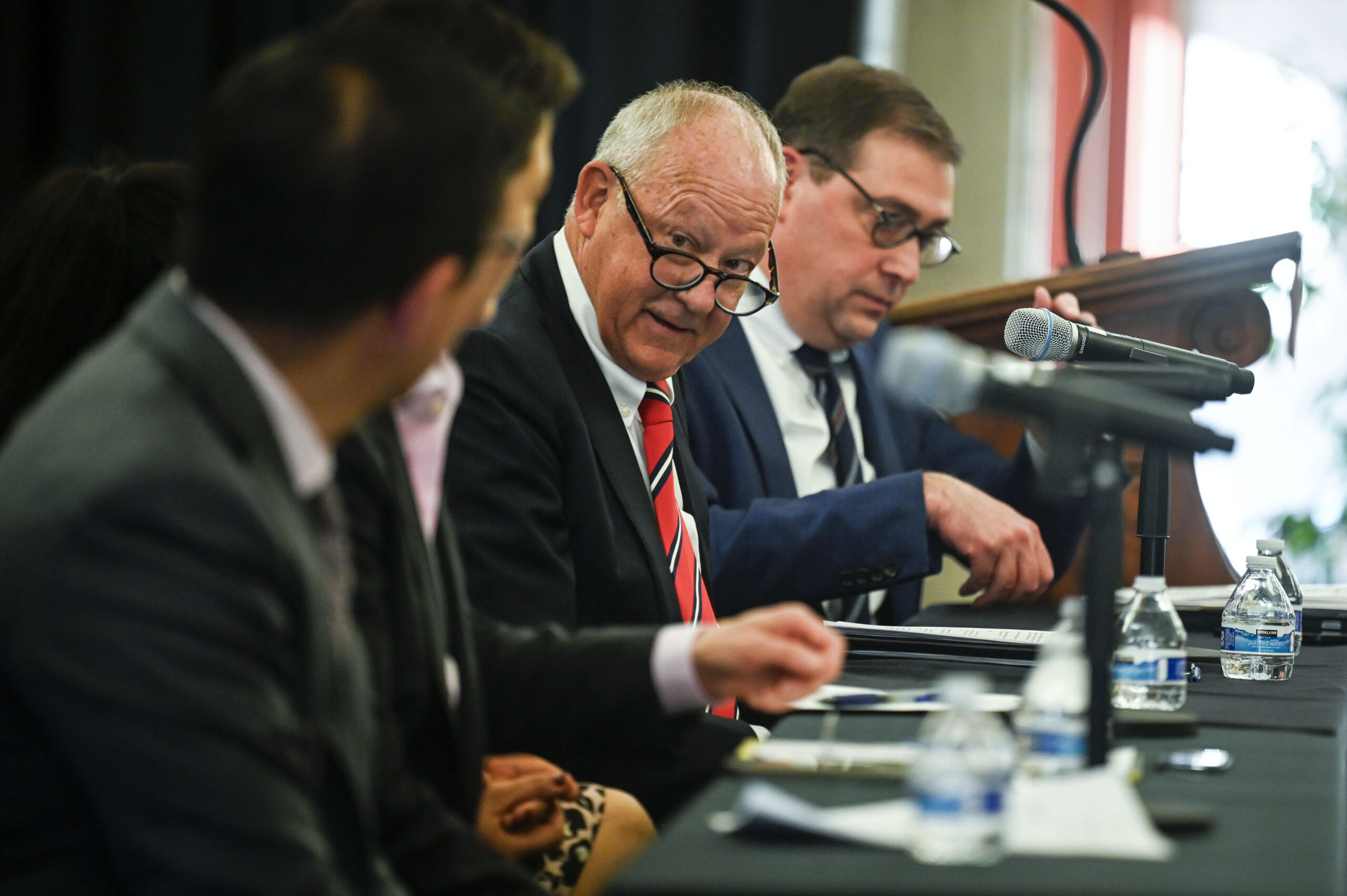
The Denver-based federal appeals court wiped away a jury’s $500,000 award to a fraud victim on Monday and made it more difficult for consumers to hold companies liable for disseminating inaccurate credit information.
The Fair Credit Reporting Act regulates credit reporting agencies’ collection of consumers’ information and also covers entities that provide data to those agencies. Provider entities, known as “furnishers,” must accurately convey information and investigate details that a consumer disputes.
But how does a consumer demonstrate at the outset that information is inaccurate?
A three-judge panel of the U.S. Court of Appeals for the 10th Circuit concluded that consumers need to show “objectively and readily verifiable” inaccuracies, meaning those that do not require “complex fact-gathering” or evaluations of conflicting narratives.
The FCRA “shows that a furnisher’s obligation at the start is to correct its reporting only when the information is inaccurate or incomplete. And because a furnisher only incurs such an obligation when the disputed information is in fact inaccurate or incomplete, the consumer must prove inaccuracy (or incompleteness) as a necessary predicate,” wrote Judge Timothy M. Tymkovich in the panel’s July 20 opinion.
Case: Ward v. National Credit Systems
Decided: July 20, 2026
Jurisdiction: U.S. District Court for Colorado
Ruling: 3-0
Judges: Timothy M. Tymkovich (author)
Michael R. Murphy
Joel M. Carson III
The National Consumer Law Center, which advocated against the standard the panel adopted, warned that the decision could make it harder for victims of identity theft to remove detrimental information from their credit reports.
“Many victims will find the process spelled out by the court too time-consuming or expensive, leaving them with no recourse to restore their good names,” said Chi Chi Wu, the center’s director of consumer reporting and data advocacy. “We are disappointed that the decision seems to favor the interests of big corporate credit bureaus and debt collectors over everyday Americans harmed by identity theft.”
ACA International, a trade association for collection agencies and related companies that asked the 10th Circuit to embrace the “objectively and readily verifiable” standard, countered that it is appropriate to place the burden of proving inaccuracies on the consumer.
For collections and consumer reporting agencies, “the law does not require them to serve as arbiters of unresolved factual disputes, credibility contests, or nuanced legal questions,” said Leah Dempsey, an attorney for ACA International.
In the underlying case, Robbin Ward of Colorado learned that he owed a debt to National Credit Systems, Inc. for a rental unit in Texas. Evidence suggested Ward’s daughter used his personal identifying information and documents to submit a rental application in his name. After an eviction due to unpaid rent, the landlord turned the account over to NCS for collection. NCS, in turn, furnished the information about Ward to multiple reporting agencies.
Ward disputed the debt attributed to him, saying he was the victim of identity theft. NCS responded to the reporting agencies by confirming that the documentation surrounding the rental unit meant the debt was accurately reported under Ward’s name.
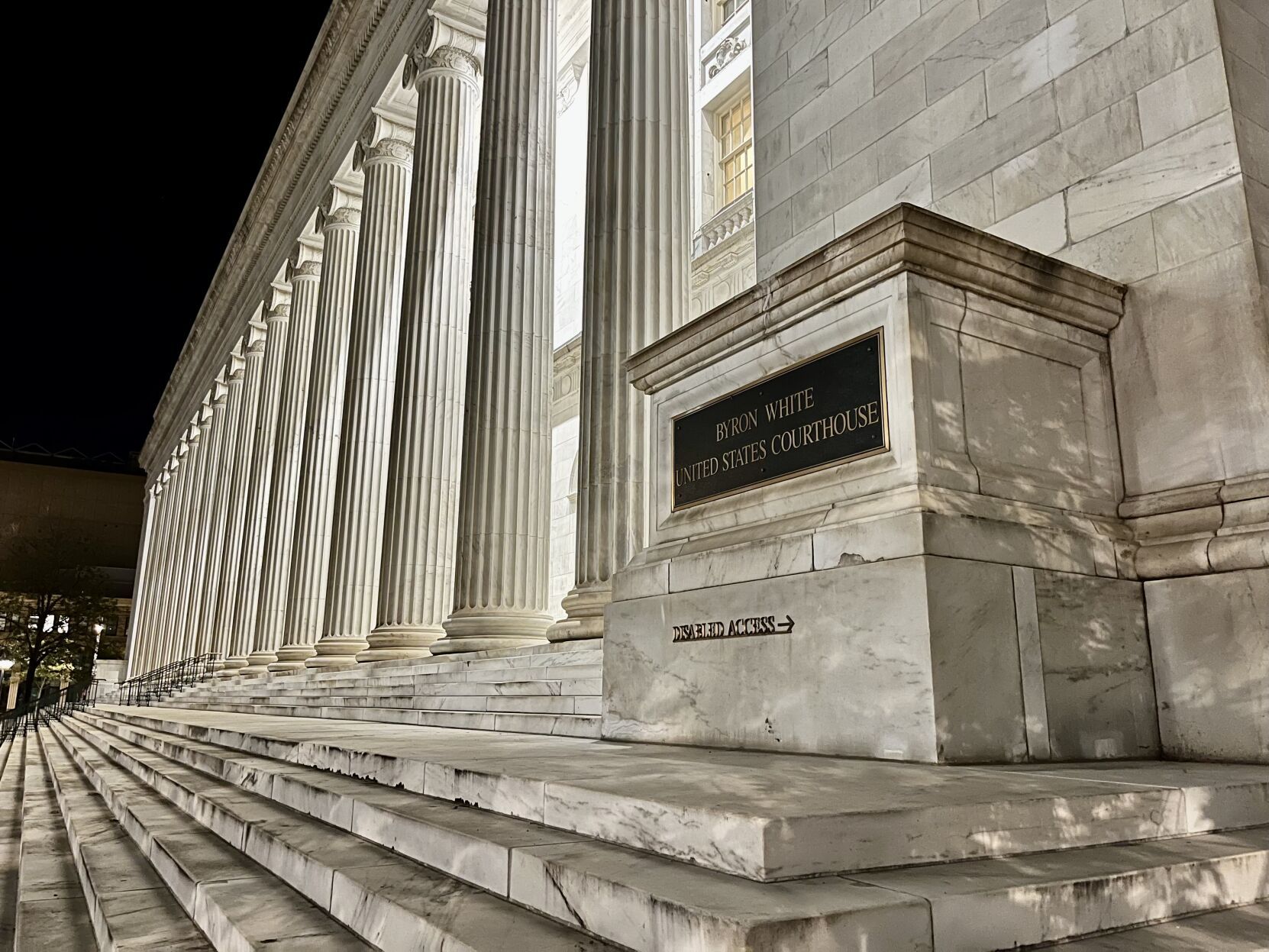
Ward sued the various agencies and NCS for violating the FCRA. He settled with the consumer reporting agencies, but NCS sought to resolve the remaining claims in its favor without a trial.
In May 2023, U.S. District Court Senior Judge Lewis T. Babcock largely sided with NCS, but he greenlit a jury trial on Ward’s claim that NCS failed to conduct a reasonable investigation into the accuracy of the information it furnished about Ward’s debt.
“I cannot say that it is beyond question that NCS, with the knowledge and information it had, conducted a reasonable investigation as a matter of law when it merely confirmed the identification associated with the account and responded that the disputed information was accurate. A higher level of review was clearly warranted,” wrote Babcock.
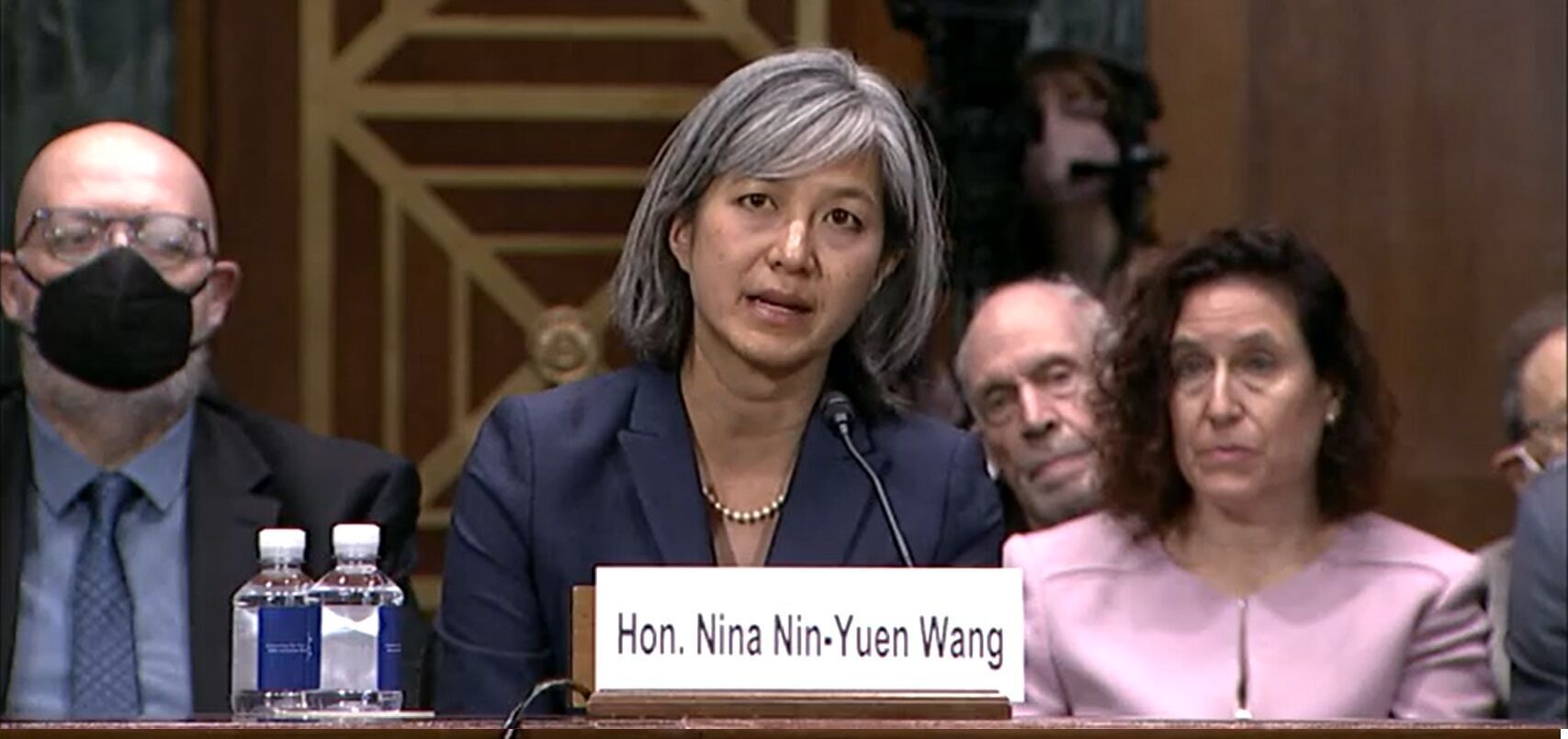
Babcock handed off the case to U.S. District Court Judge Nina Y. Wang for trial, where a jury awarded $500,000 to Ward. NCS moved after trial to set aside the jury’s verdict, arguing the information Ward provided in disputing his debt was not “objectively and readily verifiable.”
“Whether Mr. Ward filled out the lease application or not — or whether his daughter filled out the lease application with his permission — are objectively verifiable facts,” Wang wrote in denying the motion. “Indeed, these facts were implicitly decided by the jury when it returned a verdict in Mr. Ward’s favor. Defendant has directed the Court to no case holding that the existence of unclear or uncertain facts relieves a furnisher’s obligation to reasonably investigate a dispute.”
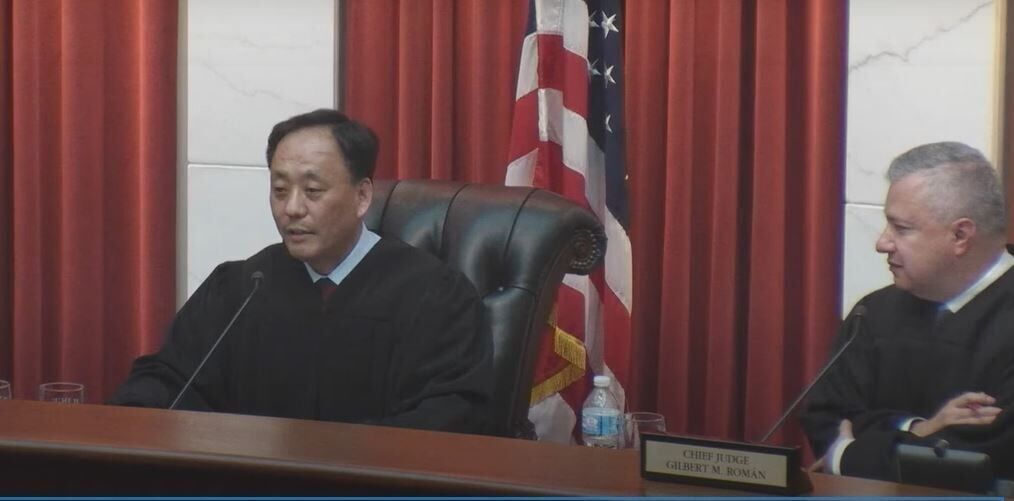
During oral arguments to the 10th Circuit panel, the appellate judges questioned NCS about what should have reasonably happened when Ward lodged a dispute over the accuracy of his consumer debt.
“If Mr. Ward had said it was identity theft and he believed it was a theft, albeit by his daughter, would the investigation have gone differently? If he had said, ‘My daughter stole my ID and that’s how this happened?’” asked Senior Judge Michael R. Murphy.
“Why wouldn’t your client pick up the phone and call Mr. Ward if they suspected Mr. Ward’s daughter was involved?” Tymkovich asked NCS’s lawyer. “Why wouldn’t they pick up the phone and call her? That seems like it would objectively and readily verify the information.”
“It still relies on the veracity of their statements,” said attorney John W. Bowdich. “It’s just her supporting his story, perhaps.”
Ultimately, the panel followed other circuit courts and adopted the requirement that consumers prove their information is objectively inaccurate before a furnisher’s duty to reasonably investigate comes into play. The panel overturned the jury’s award because “all objective information” suggested Ward was involved in the rental debt.
“If a consumer’s dispute of identity theft contains objective evidence showing the consumer was not tied to the debt it might meet the inaccuracy standard,” wrote Tymkovich. “For example, Ward could have pursued his allegation of identity theft with law enforcement or a regulatory agency to gather more information that objectively proved he was the victim of fraud.”
Matthew Osborne, who represented Ward, said the panel’s decision conflicted with the text of the federal law, which requires the deletion of consumer information that companies cannot verify.
“This decision flips that law on its head and basically allows all the creditors to just throw up their hands and stop investigating, as long as they can say it’s too complicated,” he said. “This case paves the way for the industry to completely eliminate the FCRA in the 10th Circuit.”
Bowdich, the attorney for NCS, said the new standard “should curb the sheer volume of disputes that rely solely on the consumer’s veracity or otherwise fail to provide any verifiable basis or support regarding the claimed inaccuracy.”
The case is Ward v. National Credit Systems, Inc.
Editor’s note: This article has been updated to include comments from NCS’s attorney.


Parenting from prison: Inmates hope to be present in their children’s lives, while physically absent
Marianne Goodland
marianne.goodland@coloradopolitics.com
Updated 5 hours ago
The room was decorated with balloons, the tables sparking bright with colors as the smell of pizza and cake wafted through the air. As did music. This was, after all, a father-daughter dance. Except this was not a typical father-daughter...
Appeals court confirms Colorado judges can compel electronic records from out of state
Michael Karlik
michael.karlik@coloradopolitics.com
Updated 1 day ago
Colorado’s second-highest court clarified on Thursday that judges are empowered to compel out-of-state companies to produce electronic records under state law. El Paso County jurors convicted Mischa Jargowsky on three counts of money laundering and one violation of Colorado’s organized...
10th Circuit upholds finding of no racial discrimination against family at Denver Chili’s
Michael Karlik
michael.karlik@coloradopolitics.com
Updated 3 days ago
The Denver-based federal appeals court agreed on Wednesday that a Black plaintiff failed to show that a Chili’s manager’s request for her family to provide valid payment at the outset of their meal amounted to racial discrimination. Markesha Futrell-Smith filed...
Appeals court reinstates Mesa County defendant’s request for DNA testing under new Colorado law
Michael Karlik
michael.karlik@coloradopolitics.com
Updated 4 days ago
Colorado’s second-highest court revived a Mesa County defendant’s petition for DNA testing in his three-decade-old attempted murder case on Thursday, concluding that a trial judge wrongly interpreted a recent Colorado law in dismissing the request outright. Jurors convicted Billy Joe...
Appeals court reverses Denver juvenile’s conviction due to improper expert testimony
Michael Karlik
michael.karlik@coloradopolitics.com
Updated 2 days ago
Colorado’s second-highest court reversed a juvenile defendant’s conviction for unlawful sexual contact on Thursday after an expert witness’s testimony improperly suggested the child victim was telling the truth. The defendant, identified as S.H-S., was around 16 years old when he...

Judge orders home confinement for Barry Morphew
Dennis Huspeni
dennis.huspeni@gazette.com
Updated 4 days ago
An Alamosa County district judge has ordered home confinement for Barry Morphew, who is accused of murdering his wife. Barry Morphew, 59, faces a first-degree murder charge in the death of his wife, Suzanne Morphew, who disappeared Mother’s Day weekend...
Appeals court says jury does not need to view porn to determine if it’s ‘obscene’
Michael Karlik
michael.karlik@coloradopolitics.com
Updated 2 days ago
Colorado’s second-highest court ruled for the first time on Thursday that a jury does not always need to view pornographic material to determine if it meets the criteria for obscenity. Mesa County jurors found Shayla Ann Simpson guilty of child...
10th Circuit disagrees Sterling officer had no basis to arrest motorist who lacked insurance details
Michael Karlik
michael.karlik@coloradopolitics.com
Updated 5 days ago
The Denver-based federal appeals court disagreed on Tuesday with a trial judge’s decision to bar evidence from a pat-down search from being used against a defendant. Federal prosecutors obtained an indictment of Jorge Sigala-Baray for being a felon in possession of a...

Colorado Springs officers’ tasing, threats prompt federal judge to block use of suspect’s statements
Michael Karlik
michael.karlik@coloradopolitics.com
Updated 5 days ago
A federal judge blocked the government last month from using some of a defendant’s statements as evidence, reasoning that the defendant made them involuntarily as Colorado Springs officers tased him five times and one officer threatened to kill him. Officers...

Appeals court rejects CDOT employee’s discrimination, retaliation claims
Michael Karlik
michael.karlik@coloradopolitics.com
Updated 3 days ago
Colorado’s second-highest court agreed last week that a Colorado Department of Transportation employee had not shown that his employer discriminated and retaliated against him due to his religion and national origin. Ayman Salloum, who described himself as a 70-year-old Muslim...
PREV
PREVIOUS

Montezuma County judge’s censure, suspension approved by discipline panel
A three-member disciplinary panel accepted, on Monday, an agreement between a Montezuma County judge and the Colorado Commission on Judicial Discipline that specifies he will receive a censure, a suspension, and additional education for his admitted instances of misconduct. Under constitutional Amendment H, which voters adopted in November 2024, County Court Judge Ian J. MacLaren […]

Colorado allows big polluters to buy credits as it mandates local engagement
Colorado air quality regulators on Friday decided to require major industrial plants to hold in-person meetings with nearby communities and to cut certain pollutants on site. The same rules allow those plants to meet most of their greenhouse gas targets by buying credits instead of reducing emissions at the facilities. The Colorado Air Quality Control […]