

Appeals court orders new trial after Mesa County judge let biased jurors serve

Four jurors should not have served on a woman’s Mesa County trial, the state’s Court of Appeals determined, because they all volunteered they would believe police officers over the word of a non-officer simply due to their status as law enforcement.
A three-judge panel for the appellate court reversed the felony assault conviction of Brenda May Maggio last week and ordered a new trial. A defendant’s right to a fair trial requires an impartial jury, and the panel agreed Jurors M, C, T and W all indicated a bias toward thinking police witnesses were inherently more credible.
“Here, the jurors expressed an ability to follow the law and be fair and impartial at various points,” wrote Judge John Daniel Dailey in the March 10 opinion. However, “none of them indicated that they could be fair and impartial in assessing law enforcement testimony against lay witness testimony. Instead, the record reflects an unequivocal bias that, everything else being equal, they would believe law enforcement testimony over lay witness testimony.”
Police found Maggio cleaning out a ditch on property she used to own in Mesa County. Maggio insisted she had a right to be there, but officers detained her inside a police car. While there, Maggio, who had a medical condition affecting her ability to swallow, spit in the car.
A deputy claimed that she had spit on him. Maggio asserted she had to clear her throat, but did not intend to spit on the deputy. There were no other witnesses.
A jury acquitted Maggio of a misdemeanor offense for trespassing, but convicted her of assault for spitting on the deputy. She received a two-year sentence.
During voir dire, which is the part of jury selection during which the parties question individual jurors, Maggio’s lawyer spoke to a man identified as Juror J. She asked him to imagine that a law enforcement officer testifies that something took place, and a non-police officer testifies that the opposite occurred. Would Juror J believe the officer if there was no other evidence?
“Yeah, I would,” he responded. Police officers are “held to a certain code of conduct and rules and regulations, and by in large (sic) from my interactions and from what I’ve heard from other people they follow those.”
The defense attorney asked if any other jurors agreed with Juror J that a police officer’s word was more credible than another person’s. Multiple people raised their hands, including Jurors M, C, T and W.
At that point, Chief Judge Brian J. Flynn informed the lawyer that her time had expired.
The defense moved to excuse Juror J for cause, citing his answer to the question about law enforcement officers. Flynn declined to do so.
He told the defense attorney she had done “no follow-up” on Juror J’s answer. “You didn’t ever follow-up or allow him to articulate the basis for that,” the judge explained.
Although the defense was able to successfully dismiss Juror J using a peremptory challenge, which does not typically require a reason for the dismissal, the four jurors who raised their hands in agreement with Juror J sat on the jury that convicted Maggio.
On appeal, Maggio argued the jurors’ views on the intrinsic believability of police officers were highly relevant, given that the only witness to alleged assault on the deputy was the deputy himself.
“Credibility is key and nothing in the record supports any inference the jurors could resolve credibility fairly, given their last position in agreeing with Juror J that law enforcement testimony is more believable than lay testimony simply because it comes from law enforcement,” wrote attorney Cynthia Harvey.
The attorney general’s office disagreed, saying the jurors never indicated they would have a problem following the law, and Maggio’s trial lawyer should have asked more questions of the jurors to clarify their views.
The appellate panel acknowledged that further questioning of the jurors, known as rehabilitation, could have established they were willing to evaluate law enforcement testimony impartially after all. The Court of Appeals laid the failure to do so primarily on Flynn.
“(T)he responsibility to ensure that the jurors selected are fair and impartial, is in the first instance, vested in the trial judge,” Dailey wrote.
The panel ordered a new trial for Maggio. Although the jurors had indicated they would follow the law during voir dire, Dailey explained, those acknowledgements came prior to the revelation that they would believe police testimony over that of a non-officer.
District Attorney Daniel P. Rubinstein said his office will continue to pursue the case in consultation with the victim.
The case is People v. Maggio.


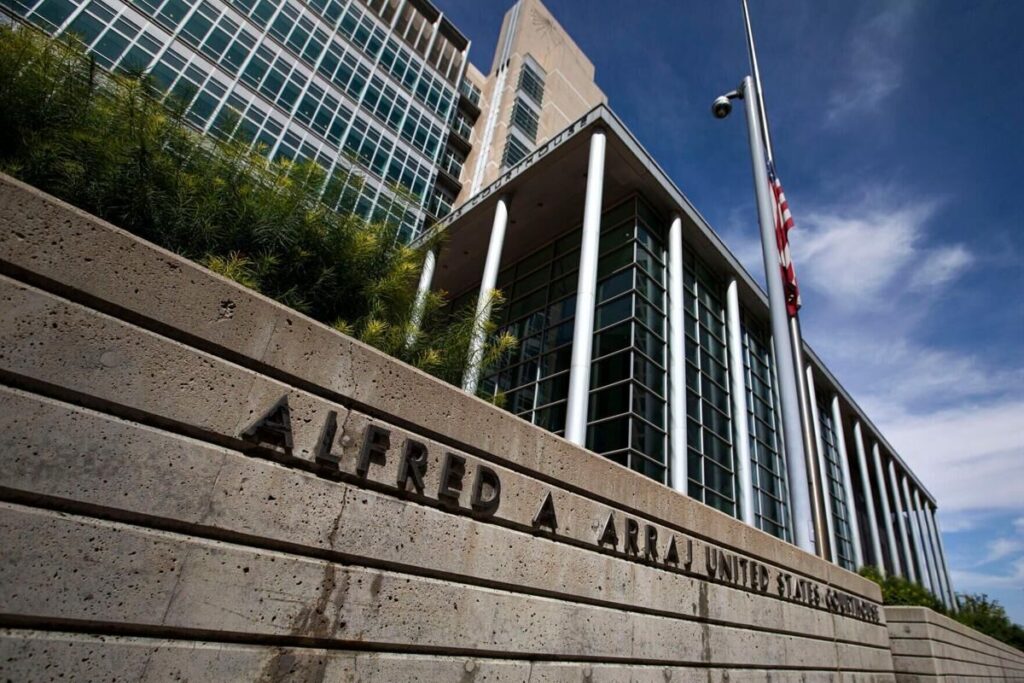
Federal judge directs plaintiff to revise complaint alleging Denver officers’ constitutional violations
Michael Karlik
michael.karlik@coloradopolitics.com
Updated 11 hours ago
A federal judge directed a plaintiff to revise his allegations on Wednesday to more precisely state what two Denver officers and the city itself allegedly did to violate his constitutional rights by facilitating his prosecution for murder until prosecutors dropped...
Federal judge explores new sanctions against ex-Colorado judicial discipline director
Michael Karlik
michael.karlik@coloradopolitics.com
Updated 15 hours ago
A federal judge on Wednesday directed Colorado’s former judicial discipline director, for the third time this year, to explain why she should not sanction him for his latest conduct in his litigation against the state’s judiciary. Christopher S.P. Gregory, who served...
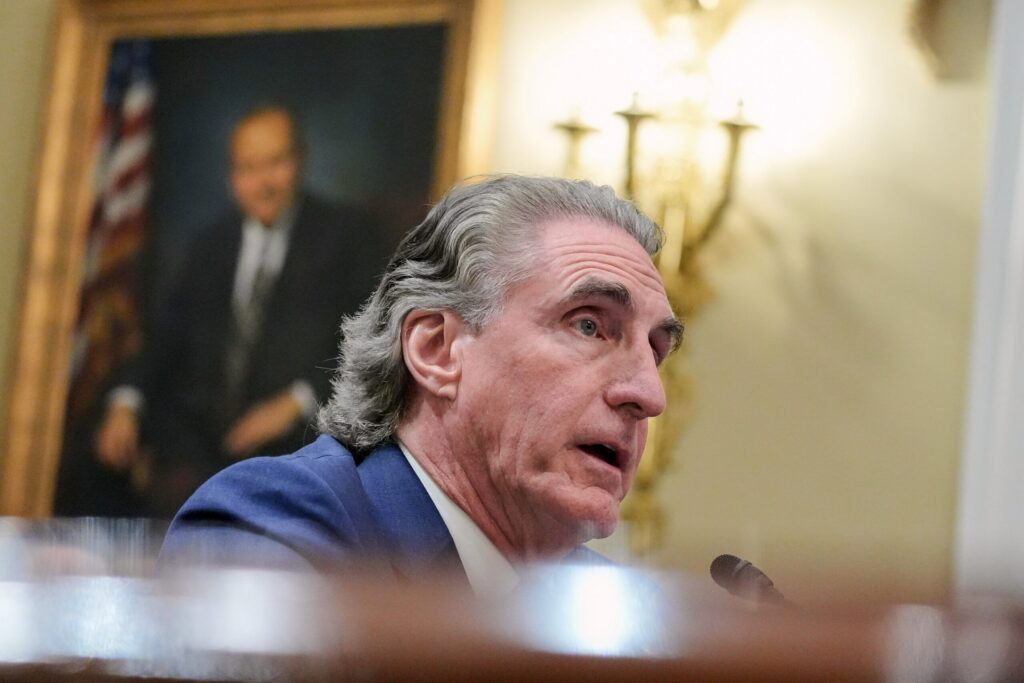
Colorado joins lawsuit challenging changes to Endangered Species Act
Marissa Ventrelli
marissa.ventrelli@coloradopolitics.com
Updated 15 hours ago
Colorado once more joined a coalition of states challenging the Trump administration — this time on proposed rules regarding the Endangered Species Act. The pair of lawsuits challenge new rules made under Interior Secretary Doug Burgum, who earlier said the...
10th Circuit orders second look at immunity for Kiowa County deputy over fatal vehicle crash
Michael Karlik
michael.karlik@coloradopolitics.com
Updated 13 hours ago
The Denver-based federal appeals court directed a trial judge on Tuesday to further analyze whether a Kiowa County deputy and the sheriff’s office may be sued for a fatal vehicle collision. The Colorado Governmental Immunity Act generally shields government entities and public...
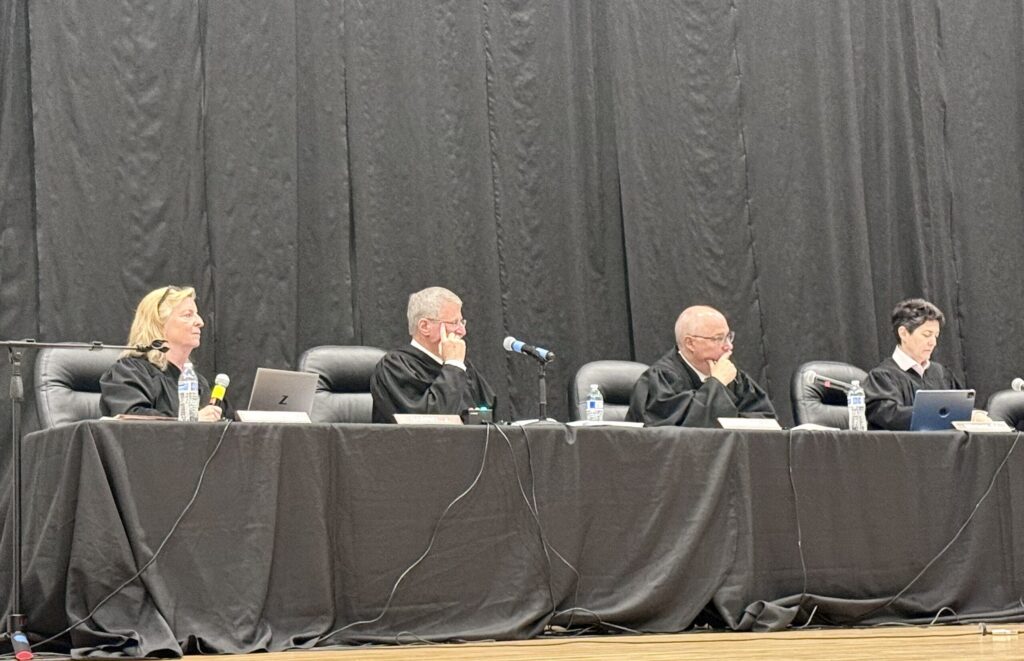
Colorado justices to hear appeal in Kendrick Castillo death lawsuit, ‘fugitive’ rule
Michael Karlik
michael.karlik@coloradopolitics.com
Updated 13 hours ago
The Colorado Supreme Court announced on Tuesday that it will decide whether it was proper to dismiss a lawsuit over the 2019 shooting death of Kendrick Castillo after the defendants paid the maximum amount of damages available to Castillo’s parents,...
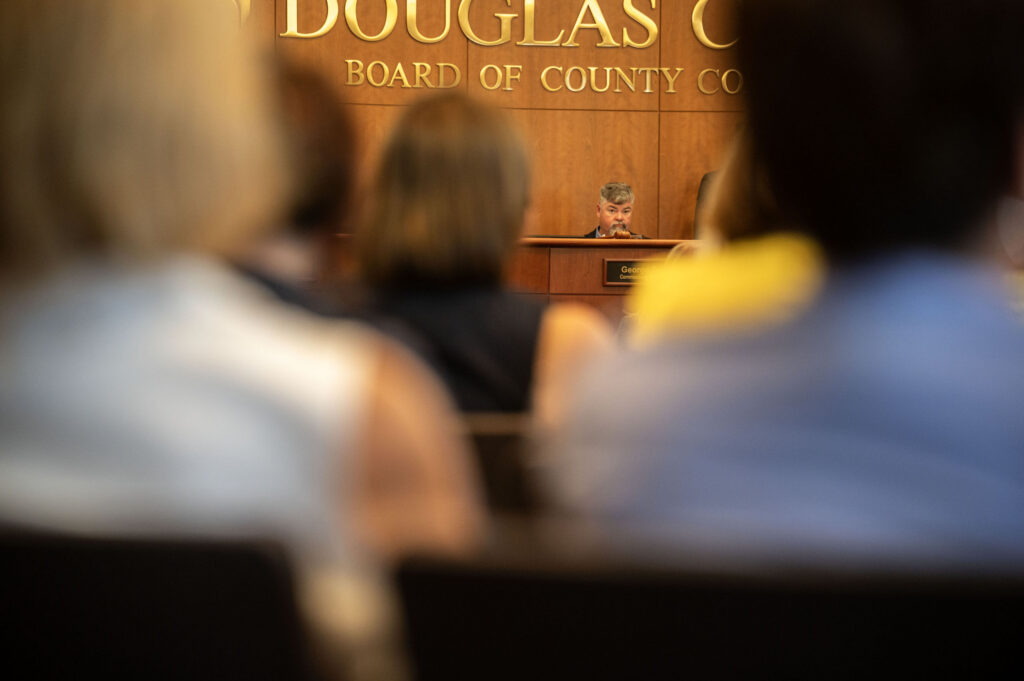
Federal judge dismisses Douglas County’s challenge to collective bargaining law
Nicholas Fogleman
nicholas.fogleman@denvergazette.com
Updated 22 hours ago
A federal judge dismissed claims brought by the Douglas County Board of Commissioners alleging that a state law granting county employees the right to organize and join labor unions violates free speech protections and conflicts with federal labor law. Douglas...

Arapahoe County judge’s frustration with defense lawyer not grounds for new trial
Michael Karlik
michael.karlik@coloradopolitics.com
Updated 2 days ago
Colorado’s second-highest court decided last week that an Arapahoe County judge’s repeated rebukes of a defense attorney and orders to “be quiet” did not rise to the level of bias or a violation of the defendant’s due process rights. A...

Divided appeals court upholds vehicle theft conviction despite unclear origin of car’s value
Michael Karlik
michael.karlik@coloradopolitics.com
Updated 1 day ago
Colorado’s second-highest court upheld a defendant’s conviction for aggravated motor vehicle theft last week, even though it was unclear how the Thornton Police Department estimated the value of the stolen car. Officer Marc Faivre encountered Ashley Shelee Gibbens-Martinez in a...
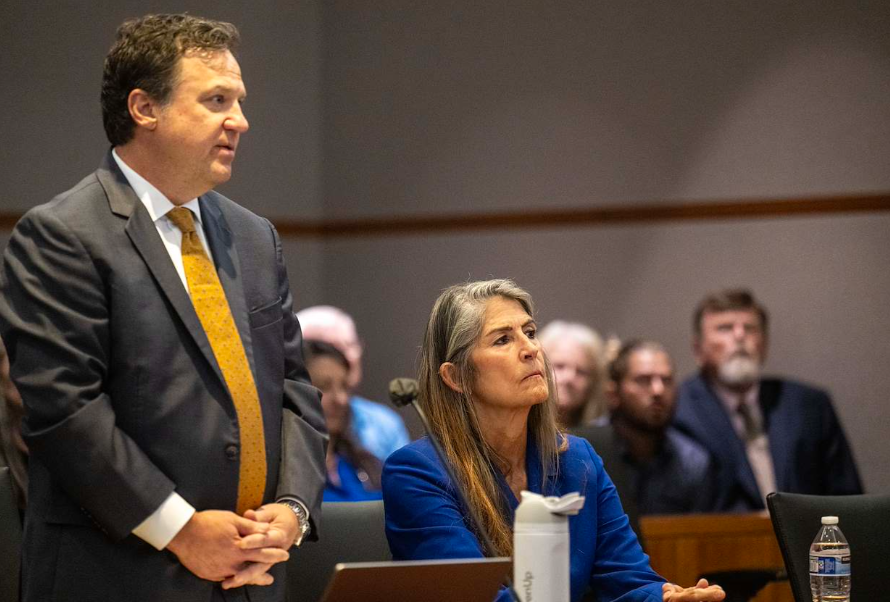
Disgraced ex-CBI analyst Missy Woods sentenced to prison in DNA scandal
Jenny Deam
jenny.deam@gazette.com
Updated 2 days ago
A Jefferson County district court judge on Tuesday sentenced a disgraced former Colorado Bureau of Investigation DNA analyst to a decade in prison for altering and deleting data in scores of criminal cases over several years. Jefferson County District Judge...
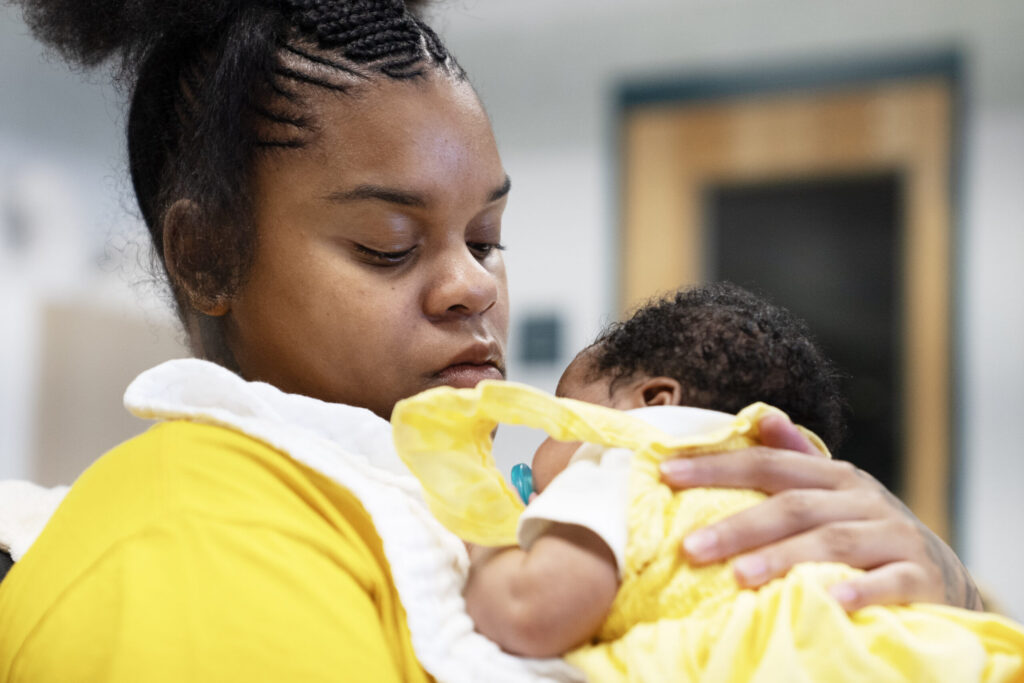
Parenting from prison: Inmates hope to be present in their children’s lives, while physically absent
Marianne Goodland
marianne.goodland@coloradopolitics.com
Updated 2 days ago
The room was decorated with balloons, the tables sparking bright with colors as the smell of pizza and cake wafted through the air. As did music. This was, after all, a father-daughter dance. Except this was not a typical father-daughter...
PREV
PREVIOUS

Attorney leaves RWR project, lawmakers weigh in
Kevin Kinnear, the attorney for Renewable Water Resources, notified Douglas County commissioners last week he is no longer attached to the project. In his March 11 letter to the commissioners, Kinnear said he accepted a full-time mediator job, which begins Monday, March 14. He wrote that he remains firmly in favor of the project, which […]

COURT CRAWL | Donation limits for political candidates under fire, Denver on trial for protest response
Welcome to Court Crawl, Colorado Politics’ roundup of news from the third branch of government. Last week featured two critical matters heard in federal court: Whether Colorado’s campaign contribution limits are unconstitutional, and whether Denver is liable for the force its officers used to respond to the racial justice protests of 2020. How low is […]