

Court grants injunction in Coffman’s lawsuit against Aurora over campaign finance law
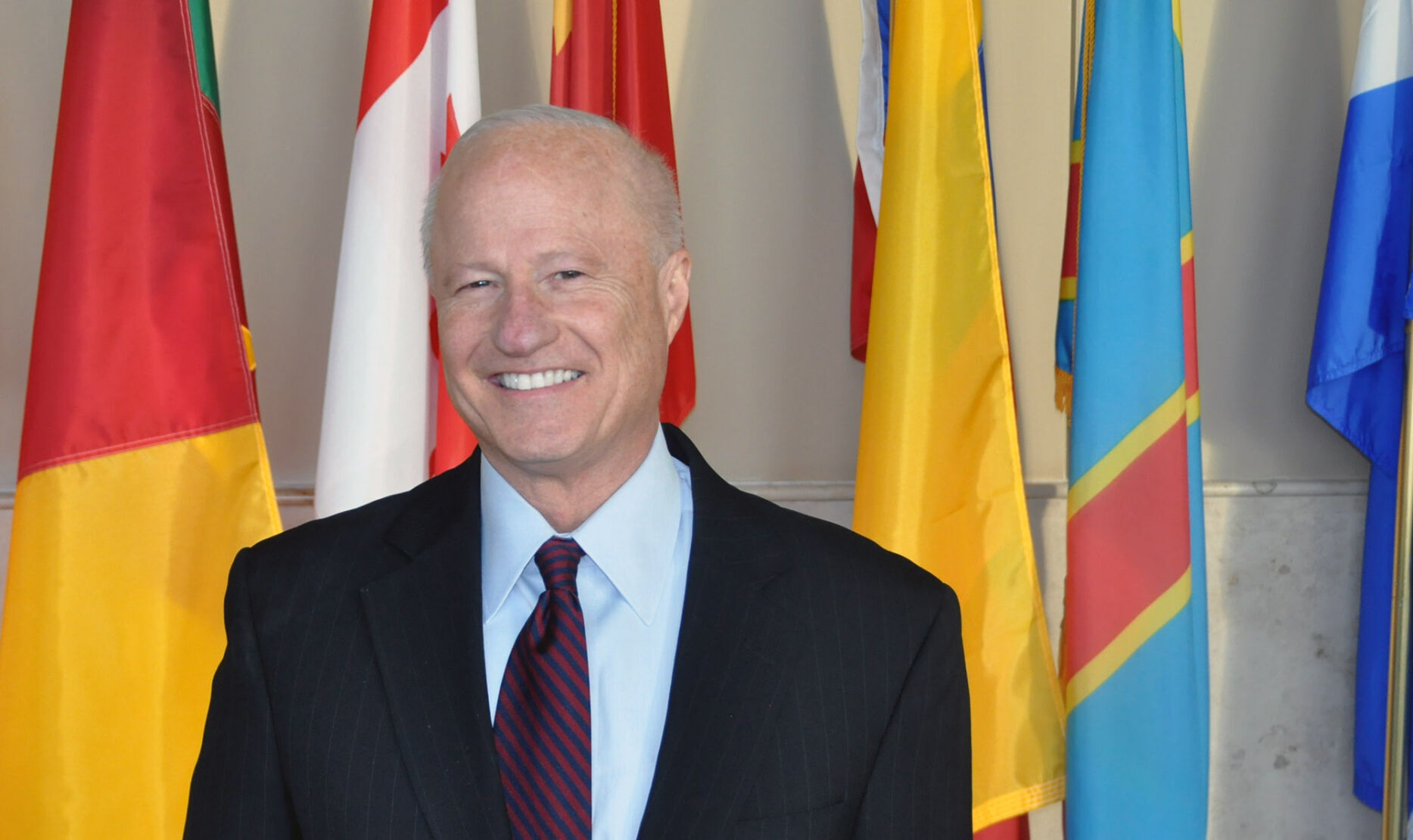
An Arapahoe County District Court judge has granted a preliminary injunction in Aurora Mayor Mike Coffman’s lawsuit against the city, claiming that a new campaign finance law violates his freedom of speech.
The lawsuit alleges the law, passed by the City Council last year, prohibits former and future candidates from pushing for ballot issues or helping other candidates with their campaigns, which Coffman argues is intended to prevent his supporters from mobilizing in support of other candidates.
With this injunction, the city must cease enforcing the new campaign finance law until the lawsuit is resolved. The lawsuit was first filed in March 2021.
“I’m grateful that the court has granted an injunction suspending these rules while our lawsuit to have them declared unconstitutional continues,” Coffman said in a statement. “These extreme rules are designed specifically to deny me the fundamental right to publicly support candidates or ballot initiatives.”
Multiple members of the City Council have publicly dismissed the claim that the new law prevents council members from supporting other campaigns.
After over a year of drafting and community outreach, the City Council passed the campaign finance reform in November 2020 with a 7-3 vote, with only council members Dave Gruber, Marsha Berzins and Francoise Bergan voting no.
Aurora mayor to propose camping ban to address homelessness in city
“This ordinance does not make it illegal for any council members to support or oppose candidates,” said Councilman Juan Marcano, who co-sponsored the ordinance with Mayor Pro Tem Nicole Johnston, in March.
“I find it interesting that the only parts of the law that he is attacking are coordinating with/disclosing dark money.”
The law’s main focus was limiting donations from individuals and committees to $1,000 in at-large and mayor races and $400 for City Council wards. It also bans contributions from “artificial persons” and increases transparency of donations and enforcement of regulations.
Before the law went into effect on Jan. 1, Aurora imposed no limits on donations to candidates. Because of this, city elections had become increasingly expensive.
The 2019 mayoral race in which Coffman was elected was the most expensive election in the city’s history, reaching $1 million in fundraising nearly a month before the election.
Two weeks before the election, Coffman received $50,000 in a single finance disclosure period. Some of his contributions included $5,000 from oil and gas operator Benson Mineral Group and $2,500 from real estate mogul Larry Mizel.
Only one Aurora City Council member signed up to defend their open seat in November
In his lawsuit, Coffman alleges that the law’s restrictions were specifically targeted at him.
“I agree with the contribution limits placed on candidates,” Coffman said. “But under the cover of campaign finance reform, the sponsors of this proposal … have blatantly violated both the Colorado and U.S. constitutions by inserting unrelated provisions designed to silence me.”
Prior to its passing, Coffman issued a competing finance reform plan that was killed at vote in October. Coffman’s plan had similar donation limits but significantly lower violation fees, with a $100-per-day fee compared to Johnston’s and Marcano’s fee of $500 to $1,000 per day.
Johnston’s and Marcano’s ordinance also threatens anyone intentionally violating finance requirements with a fine of $10,000 or three times the contribution, whatever is greater.
The ordinance was one of five campaign finance reforms passed in Colorado in the past three years, including Denver’s 2018 Fair Elections Act and similar 2019 reforms in Lakewood.
The ordinance was endorsed by organizations including CleanSlateNow Action, PDA Colorado, Our Revolution Metro Denver, Colorado Working Families Party, Colorado Common Cause, DSA Colorado, Indivisible CD6, The Campaign Legal Center and Democracy Enter Colorado.

Colorado’s Western Slope magistrate judges describe unique role in federal judiciary
Michael Karlik
michael.karlik@coloradopolitics.com
Updated 6 hours ago
Two of Colorado’s federal judges stationed on the Western Slope spoke to lawyers on Wednesday about their unique roles, the ways their workloads differ, and the need for more criminal defense lawyers to take cases outside the Front Range. “Here...
Federal judge rules that request for bond hearing not necessary to challenge immigration detention
Michael Karlik
michael.karlik@coloradopolitics.com
Updated 7 hours ago
A federal judge in Colorado ruled last week that it is not mandatory for a person to seek a bond hearing with an immigration judge before they challenge the lawfulness of their detention in federal court. For the past year,...
Boulder Valley School District introduces new policies following antisemitism lawsuit
Marissa Ventrelli
marissa.ventrelli@coloradopolitics.com
Updated 9 hours ago
The chief of Boulder Valley School unveiled new policies for the 2026-2027 school year following a lawsuit filed on behalf of a student alleging antisemitic harassment. In June, the Anti-Defamation League filed a federal civil rights complaint against the school...

Colorado NRA chapter seeks injunction against new gun‑training requirement
Marissa Ventrelli
marissa.ventrelli@coloradopolitics.com
Updated 8 hours ago
The Colorado chapter of the National Rifle Association is seeking an injunction to stop the state from enforcing a new law that took effect earlier this month. The new law requires anyone buying or selling certain firearms to first complete...
Denver moves to dismiss Trump challenge to ‘assault-style’ weapons ban
Deborah Grigsby
deborah.smith@denvergazette.com
Updated 8 hours ago
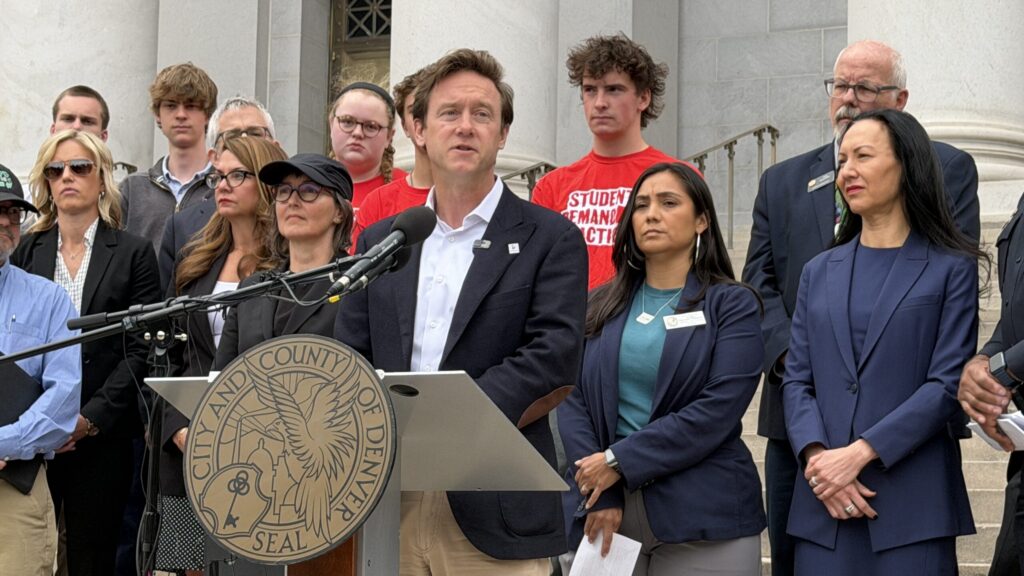
Denver has filed a motion to dismiss a lawsuit brought by the Trump administration challenging the city’s ban on “assault-style” weapons and magazines exceeding a 15-round capacity. The U.S. Department of Justice filed a suit in federal court in May,...
Federal judge dismisses ex-Colorado judicial discipline director’s conspiracy lawsuit
Michael Karlik
michael.karlik@coloradopolitics.com
Updated 1 day ago
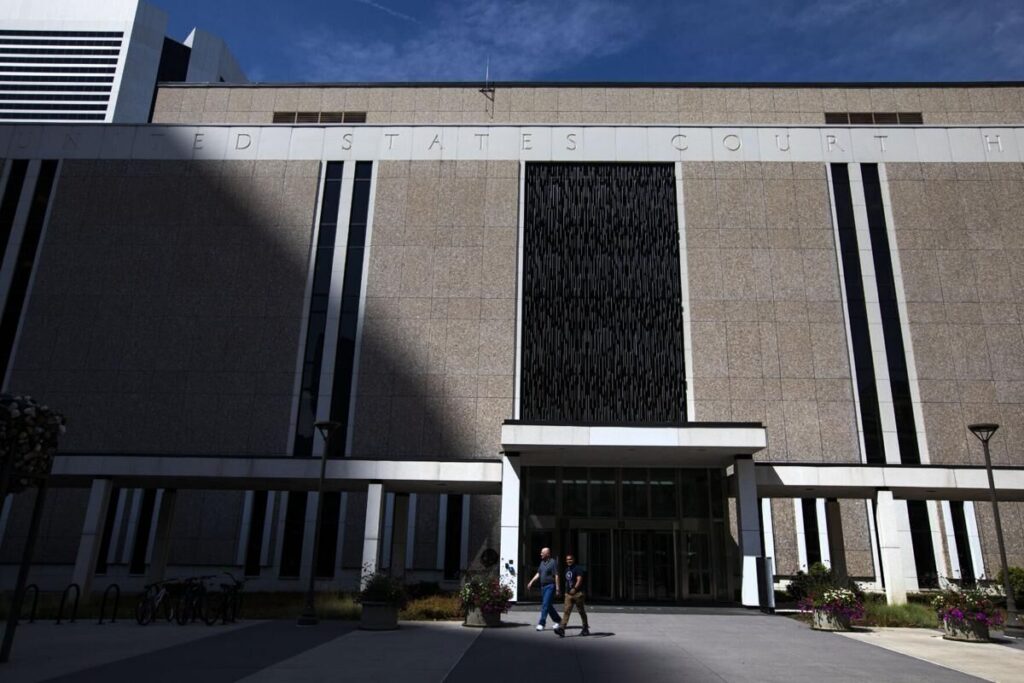
A federal judge dismissed a lawsuit from Colorado’s former judicial discipline director on Tuesday, finding that he failed to adequately state claims for conspiracy or constitutional violations. Christopher S.P. Gregory, who served as the executive director of the Colorado Commission on Judicial...
Federal judge allows retaliation claims to proceed against prison officials
Michael Karlik
michael.karlik@coloradopolitics.com
Updated 8 hours ago
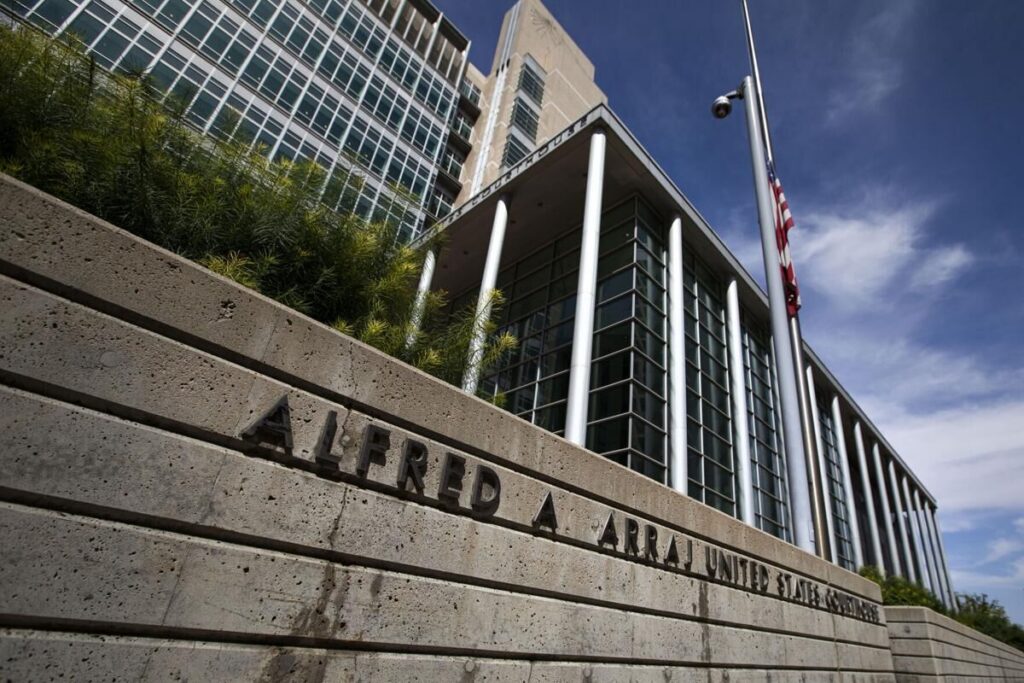
A federal judge agreed last week that a man incarcerated at Sterling Correctional Facility had credibly alleged that employees retaliated against him for filing grievances, including by taking away his disability accommodations and turning off his electricity. Louis Peoples Jr.,...
U.S. Rep. Lauren Boebert’s son arrested, faces charges of sexual exploitation of minor
Matt Kyle
matt.kyle@denvergazette.com
Updated 2 days ago
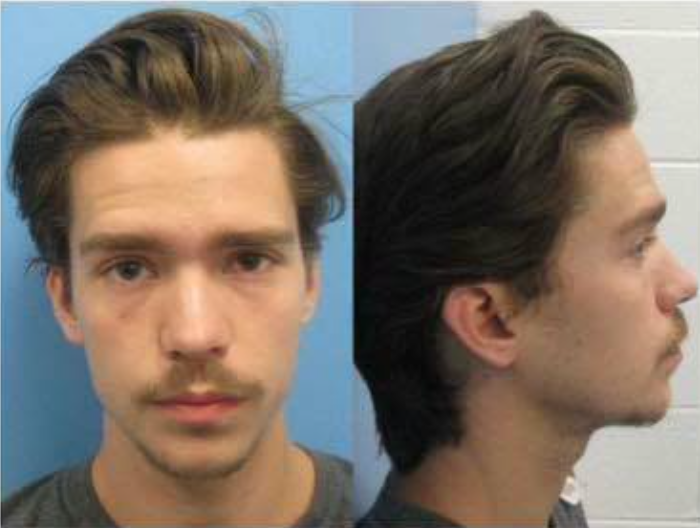
U.S. Rep. Lauren Boebert’s son Tyler Jay Boebert has been arrested and accused of recording and sharing a video depicting himself having intercourse with a minor, according to court records. The case originated in Garfield County in Western Colorado and...
Adams County water district may proceed with cost-recovery lawsuit against Denver for contamination
Michael Karlik
michael.karlik@coloradopolitics.com
Updated 2 days ago
A federal judge rejected Denver’s arguments last week for pausing or dismissing a lawsuit brought by an Adams County special district seeking to recover its costs for addressing water contamination as a result of Denver firefighting activities. In January, the...
Federal judge declines to dismiss First Amendment retaliation claim against prison official
Michael Karlik
michael.karlik@coloradopolitics.com
Updated 2 days ago
A federal judge agreed last month that an incarcerated Native American woman may pursue her claim of First Amendment retaliation against a prison official who allegedly interfered with her religious exercise. Yvonne Peterson resided at Buena Vista Correctional Facility for...
PREV
PREVIOUS

COURT CRAWL | Appeals courts reverse multiple Arapahoe County convictions
Welcome to Court Crawl, Colorado Politics’ roundup of news from the third branch of government. The state Supreme Court issued a key decision involving the state’s obligation to children who are eligible members of an Indian tribe, and appellate courts reversed several convictions out of Arapahoe County. What is Colorado’s obligation to Indigenous children? ? The […]

Bill to eliminate trial backlog runs into staunch opposition from public defenders
Criminal jury trials largely ceased in Colorado during the COVID-19 pandemic as in-person gatherings posed a risk to public health. During that time, prosecutors cut generous plea deals, dismissed charges or sought to extend defendants’ trial dates. Those facts are undisputed. But just like in a courtroom itself, prosecutors and defense attorneys are now claiming […]