

State closes $50 million deal for Denver’s Burnham Yard for rail and redevelopment
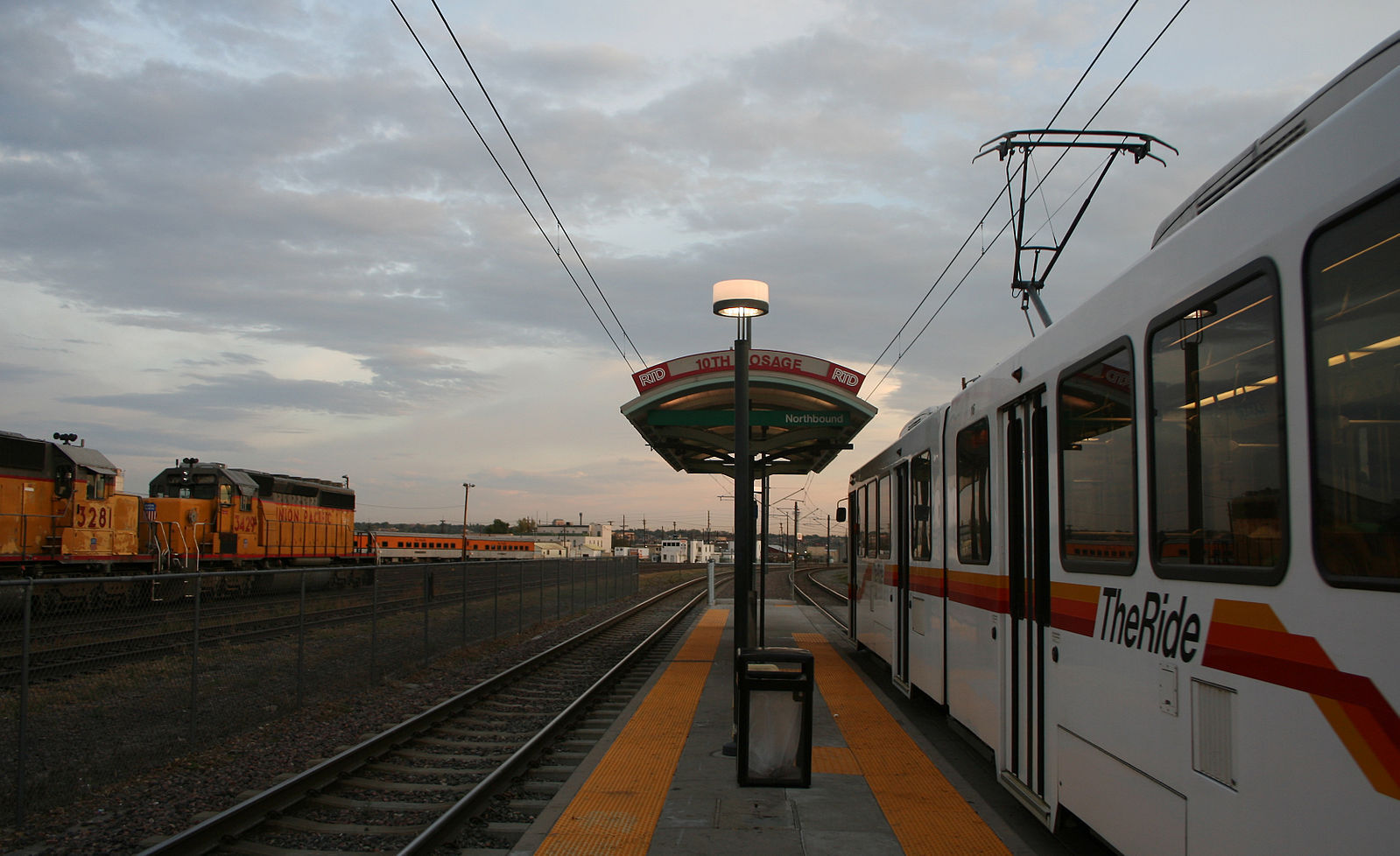
The Colorado Department of Transportation closed a $50 millioin deal with the Union Pacific Railroad to buy the 58-acre Burnham Yard in central Denver.
About 17 acres of the rail yard will accommodate improvements on adjoining Interstate 25, while also preserving right of way for light rail and, someday possible possibly Front Range commuter rail.
State and Denver planning officials will collect community input before deciding how to use the rest of the parcel, which is zoned for industrial uses.
“Burnham Yard is a transformational transit property for our state and can help Colorado meet our goals for making housing more affordable, commutes shorter and our air cleaner,” Gov. Jared Polis said in a statement Wednesday evening.
The yard in the Lincoln Park neighborhood near Interstate 25 and the South Platte River from Fourth to 13th avenues, dates back to 1871 to serve the fast-growing Denver & Rio Grande Railroad. Union Pacific closed it in 2016.
Historic Denver released a research report on the prooerty, which is available by clicking here.
“The six surviving historic buildings and three historic site features at Burnham Yards, and their associated relationships, create a highly unusual and significant surviving industrial historic district in Denver,” the report states. “The six contributing railroad buildings date from 1901 to 1943, with additions through 1965, and were built foremost as utilitarian industrial facilities to house the bustling activities of the (railroad’s) operations.
“The size and height of the 1901 Coach Shop, the 1924 Steel Car Shop, and enormous 1924 Backshop all reflect their uses to construct, repair, and maintain massive railroad equipment. All six buildings were designed and built with durable materials and occasional flourishes of bricklayers’ art.”
The state is putting down $15 million and borrowing the rest of the $50 million price.
The High Performance Transportation Enterprise, the state-owned entity that operates the state’s express lanes, had hoped to buy the property since 2019, but saw its income shrink with the pandemic. The Office of Economic Development and International Trade is splitting the down payment, and the state is borrowing the rest.
“This purchase represents a down payment on a multimodal, sustainable transportation future along the Front Range,” state highway director Shoshana Lew said. “This strategically located parcel is important for both transportation and economic development, which is why multiple agencies including CDOT and OEDIT have worked together on its purchase.”
She said CDOT looked forward to partnering with others, including the city and county of Denver, “as we develop a shared vision of this area.”
OEDIT executive director Patrick Meyers called the investment in infrastructure “an investment in Colorado’s economic prosperity.”
He added, “We are pleased that we can help make this development possible.”

Colorado, Utah mourn after 3 firefighters killed in wildfires
Nicholas Fogleman
nicholas.fogleman@denvergazette.com
Updated 28 minutes ago
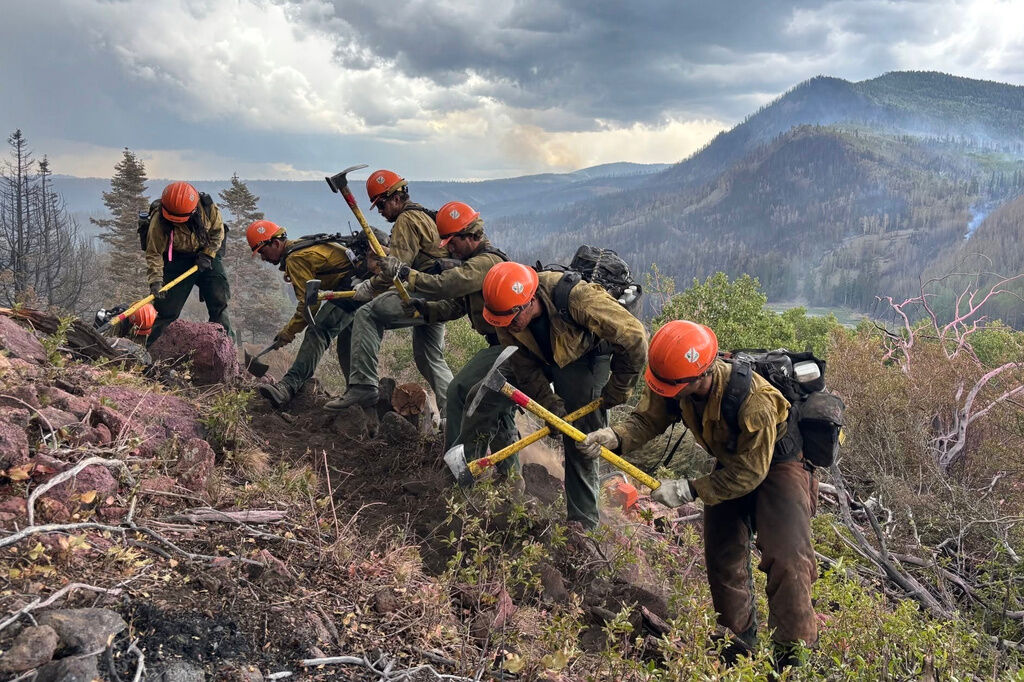
Gov. Jared Polis on Sunday mourned the deaths of three firefighters killed while battling a wildfire on the Colorado-Utah border, calling the loss a tragedy for the state and the firefighting community. The firefighters died Saturday while responding to a...
Heat, wind and drought conditions spark wildfires across US West | OUT WEST ROUNDUP
Ernest Luning
ernest.luning@coloradopolitics.com
Updated 10 hours ago
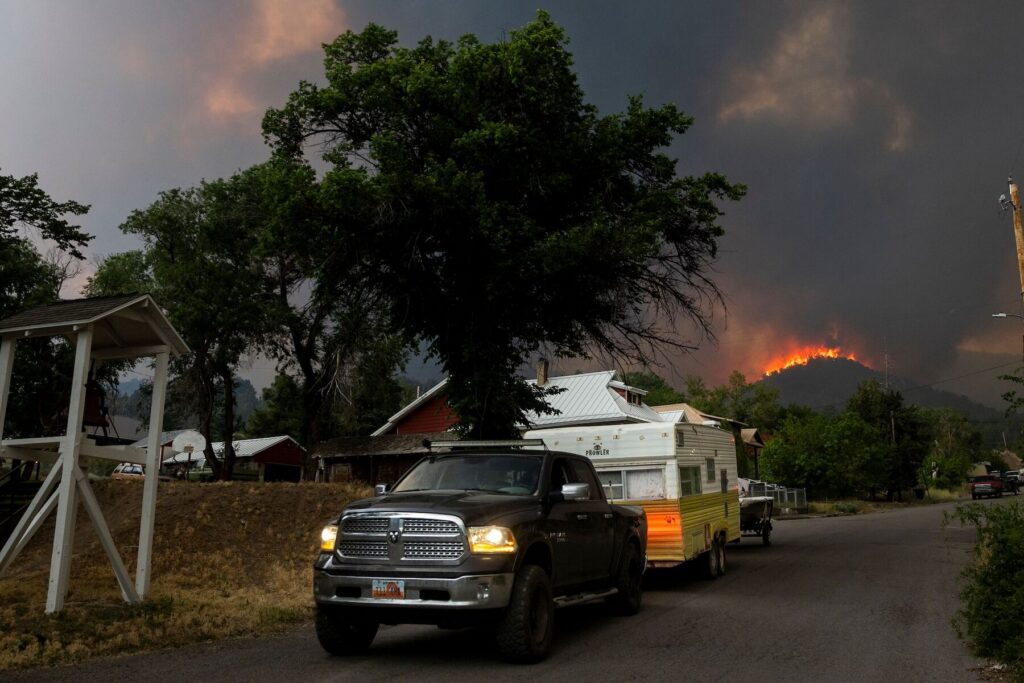
Heat, drought spark wildfires Extreme heat and dry, windy conditions fueled several wildfires in the West on June 21, including an uncontained blaze in Utah that forced the evacuation of a small town southwest of Salt Lake City. The Iron...

Read Michener’s ‘Centennial’ | Jon Caldara
Jon Caldara
jon-caldara@coloradopolitics.com
Updated 3 days ago
If you’ve been reading my columns, you’ve noticed I’m basically illiterate. I blame my dyslexia and public education, but my Olympic-level laziness could be the driving factor. Anyway, I basically can’t read (and, still, I graduated from CU Boulder, so...
Crank challenger Jessica Killin signs on to new centrist Democratic group’s ‘Promise to America’
Ernest Luning
ernest.luning@coloradopolitics.com
Updated 7 hours ago
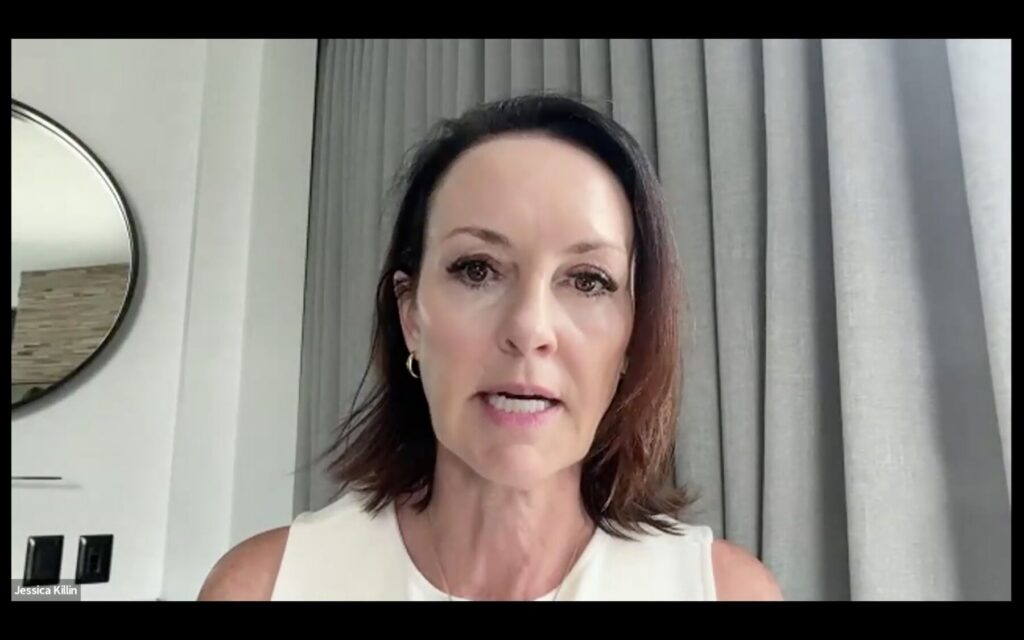
Jessica Killin, one of the Democrats running in Tuesday’s primary for the chance to challenge U.S. Rep. Jeff Crank in Colorado’s 5th Congressional District, joined with more than a dozen incumbent Democratic lawmakers and candidates this week signing on to...

Colorado Politics Calendar June 29-July 5
Rachael Wright, Special to Colorado Politics
rachael.wright@coloradopolitics.com
Updated 4 days ago
CoPo’s weekly political calendar will help you find political and public-policy events throughout Colorado. It includes candidate and issue campaign events, public policy meetings, court hearings, state and local party conventions, assemblies, debates, rallies, parades, speaking engagements, traveling dignitary appearances,...
Gov. Lamm’s GOP challenger gives insights into his campaign | A LOOK BACK
Rachael Wright, Special to Colorado Politics
rachael.wright@coloradopolitics.com
Updated 4 days ago
Forty-five years ago this week: “I see Gov. (Richard) Lamm is fairly popular in general,” said gubernatorial candidate and state Sen. Bill Hughes, R-Colorado Springs. “ … And he’ll be hard to beat.” Hughes was on a whirlwind campaign trail...
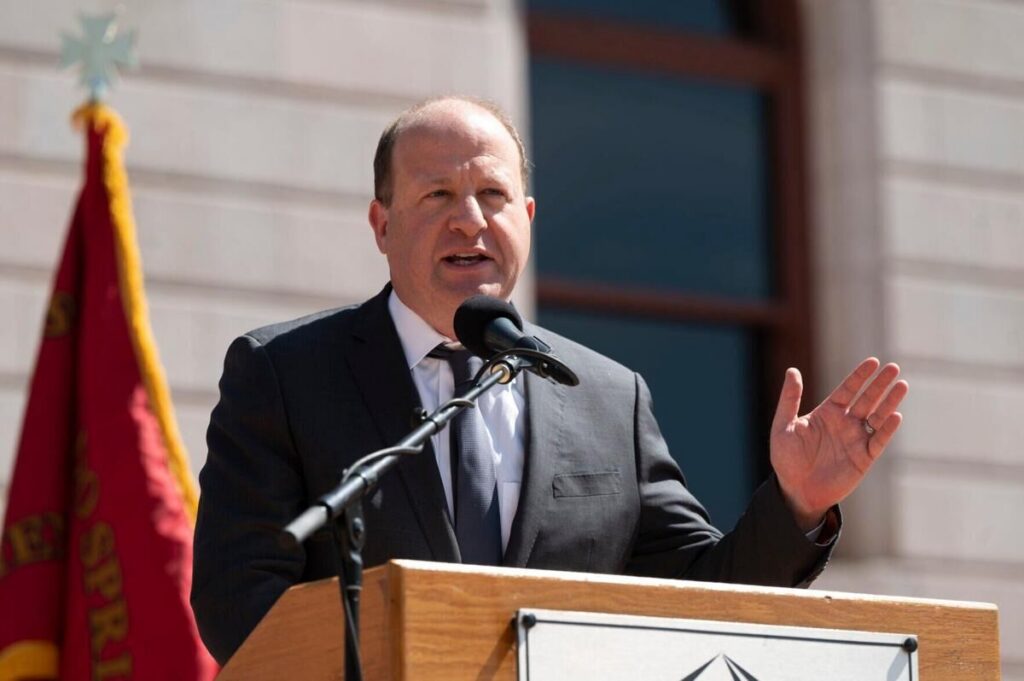
Giving credit to Polis where credit is due | SONDERMANN
Eric Sondermann
eric-sondermann@coloradopolitics.com
Updated 4 days ago
It is an understatement to suggest that Gov. Jared Polis has had a tough couple of months. The bloom was already off the rose and Coloradans were paying far more attention to the choice of his replacement than they were...
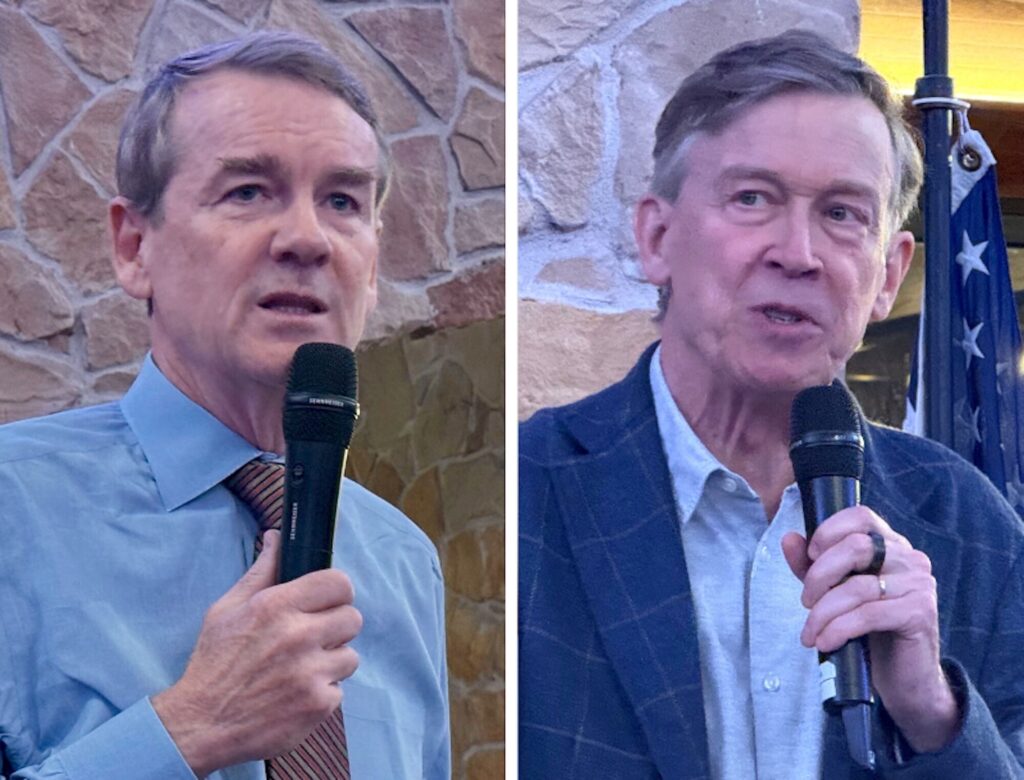
Bennet, Hickenlooper to vote against Trump’s 10th Circuit nominee from Colorado
Michael Karlik
michael.karlik@coloradopolitics.com
Updated 1 day ago
Colorado’s two Democratic senators will not vote to confirm President Donald Trump’s nominee to a vacancy on the Denver-based federal appeals court. Trump has selected U.S. District Court Chief Judge Daniel D. Domenico, who he appointed as a federal trial...
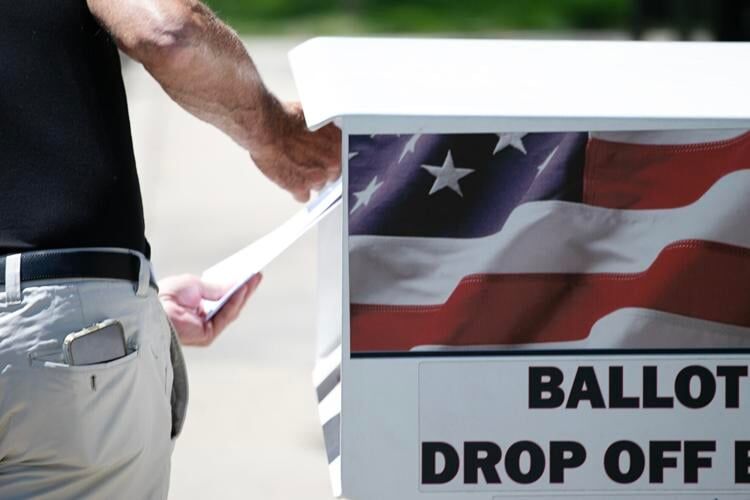
Who’s spending in Colorado to get your vote?
Marianne Goodland
marianne.goodland@coloradopolitics.com
Updated 1 day ago
Groups that raise unlimited amounts of money have spent about $20 million in May and June to try and influence Colorado voters’ choices in the upcoming June 30 primaries. By law, these groups cannot coordinate with the candidates they support....
U.S. government declines to oppose multiple challenges to immigration detention in Colorado
Michael Karlik
michael.karlik@coloradopolitics.com
Updated 2 days ago
Multiple federal judges in Colorado granted petitions from people challenging the lawfulness of their immigration detention this week after the government took the unusual step of declining to submit arguments in opposition. Colorado’s federal trial court is facing a flood of...