

House gives final approval to own bills, preliminary approval to Senate legislation
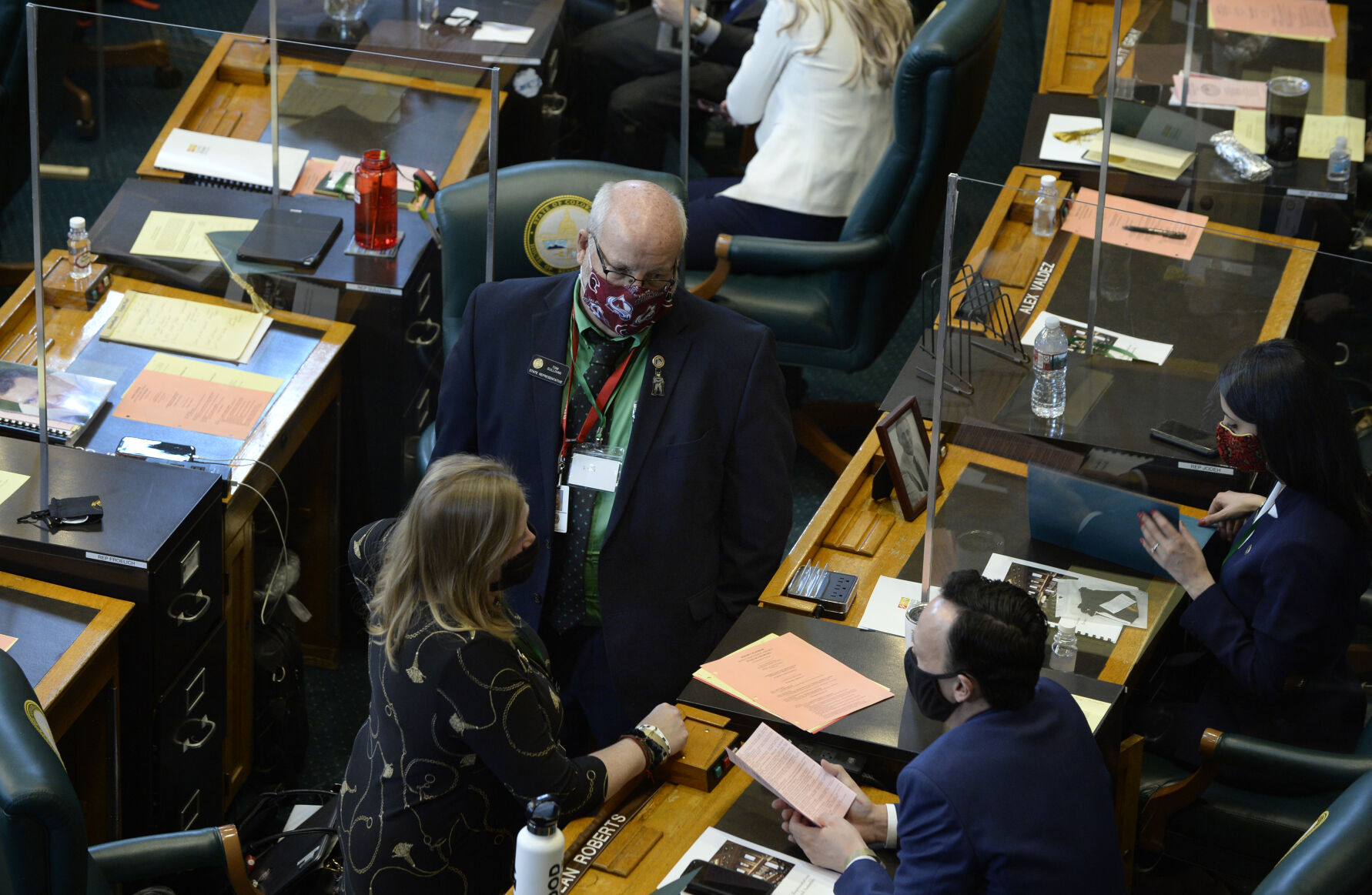
The Colorado House of Representatives quickly approved four of its own bills and three of the Senate’s on Thursday, speeding along multiple measures to correct and adjust laws previously passed before lawmakers head home for a month starting Friday.
In the morning, the House by wide margins gave final approval to two pieces of legislation, House Bill 1001 to allow remote participation for political parties’ central committee and vacancy committee meetings, and House Bill 1004, establishing a process for electronically executing a will.
House Bill 1002, which would reduce state revenue by restoring business tax deductions, passed by a vote of 44-20, with Rep. Adrienne Benavidez of Denver being the lone Democrat to vote against and four Republicans voting in support. House Bill 1003 gives the legislature the ability to conduct departmental accountability hearings, known as SMART Act meetings, remotely during a public health emergency, as well as allows lawmakers to participate electronically in other proceedings.
That legislation passed on a party-line vote of 41-23. First-term Rep. Ron Hanks, R-Penrose, was marked as excused and did not cast any votes.
House members then gave preliminary approval to three items that originated in the Senate on Wednesday. Senate Bill 1 modifies legislation previously passed in the extraordinary session of late 2020 by extending the time for the state and local governments to distribute COVID-19 relief money to businesses and also by removing exclusively race-based criteria and broadening eligibility for $4 million of the aid.
Senate Bill 2 will extend by 120 days a moratorium on extraordinary debt collection measures, which are defined as garnishment or other methods of pursuing a court-approved collection. The bill will cost the state approximately $1.1 million, according to a financial analysis, based on an estimated drop in legal filings and garnishments.
Supporters testified in the Finance Committee about the need to protect federal relief payments to individuals from seizure, and the potential for a flood of court filings at a time of economic uncertainty without the extension. A survey by the Bureau of Labor Statistics found that 25% of people who received the previous federal payments of $1,200 intended to use the money to pay down debt.
The bill passed out of the committee by a vote of 9-2, with Reps. Stephanie Luck, R-Penrose, and Shane Sandridge, R-Colorado Springs, in opposition.
Finally, the House approved Senate Bill 3, which reinstates the Occupational Therapy Practice Act. The law regulating occupational therapists inadvertently expired in the last legislative session, and the Senate killed an attempted fix during the special session last year.
“Occupational therapy helps you be independent,” Rep. David Ortiz, D-Littleton, who uses a wheelchair due to an injury from his service in the U.S. Army, told the Finance Committee. “You don’t go from being a hard-charging aviator that runs five-minute miles, flying helicopters, to then not being able to sit up in bed even on your own power, to then becoming an advocate and lobbyist for veterans and a representative without strong support from your occupational therapist.”
Proceedings on Thursday differed substantially from the prior day, when House Republicans stretched a debate about rules to roughly five hours before committees could take up legislation. The House will take recorded votes on the Senate legislation on Friday, as well as consider any Senate amendments to its original bills.
In other business, Rep. Richard Holtorf, R-Akron, announced that he was helping to organize a tour of rural Colorado with a goal of closing the “urban-rural divide,” something he speaks about frequently. Holtorf consulted with the chair of the agriculture committee, Rep. Jeni James Arndt, D-Fort Collins, before making the announcement about the late winter or early spring event.
“I have been told I need to work on my demeanor and my bipartisanship, and I’m listening,” he observed.
Editor’s note: This article has been updated to clarify the minority business aid in Senate Bill 1.

Regulators seek public input for massive Montana-Wyoming oil pipeline proposal | OUT WEST ROUNDUP
The Associated Press
the-associated-press@coloradopolitics.com
Updated 6 days ago
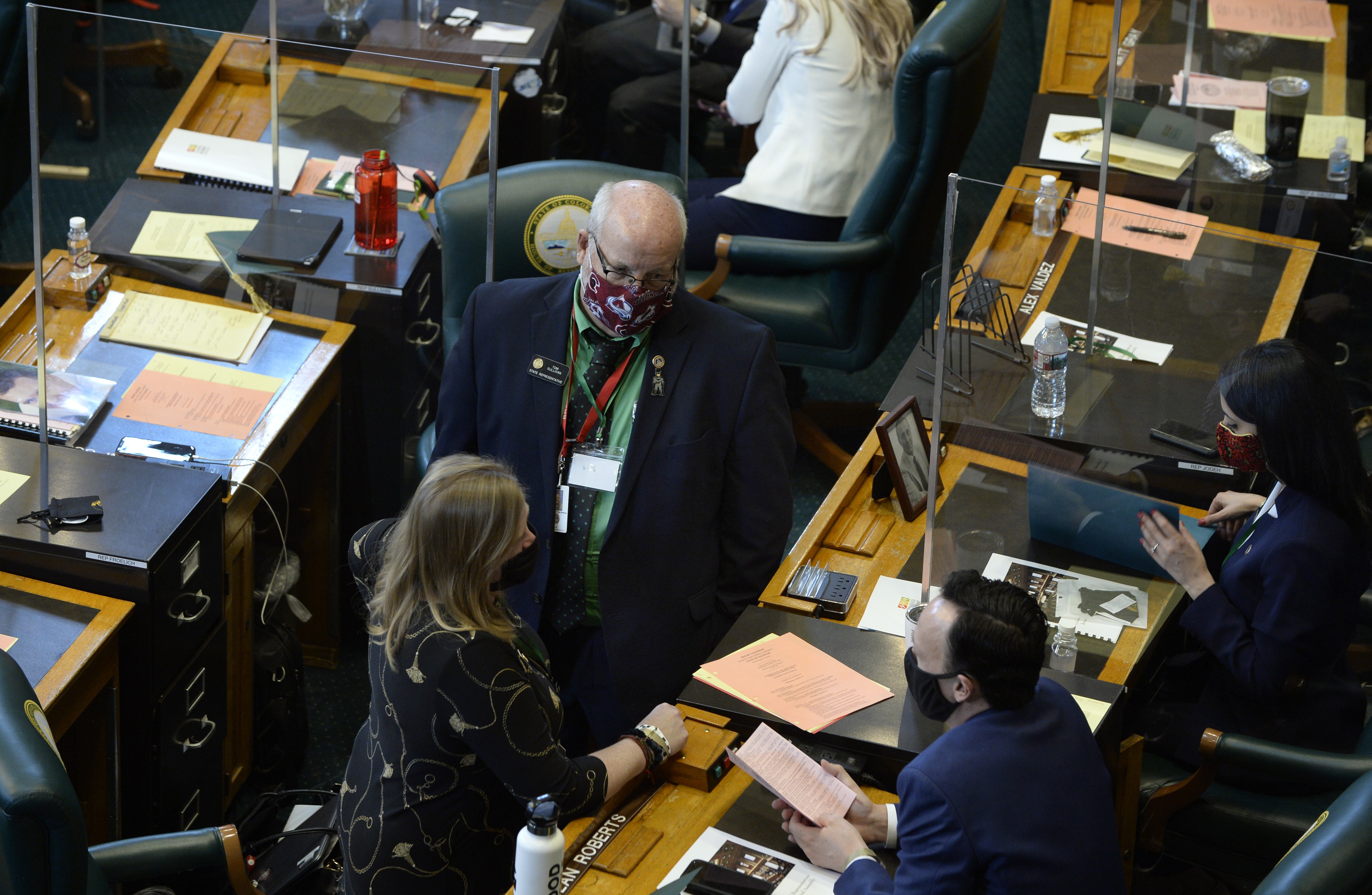
WYOMING Massive oil pipeline proposed State and federal officials are seeking public comment on the proposed Bridger Pipeline Expansion project to carry Canadian crude from the border in Phillips County, Montana, to a terminal near Guernsey in Wyoming. The massive...

Mysterious letter causes uproar, investigation in Mesa County GOP | A LOOK BACK
Rachael Wright, Special to Colorado Politics
rachael.wright@coloradopolitics.com
Updated 4 days ago
Twenty Years Ago This Week: An unregistered activist group calling themselves ‘The Colorado Republican Caucus’ mailed letters to at least 160 Republicans in Mesa County calling various Grand Junction Republicans “turncoats” and “traitors.” “The danger was that the letters were...

Colorado Politics Calendar Apr. 20-26
Rachael Wright, Special to Colorado Politics
rachael.wright@coloradopolitics.com
Updated 4 days ago
CoPo’s weekly political calendar helps you find political and public policy events throughout Colorado. It includes candidate and issue campaign events, public policy meetings, court hearings, state and local party conventions, assemblies, debates, rallies, parades, speaking engagements, traveling dignitary appearances,...
A happier budget week | Capitol M | Week of April 18, 2026
Marianne Goodland
marianne.goodland@coloradopolitics.com
Updated 3 days ago
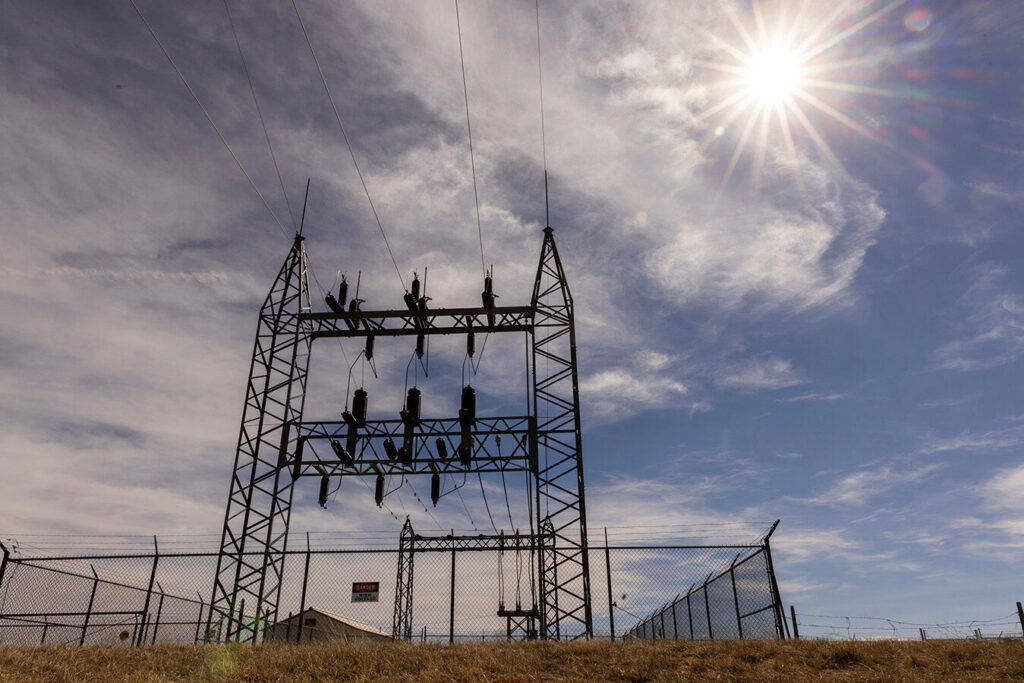
It’s budget time at the state Capitol, and generally, it’s a humorless situation. It certainly was that way in the House last week, with a 15-hour reading of the long bill at 661 pages that resulted in lawmakers having to...

Colorado lawmakers advance bill to tackle Colorado’s prison capacity issues
Marianne Goodland
marianne.goodland@coloradopolitics.com
Updated 2 days ago
As lawmakers move the 2026–27 state budget toward completion, they are intensifying efforts to address overcrowding and capacity challenges within the Department of Corrections and related agencies—issues that have contributed to increased spending in the budget. The state Senate on...
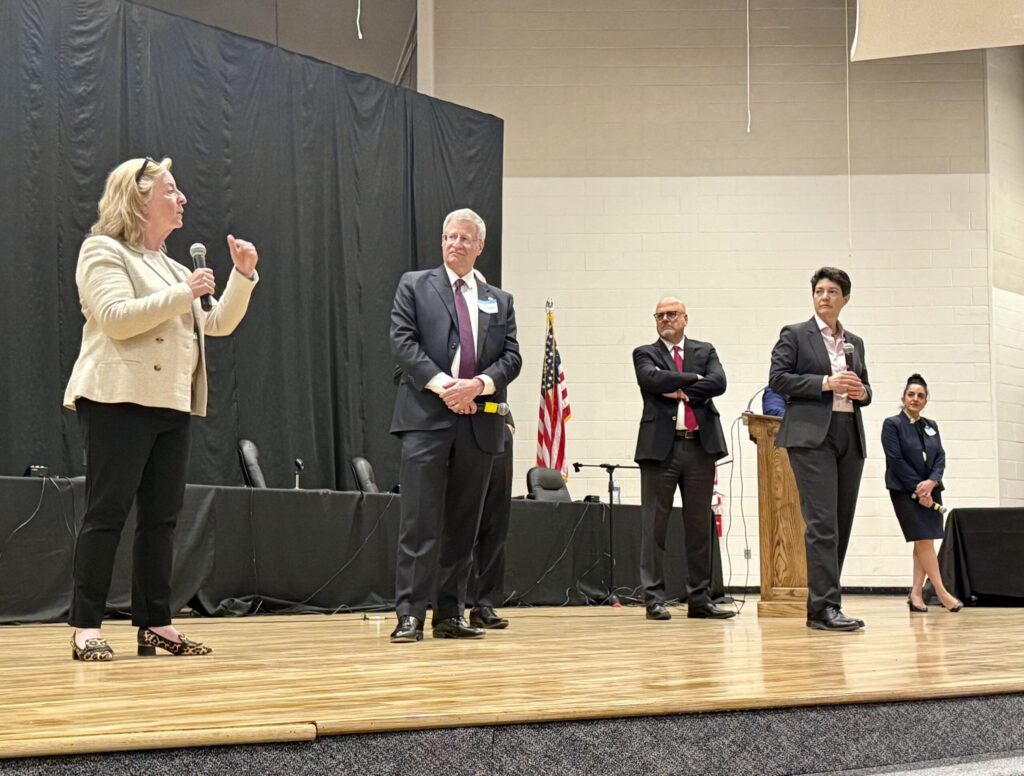
Colorado justices, lawyers speak with rural students through outreach program
Michael Karlik
michael.karlik@coloradopolitics.com
Updated 19 hours ago
Members of the Colorado Supreme Court appeared before students from eight rural schools on Thursday to hear a pair of cases, field questions, and mark the first time the state’s newest justice participated in the long-running program. “I had such...
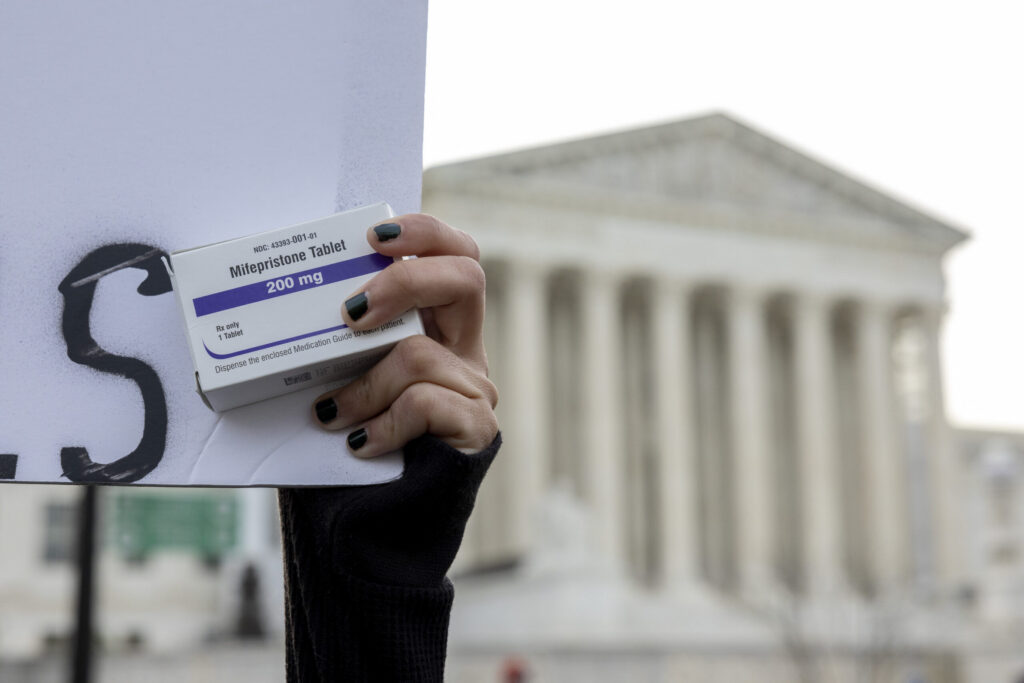
Democrats want Colorado colleges to provide medication abortion
Marissa Ventrelli
marissa.ventrelli@coloradopolitics.com
Updated 2 days ago
A bill proposing to require Colorado colleges and universities to provide abortion medication services cleared a legislative committee on Thursday. Advocates said the measure — which exempts religious-based institutions but applies to public, private, and community colleges — will improve...

Trump ‘in discussions’ with IRS to cut deal in tax record lawsuit
Brady Knox, Washington Examiner
brady.knox.washington.examiner@gazetteedit.wpenginepowered.com
Updated 2 days ago
President Donald Trump is in talks with the Internal Revenue Service to strike a deal over the release of his tax records. The news was revealed in a legal filing, where his legal team said they were in “discussions” with...
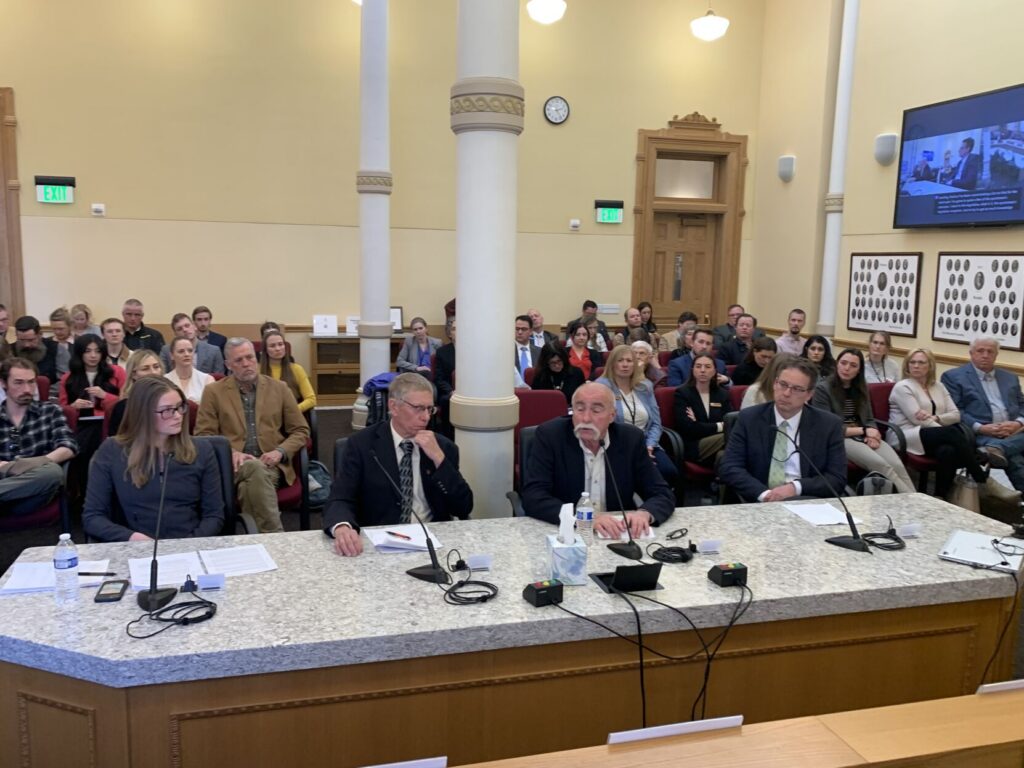
Governor’s wildlife commission picks face pushback ahead of Colorado Senate hearing
Marianne Goodland
marianne.goodland@coloradopolitics.com
Updated 2 days ago
Colorado’s largest coalition of hunters, anglers, and wildlife conservation groups is urging state lawmakers to reject two of Gov. Jared Polis’ latest nominees to the Colorado Parks and Wildlife Commission, setting up a contentious confirmation hearing before the Senate Agriculture...
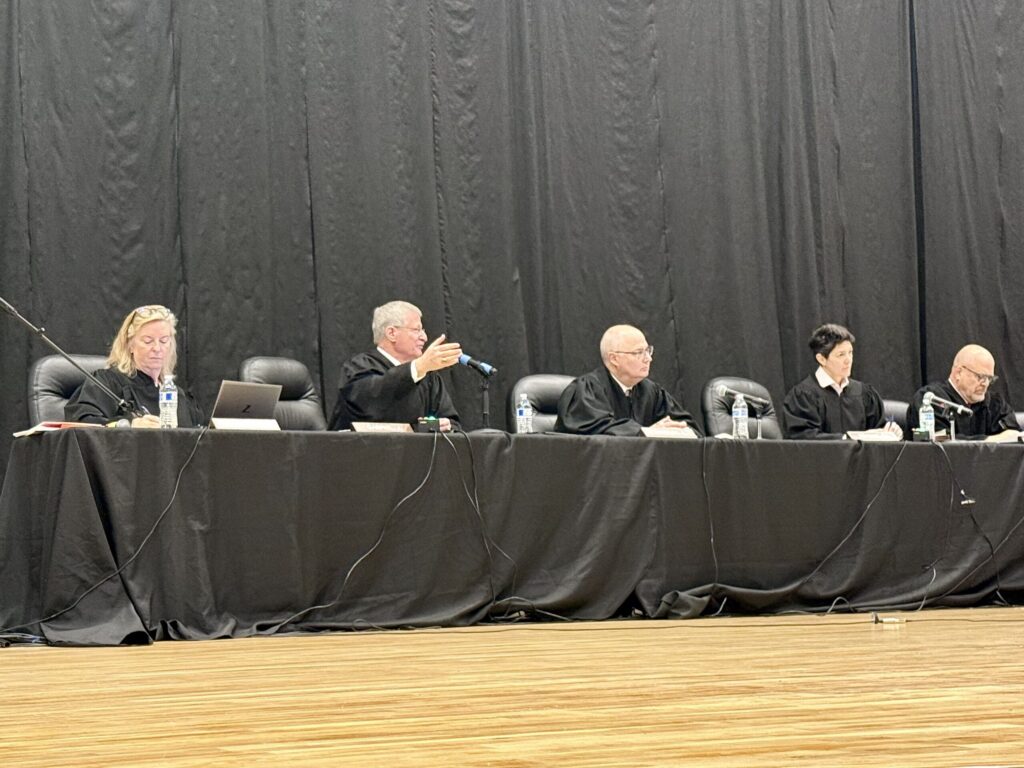
Colorado justices skeptical of snowboarder’s bid to revive injury lawsuit after signing new waiver
Michael Karlik
michael.karlik@coloradopolitics.com
Updated 20 hours ago
The Colorado Supreme Court seemed to agree on Thursday that a plaintiff is not entitled to continue his snowboarding injury lawsuit because he purchased another pass in the middle of litigation that released all past legal claims. “It says you’re...
PREV
PREVIOUS
Senate wraps up day two of 2021 session, with focus on per diem and business deductions
On day two of a planned three-day beginning to the 2021 General Assembly, the Senate quickly moved through final votes on their three bills – passing all on a 34-0 vote and sending them to the House – as well as working on the four House bills sent over Thursday morning. They also dealt with […]

Gov. Jared Polis gives lawmakers a glimpse of the State of the State
Gov. Jared Polis on Wednesday sent the General Assembly a “preamble” to his third State of the State address, which has been delayed until February. The four-page letter provided an update on the efforts Polis has made to deal with the coronavirus pandemic, and to thank lawmakers to stepping up in that effort, both in […]