

No basis for race discrimination complaint against El Paso County sheriff, judge decides
A federal court dismissed the claim of a former El Paso County Sheriff’s employee who alleged that his race and his cooperation with an internal sexual harassment investigation were the reasons for his discipline.
Patrick Smith worked for the sheriff’s office for 10 years prior to his first incident involving inappropriate use of force in June 2013. The office’s internal affairs unit determined Smith violated policies while on duty at the El Paso County Jail. Although the recommendation was for Smith to lose his job, the ultimate punishment was suspension without pay and a demotion.
Smith’s disciplinary record included another reprimand for his off-duty involvement in a bar fight, and placement on administrative leave following another use-of-force investigation at the jail in 2017, court documents outlined.
Around that same time, the county’s human resources department interviewed Smith as part of a female deputy’s complaint about sexual harassment and retaliation at the office. After Smith’s placement on leave, the female deputy emailed human resources alleging that Smith “was being retaliated against for his involvement in the investigation” of her complaints and was “being discriminated against because of his race.”
Smith, who is Black, also sent an email to that effect.
At the conclusion of the investigation into the use-of-force incident, the sheriff’s disciplinary action board met and recommended he be fired, based on both the 2017 violation and Smith’s previous history. Smith instead chose to resign, according to the narrative from the parties.
Smith filed a complaint in U.S. District Court claiming a violation of the Civil Rights Act’s prohibition on race-based discrimination. The defendant, Sheriff Bill Elder, contended that Smith was not subject to adverse employment action because he resigned, and that there was a lack of evidence “he was treated less favorably [than] similarly situated individuals.”
U.S. Magistrate Judge Kathleen M. Tafoya found it clear that Smith did not suffer an “actual discharge” due to his choice to resign. Smith argued instead he was a victim of “constructive discharge,” in which an employer subjects an individual to actions so adverse that they are coerced into quitting.
Tafoya rejected that contention, writing Smith “has failed to show that his working conditions were ‘so intolerable’ that he was forced to quit. For instance, there is no evidence that any supervisor encouraged Smith to quit, or actively undermined his ability to perform his job.” Putting the burden of proof into perspective, Tafoya pointed to a case in which an Iranian man’s employer disparaged his ethnicity, belittled and mistreated him, only to have the court deny his claim of constructive discharge.
Because Smith’s administrative leave did not change his pay or benefits, it was not a basis to allege discrimination, she added. Addressing Smith’s claim that his participation in the sexual harassment investigation prompted disciplinary retaliation, Elder produced affidavits from all four disciplinary board members stating they had no knowledge at the time of Smith’s involvement.
“Although it appears that Sheriff Elder and Undersheriff [Joseph] Breister did come to learn of Smith’s involvement in the…investigation, there is no evidence that either individual made a materially adverse decision as to his employment, specifically while in possession of that knowledge,” concluded Tafoya.
The case is Smith v. Elder.


Mysterious letter causes uproar, investigation in Mesa County GOP | A LOOK BACK
Rachael Wright, Special to Colorado Politics
rachael.wright@coloradopolitics.com
Updated 3 days ago
Twenty Years Ago This Week: An unregistered activist group calling themselves ‘The Colorado Republican Caucus’ mailed letters to at least 160 Republicans in Mesa County calling various Grand Junction Republicans “turncoats” and “traitors.” “The danger was that the letters were...

Colorado Politics Calendar Apr. 20-26
Rachael Wright, Special to Colorado Politics
rachael.wright@coloradopolitics.com
Updated 3 days ago
CoPo’s weekly political calendar helps you find political and public policy events throughout Colorado. It includes candidate and issue campaign events, public policy meetings, court hearings, state and local party conventions, assemblies, debates, rallies, parades, speaking engagements, traveling dignitary appearances,...
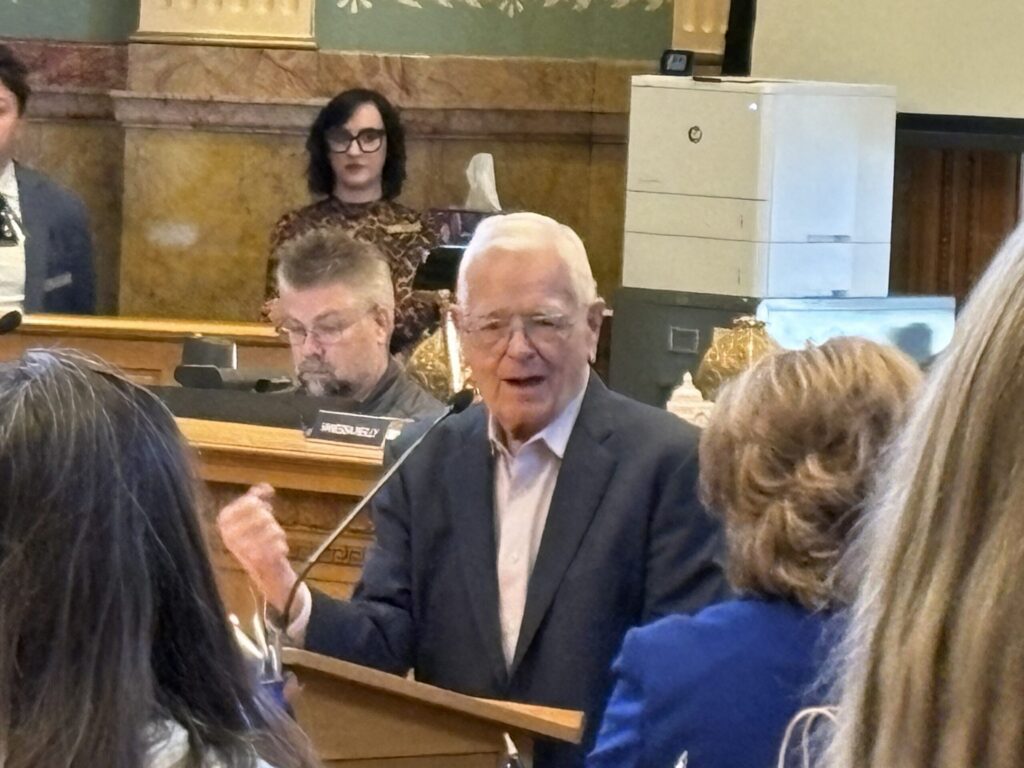
A happier budget week | Capitol M | Week of April 18, 2026
Marianne Goodland
marianne.goodland@coloradopolitics.com
Updated 2 days ago
It’s budget time at the state Capitol, and generally, it’s a humorless situation. It certainly was that way in the House last week, with a 15-hour reading of the long bill at 661 pages that resulted in lawmakers having to...

Colorado lawmakers advance bill to tackle Colorado’s prison capacity issues
Marianne Goodland
marianne.goodland@coloradopolitics.com
Updated 21 hours ago
As lawmakers move the 2026–27 state budget toward completion, they are intensifying efforts to address overcrowding and capacity challenges within the Department of Corrections and related agencies—issues that have contributed to increased spending in the budget. The state Senate on...
Colorado justices, lawyers speak with rural students through outreach program
Michael Karlik
michael.karlik@coloradopolitics.com
Updated 21 hours ago
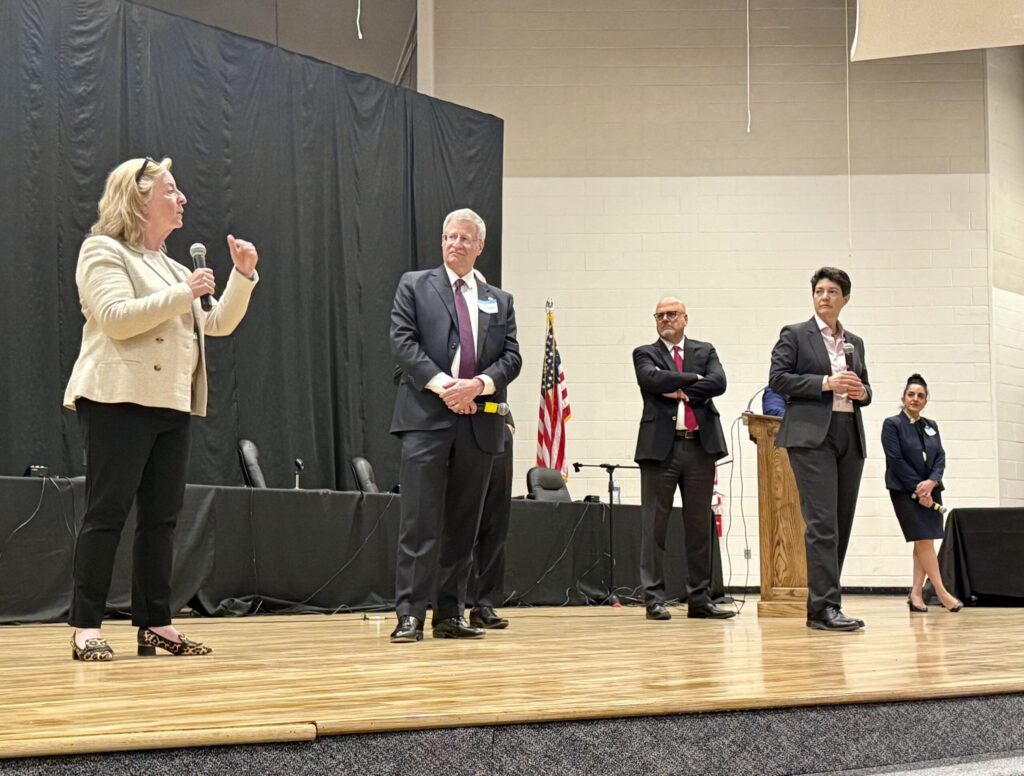
Members of the Colorado Supreme Court appeared before students from eight rural schools on Thursday to hear a pair of cases, field questions, and mark the first time the state’s newest justice participated in the long-running program. “I had such...
Democrats want Colorado colleges to provide medication abortion
Marissa Ventrelli
marissa.ventrelli@coloradopolitics.com
Updated 18 hours ago
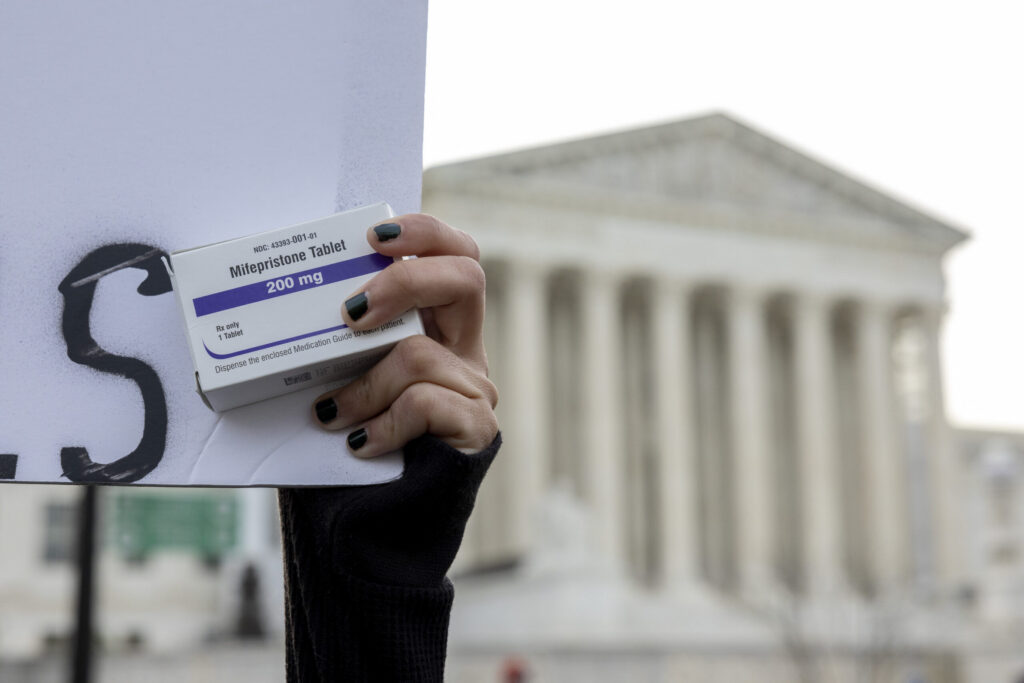
A bill proposing to require Colorado colleges and universities to provide abortion medication services cleared a legislative committee on Thursday. Advocates said the measure — which exempts religious-based institutions but applies to public, private, and community colleges — will improve...

Trump ‘in discussions’ with IRS to cut deal in tax record lawsuit
Brady Knox, Washington Examiner
brady.knox.washington.examiner@gazetteedit.wpenginepowered.com
Updated 19 hours ago
President Donald Trump is in talks with the Internal Revenue Service to strike a deal over the release of his tax records. The news was revealed in a legal filing, where his legal team said they were in “discussions” with...
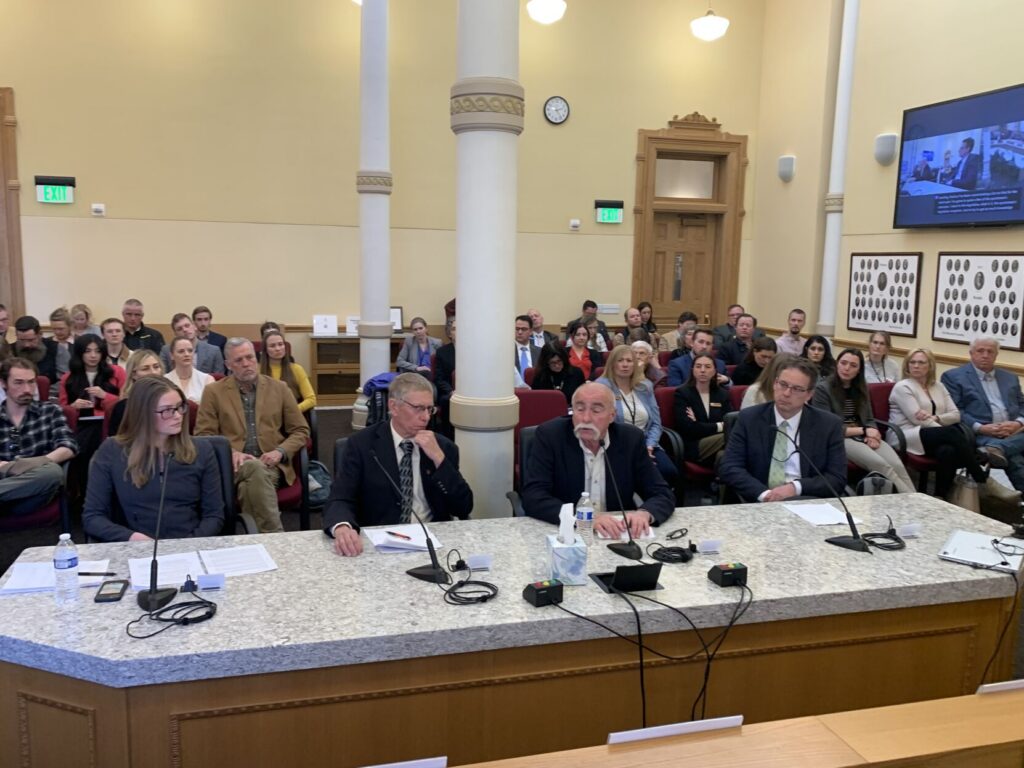
Governor’s wildlife commission picks face pushback ahead of Colorado Senate hearing
Marianne Goodland
marianne.goodland@coloradopolitics.com
Updated 20 hours ago
Colorado’s largest coalition of hunters, anglers, and wildlife conservation groups is urging state lawmakers to reject two of Gov. Jared Polis’ latest nominees to the Colorado Parks and Wildlife Commission, setting up a contentious confirmation hearing before the Senate Agriculture...
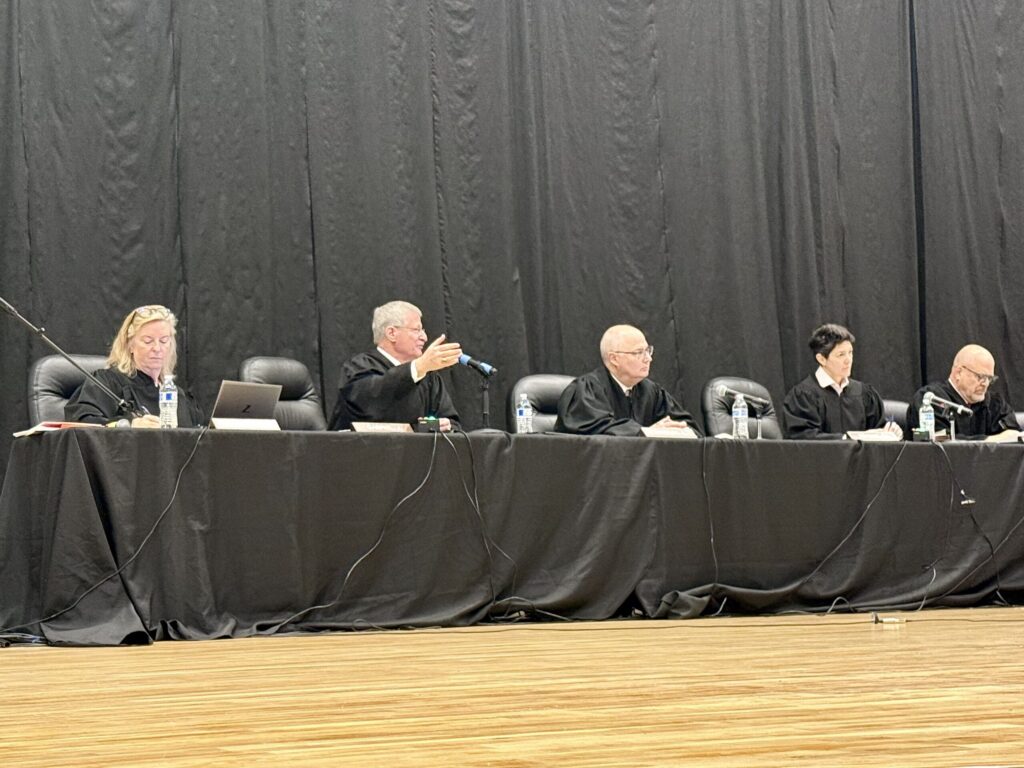
Colorado justices skeptical of snowboarder’s bid to revive injury lawsuit after signing new waiver
Michael Karlik
michael.karlik@coloradopolitics.com
Updated 6 minutes ago
The Colorado Supreme Court seemed to agree on Thursday that a plaintiff is not entitled to continue his snowboarding injury lawsuit because he purchased another pass in the middle of litigation that released all past legal claims. “It says you’re...
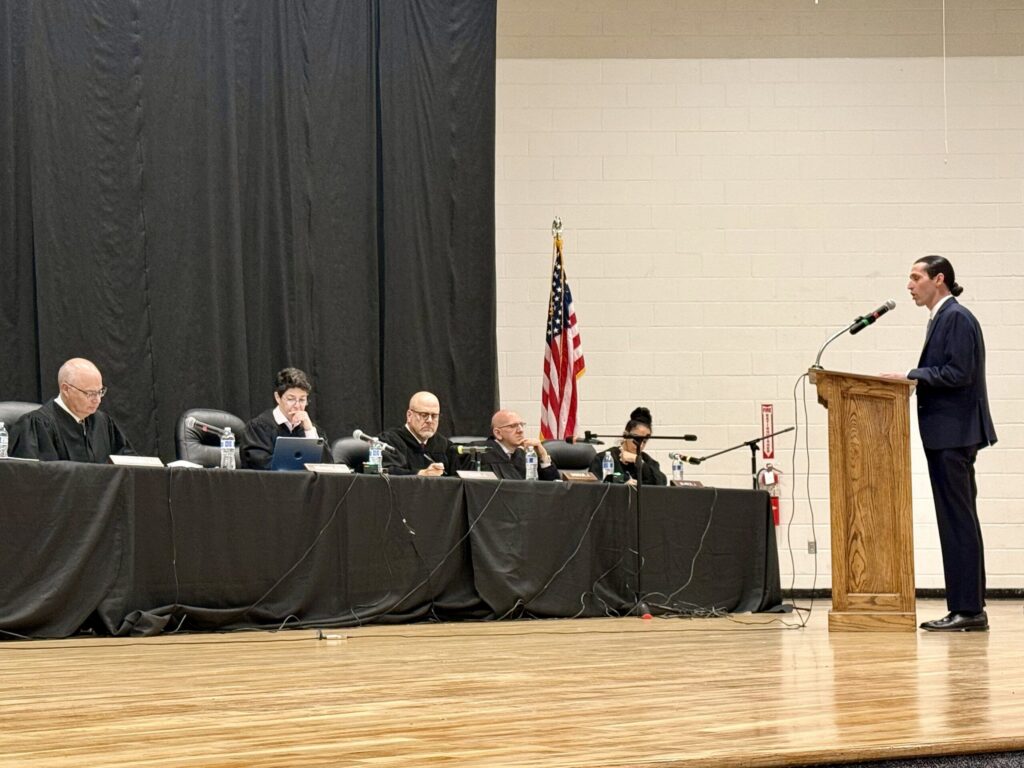
Colorado Supreme Court appears OK with revised ‘reasonable doubt’ instruction
Michael Karlik
michael.karlik@coloradopolitics.com
Updated 1 day ago
The Colorado Supreme Court appeared largely comfortable on Thursday with the recently revised definition of “reasonable doubt” that is now part of the template jury instructions for criminal cases. To date, multiple Court of Appeals decisions have endorsed the constitutionality...
PREV
PREVIOUS

Court: Convicted Colorado Springs murderer cannot sue police to recover property
Because of governmental immunity, a criminal defendant may not sue law enforcement to recover property seized in an investigation, the Colorado Court of Appeals ruled on Thursday. Police arrested James Woo in Seattle’s airport in April 2016 shortly before he boarded his intended flight to Hong Kong. That month, Woo had murdered his ex-girlfriend Julie […]

Jackson Lake State Park gets International Dark Sky Park designation
MORGAN COUNTY — The skies above Jackson Lake State Park in northeastern Colorado have earned the park an International Dark Sky Park designation. Located about 90 minutes from Denver in western Morgan County, Jackson Lake is the 19th state park in the country to receive the designation but the only state park in Colorado. The […]