

Homelessness rising in Denver metro area, annual survey shows
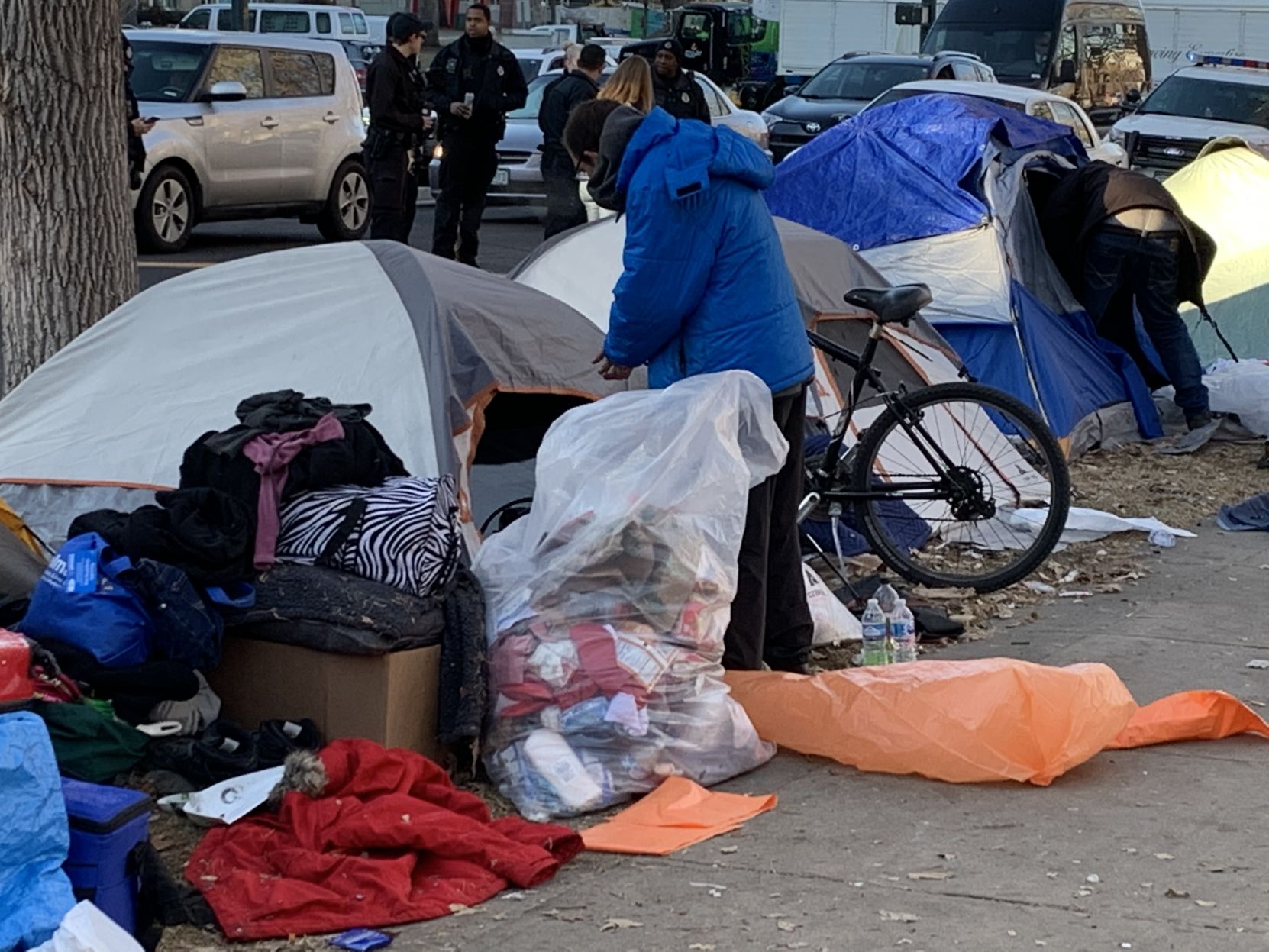
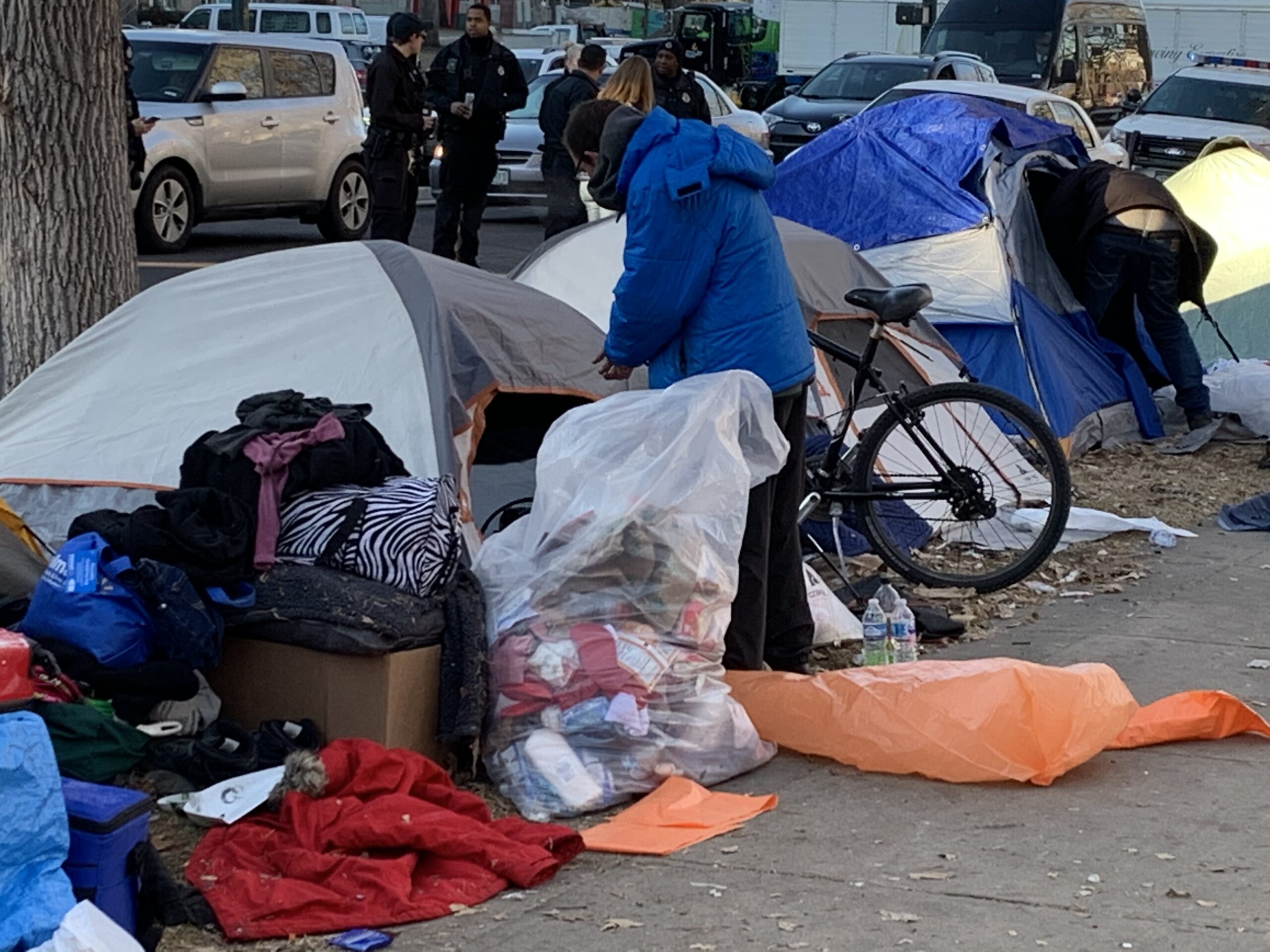
The number of people experiencing homelessness in the Denver metro area continues to rise.
At least 6,104 people were experiencing homelessness between dusk on Jan. 27 to dusk on Jan. 28 in the seven counties surveyed in the 2020 Point-in-Time census, a one-day count across the nation of people experiencing homelessness. The data reflects a 6% increase since 2019 and a nearly 15% rise from two years ago.
“These data demonstrate homelessness was a crisis before COVID,” said Matt Meyer, executive director at the Metro Denver Homeless Initiative, which coordinates the PIT each year and reports the data to the U.S. Department of Housing and Urban Development.
“With eviction moratoriums and other protective measures ending, we fully expect to see dramatic increases as a result of the economic impact of the pandemic,” he said. “Reinstating these moratoriums on a local or state level would significantly decrease the impact for those households on the edge that now face homelessness.”
Denver represents the largest share of homelessness compared to neighboring counties surveyed in the region – Adams, Arapahoe, Boulder, Broomfield, Douglas and Jefferson – with a count of at least 4,171.
Of the more than 6,000 people living unhoused in the entire metro area, 51% were living in shelters within the region. A quarter of those surveyed said they were staying outdoors.
Of the populations identified, 759 people were actively fleeing domestic violence, 627 were veterans, 278 were unaccompanied youth and there were at least 420 families.
The survey also examined race and found that minority populations are disproportionately affected by homelessness. African Americans made up more than 20% of people experiencing homelessness, but they represent less than 10% of the general population. Indigenous populations make up about 2% of the general population but comprise about 5% of those unhoused.
“The overrepresentation of people of color, specifically (B)lack and Native Americans, among those experiencing homelessness is critical to the response,” Meyer said in a statement. “Homelessness is an issue of race and must be approached through this lens.”
Hundreds of volunteers and partner agencies work together to complete the count every year.

Atop taxes, here’s how much each Colorado resident pays in fees
Marissa Ventrelli
marissa.ventrelli@coloradopolitics.com
Updated 1 hour ago
Each Colorado resident paid nearly $5,000 in state-sanctioned fees last year, according to a report by a policy think tank. The report, which analyzed how fees have affected Colorado’s economy, found that fee revenue has more than tripled since 2008...

Colorado National Guard, Swiss Armed Forces celebrate partnership
Marissa Ventrelli
marissa.ventrelli@coloradopolitics.com
Updated 3 hours ago
Colorado’s National Guard marked a year of partnership with the Swiss Armed Forces at the Governor’s Mansion on Monday. “This anniversary marks one strong year of friendship and collaboration between the State of Colorado and Switzerland,” said Gov. Jared Polis....
Judge allows Trump to refile $15 billion lawsuit against the New York Times
Emily Hallas
emily-hallas@coloradopolitics.com
Updated 3 hours ago
A federal judge declined to dismiss President Donald Trump’s multibillion-dollar lawsuit against the New York Times on Monday, giving him roughly four weeks to amend his case after the outlet moved to toss it on First Amendment grounds. District Judge...

Gov. Polis celebrates Colorado’s first-place education ranking by U.S. News
Marianne Goodland
marianne.goodland@coloradopolitics.com
Updated 59 minutes ago
Colorado officials said they have something to celebrate this week, in addition to the state’s sesquicentennial birthday on Saturday. U.S. News & World Report on Tuesday gave Colorado its top ranking for education efforts from pre-K to postsecondary, though it...
Denver detox center did not violate man’s rights with 10-hour hold, 10th Circuit says
Michael Karlik
michael.karlik@coloradopolitics.com
Updated 1 hour ago
The Colorado-based federal appeals court concluded on Tuesday that Denver’s detoxification facility did not violate a man’s rights by holding him against his will for 10 hours until his blood alcohol content was projected to reach zero. Unusually, Brian Garrett’s...

Federal judge clarifies ex-GOP treasurer candidate’s burden to prove defamation claims
Michael Karlik
michael.karlik@coloradopolitics.com
Updated 1 hour ago
A federal judge clarified last week that businessman and former Republican statewide candidate Brian Watson will need to surmount a higher hurdle in proving his claim that a party guest’s alleged description of him as a “criminal” amounted to defamation....

Denver City Council sends Xcel franchise deal to voters
Deborah Grigsby
deborah.smith@denvergazette.com
Updated 5 hours ago
This November, Denver voters will decide whether to renew the city’s longstanding franchise agreement with Xcel Energy. Members of the Denver City Council approved on Monday sending a proposed 20-year franchise agreement with Xcel that would deliver more than $180...
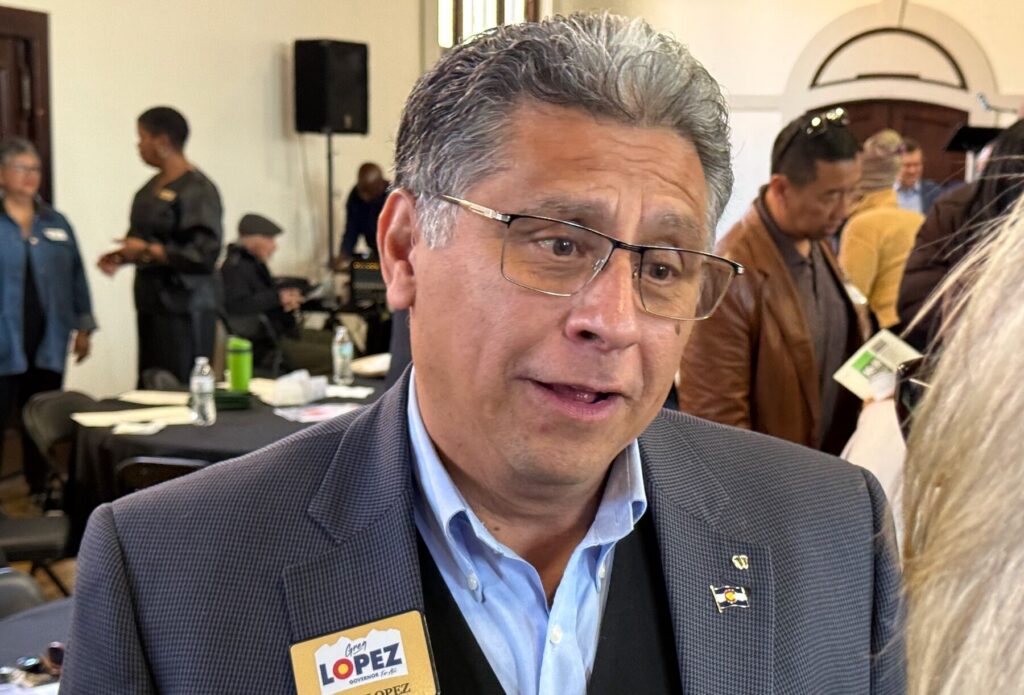
Independent gubernatorial candidate Greg Lopez, a former GOP congressman, qualifies for Colorado ballot
Ernest Luning
ernest.luning@coloradopolitics.com
Updated 1 hour ago
Unaffiliated gubernatorial candidate Greg Lopez, a former Republican congressman from Elizabeth who left the GOP to run as an independent, has qualified for the ballot by submitting enough petition signatures, the Colorado Secretary of State’s Office said Tuesday. He’ll face...

At Colorado’s 150th anniversary, leaders offer birthday wishes
Thelma Grimes
thelma.grimes@coloradopolitics.com
Updated 7 hours ago
As Colorado’s 150th anniversary approaches, leaders from across the state reflect on the spirit that binds the plains, mountains, Western Slope and Front Range — a shared commitment, they underscored, to opportunity, community, stewardship and personal freedom. Their tributes highlight...
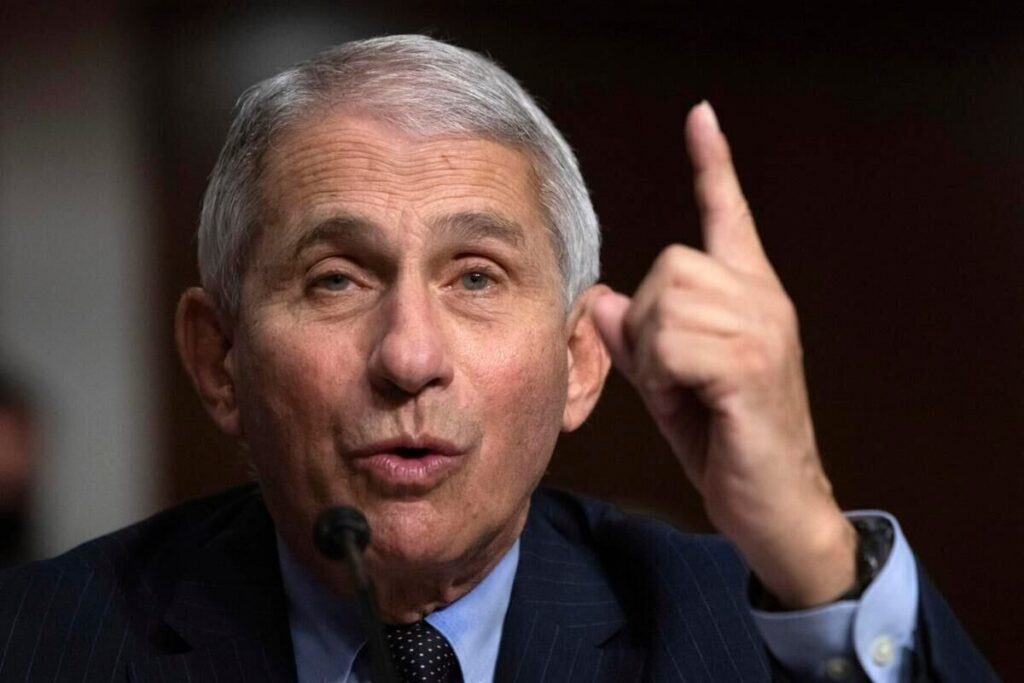
Fauci’s private COVID-19 diaries: Six takeaways on fame, prize money and the lab leak debate
The Washington Examiner
the-washington-examiner@coloradopolitics.com
Updated 10 hours ago
Anthony Fauci’s private writings from 2020 and beyond portray a public health official who was fixated on his growing celebrity while privately grappling with a pandemic response he believed was chaotic, leaderless and consumed by internal rivalries. The writings of...
PREV
PREVIOUS

Denver will not be deviating from state public health orders, as COVID-19 cases climb
Denver Mayor Michael Hancock announced Wednesday that the city has hit the pause button on pursuing any further deviations from state public health orders, as new cases of the coronavirus continue to rise. In the past, the city has sought certain variances to allow for the reopening of larger venues, such as the Denver Zoo […]

Former Durango city employee charged with 4 counts for theft scheme
Durango’s former finance director admitted in October 2019 to stealing more than $700,000 from the city in a check writing-scheme, the Colorado Bureau of Investigation announced on Wednesday. The Durango Police Department first contacted CBI after discovering Julie Brown reportedly wrote checks totaling approximately $500,000 to “Animas Professionals,” a company that did not exist after […]