

BARTELS | More than 20 years later, stories of Columbine still need to be told
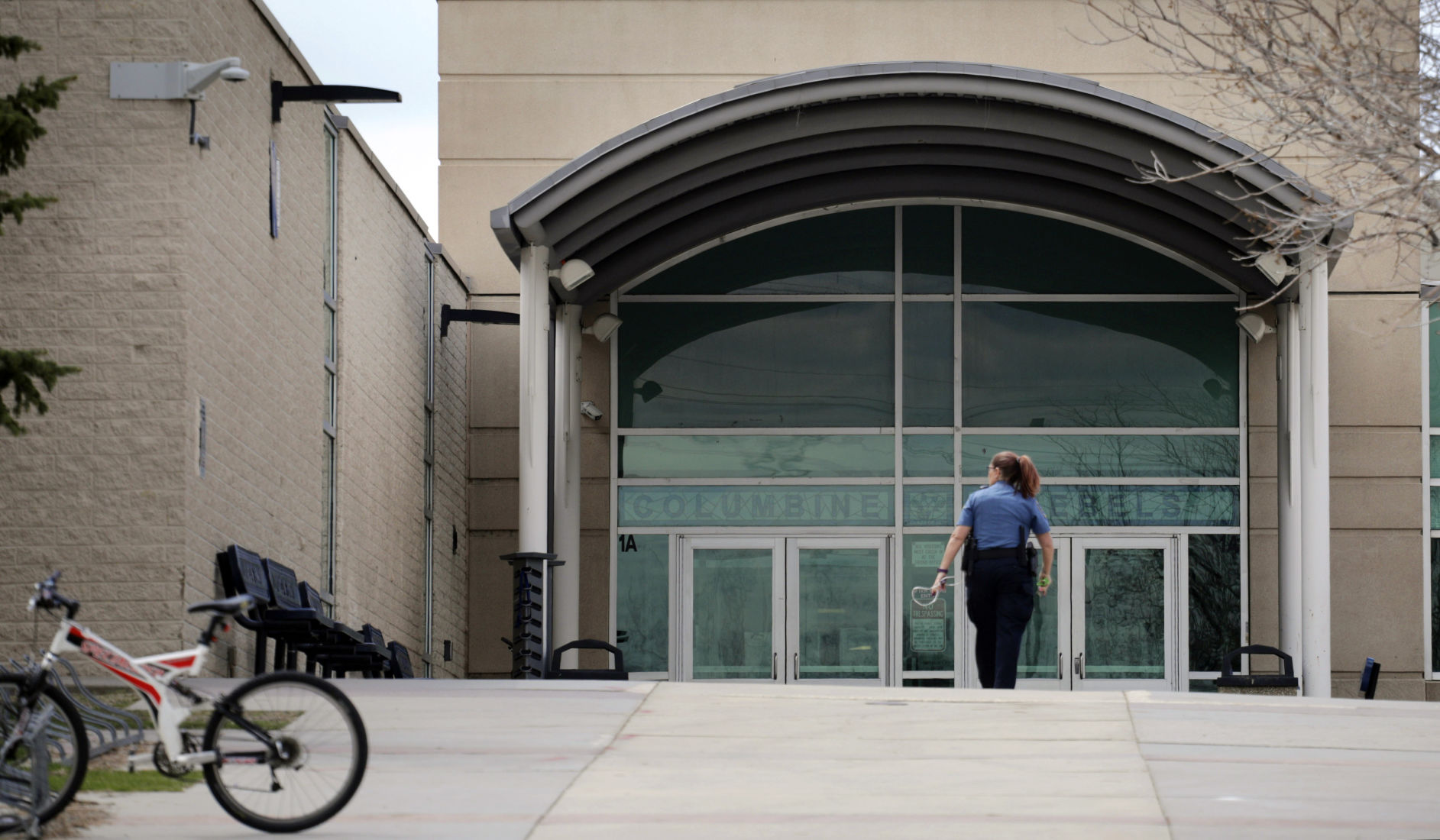
When I heard another book about the Columbine High School massacre was about to be released, I groaned.
I wasn’t thrilled even though the author is Randy Brown, someone I consider a good friend and one of the truth-tellers about that horrible day – April 20, 1999 – at the suburban high school.
I met Randy, his wife, Judy, and their two sons, Brooks and Aaron, shortly after the shooting by seniors Eric Harris and Dylan Klebold. I was at their house almost daily for the rest of the year as I covered the event for the Rocky Mountain News.

For a variety of reasons, a number of Columbine families aren’t fans of the Browns. Jefferson County Sheriff John Stone initially lied to the public and said Brooks was also involved in the shootings. The Browns accused Columbine High School officials of failing to stop a culture of bullying, and blistered law enforcement for engaging in what they believed was a pattern of cowardice and cover-ups.
But I liked the Browns from the start, especially when I asked if they had ever searched Brooks’ room. You bet, they said, after we caught him lying.
Randy Brown has published “The Inside Story of Columbine: Lies, Coverups, Ballistics, Lessons,” which is for sale on Amazon.
I haven’t finished the 634-page book, but so far it’s part true-life crime book, part journal, part emotional catharsis.
From Randy’s journal: “There is very little joy in my life. There is work and Columbine. There is Judy and Columbine.”
Critics will dismiss the book as psychobabble and claim the Browns just want to be in the limelight.
But you can’t dispute the facts: The Browns tried to warn the sheriff’s office about Harris more than a year before Columbine happened. They downloaded pages of his violent rants from the internet, where he bragged about blowing up pipe bombs and pledged to “kill and injure” as many perceived enemies as he could.
They feared he would carry out his threat to hurt Brooks, especially as Judy had witnessed Harris’ rage during an earlier encounter. The Browns met with law enforcement at their home and at the sheriff’s department.
The next month at a local grocery store, Judy witnessed something so frightening to her that she called one of the detectives the couple had met.
“This is Judy Brown. Regarding Eric Harris, I was at the grocery store and saw Eric buying a magazine about guns. You have to call me back. Jonesboro is going to happen here. He is now into guns.”
A month earlier in Jonesboro, Ark., two students opened fire on their teachers and classmates, killing five and wounding 10.
No one called Judy back.
Mass shootings are always followed by talk of warning signs and missed red flags. Randy feels guilty, believing he should have done more to try to stop Harris, but I don’t know why he feels that way. The only thing the Browns didn’t do was take out an ad on the Broncos scoreboard.
After the massacre, in which Harris and Klebold killed one teacher, 12 classmates and wounded 25 more before killing themselves in the school library, the sheriff’s office claimed there was no report by the Browns. And that was the official line until the Browns realized they had the number of the report, which meant it had been filed.
Over the years, the Browns helped expose cover-ups within the Jefferson County’s sheriff’s department, district attorney’s office and county attorney’s office.
Initially, the Browns defended their friends Tom and Sue Klebold as good parents, and their son as a sensitive kid gone bad because of Harris’ influence. Eventually, Randy and Judy would change their opinion.
Sue Klebold also has written a book about Columbine, “A Mother’s Reckoning: Living in the Aftermath of Tragedy.” In it, she tried to distance herself from Judy, even questioning why Judy showed up at the Klebolds’ home the day of the shootings.
Seriously? So Sue asked a virtual stranger to lend her a jacket to wear to her son’s funeral? Sue invited a couple she barely knew to the very private service? Sue sent a thank-you note and a tiny shoe with “Dylan” written on it?
As I said, I spent a lot of time with the Brown family after the shootings. When the phone rang, Judy would pick it up and mouth to me, “It’s Sue.” Sometimes their conversations lasted more than an hour.
Sue and Judy and their sons grew apart after the Klebolds moved from the neighborhood. But the two mothers huddled together in the Columbine gym that spring when the parents of seniors met to talk about graduation.
After Brooks left home, Randy and Judy turned his bedroom into a Columbine office filled with huge three-ring notebooks, audiotapes and other documents they collected from sources, handouts and public records requests. They gradually turned the room back into a bedroom, but they never stopped working on the case.
Randy, who sold real estate, saw his income drop in half. Judy halted the art projects she had been working on before the shootings.
Every now and then I go to dinner at the Browns’ home, and we talk about our families, world events, pets we have had to put down and, of course, Columbine. Judy laughs about how much Randy and I are alike, the late night TV and grazing, and the occasional outburst complete with swear words.
Judy in June reminded me of two things I had forgotten and still don’t remember.
One, the Browns had given some story to Westword and I was so upset I bought a dozen doughnuts and ate them all in the car. That I can believe.
And two, I could not stop crying when I called Judy after Columbine parent Carla Hochhalter killed herself in a pawn shop six months after the shooting. Her daughter, Anne Marie, was severely wounded outside Columbine and is in a wheelchair.
I was surprised about Carla Hochhalter because at the time, I had no connection with Anne Marie. I have since gotten to know her and she is one of the Columbine folks I admire for their strength and courage. There are so many of them, including Sue and Rick Townsend, who made Anne Marie part of their family. Lauren Townsend was killed in the Columbine library.
Don and Dee Fleming, parents of Kelly Fleming, who also died in the library, were a driving force behind creating the beautiful Columbine memorial pin dedicated to the 13 “innocent lives lost” that day. The Flemings sent me a limited edition of the pin, along with a note thanking me for all I had done for them during their journey.
It’s hanging up next to my computer.
It soon will be joined by a passage from Randy’s book. The message is so simple, yet so powerful:
“Be nice. Be kind.”



10th Circuit grants immunity to officers for fatal Manitou Springs shooting
Michael Karlik
michael.karlik@coloradopolitics.com
Updated 2 hours ago
The Denver-based federal appeals court ruled on Wednesday that responding officers from Manitou Springs and El Paso County cannot be held constitutionally liable for shooting and killing a man after a 20-minute standoff. Wilford Deweese allegedly pulled out a gun...
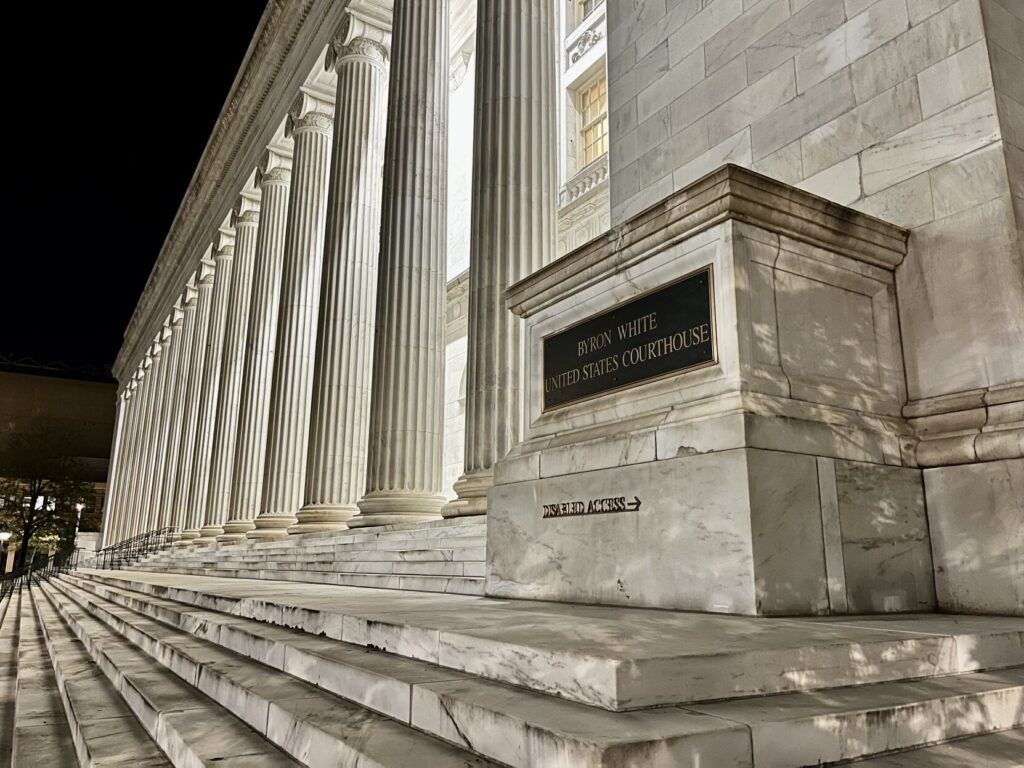
10th Circuit rejects invitation for full-court review of tax-avoidance case
Michael Karlik
michael.karlik@coloradopolitics.com
Updated 2 hours ago
The Denver-based federal appeals court declined to reconsider the standards for holding entities liable for their tax-avoidance schemes, with a majority of judges voting against full-court review on Monday. In April, a three-judge panel of the U.S. Court of Appeals...

GOP gubernatorial candidate Victor Marx pushes aggressive water-storage expansion at Colorado Water Congress
Marianne Goodland
marianne.goodland@coloradopolitics.com
Updated 3 hours ago
Victor Marx, the Republican nominee for governor, took the spotlight Wednesday during the opening day of the Colorado Water Congress, laying out how he says the state should approach its water future. Marx told the standing-room-only audience in Steamboat Springs...

Colorado AG sues GEO Group over noncompliance with tuberculosis investigation
Kyla Pearce
kyla.pearce@gazette.com
Updated 1 hour ago
The Colorado Attorney General’s Office on Wednesday filed a lawsuit against GEO Group, which operates the Aurora ICE Processing Center, alleging the company failed to comply with a state tuberculosis investigation. Weiser’s lawsuit demands that GEO provide “critical information” needed...

U.S. Rep. Lauren Boebert stresses storage, forest health and Upper Basin rights at Colorado Water Congress
Marianne Goodland
marianne.goodland@coloradopolitics.com
Updated 2 hours ago
Republican U.S. Rep. Lauren Boebert used her brief Wednesday appearance at Colorado Water Congress to tout her record on delivering water projects for the state and her district. Boebert, who is running for her second term representing Colorado’s 4th Congressional...

Trump has a 96% endorsement success rate. Here are the Republicans he’s backed who have lost
Mabinty Quarshie
mabinty-quarshie@coloradopolitics.com
Updated 5 hours ago
President Donald Trump’s 2026 primary endorsement success rate remains staggeringly high, but the president has seen a growing number of losses stack up in recent weeks. According to Ballotpedia, Trump has endorsed in 313 U.S. Senate, U.S. House, and state...
Colorado judge blasts state forensics lab in dismissing child sex case
Jenny Deam
jenny.deam@gazette.com
Updated 5 hours ago
In a potentially widely consequential action, a Weld County district judge dismissed a child sexual assault case, citing the ongoing scandal at the Colorado Bureau of Investigation’s forensic lab that “has left a dark mark on the history of Colorado...

Colorado officials urge stronger water safety after 6 drownings and multiple Front Range rescues
Elizabeth Pond
elizabeth.pond@denvergazette.com
Updated 9 hours ago
At least eight people have drowned in Front Range waters since mid-March, including two at Eleven Mile Reservoir, three at Cherry Creek Reservoir, one at Rockbridge Lake and two at Lake Pueblo State Park. In the wake of these deaths,...

Vehicle registration crackdown across Front Range starts next week
Nick Smith
nick-smith@coloradopolitics.com
Updated 7 hours ago
Colorado drivers with expired tags or unregistered vehicles still have time to get registered before a scheduled enforcement crackdown starts next week. According to an announcement from the Colorado Springs Police Department, a multi-agency enforcement effort will happen across the...

Aurora grapples with affordable housing needs, deficits
Kyla Pearce
kyla.pearce@gazette.com
Updated 7 hours ago
Aurora is grappling with affordable housing needs as demand for project funding increases and the state cuts grant money. Currently, the city needs about 12,000 affordable housing units, Martin Petrov at Aurora Housing Authority told members of the Housing, Neighborhood...
PREV
PREVIOUS

Colorado 'faithless electors' vow to keep up the fight after Supreme Court electoral college decision
The U.S. Supreme Court ruled unanimously Monday that states can require presidential electors to back their states’ popular vote winner in the Electoral College. The ruling, with just under four months before the 2020 election, leaves in place laws in 32 states and the District of Columbia that bind electors to vote for the popular-vote […]

Littleton woman sentenced to 33 months for nearly $1 million fraud scheme
Kristin Martin of Littleton received a 33-month prison sentence for profiting off of nearly $1 million in products she fraudulently purchased through her employer and then sold, U.S. Attorney Jason R. Dunn’s office announced on Monday. Martin worked as an executive assistant, using the identification codes and passwords of her employer’s purchasing account to order […]