

Denver is ‘showing up for each other’ through newly launched phone bank for senior citizens

A citywide phone bank recently launched by Denver-based state and local leaders is bringing community together when it’s forced to stay apart.
About 500 Coloradans as of Wednesday have volunteered to help call the more than 40,000 Denver residents age 65 and older who may need a helping hand navigating the coronavirus crisis. Together, they’ve made about 3,000 calls.
“That’s awesome,” Democratic Sen. Julie Gonzales said of the number of locals who’ve stepped up to help. “That’s people just checking in on each other and Denver showing up for each other. That’s what makes you love this city.”
Gonzales is coordinating logistics for the phone bank, which was thought up and executed by the Denver delegation to the state legislature in partnership with Denver City Council, the Regional Transportation District and Denver Public Schools.
The idea grew out of a realization that there “was a gap for individuals who are 65 and up,” Gonzales said. Denver Public Schools was in constant and regular communication with the 90,000 school-age children and their families, and the city’s registered neighborhood organizations were reaching residents already engaged in those networks.
Older Denverites, however, were slipping through the cracks.
That’s why volunteers are being called to answer any questions seniors may have (using a script provided by the phone bank’s organizers) and connect them with local food assistance, transportation, financial support, job opportunities and any other resources they may need.
Denver City Council offices are helping with follow up for any requests or questions that can’t be addressed over the phone. But right now, those responsibilities are somewhat light.
“Anecdotally, what I’ve been hearing (from volunteers) is that not a lot of people right now are saying, ‘I need this now,'” said Council President Jolon Clark. “But these conversations for the volunteers are a lot longer than they anticipate, because they’re running into a lot of people who are stuck at home and are really happy to have somebody new to talk to and just be able to chat for a while.”
For Kimberly Nuffer, a Denver-based clinical social worker in private practice, her experience is not far off. She recently started volunteering for the phone bank and has made about 10 calls. She plans to reach out to more seniors over the next few weeks.
“It’s fun because the people who I have connected with have been very grateful to have someone to talk to,” she said. “And it’s enjoyable for me as well. It’s kind of like I’m talking to my grandparents again.”
Just a few hours before Nuffer spoke to Colorado Politics, she said she had called a 79-year-old man who – despite having recently had surgery for a femur he broke in January and being alone, on dialysis and on a Section 8 housing voucher – he still exuded “such a positive outlook,” something she said stuck with her.
That’s part of the “beauty” of this whole volunteering process, she said, pointing to research that shows the benefits talking to strangers can have on people’s well-being.
“You end up not just giving to other people, but you actually get something in return, a sense that you’re contributing to the greater good and helping out your fellow older Denverites.”
It’s also simple and safe to do, she said, which was echoed by another volunteer, Tate Carpenter, who is a council aide for Clark.
“It’s easier than you would think,” she said. “You’re not asking for anything from anyone – just calling a neighbor and making sure they’re OK.”
On top of that, she said, you can help others without having to leave home.
“It’s just so wonderful to provide help when you feel so helpless,” Carpenter said.
Anyone interested in assisting with phone bank efforts need only a computer and smart phone and can sign up to volunteer here.

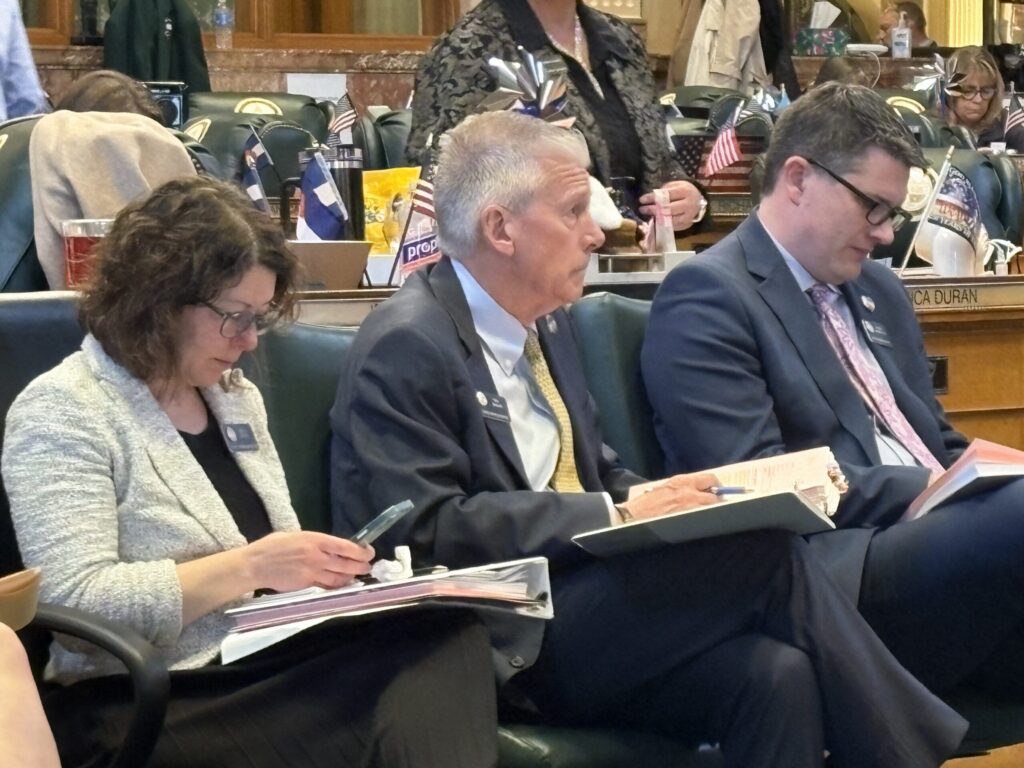
Colorado lawmakers grapple with spending cuts amid $1 billion-plus deficit
Marianne Goodland
marianne.goodland@coloradopolitics.com
Updated 23 minutes ago
The battle over Colorado’s budget for next year — which stalled in the House over a procedural maneuver — entered a more difficult phase on Thursday, when legislators grappled with hundreds of millions of dollars in proposed reductions to balance...

New rules for private judges in Colorado include discipline oversight, campaign contributions
David Migoya
david.migoya@gazette.com
Updated 3 hours ago
The Colorado Supreme Court recently determined the state’s private judges — retired jurists appointed to oversee civil cases that rarely get public scrutiny — can now make political contributions freely and without reserve, overruling a prohibition that had been in...

Colorado bill reshaping RTD board advances
Marissa Ventrelli
marissa.ventrelli@coloradopolitics.com
Updated 3 hours ago
A proposal to reshape the Regional Transportation District’s leadership easily cleared a committee vote Wednesday, advancing the bill sponsors say is needed to revive a transit system still struggling to regain riders and public trust. Critics have countered that, while...

Colorado Democrat John Hickenlooper pulls in nearly $1.4M in 1st quarter, heads into primary with $4M
Ernest Luning
ernest.luning@coloradopolitics.com
Updated 2 hours ago
U.S. Sen. John Hickenlooper’s campaign raised nearly $1.4 million in the first quarter of 2026 and plans to report more than $4 million on hand heading into Colorado’s June primary, the first-term Democrat’s campaign said Thursday. That brings Hickenlooper’s total...
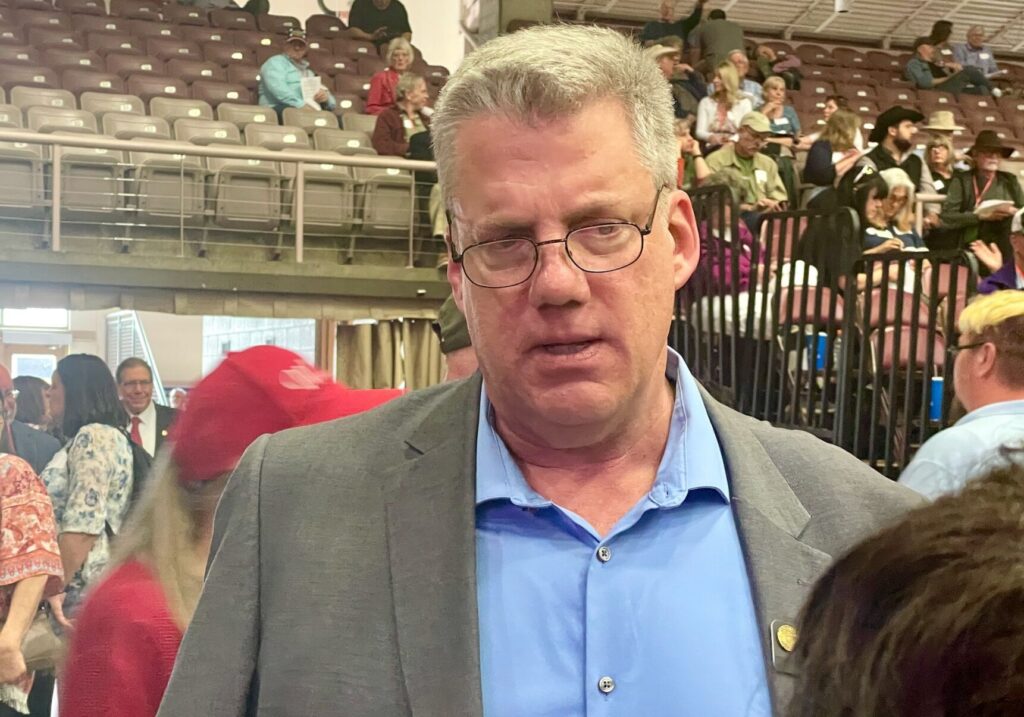
Republican Ron Hanks plans ‘grassroots’ primary challenge to US Rep. Jeff Hurd in Colorado’s 3rd CD
Ernest Luning
ernest.luning@coloradopolitics.com
Updated 3 hours ago
Colorado Republican Ron Hanks, a former state lawmaker, plans to challenge first-term U.S. Rep. Jeff Hurd in the 3rd Congressional District primary by seeking a spot on the June ballot at the GOP’s district assembly in Pueblo on Friday, Colorado...
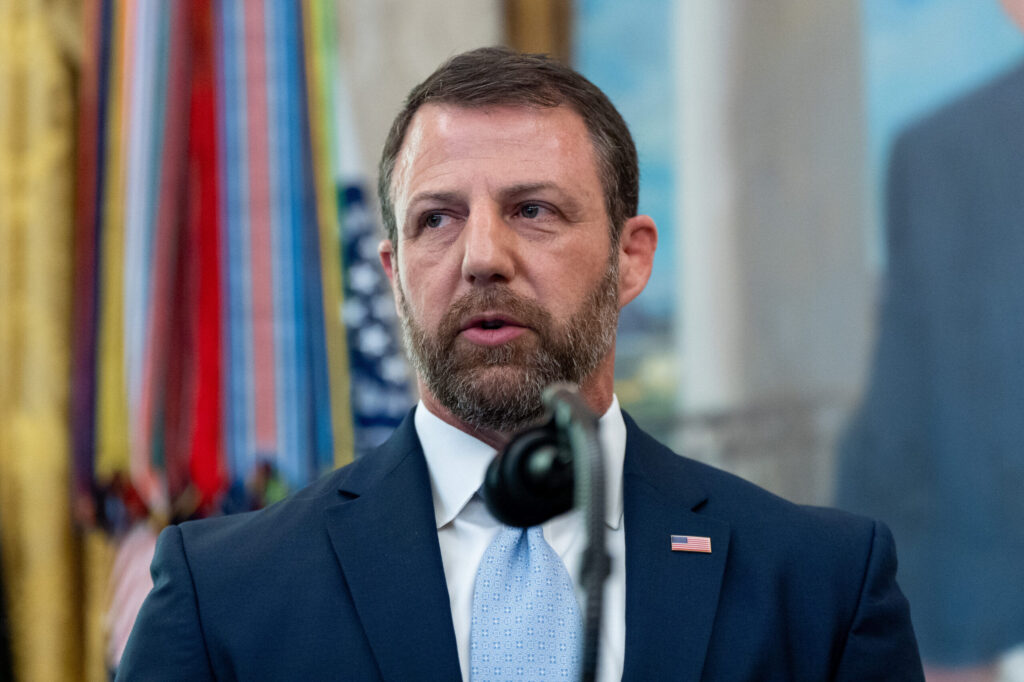
Five ways Mullin is already pushing DHS in a new direction
Anna Giaritelli Washington Examiner
anna-giaritelli-washington-examiner@coloradopolitics.com
Updated 7 hours ago
The Trump administration’s newest Cabinet secretary, Markwayne Mullin, has already begun to implement major changes across the Department of Homeland Security Mullin replaced President Donald Trump’s first DHS secretary, Kristi Noem, and was an unexpected pick to lead the department...
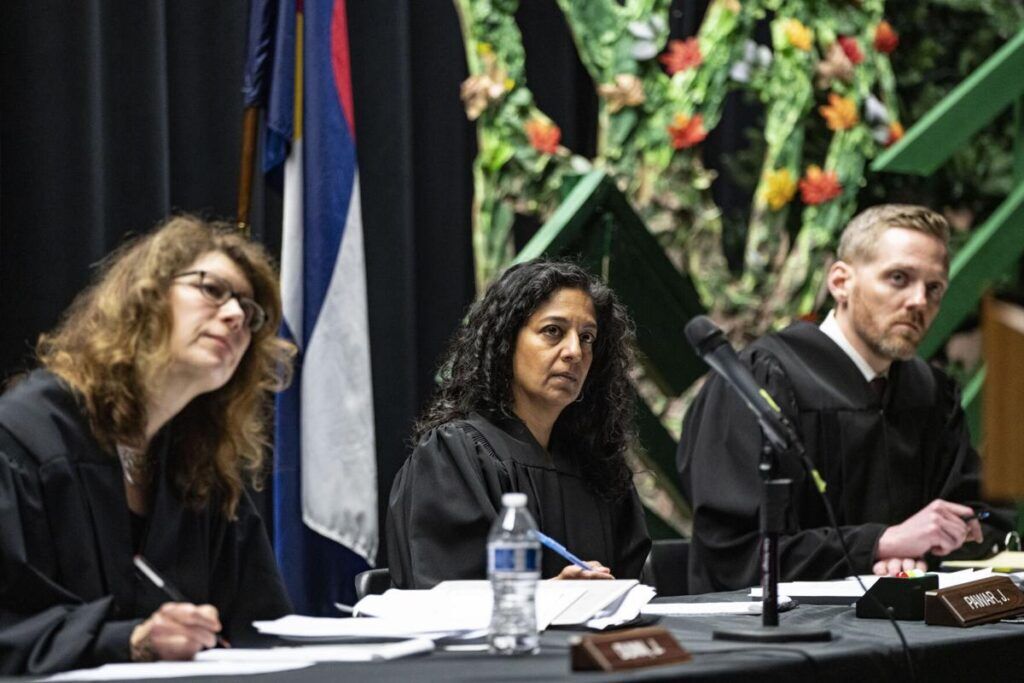
Appeals court finds Prowers County judge incorrectly analyzed firetruck collision lawsuit
Michael Karlik
michael.karlik@coloradopolitics.com
Updated 7 hours ago
Colorado’s second-highest court directed a Prowers County judge last month to take a second look at whether a firetruck operator and the county itself can be held liable for a collision with a motorist. Donald Williamson was driving through a...
Appeals court reverses assault convictions after jury received no definition of ‘harm’
Michael Karlik
michael.karlik@coloradopolitics.com
Updated 8 hours ago
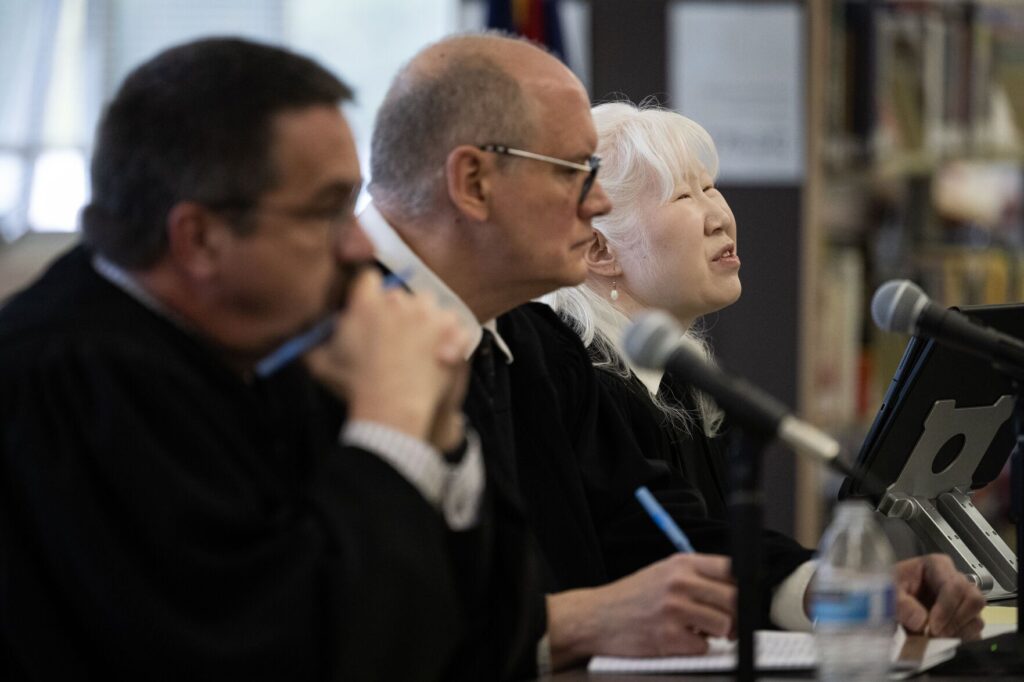
Colorado’s second-highest court reversed an Arapahoe County defendant’s assault convictions last week, concluding the trial judge neglected to define a key, ambiguous term for jurors. Police officers arrested David Cristobal Aragon at a house party for allegedly violating a restraining...
Colorado counties cannot challenge state law restricting immigration contracts, appeals court says
Michael Karlik
michael.karlik@coloradopolitics.com
Updated 4 hours ago
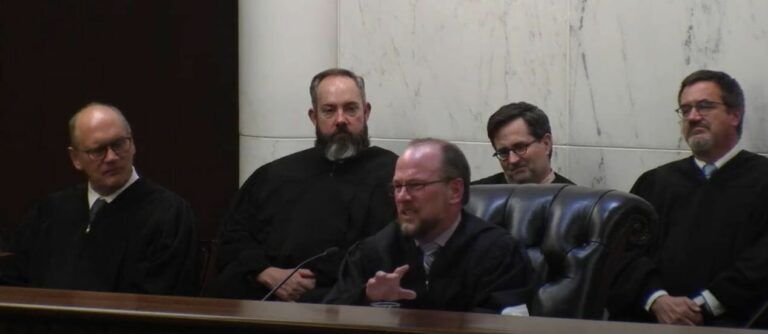
Colorado’s second-highest court ruled on Thursday that counties lack standing to challenge a 2023 state law that restricts their ability to contract with the federal government or private entities for immigration detention. A three-judge Court of Appeals panel agreed with...
Wayne Williams joins city as Colorado Springs Mayor Mobolade’s new chief of staff
Brennen Kauffman
brennen-kauffman@coloradopolitics.com
Updated 6 hours ago
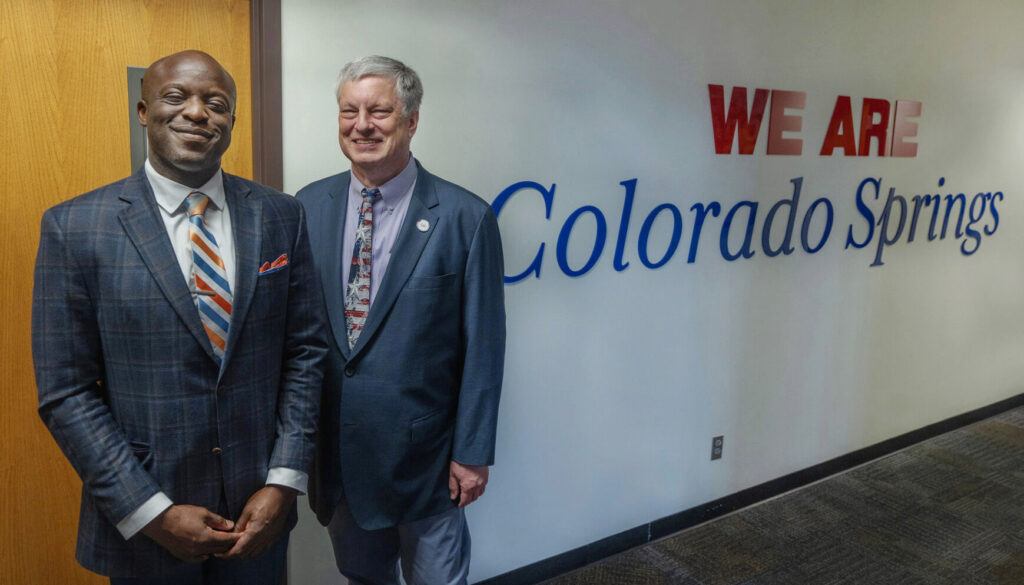
Wayne Williams will be the next chief of staff for Colorado Springs Mayor Yemi Mobolade, turning the two former election opponents into partners in city government. The two officially announced the hire Thursday, citing Williams’ decades of experience with city,...
PREV
PREVIOUS

El Paso County GOP pilloried after asking in social media post if COVID-19 is a hoax
The El Paso County Republican Party asked in a social media post Wednesday whether its followers believe the coronavirus is a hoax meant to manipulate the public – a suggestion that drew swift and widespread condemnation from other Republicans. “Hello El Paso County! Do you believe that the Coronavirus is a PSYOP (Psychological Operation)? Post […]

INSIGHTS | Heroes of the pandemic are vaguely known
When the history of this pandemic is written, here’s hoping the hero is not the president, or any governor or anybody most of us have ever heard of. The hero, in my book, is the common man, woman and non-binary individual who faced down the plague and panic and fought back with a broom. They […]