

Tales from triage: Some with illness aren’t necessarily getting tested
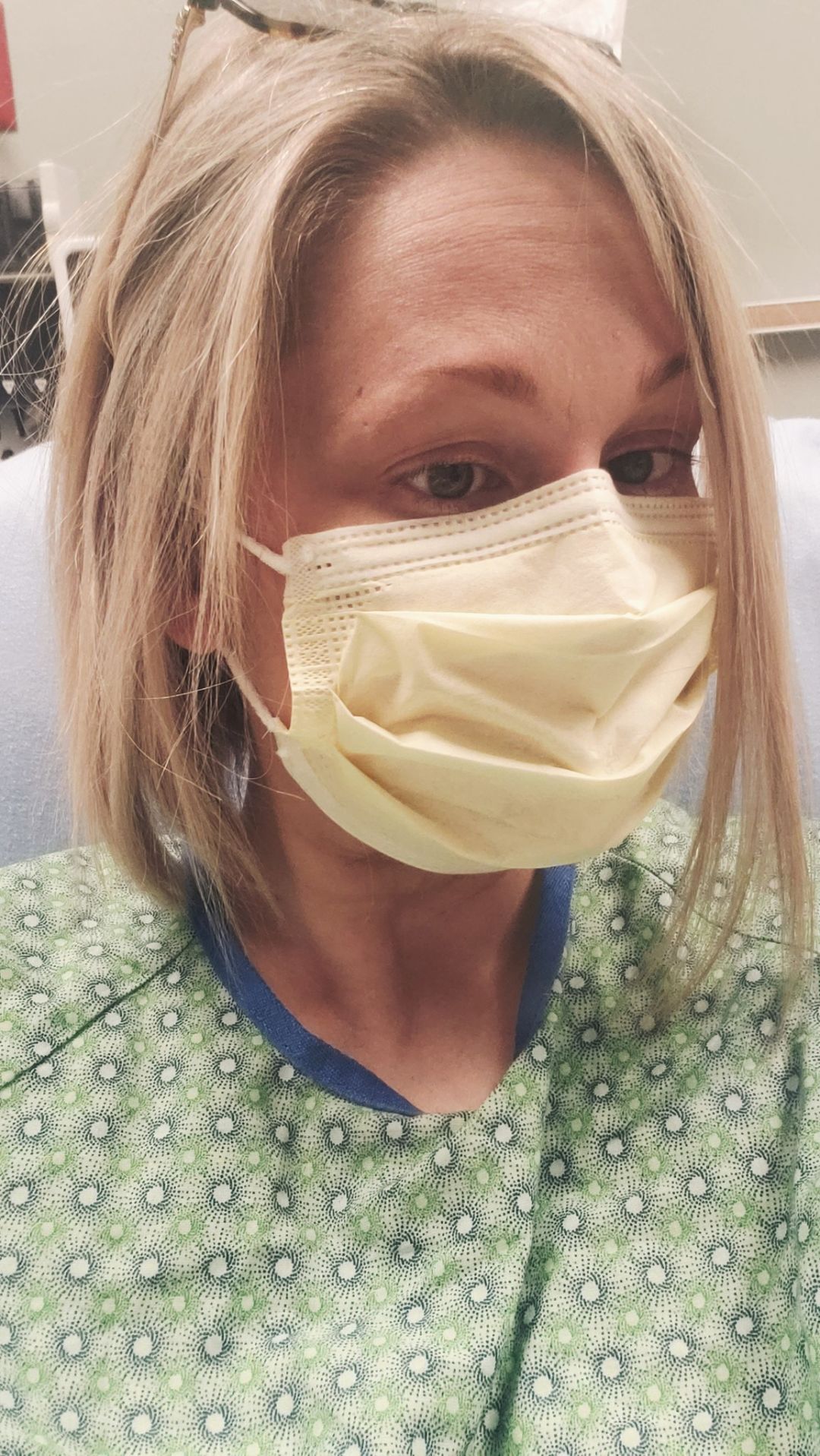
When Tyler Sandberg rushed his brother to a Denver emergency room on Saturday, the previously healthy 33-year-old was assessed for coronavirus and sent home without a test.
“The doctor explained that he is young and could fight the suspected COVID at home,” says Sandberg, a lobbyist for education reform with Ready Colorado.
Sandberg wants Coloradans to realize that the problems we’re seeing in New York and California have come to our backyard. “Seeing what they’re struggling through was frightening. They were triaging care…focusing on those most at risk.”
This is a common refrain throughout the state. No one knows how many tests are available. On Sunday, the Colorado Department of Public Health and Environment tweeted “Don’t wait to get tested before you start self-isolating.” But on its website, the CDPHE appears to back off of that statement, posting: “Ideally, everyone who wanted a test would be able to get one, but right now, that is not possible.”
Sandberg’s brother, who spent two hours in the ER and was sent home to recover, was told by the doctor that it was crazy in the back of the hospital.
“I think there’s frightening activity within the walls of the hospital,” says Sandberg, who himself spent eight days sick with what he believes was the illness. He has a warning for all Coloradans: the virus is not just for old people.
“My brother was in perfect health. Not a smoker, goes to the gym several days a week,” explains Sandberg. “He had pain in the chest for multiple days, fever, aches and pains. And he couldn’t find a thermometer in the stores, so he had to order one online.”
He is still too sick to interview with Colorado Politics. Sandberg asked that his brother not be identified by name because he is not in a position to answer phone calls and texts from curious friends.
Increasing positives, rising medical need
CDPHE’s latest numbers from Sunday indicate there are 2,307 Coloradans infected with the virus, but that number has an asterisk because those are the people who have been sick enough to be tested, or “…where public health epidemiologists have determined that infection is highly likely because a person exhibited symptoms and had close contact with someone who tested positive.”
The category of highly likely but untested patients, the CDPHE admits, represents just a small number of suspected coronavirus-infected patients.
Latest CDPHE numbers show that out of 14,470 Coloradans who’ve been tested, 2,307 are positive for COVID-19. That means 12,613 of those tested did not have the virus.
As of Sunday, 46 counties now have at least one positive case, and there have been 47 deaths. El Paso County has had the most deaths from COVID-19, at 11.
On March 25, Gov. Jared Polis issued a statewide home order.
In his press briefing two days later, Polis said Colorado plans to add 1,000 intensive care unit hospital beds in May to the 1,849 beds it has now, and then 5,000 more by summer.
This sounds like a solid number, but in a worst-case scenario, he adds, they would need 13,800 by the end of April.
The state currently has 900 ventilators, but could need nearly 7,000 if the COVID-19 outbreak continues its exponential growth.
“I feel like my lungs have been scrubbed with a Brillo pad and my head hurts”
JoyAnn Ruscha, a 35-year-old with asthma, hasn’t been tested for coronavirus either, even though she went to the hospital on the recommendation of her doctor with symptoms but was then sent back home. “Every doctor and nurse bet on it. I had COVID and I was lucky to be in good health when it started.”
On March 9, the policy and public affairs specialist started feeling pain in her chest, so she saw the rotating doctor at the Capitol. By March 15, she was sure she had contracted the virus, so she self-isolated. Three days later, she was so sick, she went to bed, and after a medical teleconference on March 20, went to the ER where she was hospitalized and then sent home.
“I was discharged because I was young and there were no signs of a clot or damage to my heart. They don’t have enough tests, so mine was canceled to reserve it for the elderly or more critical.”
Ruscha is still at home in bed, with a soreness like she’s never felt.
“I feel like my lungs have been scrubbed with a Brillo pad and my head hurts,” she says. She now wishes she had been tested for COVID-19 because the uncertainty is filling her with anxiety.
“With an unknown it makes it more difficult,” says Ruscha. “I’ve had bad flu, asthma attacks from bronchial infection … but never ever been knocked out like this for this long. It’s crazy.”
Long wait for results breeds uncertainty
Jolene Klein was tested for flu and coronavirus at a drive-up site in Fort Collins. The flu test came back negative on March 24, but she’s still on hold wondering if she has COVID-19.
The personal trainer wrote on the CDPHE Facebook page:
“This is day 11 of waiting and no test results back yet. Feeling better thankfully but wish I had not been tested. Waiting this long and wondering only added to the stress levels and fear.”
She tells Colorado Politics she got tested after a vacation that took her through southern Florida. Her symptoms showed up before she returned home. Though she hasn’t seen her test results, “the anxiety was definitely beginning to creep in. I surely did not want to take a test without needing ER care but at the same time I really needed to be proactive given my symptoms with a low-grade fever for days on end. It was a tough place to be in. I’m sure for my doctor and nurse as well.”
An email inquiry for an interview with state epidemiologist Rachel Herlihy got this response: “I am currently responding to an urgent public health matter that may delay my response.”
State officials announced late last week that it has ramped up its testing capability and eliminated a 2,600-case backlog; calls and emails to the public information officer for clarification on why there are still so many questions about testing in Colorado went unanswered.
Sandberg says the hospital staff didn’t even ask for his brother’s insurance. “They were just trying to save lives.”

Registered voters on the eve of the 2026 primaries | Cronin & Loevy
Tom Cronin Bob Loevy
tom-cronin-bob-loevy@coloradopolitics.com
Updated 2 days ago
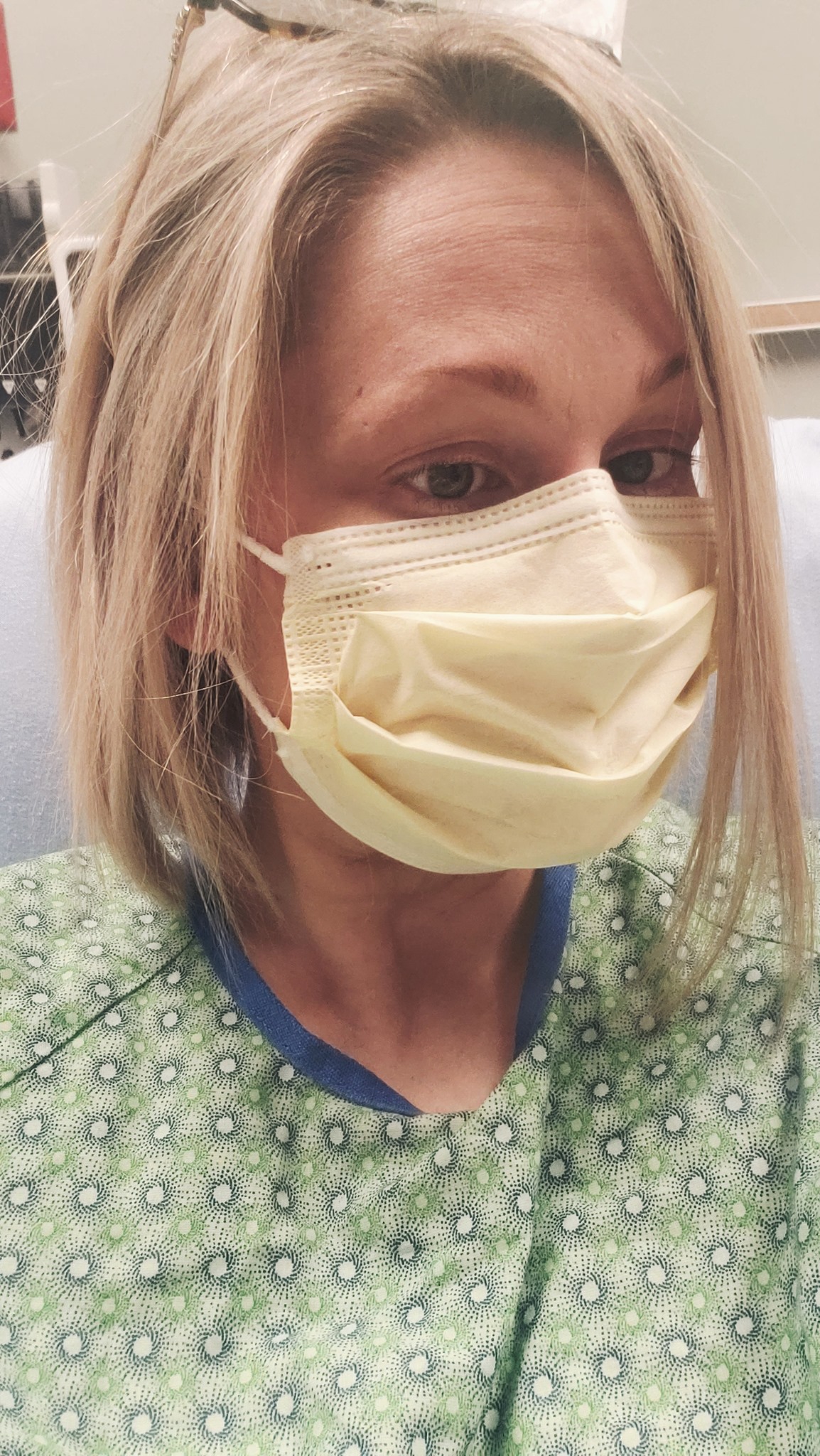
The Colorado Secretary of State’s Office has published the latest voter registration figures for the state and its counties as of June. Colorado ranks among the highest states for independent, or unaffiliated, voters. Only Alaska and Massachusetts have more. New Hampshire, New Jersey, Maine and Oregon also rank highly. So here...
A decade after Standing Rock protests, Dakota Access oil pipeline segment gets OK | OUT WEST ROUNDUP
The Associated Press
the-associated-press@coloradopolitics.com
Updated 5 days ago
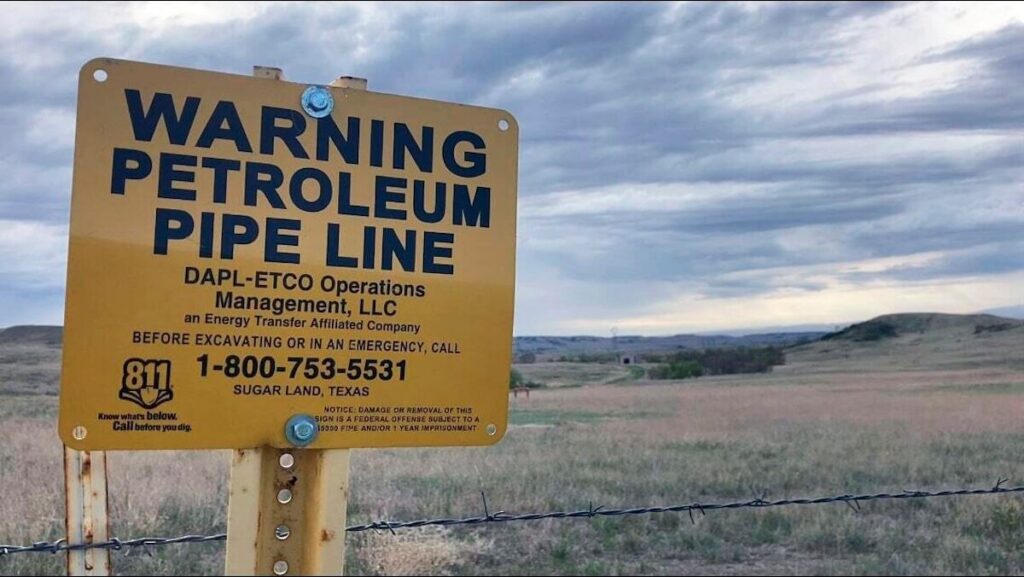
NORTH DAKOTA Pipeline segment OK’d BISMARCK — Federal officials on May 21 gave final approval for the Dakota Access oil pipeline to continue operating its contentious Missouri River crossing, an outcome that comes nearly a decade after boisterous protests against...
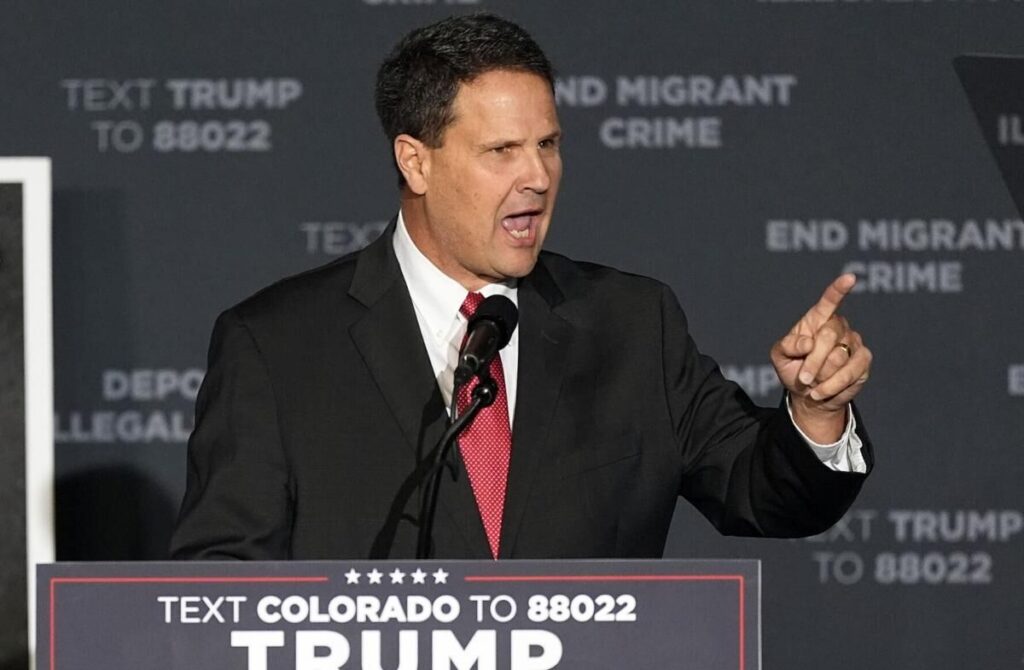
Rep. Jeff Crank thinks Democrats are too focused on Trump, not enough on Colorado Springs | Vince Bzdek
Vince Bzdek
vince.bzdek@gazette.com
Updated 16 hours ago
For U.S. Rep. Jeff Crank, who’s unopposed in the Republican primary for the 5th Congressional District but the main target of both candidates in the lively Democratic primary, the big question in the midterms is not who will stand up...

Colorado Politics Calendar June 22-28
Rachael Wright, Special to Colorado Politics
rachael.wright@coloradopolitics.com
Updated 5 days ago
CoPo’s weekly political calendar will help you find political and public-policy events throughout Colorado. It includes candidate and issue campaign events, public policy meetings, court hearings, state and local party conventions, assemblies, debates, rallies, parades, speaking engagements, traveling dignitary appearances,...
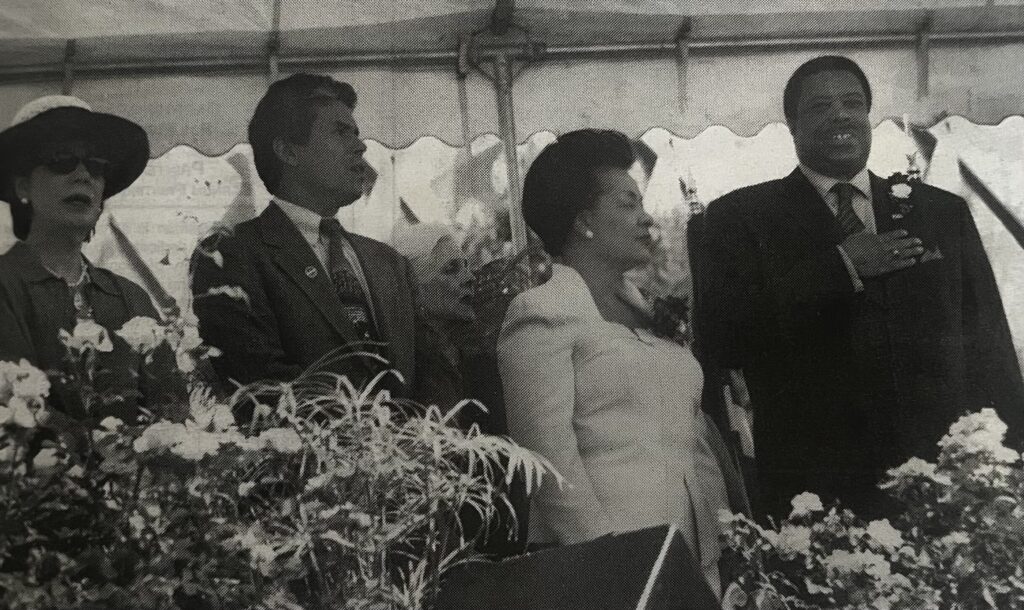
Vice president attends Denver event to support energy freedom; more news from the past | A LOOK BACK
Rachael Wright, Special to Colorado Politics
rachael.wright@coloradopolitics.com
Updated 5 days ago
Forty-Five Years Ago This Week: Vice President George H.W. Bush flew to Denver to address the annual meeting of the American Association of Petroleum Landmen, where he assured the audience that the Reagan administration’s strong belief was that the private...

Does character matter anymore? | SONDERMANN
By Eric Sondermann
by-eric-sondermann@coloradopolitics.com
Updated 5 days ago
The last few weeks have been illuminating in the manner of a headlamp pointing the way to some deep, dark, murky netherworld. Graham Platner, a hero to the populist set on the Democratic side, became his party’s Senate nominee in...

A special edition of Capitol M: In remembrance of the outrageous Lynn Bartels
Marianne Goodland
marianne.goodland@coloradopolitics.com
Updated 3 days ago
I had Lynn Bartels envy. For almost longer than I can remember. There, I said it. And it’s true. Lynn died Friday, age 69, after a short battle with glioblastoma. I was just heartsick when that news of her diagnosis...

Bernie Sanders endorses DeGette challenger Melat Kiros in Colorado’s 1st CD Democratic primary
Ernest Luning
ernest.luning@coloradopolitics.com
Updated 3 days ago
U.S. Sen. Bernie Sanders on Friday endorsed congressional candidate Melat Kiros, one of two Democrats challenging 15-term U.S. Rep. Diana DeGette in Colorado’s June primary. Sanders, a Vermont independent who caucuses with the Democrats, called the 29-year-old Kiros “exactly the...
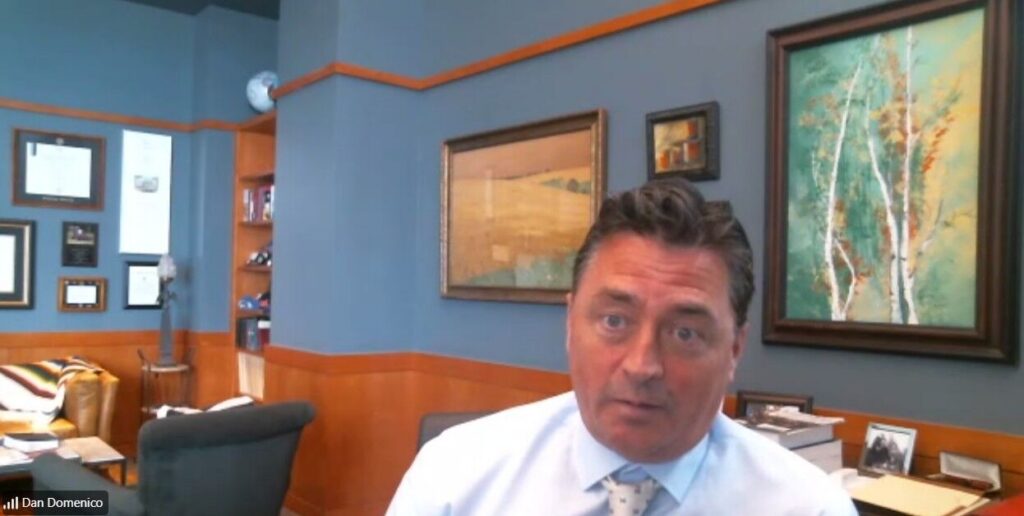
Trump’s 10th Circuit nominee recuses from cases against federal government without explanation
Michael Karlik
michael.karlik@coloradopolitics.com
Updated 19 hours ago
President Donald Trump’s nominee to fill a vacancy on the Denver-based federal appeals court recused himself without a clear explanation from nine cases against the executive branch while he was undergoing vetting by the White House this spring. U.S. District...

Trump’s low approval unchanged as Iran war perceptions continue to plague him
Rena Rowe, Washington Examiner
rena.rowe.washington.examiner@gazetteedit.wpenginepowered.com
Updated 3 days ago
A new poll shows most Americans disapprove of President Donald Trump’s handling of Iran, with views on the issue closely mirroring his overall job approval rating. Just 37% of U.S. adults approve of the way Trump is handling his presidency,...
PREV
PREVIOUS

RTD riders with disabilities can now access grocery delivery service during COVID-19 crisis
As the Regional Transportation District slashes bus and light rail service in response to the raging coronavirus pandemic that’s wrecked its ridership, the agency is rolling out new services to help its most vulnerable passengers and keep its drivers employed. Grocery delivery service, as of Monday, is now available to customers of RTD’s Access-a-Ride, which […]

Democratic super PAC reserves $5.2 million in ad time for Colorado's U.S. Senate race
The largest U.S. Senate-focused Democratic super PAC on Monday plunked down $5.2 million for fall TV advertising aimed at unseating U.S. Sen. Cory Gardner. It’s part of the Senate Majority PAC’s ad reservations in five battleground states totaling nearly $70 million. The buys come a week after the group’s Republican counterpart, the Senate Leadership Fund, […]