

State Supreme Court rules in favor of officer in Colorado Springs drug arrest
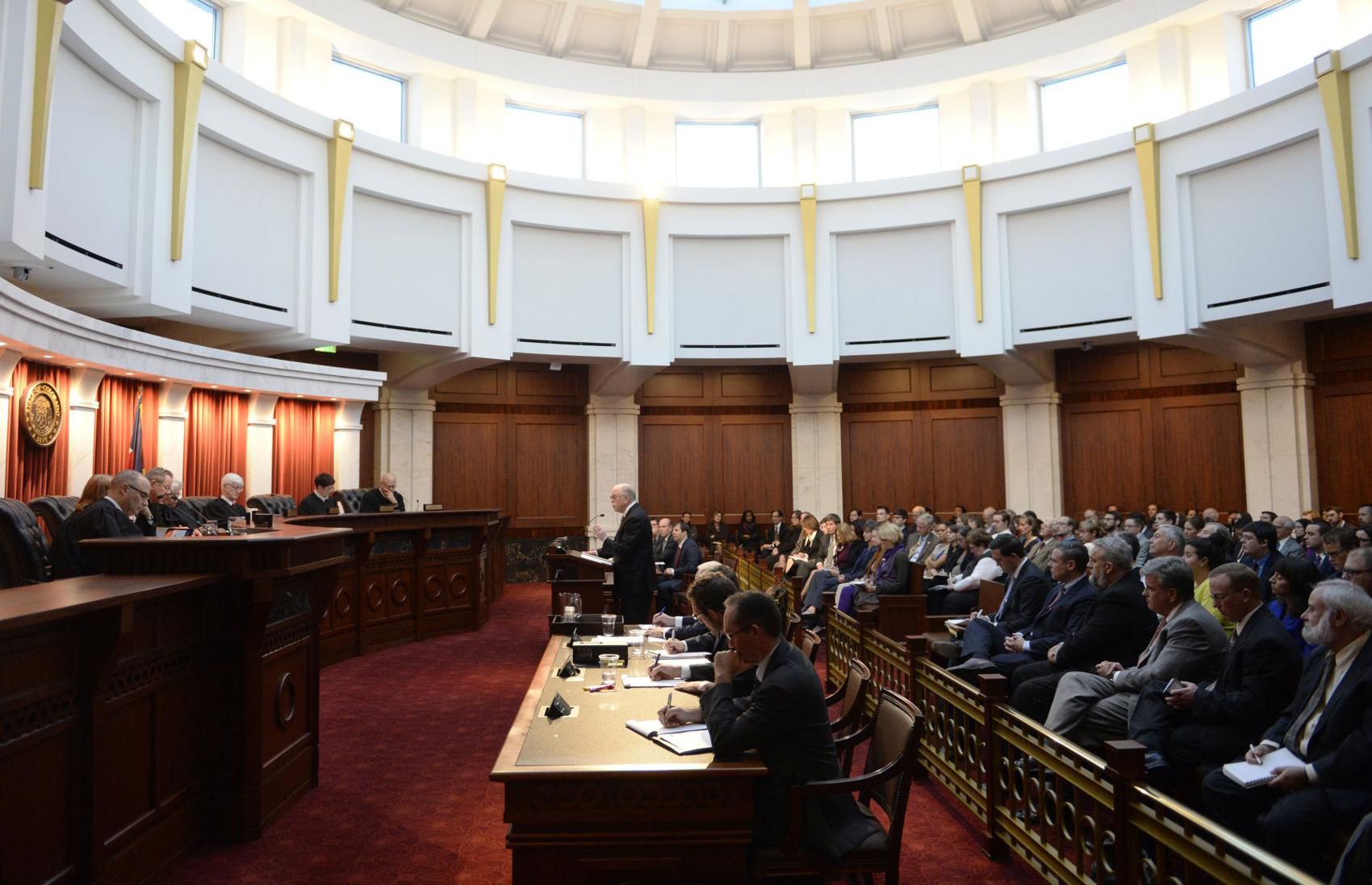
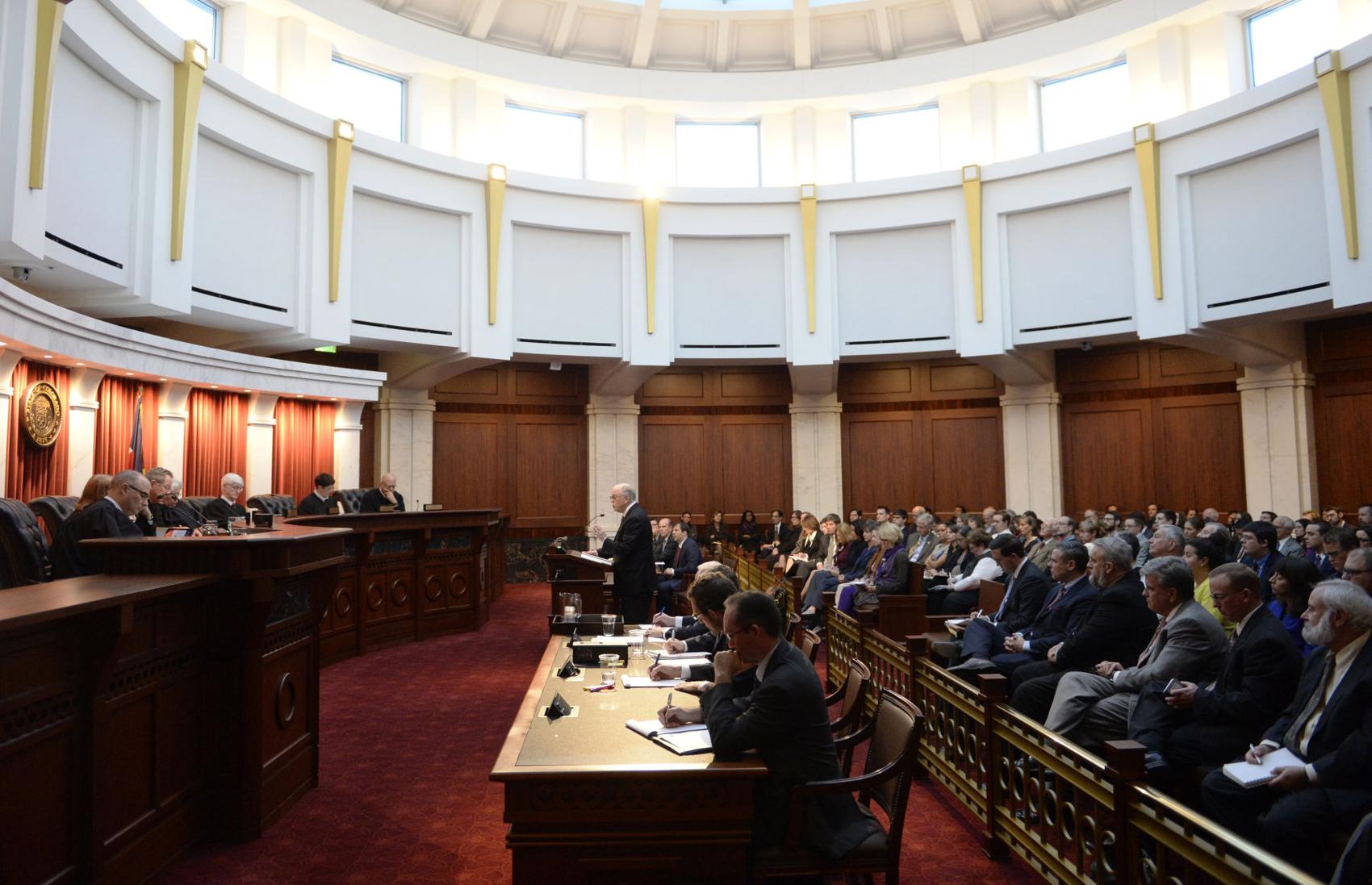
The state Supreme Court on Monday ruled that a police officer did not exceed his authority by asking to see a pill bottle containing methamphetamine during an investigatory stop on suspicion of domestic violence.
A man told police in Colorado Springs that Tony Lee Ashford and Ashford’s girlfriend had gotten into an argument with him. The man expressed concern that Ashford would “lay hands” on the girlfriend and that Ashford sold methamphetamine. When another officer stopped the couple to inquire about the abuse allegations, he patted Ashford down for weapons.
“I know this is a pill bottle, what is it?” the officer asked after feeling the object. Ashford produced the bottle, and showed that it contained baggies of methamphetamine. The officer arrested Ashford, who was charged with possession of a controlled substance and possession with intent to manufacture or distribute, among other charges.
A district court found that while the officer had a legitimate reason to detain Ashford, he “exceeded the reasonable scope of the suspicion that [he] had for the initial contact” when he asked to see the pill bottle, which he knew to not be a weapon. The court then suppressed all of the evidence of seized drugs.
Justice Brian D. Boatright, writing for the Supreme Court, reversed the lower court’s decision, finding that the officer’s conduct “did not exceed the scope of the investigatory stop.” An investigatory stop, also known as a Terry stop, is based upon an officer’s reasonable suspicion of criminal activity, rather than probable cause. Off-topic questioning is permissible during the stop if it does not “reasonably extend” the stopped party’s detainment.
“The officer asked a single question, which took mere seconds,” Boatright wrote. He cited a 2017 case in which the Supreme Court affirmed an officer who was shown drug paraphernalia after he suspected an impending domestic violence incident between a couple. As with that case, Boatright continued, “The question asked here was minimally intrusive and did not measurably extend the investigatory stop.”
The case is The People of the State of Colorado v. Tony Lee Ashford.

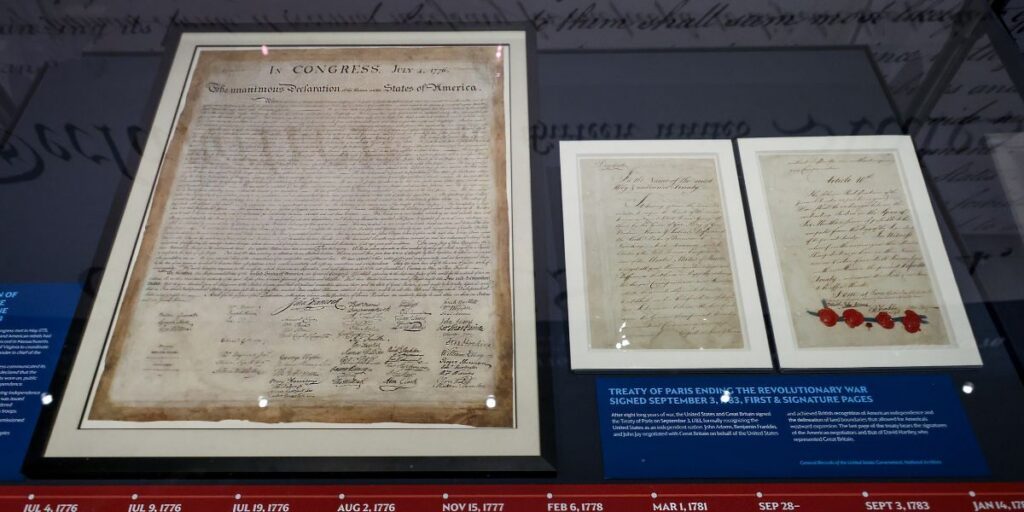
Founding documents reconnect us to our shared American roots – and rebelliousness | Vince Bzdek
Vince Bzdek
vince.bzdek@gazette.com
Updated 2 hours ago
When you first lay eyes on the actual founding documents of our country that, for the first time in history, have traveled together from their gilded cages in Washington to visit us out here in the hinterlands, you’re struck not...
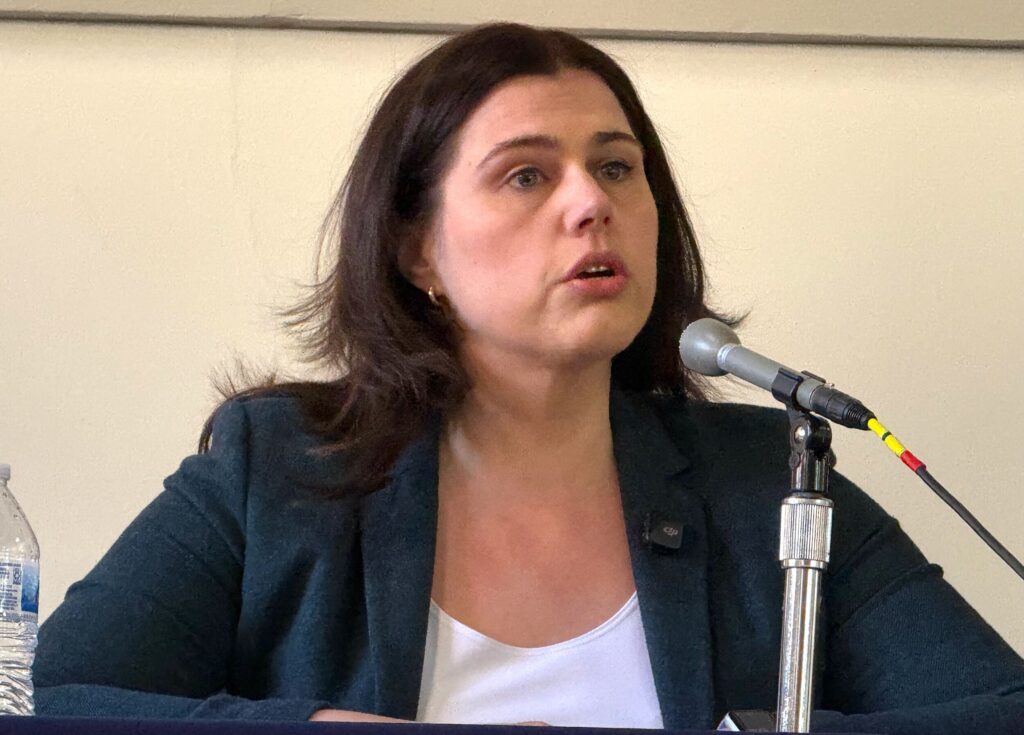
Would you hire Jena Griswold to handle your case? | SONDERMANN
By Eric Sondermann
by-eric-sondermann@coloradopolitics.com
Updated 4 days ago
If you were in a child custody dispute with a former spouse, would you hire an attorney with experience in family law or would you trust your case to an operative with virtually zero mastery? If you were getting ready...

Colorado Politics Calendar June 1-7
Rachael Wright, Special to Colorado Politics
rachael.wright@coloradopolitics.com
Updated 3 days ago
CoPo’s weekly political calendar will help you find political and public-policy events throughout Colorado. It includes candidate and issue campaign events, public policy meetings, court hearings, state and local party conventions, assemblies, debates, rallies, parades, speaking engagements, traveling dignitary appearances,...
Colorado General Assembly Dems kill early effort to protect children from online content | A LOOK BACK
Rachael Wright, Special to Colorado Politics
rachael.wright@coloradopolitics.com
Updated 3 days ago
Twenty-Five Years Ago This Week: Legislation sponsored by state Rep. Tim Fritz, R-Loveland, sought to use software to prevent children from violent, pornographic, or hateful materials. But after the Senate Judiciary Committee attached an “unfriendly” amendment, House Bill 01-1376 died...
Gov. Jared Polis vetoes bill requiring disclosure from administration lobbyists
Marianne Goodland
marianne.goodland@coloradopolitics.com
Updated 3 hours ago
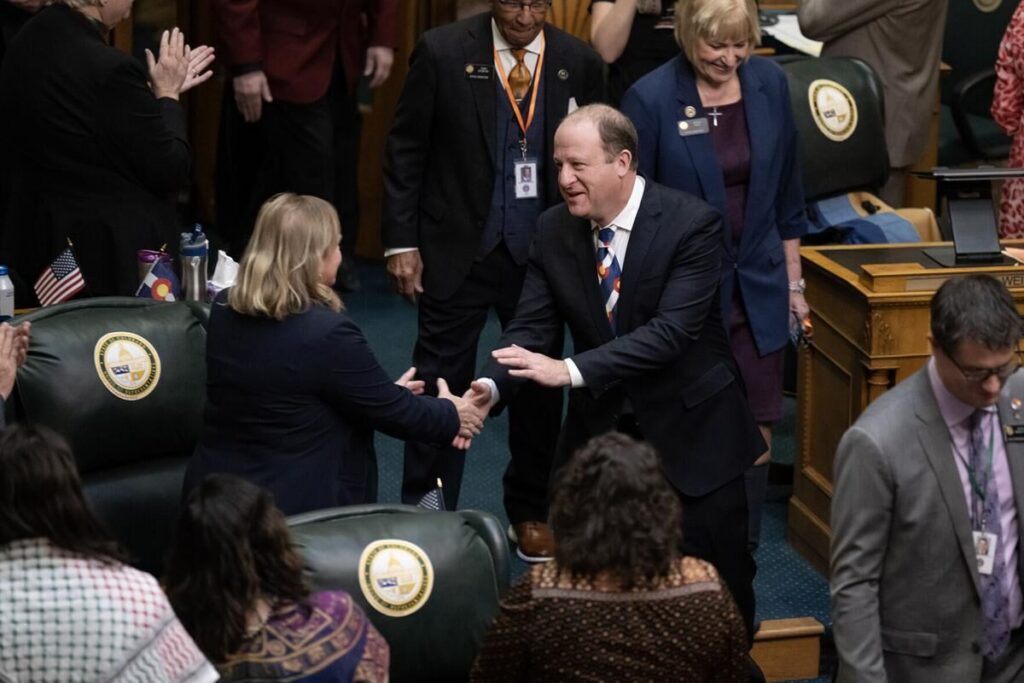
Gov. Jared Polis on Friday vetoed a bill that would have required executive branch lobbyists to follow much of the same disclosure rules that already govern other Capitol lobbyists. Lobbyists for organizations are required to state their clients’ position on...

Gov. Jared Polis blocks Colorado Lottery’s move to allow credit card sales
Marianne Goodland
marianne.goodland@coloradopolitics.com
Updated 3 hours ago
Gov. Jared Polis on Friday signed legislation to block the Colorado Lottery’s move to allow the purchase of tickets with credit cards, effectively reversing his earlier position. Last November, Polis had said that he supported the decision of the Colorado...
Colorado governor vetoes union dues bill — again
Colorado Politics
colorado-politics@coloradopolitics.com
Updated 23 hours ago
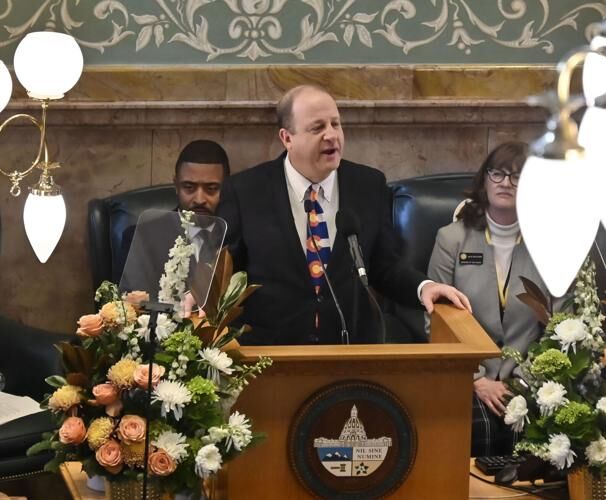
Gov. Jared Polis on Friday vetoed yet again legislation that would have made it easier for labor organizations to impose dues on non-union members, a decision long expected after the legislature approved the measure without securing the buy-in of businesses....

Colorado Democratic attorney general candidates clash over experience and Trump lawsuits
Marianne Goodland
marianne.goodland@coloradopolitics.com
Updated 22 hours ago
Colorado’s four Democratic candidates for attorney general clashed sharply Thursday night in a debate that repeatedly returned to one theme — whether the state’s top lawyer should be a courtroom veteran or a political fighter. The contenders additionally sparred over...
DOJ reviewing Boebert concerns about Washington Nationals discriminating against Christian pitcher
Emily Hallas, Washington Examiner
emily.hallas.washington.examiner@gazetteedit.wpenginepowered.com
Updated 1 day ago
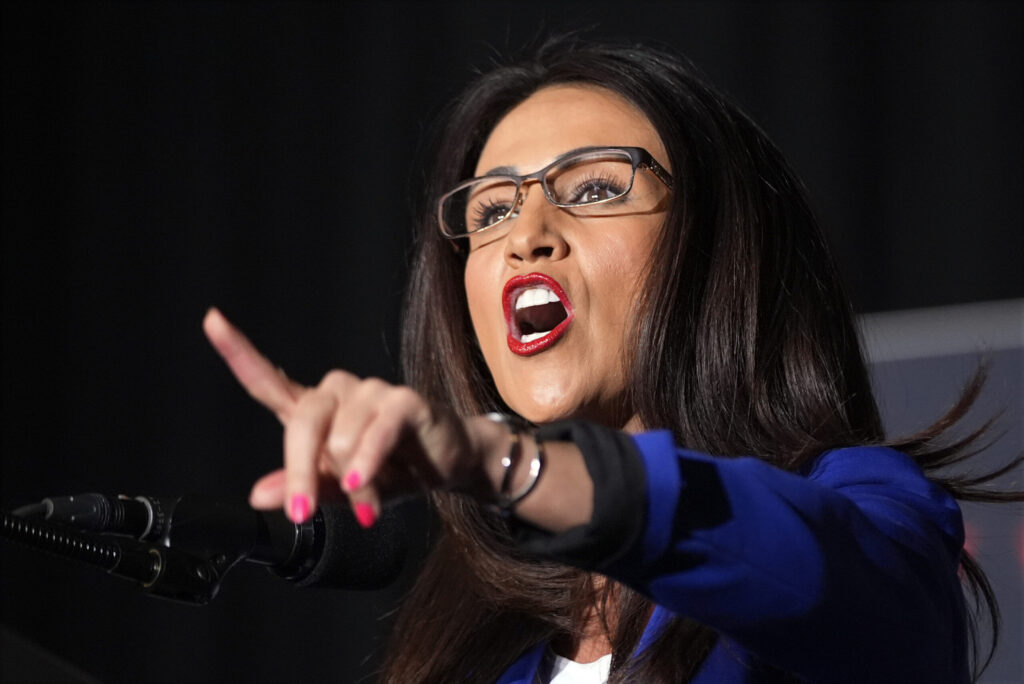
The Justice Department on Thursday promised to examine allegations that Washington, D.C.’s major league baseball team discriminated against one of its pitchers on religious grounds. Rep. Lauren Boebert (R-CO) sent a letter to the DOJ this week, requesting it probe...
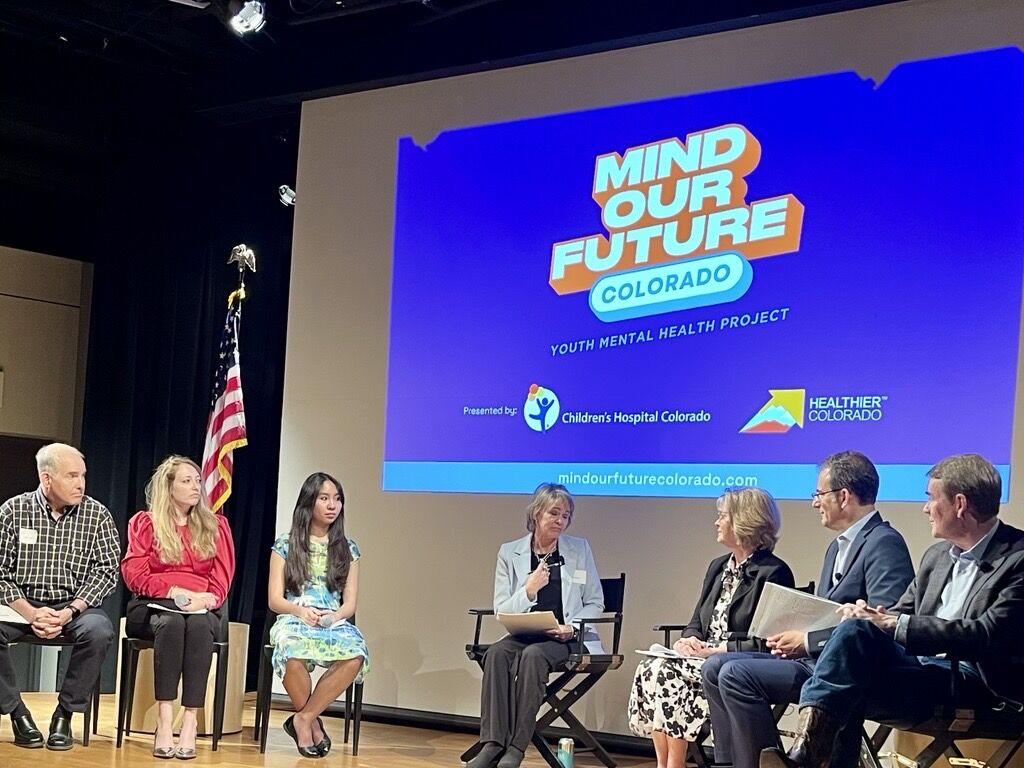
Colorado candidates for governor share plans to tackle youth mental health crisis
Marissa Ventrelli
marissa.ventrelli@coloradopolitics.com
Updated 20 hours ago
Three candidates for Colorado’s highest elected office laid out their plans to address the state’s youth mental health crisis during a forum on Thursday. Democratic Attorney General Phil Weiser, U.S. Sen. Michael Bennet, and Republican State Sen. Barbara Kirkmeyer fielded...
PREV
PREVIOUS

Colorado celebrates Weights and Measures Week
Colorado pays homage to the accurate calibration of commercial weighing and measuring equipment this week, as Gov. Jared Polis declared March 1-7 “Weights and Measures Week.” “Guaranteeing the accuracy of weights and measures is one of the oldest and most important activities of government,” says Hollis Glenn, director of the Division of Inspection and Consumer […]

Boulder County commissioners extend oil, gas moratorium
Boulder County commissioners on Monday voted to extend the moratorium on new oil and gas development applications from its former expiration date on March 28 to a new date of July 31. “We are not going to be able to do this justice or allow for adequate public review for these updated regulations under the […]