

Title Board receives objections to 4 out-of-school learning ballot initiatives
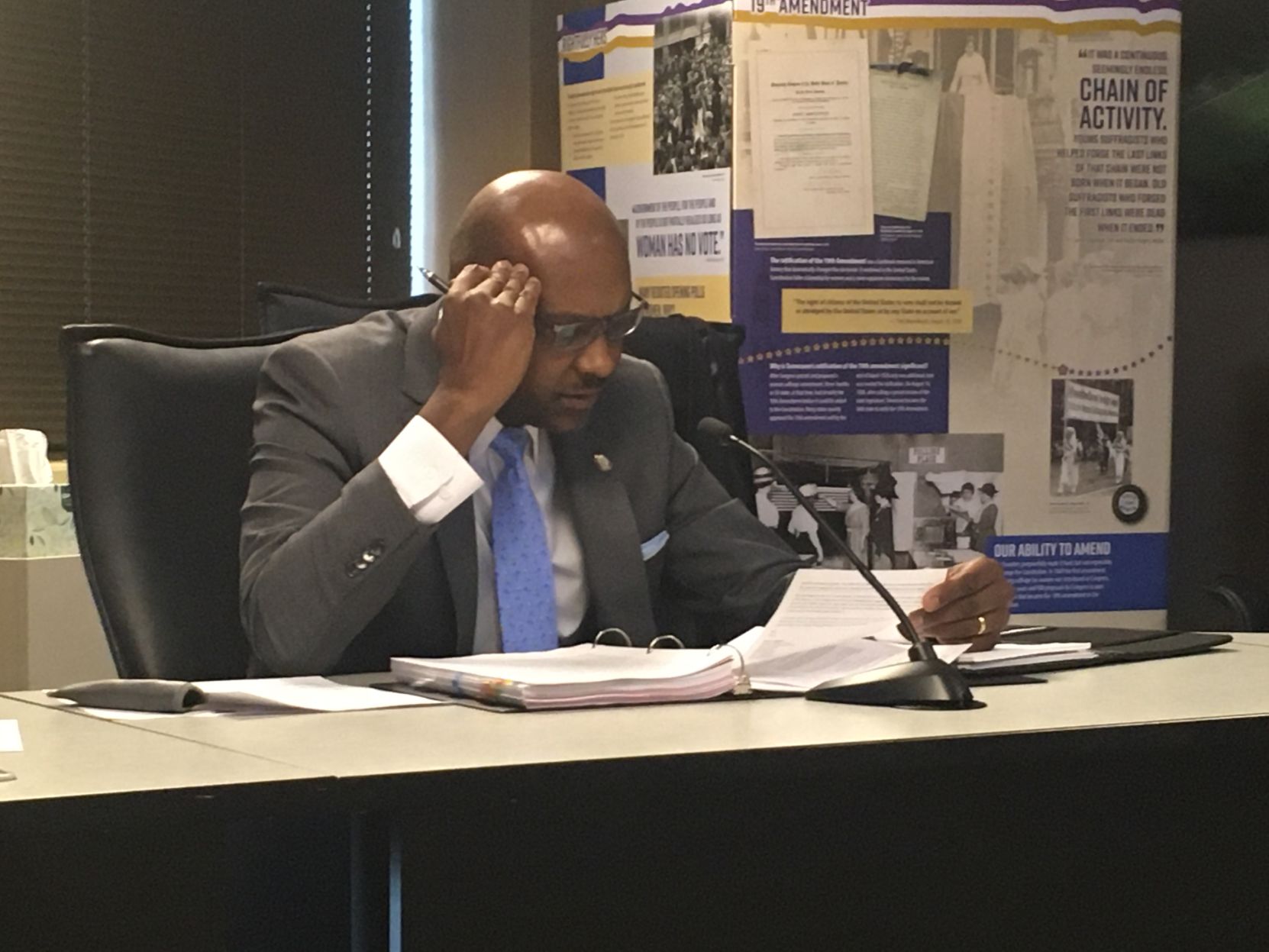
The state’s Title Board will hold a rehearing on four proposed initiatives designed to create an agency for out-of-school learning opportunities, after a Boulder man objected to the measures’ ballot titles.
Kenneth Nova’s rehearing request cited that the title language set on Jan. 15 is “legally flawed,” and that two of the initiatives violate the single subject requirement.
The measures, authored by the Donnell-Kay Foundation and other advocates, would fund a new out-of-school learning opportunities agency through a combination of a new income tax deduction and the limitation or elimination of the net operating loss tax deduction for corporations. Each version of the proposal has a different iteration of the funding mechanism, which sunsets in 2035.
Proponents plan for the net operating loss limitation to increase money to the state’s general fund, offsetting money given to the agency through the income tax deduction. Nova, through his lawyers Thomas M. “Trey” Rogers III and Mark G. Grueskin, argued that this backfilling of money to the general fund is “not sufficiently connected to the measure’s purpose.”
“While reducing the measure’s impact on the general fund may be politically expedient and helpful to Proponents in campaigning for the measure, doing so is not necessarily or properly connected to the creation of the Program,” they wrote.
Even if the Title Board finds that the measures comply with the constitution’s single-subject requirement, Rogers and Grueskin observed that in some years the state will experience a net loss of revenue, and in others, it will experience a net gain through the interlocking funding mechanisms. It is misleading, they said, to call such an effect an “offset” in the title.
The motion for rehearing also alleged that the title violates the requirements of the Taxpayer Bill of Rights by stating that the tax increase will be “on corporations” and by citing the amount of taxes raised in the first year, rather than in the final year of the program. Finally, motion claimed that the ballot titles omit what Nova believes to be “central features” of the proposals.
Nova had previously taken his objections on two similarly-worded ballot measures to the Supreme Court. The justices earlier this month allowed the initiatives’ titles to stand based on procedural grounds.
The Title Board will consider the objections at a Feb. 5 rehearing.


Colorado Politics Calendar Aug. 3-9
Rachael Wright, Special to Colorado Politics
rachael.wright@coloradopolitics.com
Updated 3 days ago
CoPo’s weekly political calendar will help you find political and public-policy events throughout Colorado. It includes candidate and issue campaign events, public policy meetings, court hearings, state and local party conventions, assemblies, debates, rallies, parades, speaking engagements, traveling dignitary appearances,...
The primary political reform and precondition for all others | SONDERMANN
Eric Sondermann
eric-sondermann@coloradopolitics.com
Updated 3 days ago
In its current state, the American political system has no end of ailments. Far too many factors accelerate polarization and work against moderation and narrowing the differences. Media, and the way so many citizens limit themselves to agreeable, reinforcing sources,...
Susemihl wins surprise victory to replace Steve Durham as Colorado Springs state senator | A LOOK BACK
Rachael Wright, Special to Colorado Politics
rachael.wright@coloradopolitics.com
Updated 3 days ago
Forty-five years ago this week: In a closed session, the vacancy committee for Colorado’s Senate District 12 selected attorney Peter Susemihl to complete Sen. Steve Durham’s, R-Colorado Springs, term. Durham resigned his seat to become Region 8 Director of the...

10th Circuit partially revives lawsuit over 2020 Denver protest injuries
Michael Karlik
michael.karlik@coloradopolitics.com
Updated 15 hours ago
The Colorado-based federal appeals court revived a man’s claims against Denver on Friday after concluding a trial judge resolved the case in the city’s favor without analyzing two of the three instances of alleged excessive force and other constitutional violations....
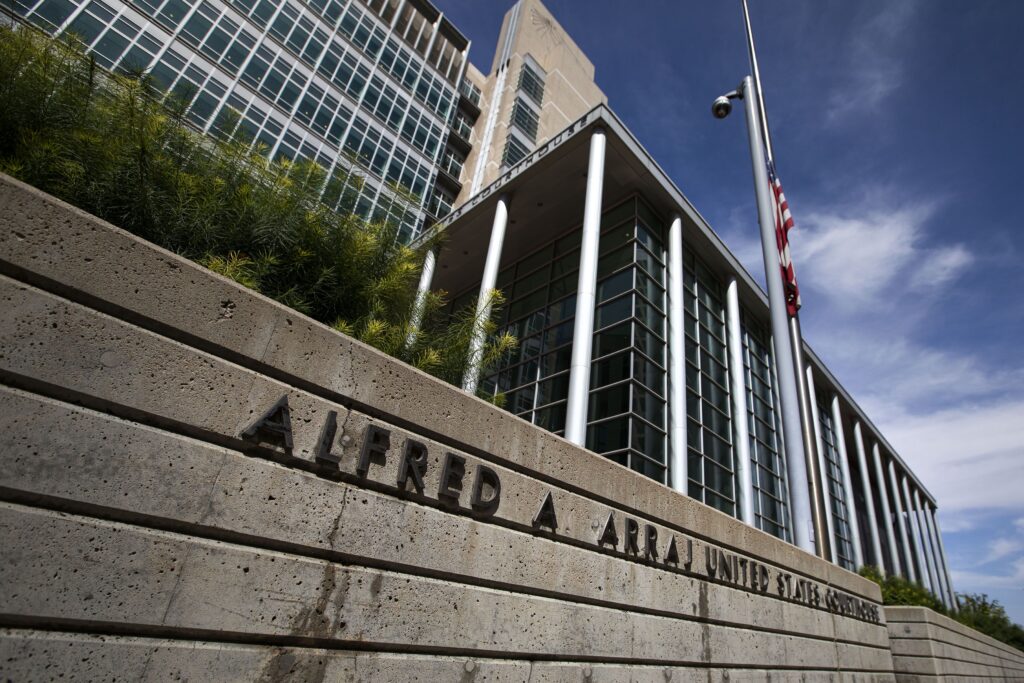
Federal judges find Colorado immigration judge violated several orders
Michael Karlik
michael.karlik@coloradopolitics.com
Updated 16 hours ago
Multiple federal judges in Colorado have freed people from immigration custody after determining that one immigration judge violated their directives for properly conducting bond hearings. For nearly a year, Colorado’s U.S. District Court has faced a flood of “habeas corpus” petitions...
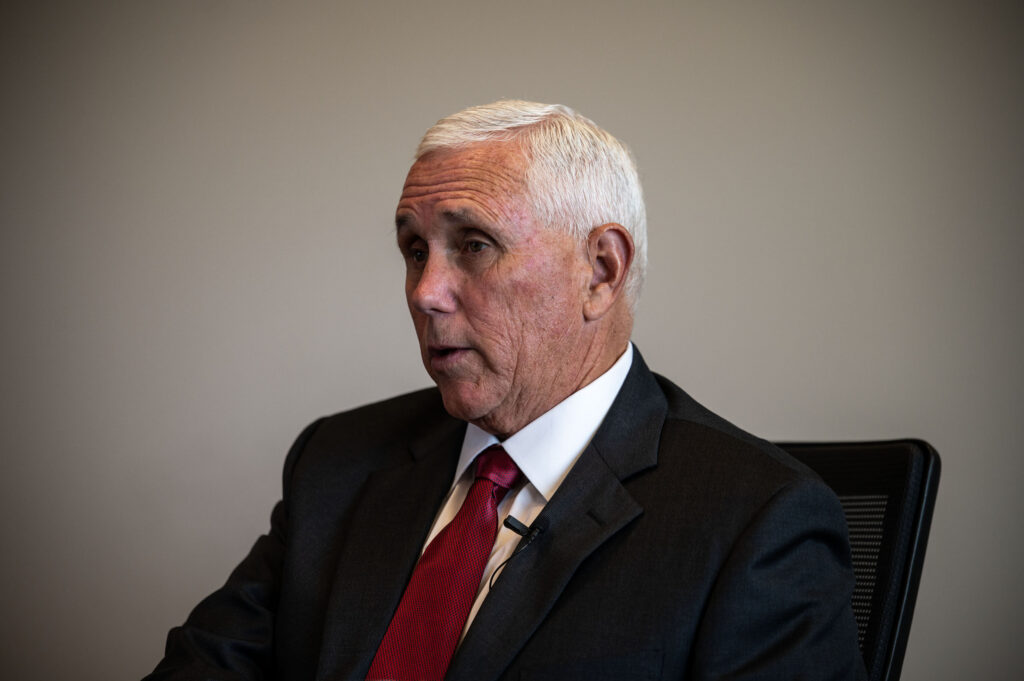
Q&A with Mike Pence | Former vice president says GOP’s populist turn from conservatism isn’t permanent
Ernest Luning
ernest.luning@coloradopolitics.com
Updated 16 hours ago
Former Vice President Mike Pence says he’s concerned that the Republican Party has taken a populist turn away from bedrock conservative principles during President Donald Trump’s second term, but he believes the party will return to its roots when Trump...
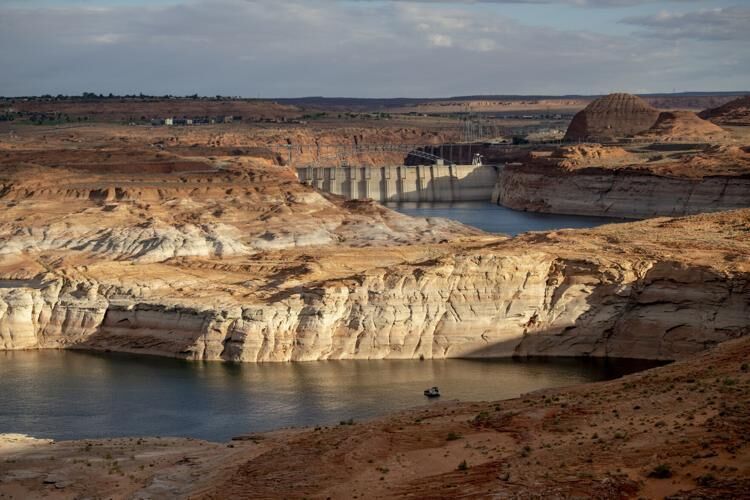
New federal plan sets short-term rules for Colorado River management
Marianne Goodland
marianne.goodland@coloradopolitics.com
Updated 15 hours ago
Interior Department’s plan spares Colorado from mandatory cuts for now After years of stalled negotiations among the seven states that rely on the Colorado River, the federal government on Friday released its own plan for managing the drought-strained system. Calling...
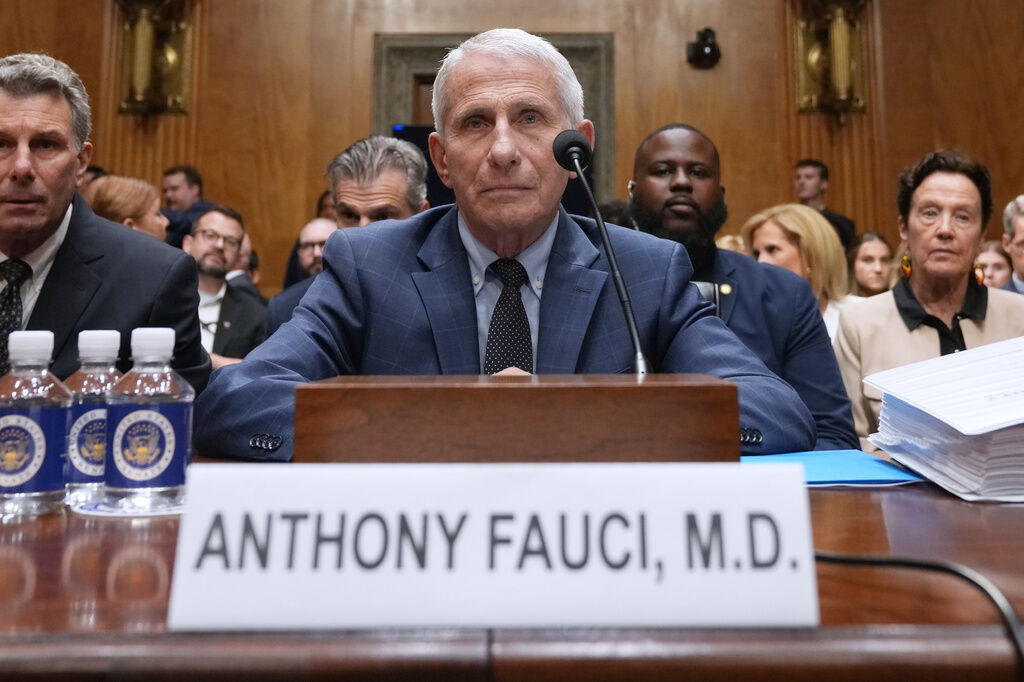
Fauci’s diary details blooming outrage toward ‘far right,’ softness toward Biden and China
Hudson Crozier
hudson.crozier@washingtonexaminer.com
Updated 20 hours ago
Dr. Anthony Fauci increasingly railed against “far right” critics of his approach to COVID-19 issues while describing strong support from the Biden White House in his pandemic-era diary, which was recently released by Congress. The former National Institute of Allergy...

Colorado is spared mandatory cuts under federal Colorado River proposal
The Associated Press
the-associated-press@coloradopolitics.com
Updated 21 hours ago
California, Arizona and Nevada to take less water under plan While Colorado has been spared from mandatory reductions, Arizona, California and Nevada would take less water from the Colorado River under a proposal announced Friday by the federal government to...

Republican Victor Marx taps George Markert as his lieutenant governor pick in Colorado’s gubernatorial race
Ernest Luning
ernest.luning@coloradopolitics.com
Updated 14 hours ago
Colorado Republican gubernatorial nominee Victor Marx named George Markert, a retired Marine colonel, as his running mate for lieutenant governor Friday morning, saying the former U.S. Senate candidate will bring “exceptional character, proven leadership and a lifetime of serving others”...
PREV
PREVIOUS

Pueblo kicks off 'Maker City' initiative
On Jan. 25, Pueblo inaugurated its year-long campaign to promote creative entrepreneurship, months after being designated a “Maker City” by the online crafts and accessories retailer Etsy. The Pueblo Chieftain reports that part of the designation includes a $40,000 grant to the Southern Colorado Economic Development District. Etsy and its partner, the MasterCard Center for […]
Denver reaffirms its stance as a place of welcome for refugees
In direct response to President Donald Trump, Denver has reaffirmed its position of welcoming refugees who resettle in the community. Councilwoman Jamie Torres during a City Council meeting on Monday night introduced a proclamation restating Denver’s commitment to accepting refugees from other countries. The declaration was adopted in a unanimous vote. The Trump administration in […]