

Proposition CC doesn’t impact senior and disabled vet property tax exemptions, experts say

A rumor making the rounds (including here) is that Proposition CC will eliminate long-cherished property tax exemptions for seniors and disabled military veterans, if it passes on the Nov. 5 ballot.
Not so, say experts such as state Treasurer Dave Young and the state economists who wrote a fiscal analysis of the measure.
Among the reasons: Proposition CC is a statutory measure that seeks to change state law, not the state Constitution. However, the property tax exemptions for seniors and disabled veterans came about from voter approval of not one, but two constitutional measures.
Proposition CC’s language doesn’t even mention those property tax exemptions.
Proposition CC would allow the state to keep all the taxes it collects every year.
Money that would otherwise go out in the form of a refund under the Taxpayer’s Bill of Rights (TABOR), would instead be retained and split into three pots: one for transportation, another to K-12 schools and the third to higher education.
Since 2000, the counties have excused property taxes for up to 50% of the first $200,000 in home value for seniors of at least 65 years old who have lived in their homes for at least 10 years, or to their surviving spouses. In 2006, disabled veterans were added to those who could get their property taxes at least partially excused.
That’s the result of Referendum A, a constitutional amendment that changed Article X, and which voters approved by a 54.7% to 45.2% margin in 2000. The 2006 amendment that expanded the exemption to disabled veterans, Referendum E, won overwhelming approval that year.
The language of Proposition CC, which is a statutory change, meaning it changes state law but NOT the Colorado Constitution, doesn’t mention either the property tax exemption for seniors or the one for disabled veterans, Young said Friday.
The program is administered by the Department of Local Affairs, but the state treasurer is responsible for cutting the checks to the counties that forgive those property taxes.
So why is this an issue? Because TABOR surplus dollars have sometimes covered the property tax exemptions in the past.
If voters approve Proposition CC, the TABOR refund — which has taken place only nine times in the last 26 years — goes away. The property tax exemptions for seniors and disabled veterans would instead be paid from the General Fund, which is supplied primarily by sales, corporate and individual income taxes.
That’s explained in a fiscal note that was written for the Blue Book, the publication sent to voters to explain ballot measures.
The Blue Book fiscal note states: “Because the TABOR surplus will not be available to fund the [senior and disabled veteran] property tax exemptions, these obligations will be funded from General Fund revenue.”
There’s sufficient revenue already expected to cover the 2019-20 and 2020-21 exemptions, so the General Fund wouldn’t be tapped until the following year, the fiscal note explains.
The measure also doesn’t affect tax refunds that people receive when overpaying state taxes and which come from filing their annual tax returns, despite some of the rhetoric against the ballot measure.



Many U.S. Jewish adults have experienced assault or harassment over the past year, poll finds
The Associated Press
the-associated-press@coloradopolitics.com
Updated 3 hours ago
WASHINGTON • Many Jewish adults feel unsafe in the United States, a new AP-NORC poll finds, with a majority saying they feel less safe than they did before Hamas’ Oct. 7, 2023 attack on Israel. The survey from The Associated...
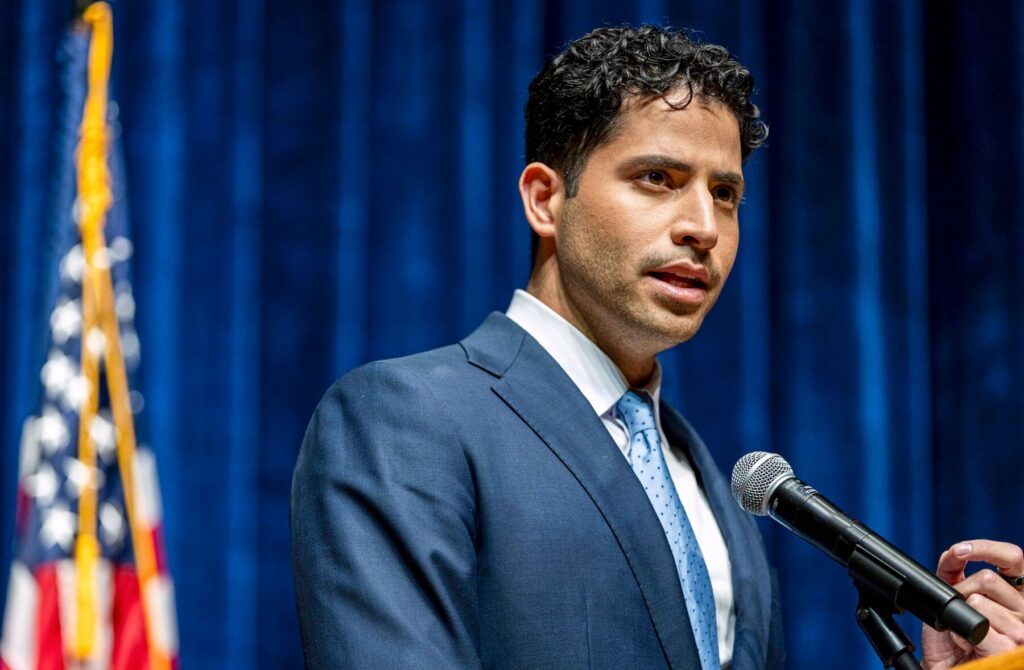
Gabe Evans challenger Manny Rutinel makes House Democrats’ ‘Red to Blue’ program in Colorado’s 8th CD
Ernest Luning
ernest.luning@coloradopolitics.com
Updated 15 hours ago
The House Democrats’ main campaign arm on Thursday added state Rep. Manny Rutinel to its “Red to Blue” program, saying the party’s freshly minted nominee in Colorado’s battleground 8th Congressional District is primed to flip the seat held by Republican...

Victor Marx defeats Barb Kirkmeyer as Colorado’s Republican gubernatorial primary crosses finish line
Ernest Luning
ernest.luning@coloradopolitics.com
Updated 14 hours ago
Republican Victor Marx won Colorado’s Republican gubernatorial nomination on Thursday after maintaining a razor-thin lead over state Sen. Barb Kirkmeyer for more than a week as county clerks finished reporting final, unofficial vote totals. Marx, a missionary leader and first-time...

Rate reductions force Jefferson Center to close key recovery program as Colorado reimbursement rates change
Marianne Goodland
marianne.goodland@coloradopolitics.com
Updated 12 hours ago
A second Front Range community mental health center is eliminating services due to new reimbursement rates set by the Colorado Department of Health Care Policy and Financing (HCPF) that will go into effect on Oct. 1. The Jefferson Center for...

Colorado Supreme Court intervenes in 3 ongoing cases
Michael Karlik
michael.karlik@coloradopolitics.com
Updated 14 hours ago
The Colorado Supreme Court recently intervened in the prosecution of a juvenile defendant and will decide whether he is entitled to have prosecutors demonstrate probable cause at a hearing after a grand jury already determined probable cause existed. The justices...

Republican congressman says he’s unsure if Mitch McConnell is alive: ‘Very discouraging’
Claire Carter
claire.carter@washingtonexaminer.com
Updated 20 hours ago
Rep. Marlin Stutzman (R-IN) on Thursday said he’s unsure if Sen. Mitch McConnell (R-KY) is alive following weeks of speculation since the lawmaker’s hospitalization following a medical emergency last month. McConnell was hospitalized in June for a medical event that...

Denver launches $100 million effort to support 10,000 new jobs
Deborah Grigsby
deborah.smith@denvergazette.com
Updated 17 hours ago
The City of Denver is aiming to support 10,000 quality jobs citywide over the next three years, Mayor Mike Johnston announced on Thursday. The Denver Jobs Agenda is a new city-backed strategy that will invest $100 million to support in-demand job training...
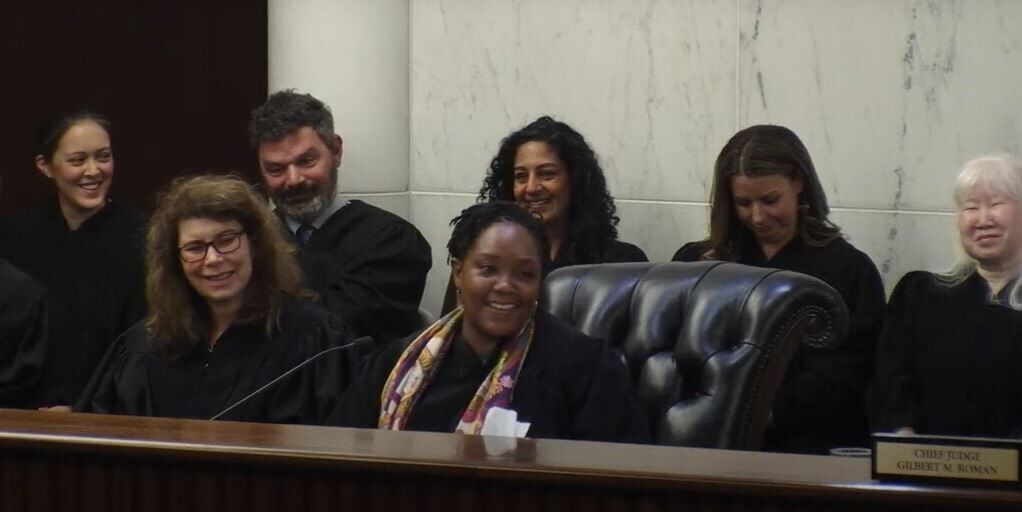
Appeals court clarifies meaning of ‘at-risk’ victim based on breathing disability
Michael Karlik
michael.karlik@coloradopolitics.com
Updated 22 hours ago
Colorado’s second-highest court clarified last month that victims qualify as “at-risk” under state law if they required mechanical assistance to breathe on the date of the offense against them. El Paso County prosecutors charged Jon Claude Crow with third-degree assault,...

Q&A: From grassroots underdog to national spotlight — Colorado democratic socialist Melat Kiros on her path to Congress
Thelma Grimes
thelma.grimes@coloradopolitics.com
Updated 17 hours ago
Melat Kiros, the 29-year-old Democratic Socialist who unseated a 15-term incumbent in Colorado’s 1st Congressional District primary on June 30, frames her victory as a mandate for structural political reform rather than a rejection of her predecessor, Diana DeGette. In...

Trump demands rehearing after Supreme Court’s ‘insane’ birthright citizenship ruling
Emily Hallas
emily-hallas@coloradopolitics.com
Updated 1 day ago
President Donald Trump on Wednesday announced his legal team will “immediately” seek a rehearing before the Supreme Court on his efforts to overhaul birthright citizenship after a majority of justices ruled the White House’s executive order on the matter was...
PREV
PREVIOUS

Former CU Regent Kyle Hybl honored by national education organization
Colorado Springs’ own Kyle Hybl, the CEO of the El Pomar Foundation, was honored as a top alumnus by a national educational organization Friday night at The Broadmoor in Colorado Springs. Hybl is a product of two of the programs put on by The Fund for American Studies’ Alumni Achievement Award. He was named the chairman emeritus the […]

In Denver, former Obama AG Eric Holder strategizes redistricting plan with Colorado leaders, activists
Former U.S. Attorney General Eric Holder holds a roundtable discussion on redistricting on Saturday in Denver. The conversation focused on the importance of voting rights in communities of color, the need for an accurate census in 2020 and fair redistricting in 2021. To his left: Olivia Mendoza, Colorado state director of All On The Line. (Alayna Alvarez/Colorado Politics) Former […]