

MILE HIGH GROWING PAINS: Candi CdeBaca | ‘Gentrification is neither natural nor inevitable’

In the 2019 municipal elections; Denver’s mayor and several other city leaders faced the fight of their lives. Like many longtime residents of the city over the last decade, three of those leaders on the Denver City Council were displaced.
Mayor Michael Hancock also found himself fighting for his place in a city becoming whiter and wealthier. It was a battle royale of developers waging war to define the future of our communities.
Editor’s note: This is the second in a series of six commentaries on Denver growth issues. Watch for more through Friday at ColoradoPolitics.com.
Only one candidate of the five challengers who made it onto the ballot — Jaimie Giellis — could amass enough funding to force a runoff against the mayor, whose campaign was heavily funded by developers. Ironically, Giellis likely lost because of her almost singular experience working with RiNo developers.
While many reluctantly supported Mayor Hancock, they made one thing clear: Denver’s unchecked growth and development would no longer be tolerated.
July 15 marked the swearing in of five new council members, including myself, dedicated to fulfilling the seemingly absent checks and balances on a mayor enamored of the allure of shiny new buildings piercing the limits of our once humble skyline nestled in the Rockies.
In March, Denver was recognized in a report called “Shifting Neighborhoods” by the National Community Reinvestment Coalition as the city leading the nation in displacement of Latinos.
The new leadership of council enters with a historic amount of Latinas, mounting social and economic challenges from growth and a new Denver Comprehensive Plan 2040 for the city.
The plan was passed only weeks before the election by the old council with several community organizations demanding the vote wait until after the election. It passed 10-2 with opposition from the outgoing Councilman Rafael Espinoza and continuing Councilman Kevin Flynn.
While it alleged to prioritize the values of equity and inclusion, the primary critique of the plan was that it didn’t actually include a real plan with budgets, timelines and policy to protect involuntary displacement that is often the cost of development.
The opposition not only hoped to give new electeds an opportunity to vote but also cautioned that the planned density would likely exacerbate the negative impacts of gentrification rather than prevent them.
The plan meant to guide the local government’s decision making for the next 20 years will manifest in the decisions the new City Council makes regarding how we spend our dollars, how we utilize shrinking open land and how we rezone currently occupied land.
In a city like Denver where we have a uniquely strong-mayor form of government – and as much as city councilmembers love helping facilitate the smooth and effective operations of agencies filling our potholes, collecting our trash and keeping us safe – the primary function of the council is to make sure we scrutinize every dollar in every contract and act as impartial hearing officers for all of the attempts to shift the nature of who and how our land will serve future generations of Denverites.
The facts are that of the approximately 1,000 policies processed by the city last year, less than 10 were initiated by council and not a single contract voted on was denied.
Voters who cast their votes to protect the history, character, diversity, affordability and transparency will be expecting to hear substantially more “no” votes every Monday night if we are to truly rein in the power of the developers and the rampant government waste of dollars being allocated to projects that end up costing us much more than we bargain for and don’t rise to the level of priorities expressed by a desperate and determined citizenry demanding to be put first above profit.
Voters will also be expecting more initiative on protective policies coming from council and perhaps either more intentionality from the mayor’s administration or real accountability for the gross neglect of the people who gave him a final chance to uphold his promise to do better.
Either way, we know better; gentrification is neither natural nor inevitable; it is engineered by policy or a lack thereof, and displacing residents will ultimately result in displaced elected officials.
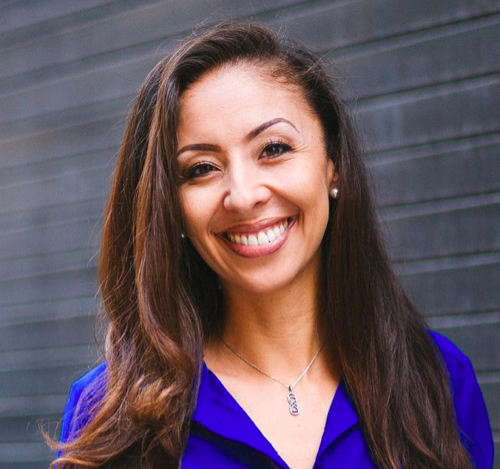
Candi CdeBaca was elected to the Denver City Council in June and represents north Denver’s District 9.



The primary political reform and precondition for all others | SONDERMANN
Eric Sondermann
eric-sondermann@coloradopolitics.com
Updated 3 days ago
In its current state, the American political system has no end of ailments. Far too many factors accelerate polarization and work against moderation and narrowing the differences. Media, and the way so many citizens limit themselves to agreeable, reinforcing sources,...
Susemihl wins surprise victory to replace Steve Durham as Colorado Springs state senator | A LOOK BACK
Rachael Wright, Special to Colorado Politics
rachael.wright@coloradopolitics.com
Updated 3 days ago
Forty-five years ago this week: In a closed session, the vacancy committee for Colorado’s Senate District 12 selected attorney Peter Susemihl to complete Sen. Steve Durham’s, R-Colorado Springs, term. Durham resigned his seat to become Region 8 Director of the...

10th Circuit partially revives lawsuit over 2020 Denver protest injuries
Michael Karlik
michael.karlik@coloradopolitics.com
Updated 15 hours ago
The Colorado-based federal appeals court revived a man’s claims against Denver on Friday after concluding a trial judge resolved the case in the city’s favor without analyzing two of the three instances of alleged excessive force and other constitutional violations....

Federal judges find Colorado immigration judge violated several orders
Michael Karlik
michael.karlik@coloradopolitics.com
Updated 16 hours ago
Multiple federal judges in Colorado have freed people from immigration custody after determining that one immigration judge violated their directives for properly conducting bond hearings. For nearly a year, Colorado’s U.S. District Court has faced a flood of “habeas corpus” petitions...
Q&A with Mike Pence | Former vice president says GOP’s populist turn from conservatism isn’t permanent
Ernest Luning
ernest.luning@coloradopolitics.com
Updated 16 hours ago
Former Vice President Mike Pence says he’s concerned that the Republican Party has taken a populist turn away from bedrock conservative principles during President Donald Trump’s second term, but he believes the party will return to its roots when Trump...

New federal plan sets short-term rules for Colorado River management
Marianne Goodland
marianne.goodland@coloradopolitics.com
Updated 15 hours ago
Interior Department’s plan spares Colorado from mandatory cuts for now After years of stalled negotiations among the seven states that rely on the Colorado River, the federal government on Friday released its own plan for managing the drought-strained system. Calling...
Fauci’s diary details blooming outrage toward ‘far right,’ softness toward Biden and China
Hudson Crozier
hudson.crozier@washingtonexaminer.com
Updated 20 hours ago
Dr. Anthony Fauci increasingly railed against “far right” critics of his approach to COVID-19 issues while describing strong support from the Biden White House in his pandemic-era diary, which was recently released by Congress. The former National Institute of Allergy...

Colorado is spared mandatory cuts under federal Colorado River proposal
The Associated Press
the-associated-press@coloradopolitics.com
Updated 21 hours ago
California, Arizona and Nevada to take less water under plan While Colorado has been spared from mandatory reductions, Arizona, California and Nevada would take less water from the Colorado River under a proposal announced Friday by the federal government to...

Republican Victor Marx taps George Markert as his lieutenant governor pick in Colorado’s gubernatorial race
Ernest Luning
ernest.luning@coloradopolitics.com
Updated 13 hours ago
Colorado Republican gubernatorial nominee Victor Marx named George Markert, a retired Marine colonel, as his running mate for lieutenant governor Friday morning, saying the former U.S. Senate candidate will bring “exceptional character, proven leadership and a lifetime of serving others”...
Misconduct complaints from ex-Colorado judicial discipline director dismissed against federal judges
Michael Karlik
michael.karlik@coloradopolitics.com
Updated 1 day ago
The administrative body for the Denver-based federal appeals court upheld a finding last week that misconduct complaints against Colorado’s chief federal trial judge and the chief appeals judge warranted dismissal and appeared to be a “litigation tactic” by the complaining...
PREV
PREVIOUS

COLORADO ROUNDUP | Changes urged for US Olympic system; El Chapo sent to Supermax
COLORADO SPRINGS Report urges changes for US Olympic system A report examining the U.S. Olympic system urges a move away from the “money for medals” funding system and a reconfigured board of the Colorado Springs-based U.S. Olympic and Paralympic Committee that would give more power to athletes. The document was requested by the USOPC and […]

Colorado's Buck elicits Mueller bombshell: Trump could be indicted
Colorado’s Republican U.S. Rep. Ken Buck triggered a firestorm Wednesday when his grilling of former special counsel Robert Mueller showed that President Trump could face obstruction of justice charges when he leaves office. Pundits have speculated that Buck didn’t expect Mueller’s response, unintentionally driving a narrative that House Democrats could use to push for Trump’s […]