

Ethanol: Will it help Trump with tariff-rattled farmers?
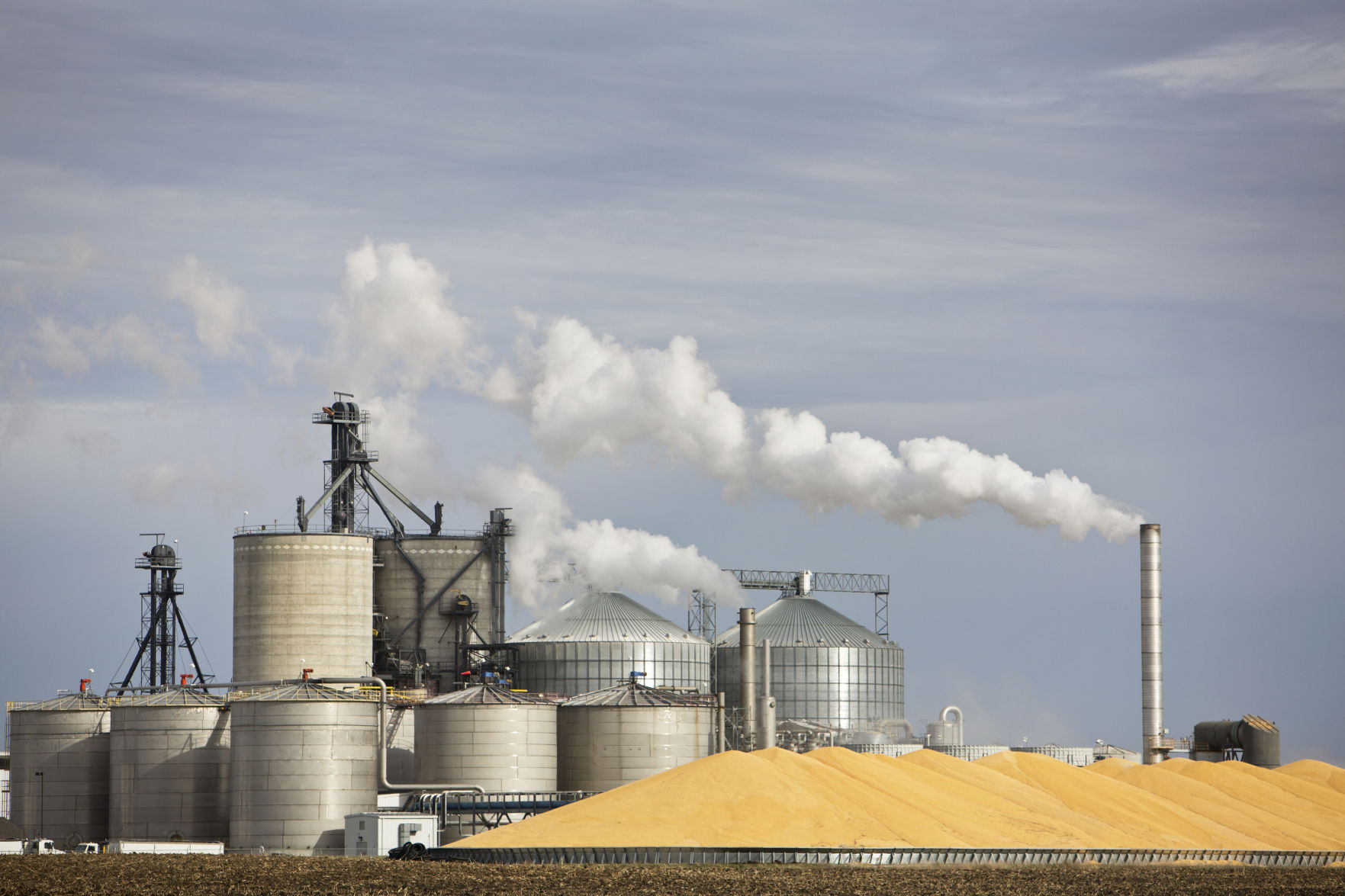
President Donald Trump’s ethanol policy could help him outpace competitors in the 2020 presidential election in Iowa, says ethanol’s biggest supporter in the Senate, Republican Chuck Grassley.
The senior senator from Iowa believes Trump ran on ethanol and is delivering on his promise to expand sales of the fuel with a new plan slated to be finalized June 1.
This gives the president a leg up over his Democratic challengers, many of whom who can’t claim nearly the same support for the corn-based fuel and farm country, according to Grassley.
“This whole thing is kind of connected to President Trump and his re-election,” said Grassley in an interview with the Washington Examiner.
Grassley said Trump’s personal attention to ethanol and to fulfilling his promises to Iowa farmers over the past two years will matter a lot in the upcoming presidential race.
Grassley, 85, has been the Senate’s staunchest defender of ethanol for decades, especially in terms of maintaining its share of the U.S. gasoline supply.
Corn and ethanol are also important in Colorado — a state that voted for Hillary Clinton in 2016, but which the Trump campaign sees a chance to flip in 2020. The state has 1.47 million acres planted in corn.
Colorado has four ethanol plants with a combined capacity of about 130 million gallons per year, the U.S. Energy Information Admistration reports. Those plants mainly corn as their feedstocks, although a small ethanol plant in Golden uses waste beer as its feedstock.
One of the big promises Trump is aiming to fulfill for corn farmers, in just a matter of weeks, is making higher 15% blends of ethanol fuel available year round by removing restrictions on the sale of those blends, referred to as E15, during the summer.
“This has been such a big balancing act since 18 months ago,” Grassley said. “We probably wouldn’t be where we are without Trump’s personal involvement in it,” he added.
Trump had been personally present in at least three White House meetings over the last two years regarding the development of what some call a “grand bargain” between the ethanol and oil industries.
The farmers want to open the summer driving season, the largest seasonal market for transportation fuel, to more ethanol use. But oil refiners want to ensure they can manage the costs of complying with the federal Renewable Fuel Standard, which mandates that they blend an ever-increasing volume of ethanol and other renewable fuels into the nation’s fuel supply or purchase credits if they cannot.
“What they’re putting together [at the Environmental Protection Agency] is part of a very delicately written compromise to satisfy everybody as much as we can,” Grassley said.
EPA chief Andrew Wheeler has assured Grassley that the rule will be finalized and made effective by June 1.
But there could be some electoral pitfalls for Trump. One would be if, for some reason, the E15 plan flounders, or if he doesn’t manage to secure trade deals with China, Canada, and Japan. Trade agreements are increasingly important to farmers.
“If he gets these trade issues [with] Canada, China, hopefully with Japan, wrapped up, that’s going to be a bigger issue than even ethanol and E15,” Grassley said.
Grassley says without the trade deals in place, the benefits of the E15 plan are canceled out.
Retaliatory tariffs levied against U.S. agricultural producers have done harm to farmers, who are bearing the brunt of economic harm from the trade war.
Republican Sen. Joni Ernst of Iowa said that farmers are depending on the ethanol rule to help them survive the trade wars, and are holding Trump to his word to get it done.
“We’re pushing it,” Ernst added. “We are one step closer to finalizing the rule.”
Ernst has become a key figure alongside Grassley in holding EPA’s Wheeler to account for meeting the president’s promises to Iowa and the ethanol industry.
Ernst has not shied away from being critical of the administration, especially as the EPA has granted dozens of exemptions to oil refiners not to blend ethanol under the federal Renewable Fuel Standard.
The agency has the authority to exempt small refineries that may be adversely affected by the requirement.
“We feel the administration should not be granting these small refinery waivers, and we will continue to press them on that issue, as well,” Ernst said.
“Some of those waivers have gone to big companies like Chevron and ExxonMobil, and they’re highly profitable companies,” Ernst said.
Most U.S. refiners have to buy ethanol credits to comply with the agency’s renewable standard, but in recent years they have protested the extreme volatility in the price for those credits.
Refiners are paying hundreds of millions of dollars each year to buy the credits in order to comply with the nation’s ethanol program.
The E15 rule would make the ethanol credit market more transparent in tandem with allowing the sale of E15. The move to add more transparency in the market is something both Grassley and Ernst support.
Ernst welcomes more transparency in the credit market so they can see who exactly is receiving “small refinery” exemptions.
“Because even though they are a small refinery, if they are connected to a much larger entity that is highly profitable, I am a little skeptical about waivers going to those folks,” she said.

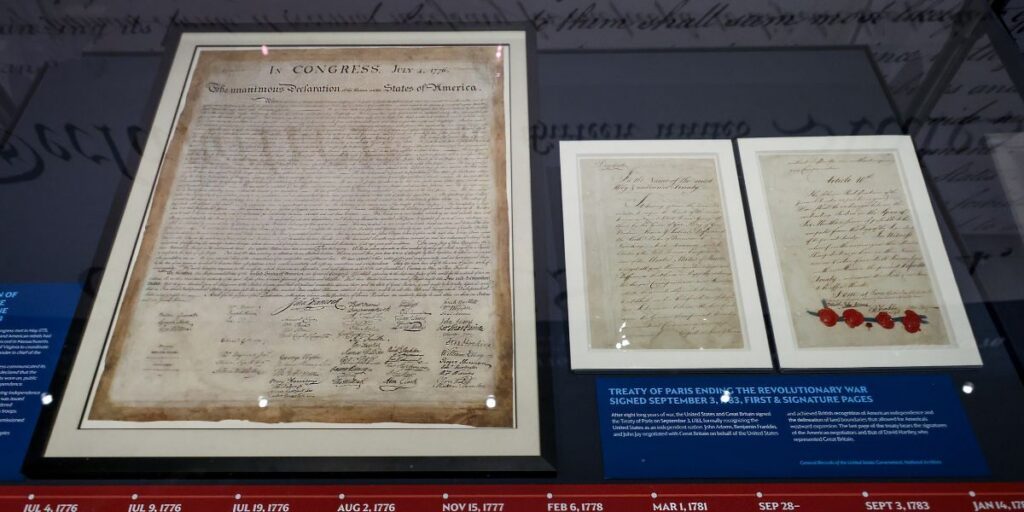
Founding documents reconnect us to our shared American roots – and rebelliousness | Vince Bzdek
Vince Bzdek
vince.bzdek@gazette.com
Updated 4 hours ago
By Vince Bzdek When you first lay eyes on the actual founding documents of our country that, for the first time in history, have travelled together from their gilded cages in Washington to visit us out here in the hinterlands,...
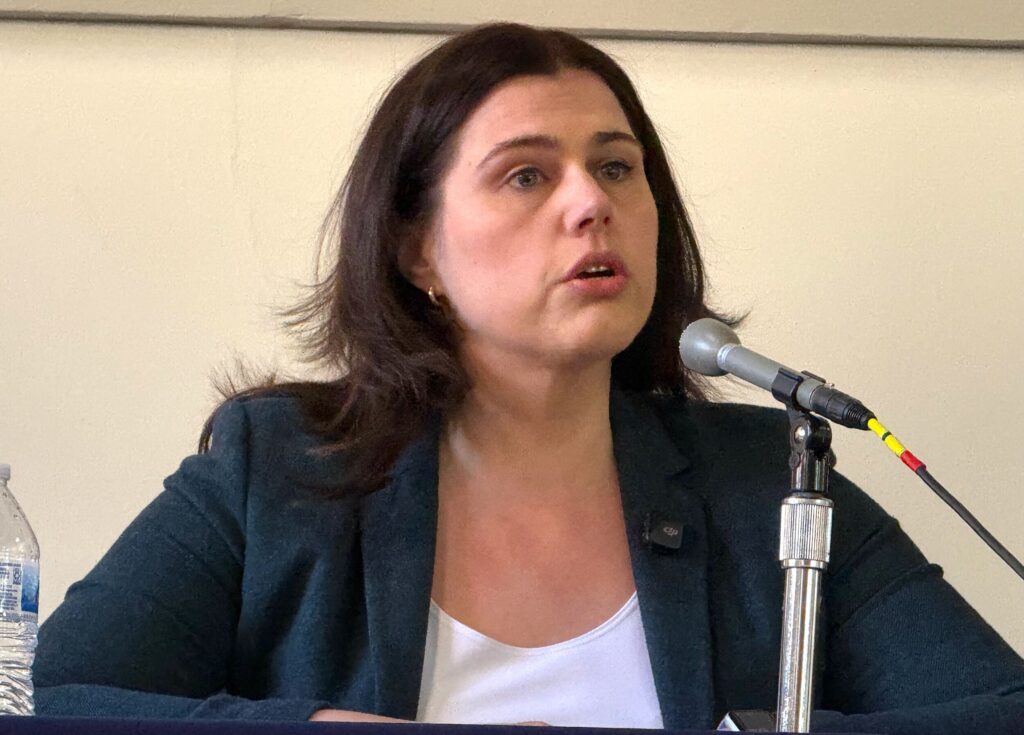
Would you hire Jena Griswold to handle your case? | SONDERMANN
By Eric Sondermann
by-eric-sondermann@coloradopolitics.com
Updated 4 days ago
If you were in a child custody dispute with a former spouse, would you hire an attorney with experience in family law or would you trust your case to an operative with virtually zero mastery? If you were getting ready...

Colorado Politics Calendar June 1-7
Rachael Wright, Special to Colorado Politics
rachael.wright@coloradopolitics.com
Updated 3 days ago
CoPo’s weekly political calendar will help you find political and public-policy events throughout Colorado. It includes candidate and issue campaign events, public policy meetings, court hearings, state and local party conventions, assemblies, debates, rallies, parades, speaking engagements, traveling dignitary appearances,...
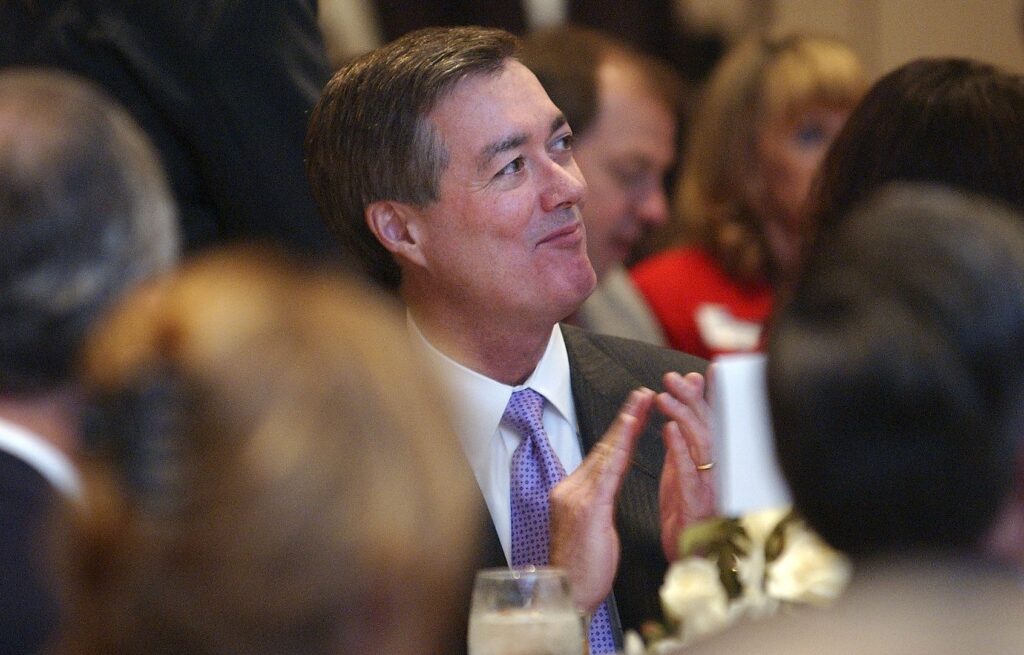
Colorado General Assembly Dems kill early effort to protect children from online content | A LOOK BACK
Rachael Wright, Special to Colorado Politics
rachael.wright@coloradopolitics.com
Updated 3 days ago
Twenty-Five Years Ago This Week: Legislation sponsored by state Rep. Tim Fritz, R-Loveland, sought to use software to prevent children from violent, pornographic, or hateful materials. But after the Senate Judiciary Committee attached an “unfriendly” amendment, House Bill 01-1376 died...
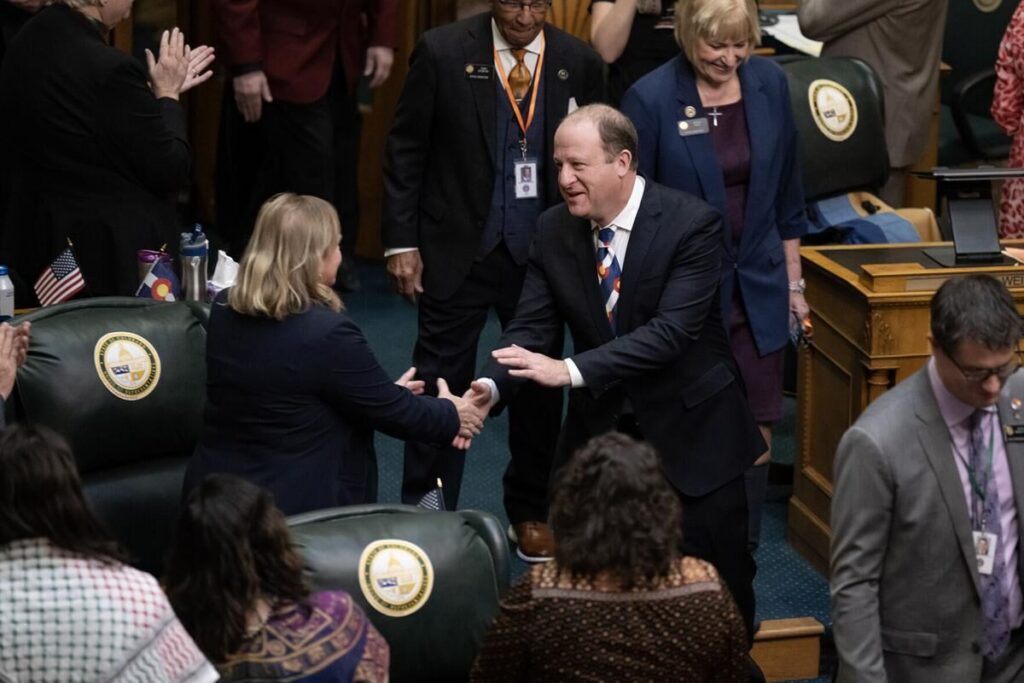
Gov. Jared Polis vetoes bill requiring disclosure from administration lobbyists
Marianne Goodland
marianne.goodland@coloradopolitics.com
Updated 16 hours ago
Gov. Jared Polis on Friday vetoed a bill that would have required executive branch lobbyists to follow much of the same disclosure rules that already govern other Capitol lobbyists. Lobbyists for organizations are required to state their clients’ position on...

Gov. Jared Polis blocks Colorado Lottery’s move to allow credit card sales
Marianne Goodland
marianne.goodland@coloradopolitics.com
Updated 4 hours ago
Gov. Jared Polis on Friday signed legislation to block the Colorado Lottery’s move to allow the purchase of tickets with credit cards, effectively reversing his earlier position. Last November, Polis had said that he supported the decision of the Colorado...
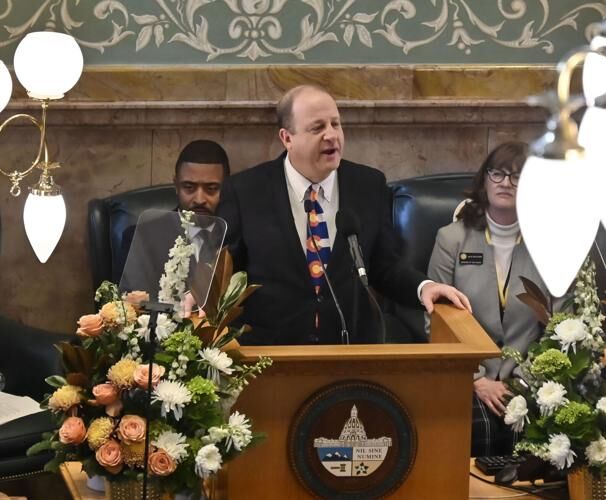
Colorado governor vetoes union dues bill — again
Colorado Politics
colorado-politics@coloradopolitics.com
Updated 17 hours ago
Gov. Jared Polis on Friday vetoed yet again legislation that would have made it easier for labor organizations to impose dues on non-union members, a decision long expected after the legislature approved the measure without securing the buy-in of businesses....

Colorado Democratic attorney general candidates clash over experience and Trump lawsuits
Marianne Goodland
marianne.goodland@coloradopolitics.com
Updated 16 hours ago
Colorado’s four Democratic candidates for attorney general clashed sharply Thursday night in a debate that repeatedly returned to one theme — whether the state’s top lawyer should be a courtroom veteran or a political fighter. The contenders additionally sparred over...
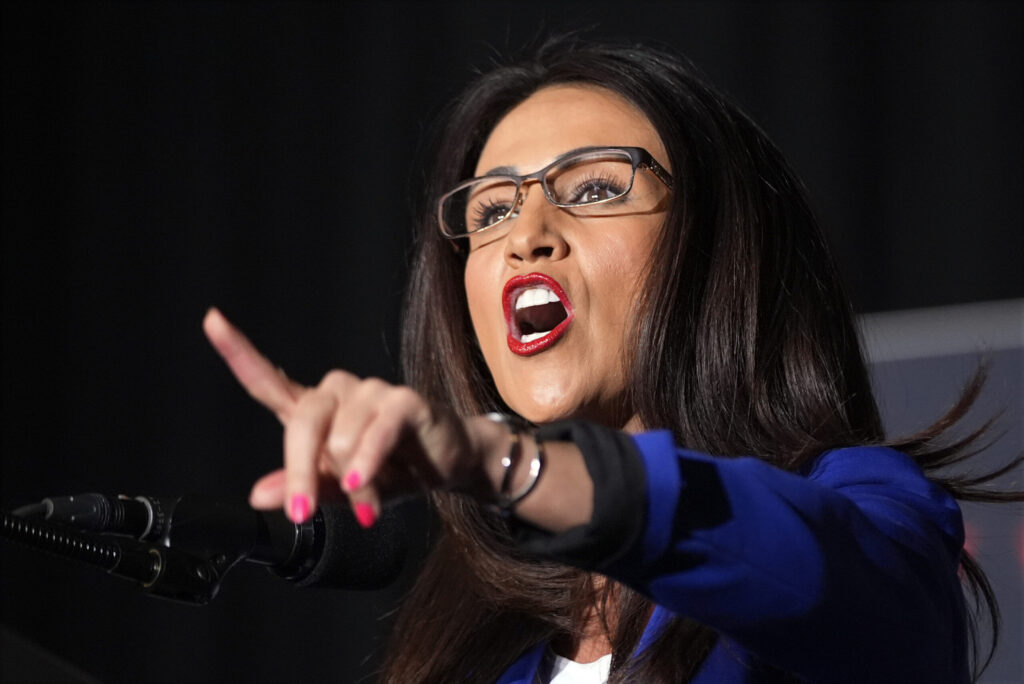
DOJ reviewing Boebert concerns about Washington Nationals discriminating against Christian pitcher
Emily Hallas, Washington Examiner
emily.hallas.washington.examiner@gazetteedit.wpenginepowered.com
Updated 22 hours ago
The Justice Department on Thursday promised to examine allegations that Washington, D.C.’s major league baseball team discriminated against one of its pitchers on religious grounds. Rep. Lauren Boebert (R-CO) sent a letter to the DOJ this week, requesting it probe...
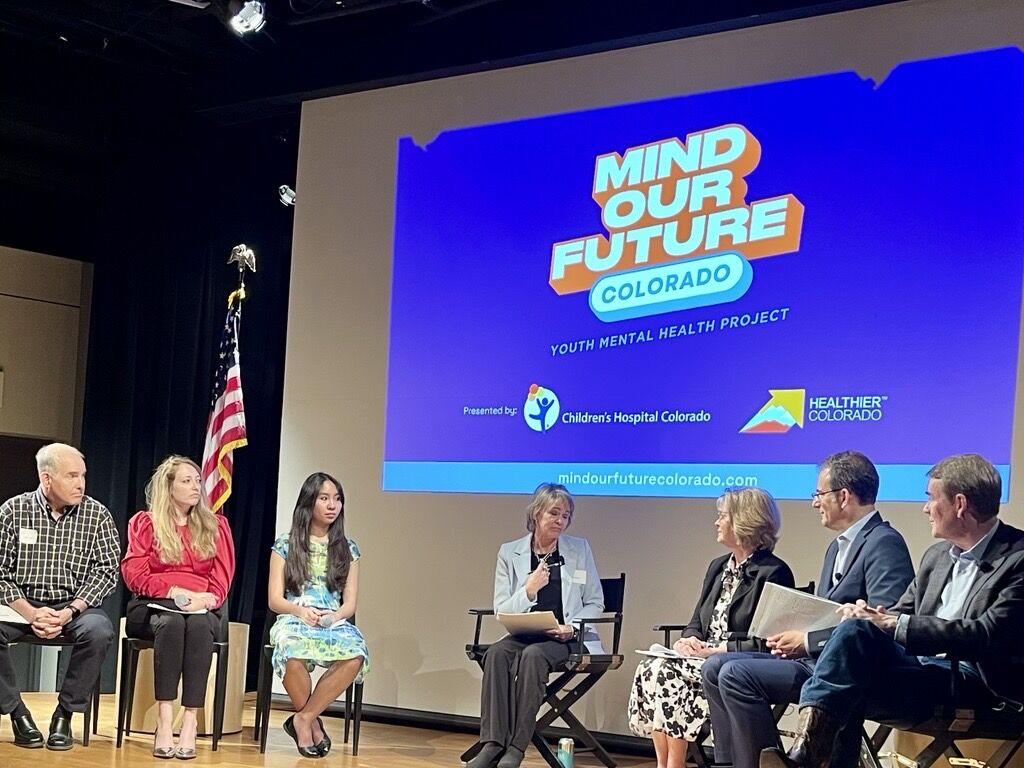
Colorado candidates for governor share plans to tackle youth mental health crisis
Marissa Ventrelli
marissa.ventrelli@coloradopolitics.com
Updated 14 hours ago
Three candidates for Colorado’s highest elected office laid out their plans to address the state’s youth mental health crisis during a forum on Thursday. Democratic Attorney General Phil Weiser, U.S. Sen. Michael Bennet, and Republican State Sen. Barbara Kirkmeyer fielded...
PREV
PREVIOUS

New Mexico candidates diverge on oversight of White House
SANTA FE, N.M. – New Mexico Secretary of State and U.S. Senate candidate Maggie Toulouse Oliver says it’s time for Congress to start impeachment proceedings against President Trump over concerns about obstruction of justice. Toulouse Oliver said Wednesday in a statement that it’s time to hold the president accountable for possible obstruction of justice and […]
BP fined $68K for byproduct spills in Colorado
DURANGO – BP America Production Co. has been fined $68,000 for three spills of an oil and gas byproduct in southwestern Colorado. The Durango Herald reported Wednesday that BP has agreed to spend about $12.5 million by 2022 to repair or replace 17 miles (27 kilometers) of pipelines in La Plata County. State records show cracked pipelines […]