

DEAR GOVERNOR, from JANE NORTON | Work to honor what holds us together
Colorado Politics presents eight contributed essays offering guidance to Colorado’s next chief executive from some of the state’s best political minds. CLICK HERE for more.
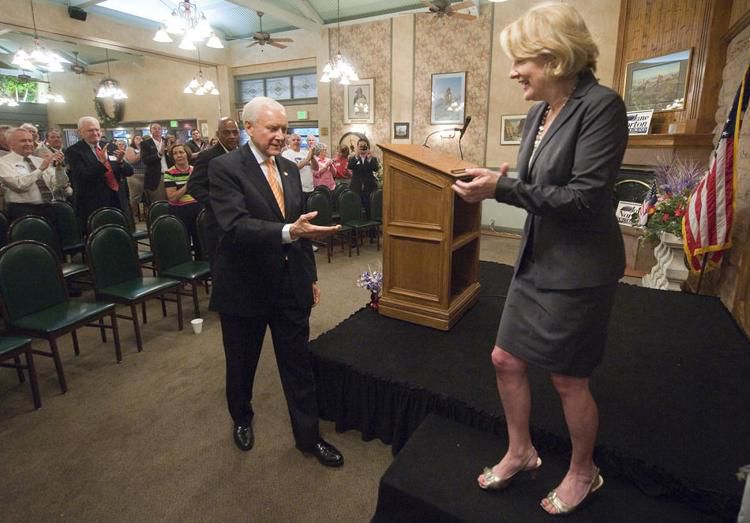
I was honored to serve the people of Colorado in the Owens administration, first in his cabinet as executive director of the Colorado Department of Public Health and Environment, and then as lieutenant governor. I am proud to be Colorado’s first Republican woman elected lieutenant governor. We achieved a lot while we were in office and I’m proud of how we guided the state for the benefit of all Coloradans.
When I was first elected lieutenant governor, Republicans controlled the Colorado House, Senate, and the Governor’s Office. Within a year, Democrats took control of both houses of the General Assembly. It remained this way for the rest of my tenure as lieutenant governor.
Colorado is a unique state in that we are closely divided among Republican, Democrat and unaffiliated voters. While it may be enough to mobilize a party’s base and a majority of unaffiliates to your side to win an election, it is something entirely different to govern the state in the face of strong differences.
It’s tempting to buy in to the partisanship that is ripping our country apart. After all, haven’t the voters given the winning candidate a mandate to advance the candidate’s agenda at all costs? Perhaps, but more importantly we must recognize that far more unites us as Coloradans than that which divides us, and this should guide the public policy decisions of any administration.
Each morning, in classrooms across the state, children, with their hands over their hearts, say the Pledge of Allegiance with those important words, “one nation, under God, indivisible, with liberty and justice for all.” Indivisible is a word that isn’t often used in our vocabulary these days. We can’t even watch football without highlighting our political differences. Hillary Clinton recently said, “You cannot be civil with a political party that wants to destroy what you stand for.”
This is the wrong approach, it’s been proven wrong in the past, and it will be the wrong approach in the future.
Two of my favorite political heroes – William Wilberforce and Bill Armstrong – faced fierce opposition to their public policy positions. But they were experts in the art of persuasion in a civil and winsome way. They demonstrated that we don’t need to abandon our principles to find ways to work respectfully together.
In the midst of the Jack Phillips lawsuit, Supreme Court nomination protests, vicious shout-downs and personal attacks, we have lost our sense of civic friendship. Can we disagree on the most pressing issues and still treat each other with dignity and respect? Can we be friends amid our deepest differences? I believe we can and, moreover, it’s critical to the future of Colorado that we find a way to do so.
Civic friendship requires us to recognize the humanity of our opponents. The Bible gives no qualifiers: “Do unto others as you would have them do unto you.” Moreover, it tells us to “pray for those in positions of authority.” The Bible does not say treat only those in your party with respect and pray only for those you agree with.
Civic friendship also means that a disagreement over public policy is not grounds upon which to declare that a person has evil intent. The other side, no matter how misguided one may believe them to be, believes they are promoting what’s best for Colorado.
It appears that no party will have total political dominance in Colorado. Instead of dwelling on the differences, I recommend those in leadership work to honor what holds us together as “indivisible.”
How do we do that? The answer is found in the preamble of our Colorado Constitution: independence, justice, tranquility, common defense, general welfare, and the blessings of liberty for ourselves and our posterity.
Let us return to these founding principles, strive to be indivisible, share in civic friendship, find ways to work together, seek to persuade, not harm. Effective leaders play an important role in ending bad behavior.
The next governor and all those in leadership should lend their voices to quickly and consistently condemn the rhetoric of hate and in doing so, be good examples for our children. If we, especially our leaders do so, Colorado’s future will be bright.

Boulder police overreached in interrogating suspect, Colorado Supreme Court finds
Michael Karlik
michael.karlik@coloradopolitics.com
Updated 2 hours ago
Two Boulder detectives violated a man’s constitutional rights by interrogating him at his home using a court order that solely authorized the collection of his DNA evidence, the Colorado Supreme Court concluded on Tuesday. The ruling curtailed the ability of...
Property owners may access evidence before eminent domain decisions, Colorado justices conclude
Michael Karlik
michael.karlik@coloradopolitics.com
Updated 3 hours ago
The Colorado Supreme Court ruled on Tuesday that a Douglas County judge incorrectly believed he lacked the authority to allow a property owner to pursue evidence challenging a government entity’s legal right to take its property through eminent domain. In...
Missy Woods accepts plea deal, avoids trial on 100+ felony counts
Jenny Deam
jenny.deam@gazette.com
Updated 43 minutes ago
The former top Colorado Bureau of Investigation forensic scientist accused of altering and deleting DNA evidence in scores of criminal cases across the state for years pleaded guilty to four criminal counts Tuesday in Jefferson County. Yvonne ‘Missy’ Woods, 65,...

ICE may deport illegal immigrants without judge approval, appeals court rules
Anna Giaritelli Washington Examiner
anna-giaritelli-washington-examiner@coloradopolitics.com
Updated 3 minutes ago
A federal appeals court has ruled in favor of expanding a fast-track deportation process to let the Trump administration expeditiously remove illegal immigrants who are living inside the United States, not just at the southern border. On Tuesday, the U.S....

Dispute over nuclear inspections clouds US-Iran teams’ work to finalize a war-ending deal
Jon Gambrell
jon.gambrell@associatedpress.com
Updated 5 hours ago
ISLAMABAD (AP) — The U.S. and Iran were in dispute Tuesday over whether Tehran had agreed to allow U.N. inspectors to view bombed Iranian nuclear sites, as officials mediated talks on a permanent end to their war and violence broke...
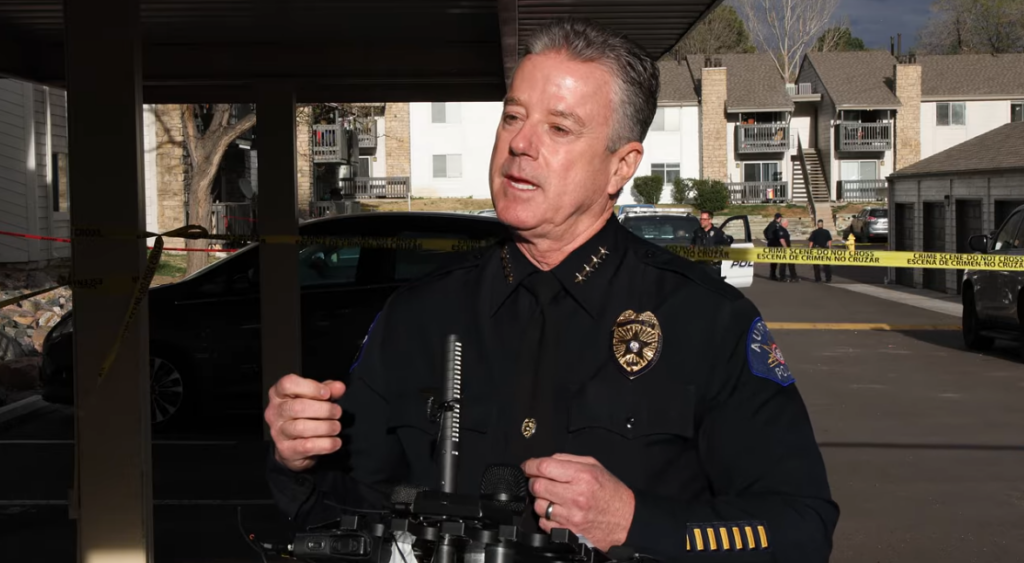
Aurora creates police oversight office in final vote
Kyla Pearce
kyla.pearce@gazette.com
Updated 5 hours ago
The Aurora City Council voted unanimously Monday to create a police oversight office as the city’s consent decree comes to an end. Without discussion, council members approved a final ordinance creating the Office of Public Safety Accountability, prompting city officials...
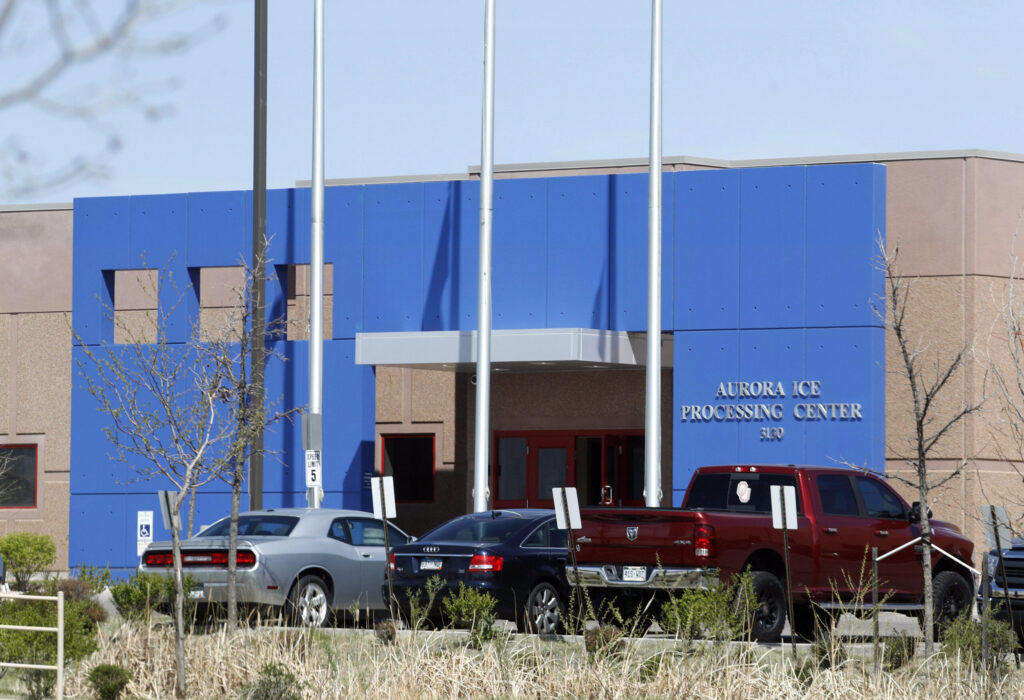
Aurora City Council requires ICE facility inspections, regulated disease reporting
Kyla Pearce
kyla.pearce@gazette.com
Updated 5 hours ago
The Aurora City Council passed two ordinances requiring periodic inspections of and more regulated disease reporting from detention facilities in the city, including the GEO Immigration and Customs Enforcement facility. Both ordinances passed in a final vote Monday night with...

Municipal sentencing bill in Denver moves forward
Deborah Grigsby
deborah.smith@denvergazette.com
Updated 5 hours ago
The Denver City Council introduced legislation Monday aimed at aligning municipal penalties with state law to “stop criminalizing poverty.” The bill, which was heavily revised and amended, was moved forward on a 10 to 2 vote, with Councilmembers Darrell Watson...

Senate passes bill meant to curb housing costs, sending to House for final approval
Zach Halaschak, Washington Examiner
zach.halaschak.washington.examiner@gazetteedit.wpenginepowered.com
Updated 2 hours ago
The Senate voted Monday to pass bipartisan housing legislation designed to boost supply and help with affordability, a measure that would be a major change in the federal government’s role in real estate markets. The Senate voted 85-5 to pass...
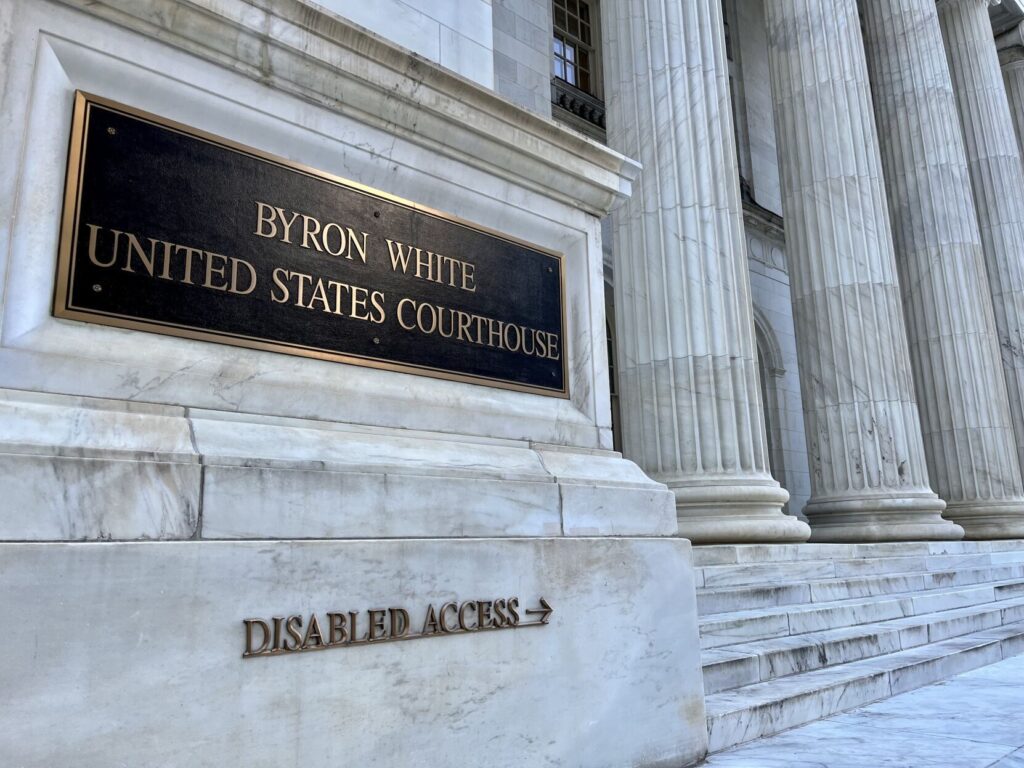
10th Circuit grants Boulder-Weld district’s fire chief immunity for firing union leader
Michael Karlik
michael.karlik@coloradopolitics.com
Updated 21 hours ago
The Denver-based federal appeals court decided on Monday that the chief of a fire protection district spanning Boulder and Weld counties could not be held liable for terminating a union leader through the process outlined in the collective bargaining agreement....
PREV
PREVIOUS

US election integrity depends on security-challenged firms — including one from Denver
It was the kind of security lapse that gives election officials nightmares. In 2017, a private contractor left data on Chicago’s 1.8 million registered voters – including addresses, birth dates and partial Social Security numbers – publicly exposed for months on an Amazon cloud server. Later, at a tense hearing, Chicago’s Board of Elections dressed […]

Anger toward media spreads into local communities
NEW YORK – The hostility she’s felt from the public recently wasn’t necessarily the last straw in television news photographer Lori Bentley-Law’s decision to quit the business after 24 years, but it was one of them. Bentley-Law’s recent blog post explaining why she was leaving Los Angeles’ KNBC-TV hit home for many colleagues. While President […]