

Senate passes bill meant to curb housing costs, sending to House for final approval

The Senate voted Monday to pass bipartisan housing legislation designed to boost supply and help with affordability, a measure that would be a major change in the federal government’s role in real estate markets.
The Senate voted 85-5 to pass the revised 21st Century ROAD to Housing Act, which had previously passed in different versions in both chambers, but now has buy-in from all the key players and appears destined for President Donald Trump’s signature.
The legislation now heads to the House, which is also expected to pass it in an overwhelmingly bipartisan fashion. President Donald Trump has expressed support for the bill.
The legislation is aimed at increasing the housing supply by easing federal regulations. It would also encourage states and cities to reform their land-use rules, which would mark a significant change in the federalist system of land-use rules.
“This bill is the result of years of work to lower costs, expand housing supply, cut red tape, protect taxpayers, and help more Americans achieve the dream of homeownership,” said Senate Banking, Housing, and Urban Affairs Committee Chairman Tim Scott (R-SC).
The legislation has been debated and revised for months now, but finally came together last week on the Senate side last week after input from House Financial Services Committee Chairman French Hill (R-AR) and ranking member Maxine Waters (D-CA).
The bill would reduce some federal environmental reviews and cut rules on manufactured housing. It would also effectively grade every city on its zoning and land-use rules, and also steer additional funding to cities that build more housing.
One controversial section would limit the ability of large institutional investors like Blackstone to purchase single-family homes.
Trump demanded such a section be added to the housing bill during his State of the Union address earlier this year. The provision wasn’t in the original legislation and faced pushback from some in the industry and from free-market stalwarts.
Still, the final version of the bill significantly eased that ban by removing a provision that would have required investors in build-to-rent homes to sell those houses within seven years, easing the concerns of some in the industry.
After the final bill was made public, the National Multifamily Housing Council and National Apartment Association released a joint statement applauding the legislation and calling on Congress to pass it.
“This revised legislation will help communities expand housing supply, improve affordability and create more pathways to both rental housing and homeownership,” the statement said. “Our organizations look forward to playing an active role as federal regulators begin the implementation process, particularly to ensure the long-term protection of build-to-rent (BTR) housing for Americans.”
Changes last week resulted in the deal finally getting the seal of approval from both House and Senate negotiators.
One such provision incorporates the BUILD NOW Act, a measure written by Sens. John Kennedy (R-LA) and banking committee ranking member Elizabeth Warren (D-MA) that would steer federal grants to localities that permit greater housing construction and away from areas that fail to build.
Other additions over the last week or so include the Preservation and Reinvestment Initiative for Community Enhancement Act by Sen. Catherine Cortez-Masto (D-NV), which would provide grants for manufactured housing.
Several measures to ease regulations on community banks championed by Hill were also included in the final product.
The House could vote on the 21st Century ROAD to Housing Act as soon as this week, which would send it to Trump’s desk to finalize.
The legislation is the second-biggest economic bill that has been passed in Trump’s second term, behind the One Big Beautiful Bill Act. It will also provide lawmakers with a talking point in making the argument that Congress is working to help with affordability problems.


White House launches Fraud.gov to track fraud cases
Adisa Hargett-Robinson
adisa.hargett-robinson@washingtonexaminer.com
Updated 2 days ago
The White House launched Fraud.gov on Thursday, a website tracking the administration’s crackdown on fraud across federal agencies. According to the White House, the website serves as a public dashboard that highlights investigations, criminal charges, funding suspensions, recoveries, and enforcement...

Democrats from opposite sides of the party all rally behind a ‘big tent’
Rena Rowe
rena.rowe@washingtonexaminer.com
Updated 2 days ago
Since their losses in the 2024 election, Democrats have struggled to settle on a clear message ahead of the 2026 midterm elections. As the party fights to reclaim control of Congress, primaries in New York, Michigan, and Colorado have exposed...
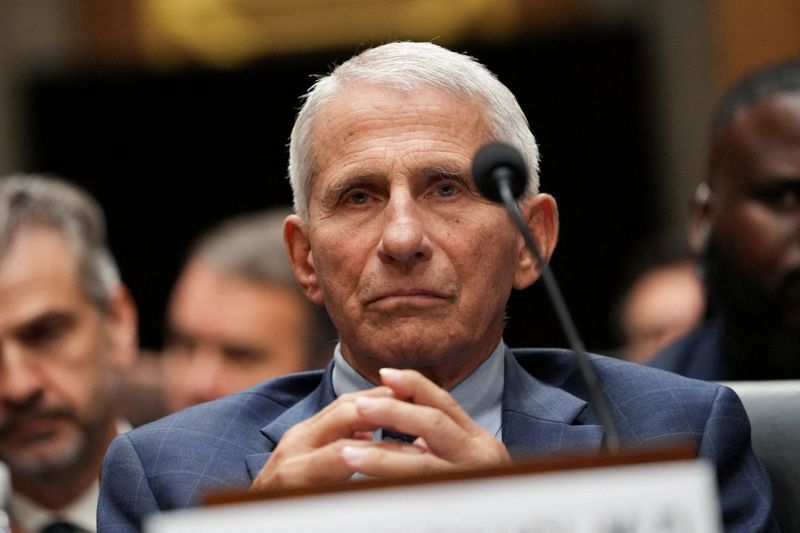
US Senate panel votes to hold Fauci in contempt of Congress
Reuters
reuters@gazette.com
Updated 2 days ago
By Ahmed Aboulenein WASHINGTON, Aug 6 (Reuters) – A U.S. Senate committee voted on Thursday to hold Dr. Anthony Fauci in contempt of Congress after the former top U.S. infectious disease official refused to answer questions about his handling of...
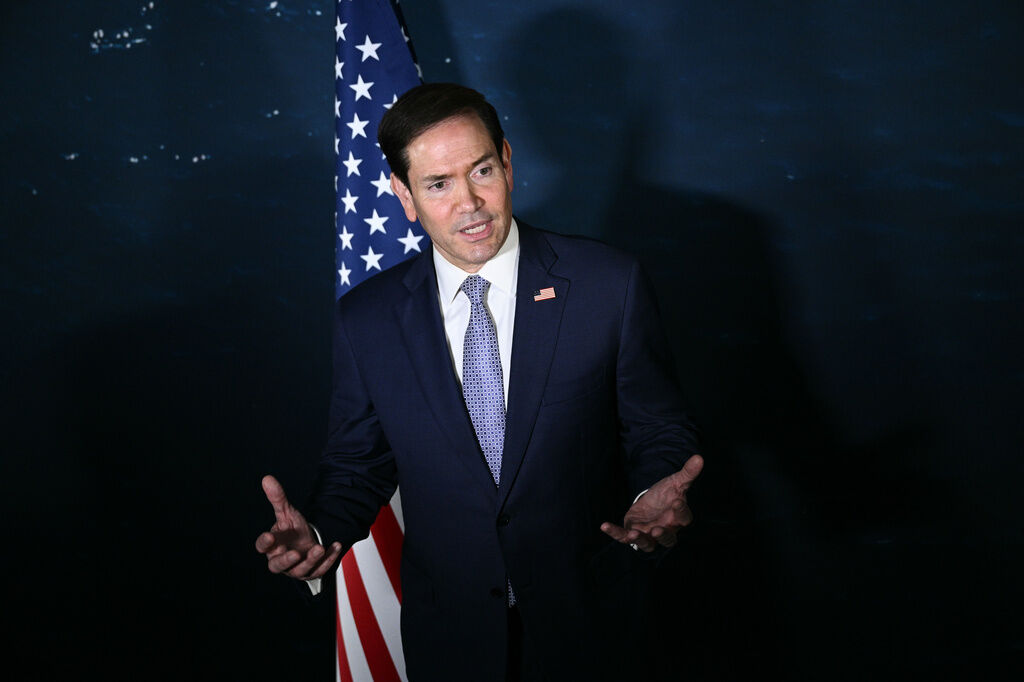
Rubio crushes Vance in Western Conservative Summit 2028 straw poll
Kiara Moore
kiara.moore@washingtonexaminer.com
Updated 3 days ago
Secretary of State Marco Rubio came out on top in this past weekend’s nonpartisan straw poll at the Western Conservative Summit, outpacing a packed field of would-be 2028 presidential hopefuls. Hosted by the Centennial Institute, Colorado Christian University’s public policy...

Supreme Court to open next term with major climate change case
Jack Birle
jack-birle@coloradopolitics.com
Updated 3 days ago
The Supreme Court’s next term will begin in October with major cases about costly climate change lawsuits and immigration. The high court announced the cases it will hear in the first month of its upcoming term, as the justices remain...
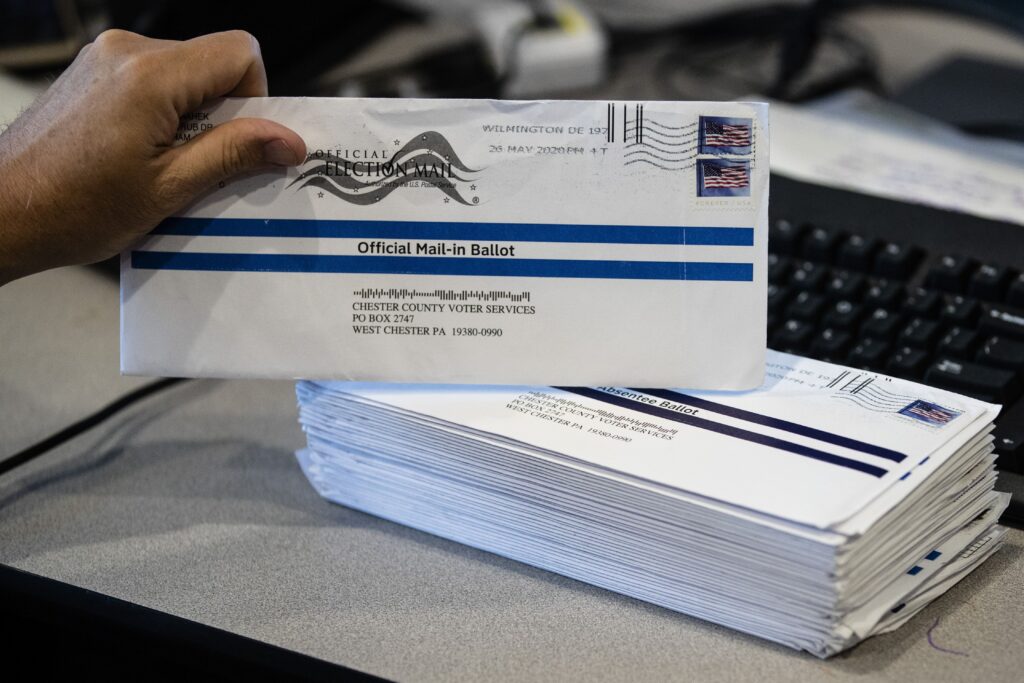
Democratic states warn Supreme Court that Trump mail ballot order would cause chaos ahead of midterm elections
Jack Birle
jack-birle@coloradopolitics.com
Updated 4 days ago
A coalition of Democrat-led states warned the Supreme Court this week that lifting a block on President Donald Trump’s mail-voting executive order would cause “extreme” changes as states prepare to send out ballots for the midterm elections. The group of...

Trump’s lopsided losing record on ICE mandatory detention masks a closer legal fight
Kaelan Deese
kaelan-deese@coloradopolitics.com
Updated 4 days ago
The Trump administration’s 6-2 losing record in appeals courts over its mandatory immigration detention policy looks like an overwhelming streak of losses. However, a closer examination of the judges behind those decisions suggests the policy may be less legally doomed...

Board of Peace demands Netanyahu cease Gaza airstrikes
The Washington Examiner
the-washington-examiner@coloradopolitics.com
Updated 5 days ago
The Board of Peace is struggling to get Israel on board with its peace plan for Gaza as Israeli militia airstrikes continue to bombard the war-torn strip despite expectations for a ceasefire and de-escalation. Gaza City was hit repeatedly by...

Trump wants to give Iran ‘last chance’ to strike a deal before ‘decapitation’
Christian Datoc
christian-datoc@coloradopolitics.com
Updated 5 days ago
President Donald Trump said this week’s talks with Iran will be the “last chance” for the Middle Eastern country to avoid a severe escalation in the war. Trump called off plans to strike Iran’s energy infrastructure over the weekend after...
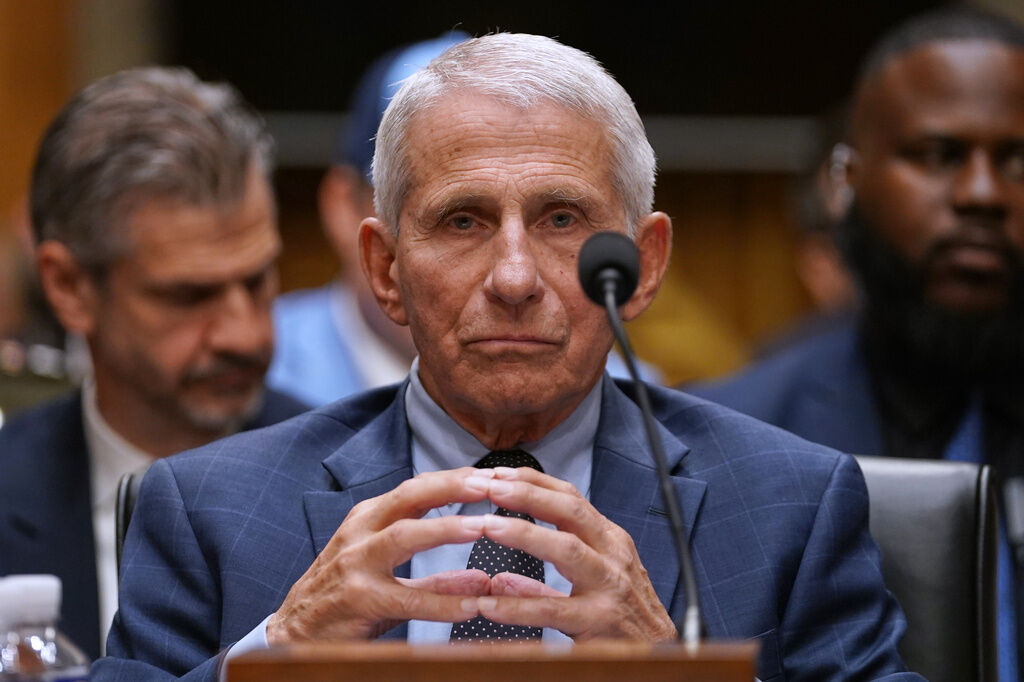
Fauci told Congress higher COVID-19 fatality rate than he calculated in diary: ‘More like 0.2-0.3%’
Mia Cathell
mia-cathell@coloradopolitics.com
Updated 5 days ago
Dr. Anthony Fauci privately calculated that COVID-19 had a significantly lower fatality rate than what he told Congress a month later at the outset of the pandemic. On March 11, 2020, the day that the World Health Organization declared COVID-19...
PREV
PREVIOUS

Sheehy calls for Rubio to take over Iran negotiations if Vance can’t swing it
Sen. Tim Sheehy (R-MT) on Monday suggested Secretary of State Marco Rubio should be waiting in the wings to handle negotiations with Iran if Vice President JD Vance can’t get a long-term agreement with Tehran over the finish line. Vance is in Switzerland this week with Special Envoys Steve Witkoff and Jared Kushner to meet […]

Dispute over nuclear inspections clouds US-Iran teams' work to finalize a war-ending deal
ISLAMABAD (AP) — The U.S. and Iran were in dispute Tuesday over whether Tehran had agreed to allow U.N. inspectors to view bombed Iranian nuclear sites, as officials mediated talks on a permanent end to their war and violence broke out again in Lebanon. The differing accounts came as Iran’s president met with Pakistani officials […]