

EPA lays out next steps to clean up southwest Colorado mines
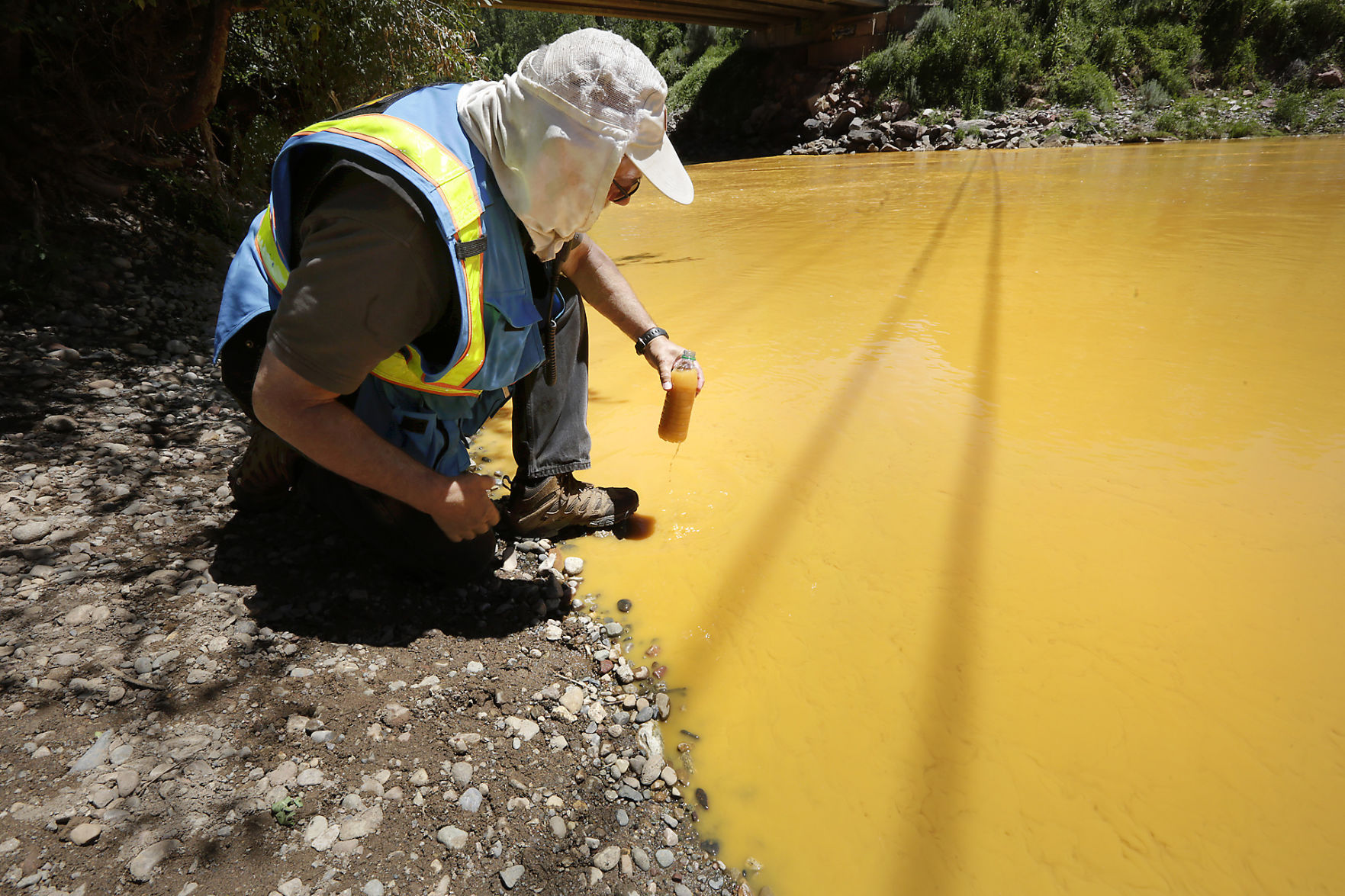
DENVER – The U.S. Environmental Protection Agency on Thursday laid out the next steps it will take to clean up wastewater flowing from dozens of old mines in southwestern Colorado, including dredging contaminated sediment from streambeds and digging ditches to divert water away from tainted rocks and soil.
The work is part of the EPA’s interim plan to keep toxic heavy metals from flowing into rivers while the agency searches for a more permanent solution under the Superfund program.
The interim plan concentrates on controlling or removing contaminants at 26 sites including campgrounds, mine waste piles, ponds and rivers. It will cost about $10 million and take up to five years, the agency said.
Five of the locations are recreation sites where people could be exposed to arsenic or lead, the agency said.
“EPA is interested in expediting cleanup so that we can show improvements in water quality wherever possible,” said Christina Progess, manager of the Superfund project.
The cleanup was prompted by a 2015 wastewater spill at the inactive Gold King mine near Silverton. An EPA-led contractor crew was using heavy equipment to excavate at the mine entrance when it inadvertently triggered a blowout of 3 million gallons (11.4 million liters) of wastewater.
Rivers in Colorado, New Mexico and Utah were affected, as were Native American reservations.
The Gold King is not on the list of 26 sites chosen for interim work. The EPA said that’s because a temporary treatment plant was installed two months after the spill and is cleaning up wastewater from the mine.
The Superfund cleanup will eventually cover 48 mining sites, but the EPA said it chose 26 for interim work to reduce human and environmental risks while a long-term solution is studied.
The EPA said the 26 sites have elevated levels of aluminum, cadmium, copper, iron, lead or zinc.
Two of the recreation sites on the list are campgrounds and three are parking areas or locations where people meet for tours, the EPA said. The plan calls for covering mine waste piles and contaminated soil with gravel or plant growth to reduce human exposure and keep the contaminants from being kicked into the air.
The other work includes dredging contaminated sediment from streams and from ponds near mine openings, and digging ditches and berms to keep water from flushing contaminants out of waste piles and into streams.
The EPA is seeking public comment on the plan. The deadline for comments is July 16.
The 2015 spill released a bright yellow-orange plume laden with arsenic, lead and other toxic metals into rivers. Municipal water suppliers and farmers temporarily stopped using the rivers, and some waterways were placed off-limits to anglers and boaters.
The EPA said the rivers quickly returned to pre-spill conditions, but state and local governments, businesses and homeowners have filed claims totaling more than $2 billion against the EPA for economic and property damage. The agency is reviewing the claims.


10th Circuit upholds finding of no misconduct against Colorado federal judge
Michael Karlik
michael.karlik@coloradopolitics.com
Updated 11 hours ago
A judicial committee for the Denver-based federal appeals court upheld the chief judge’s finding last week that a federal judge in Colorado did not engage in misconduct by handling a civil case involving other attorneys and judges in the state....

Denver mayor says city police will detain ICE officers using ‘excessive force’
Deborah Grigsby
deborah.smith@denvergazette.com
Updated 9 hours ago
Denver Mayor Mike Johnston on Thursday outlined his city’s response to immigration enforcement operations, including intervening to stop federal officers when local police observe them using “excessive” force. Johnston also said the city will not allow federal authorities to “stand...

SCOTUS whisperer? Justice Carlos Samour may get second opportunity to turn state dissent into national precedent
Michael Karlik
michael.karlik@coloradopolitics.com
Updated 15 hours ago
For the second time in two years, Justice Carlos A. Samour Jr. occupies an unusual position: Having his dissent in a Colorado Supreme Court case potentially forming the basis of U.S. Supreme Court precedent. Earlier this week, the nation’s highest...

Republicans roll out first ad pinning Democrats for not standing during State of the Union
Emily Hallas, Washington Examiner
emily.hallas.washington.examiner@gazetteedit.wpenginepowered.com
Updated 15 hours ago
A conservative group is launching a sweeping ad campaign on Thursday, seeking to capitalize on Democrats‘ refusal to stand during a portion of President Donald Trump’s State of the Union address centered on illegal immigration. American Sovereignty created a message...

Rubio says any future nuclear proliferation deals have ‘to involve’ China and Russia
Washington Examiner Staff, Washington Examiner
washington.examiner.staff.washington.examiner@gazetteedit.wpenginepowered.com
Updated 16 hours ago
During a visit to the Caribbean on Wednesday, Secretary of State Marco Rubio was asked about recent talks in Geneva regarding weapons of mass destruction and the prospect of future nuclear weapons agreements. He responded that any such deal would...

Hillary Clinton deposition paused after Lauren Boebert allegedly leaks photo from inside hearing
Molly Parks, Washington Examiner
molly.parks.washington.examiner@gazetteedit.wpenginepowered.com
Updated 15 hours ago
The House Oversight Committee has paused the deposition of former first lady and Secretary of State Hillary Clinton on Thursday after political commentator Benny Johnson shared a photo on social media of the closed-door hearing. Rep. Lauren Boebert (R-CO), who...

Colorado district attorneys oppose bipartisan bill limiting government access to bought data
Marissa Ventrelli
marissa.ventrelli@coloradopolitics.com
Updated 17 hours ago
A bipartisan coalition of Colorado lawmakers is advancing a bill that would prohibit police from purchasing personal consumer data without a warrant, setting up a clash with prosecutors who warn the measure could hamper criminal investigations. House Bill 1037, sponsored...

Lawmakers propose raising excise taxes on alcohol, marijuana to fund mental health spending
Marissa Ventrelli
marissa.ventrelli@coloradopolitics.com
Updated 17 hours ago
Colorado lawmakers hope to refer a measure to the November ballot that would increase excise taxes on alcohol and marijuana, with the revenue going toward mental health and civil commitment facilities around the state. House Bill 1301, sponsored by Rep....
10th Circuit appoints ex-Colorado solicitor general to argue issue after federal government declines
Michael Karlik
michael.karlik@coloradopolitics.com
Updated 1 day ago
The Denver-based federal appeals court took the unusual step earlier this month of appointing an attorney to independently argue a key issue in a criminal sentencing appeal after the government indicated it would not contest the defendant’s view of the...

Greeley voters halt landmark development project
Hap Fry, Special to The Gazette
hap-fry@gazette.com
Updated 1 day ago
GREELEY – The landscape-altering Cascadia development project has been put on ice, according to unofficial results of a city referendum on the project Tuesday. The proposed development would have included an 8,600-seat multiuse arena and ice center that would be home to the Colorado Eagles,...
PREV
PREVIOUS

Refuge at former nuke weapons site to open in September
BOULDER – Court documents in a pending lawsuit against the U.S. Fish and Wildlife Service say trails at the Rocky Flats National Wildlife Refuge in northern Colorado will be closed until at least Sept. 15. The Daily Camera reported Wednesday that a group of plaintiffs hopes to keep the refuge closed until a judge decides the merits […]

CONGRESSIONAL ROUNDUP | How Colorado’s delegation voted this week
H.R. 5041: Safe Disposal of Unused Medication Act This was a vote to pass H.R. 5041 in the House. The Safe Disposal of Unused Medication Act is intended to prevent the misuse or theft of unused medications by authorizing hospice care workers to dispose of unused drugs, usually after hospice patients die or the medication […]