

Colo. newspaper advocate hails ruling on Trump Twitter blocks
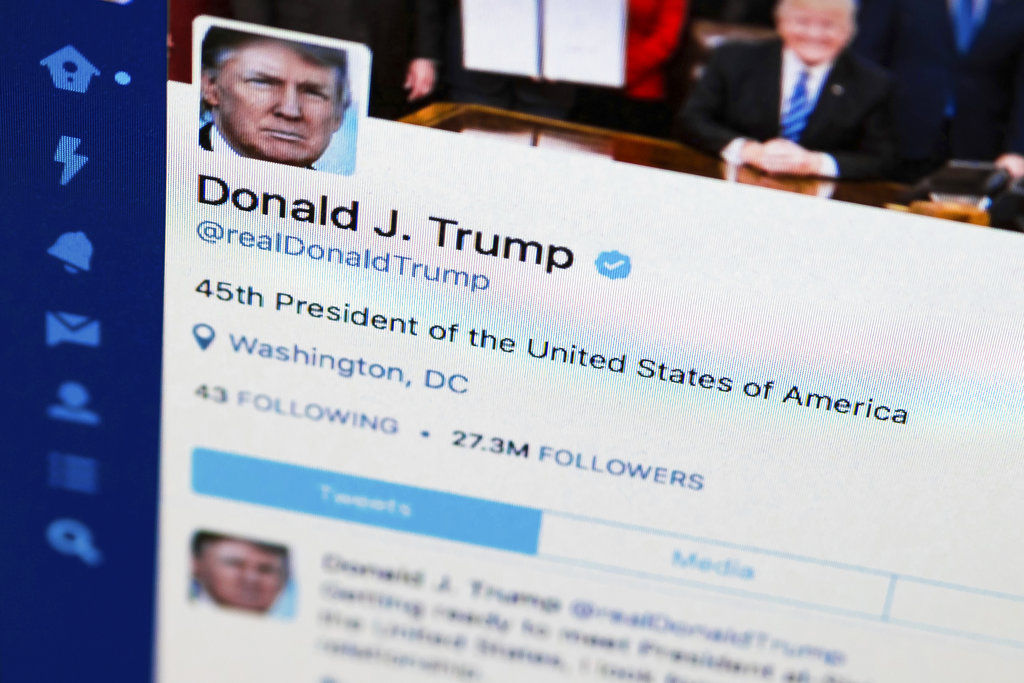
Wednesday’s federal court ruling saying it’s unconstitutional for President Donald Trump to block his critics on Twitter cheers the head of a trade and advocacy group representing Colorado newspapers.
It isn’t so much about politics but about the concept of freedom of speech, Jerry Raehal, CEO of the Colorado Press Association, told Colorado Politics Wednesday.
“It’s about the ability for citizens of the United States to speak for or against government action,” Raehal explained. “If politicians are utilizing Twitter accounts for political purposes, that is a forum where people should be able to speak.”
The ruling from U.S. District Judge Naomi Reice Buchwald in Manhattan said that it violates the constitution for Trump and his communications staff to block critics on Twitter just because he or they disagree with the political views espoused by his detractors.
Buchwald’s “declaratory judgment” stopped short of ordering Trump and his staff to stop blocking critics, but the judge did say: “No government official – including the president – is above the law, and all government officials are presumed to follow the law as has been declared.”
Buchwald in her ruling declared that Trump’s @realDonaldTrump Twitter account, with over 50 million followers, is presented as a “presidential account as opposed to a personal account.”
Raehal said that if citizens can’t weigh in on a politician’s speech when that politician is talking policy, it’s not only detrimental to government input but to the discussion of our country as a whole.
Raehal called political discussions on Twitter akin to holding a rally, and in blocking people it’s like telling those who are opposed to the rally’s speaker that they should leave.
“Twitter is a public forum,” he said, adding he hopes politicians will look at the latest ruling and agree with it.
In Colorado, at least two Republican state senators have banned people from their social media accounts.
Sen. Ray Scott of Grand Junction earned himself an ethics complaint last year from several Grand Junction Democrats who said he had blocked them from his Facebook page. Senate President Kevin Grantham of Cañon City later dismissed the complaint, according to the Grand Junction Daily Sentinel.
Scott told Colorado Politics his rule of thumb is to block people who are profane or inappropriate. But people disagree with him all the time, he said and he doesn’t block them from Facebook.
One of the complainants, Martin Wiesiolek, reacted to the court decision with news of his own:
https://twitter.com/MartinWiesiolek/status/999387642792894464
And Colorado state Sen. Randy Baumgardner of Hot Sulphur Springs has blocked at least five members of the media from seeing his Twitter account in the past two months, this reporter included, after media outlets posted stories about sexual harassment allegations against him that linked to his Twitter handle, @CapitalCowboy.
https://twitter.com/SuzieB219/status/993846038694805505
Wednesday’s ruling doesn’t apply in Colorado since the Centennial State is part of a separate federal court district.
The case involving Trump was filed last July by the Knight First Amendment Institute at Columbia University and seven named plaintiffs against Trump, then-communications director Hope Hicks; Sarah Huckabee Sanders, the president’s spokesperson, and Dan Scavino, the White House director of social media.
In March, Judge Buchwald recommended Trump mute his critics rather than block them. That way, he wouldn’t see their comments but they would still be able to see what he posts. According to The Hill, Trump’s former spokesman Sean Spicer has called Trump’s tweets official statements.
Trump frequently uses his Twitter account to make official statements on administration policy, such as announcing he would meet next month with North Korean President Kim Jong Un, or announcing a ban on transgender persons from serving in the military.
The ruling is the third such decision in the past year on whether elected officials can block people from their social media accounts.
Last July, the U.S. District Court for eastern Virginia ruled similarly that an elected county official could not block someone from her Facebook account. But a different judge on the same court ruled the exact opposite three days later, in a case filed by the same plaintiff against the local school board, which also had blocked the plaintiff from the school board members’ Facebook pages.
In at least three states – Kentucky, Maine and Maryland – Americans for Civil Liberties are suing those governors for blocking people from their social media accounts.


Healthcare Freefall: Longer drives, fewer options for maternity care in Colorado
Thelma Grimes
thelma.grimes@coloradopolitics.com
Updated 22 hours ago
Editor’s Note: Colorado’s healthcare system is entering a period of accelerating instability — a “tsunami,” as multiple leaders describe it — driven by collapsing hospital finances, shrinking Medicaid reimbursements, disappearing services and a political fight over who is responsible for...
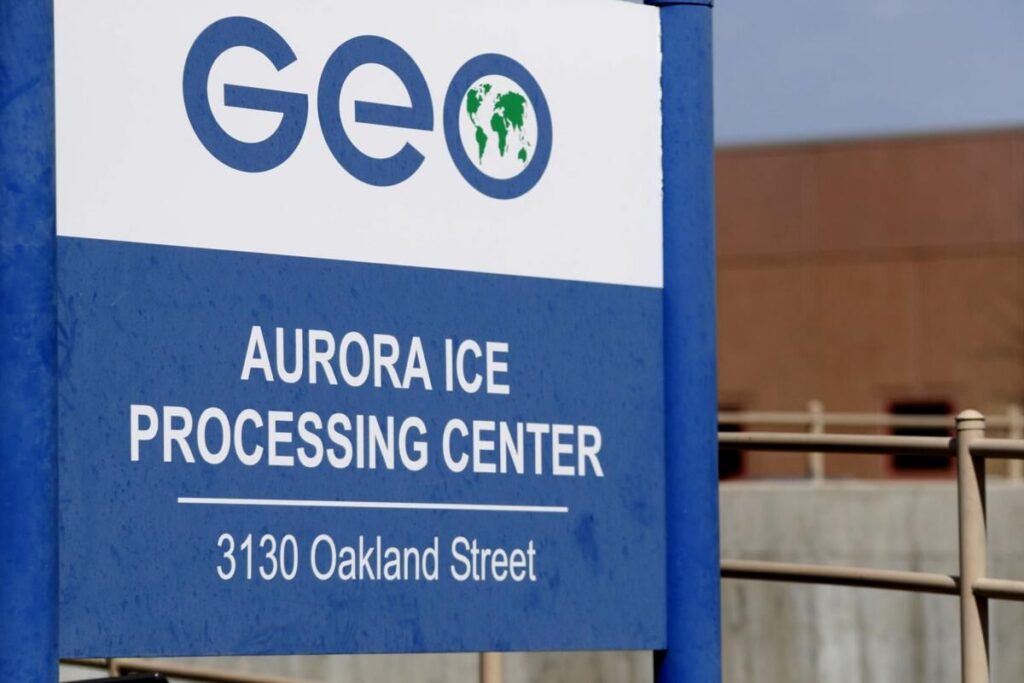
Judge grants partial injunction to GEO in fight against state health inspection law
Kyla Pearce
kyla.pearce@gazette.com
Updated 13 hours ago
A judge ruled Thursday that The GEO Group does not have to follow parts of a new state law requiring more frequent health and safety inspections at the U.S. Immigration and Customs Enforcement processing center in Aurora. Under the order...
Parker man faces 20 years to life for serial sexual assaults
Nicholas Fogleman
nicholas.fogleman@denvergazette.com
Updated 16 hours ago
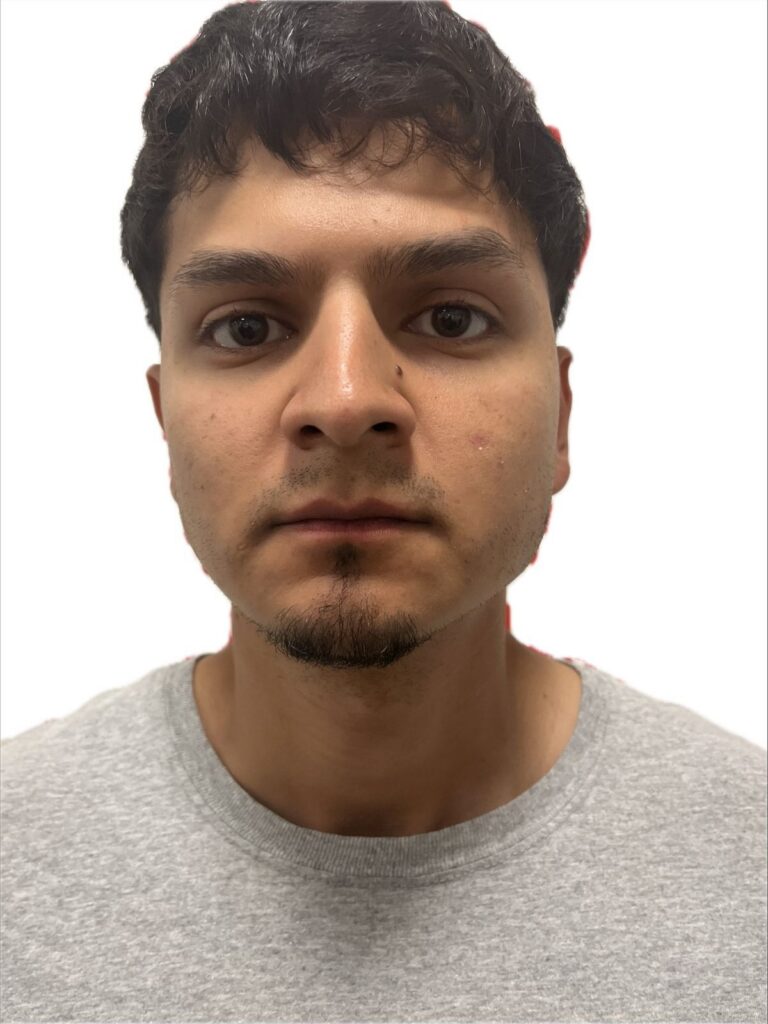
A 25-year-old Parker man who sexually assaulted three women in 2025 pleaded guilty Wednesday and will serve 20 years to life in prison. Javier Rodriguez-Andrade pleaded guilty to charges stemming from three sexual assaults involving women ages 19 to 24. ...
Buttigieg performs best among Democrats against Rubio or Vance in possible 2028 contest: Poll
David Zimmermann
david-zimmermann@coloradopolitics.com
Updated 18 hours ago
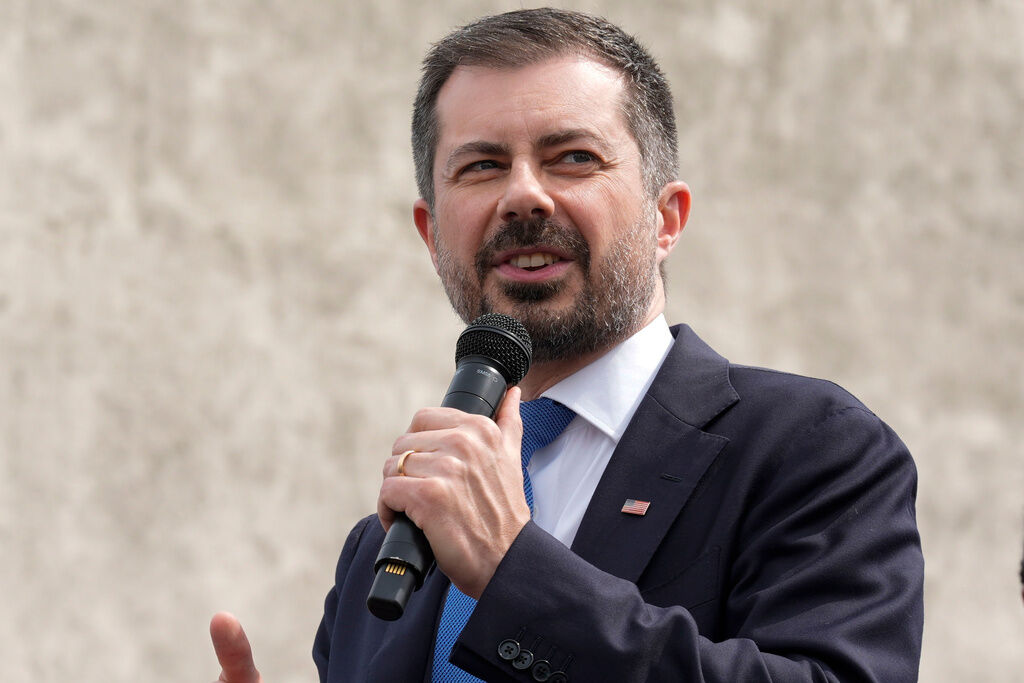
Former Transportation Secretary Pete Buttigieg appears to be the Democratic Party’s best chance at winning the presidency against Secretary of State Marco Rubio or Vice President JD Vance in 2028, according to a poll released on Thursday. In hypothetical matchups...

Douglas County moves to Stage 1 fire restrictions following recent rain
Nicholas Fogleman
nicholas.fogleman@denvergazette.com
Updated 16 hours ago
Douglas County has downgraded its fire restrictions from Stage 2 to Stage 1 on Thursday following recent rainfall and moderate fire conditions, according to the Douglas County Sheriff’s Office. The change applies to unincorporated Douglas County, as well as the...
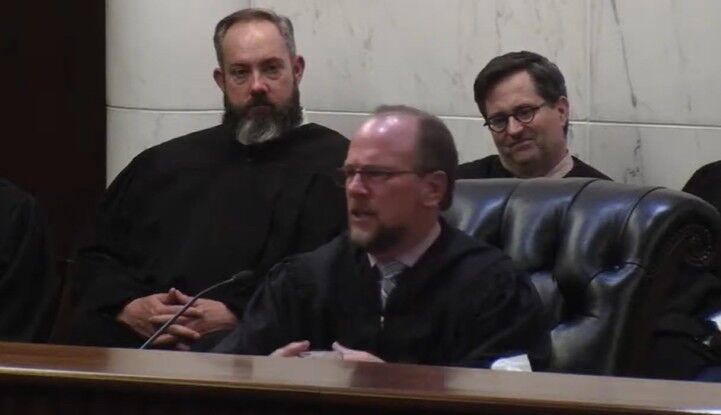
Divided appeals court upholds warrantless DNA collection in Colorado cold case, cautions of government overreach
Michael Karlik
michael.karlik@coloradopolitics.com
Updated 14 hours ago
Colorado’s second-highest court upheld the warrantless collection of a suspect’s DNA from a discarded soda can as constitutional on Thursday, while warning about potential abuse of DNA privacy in the absence of further guardrails. By 2-1, a three-judge Court of...
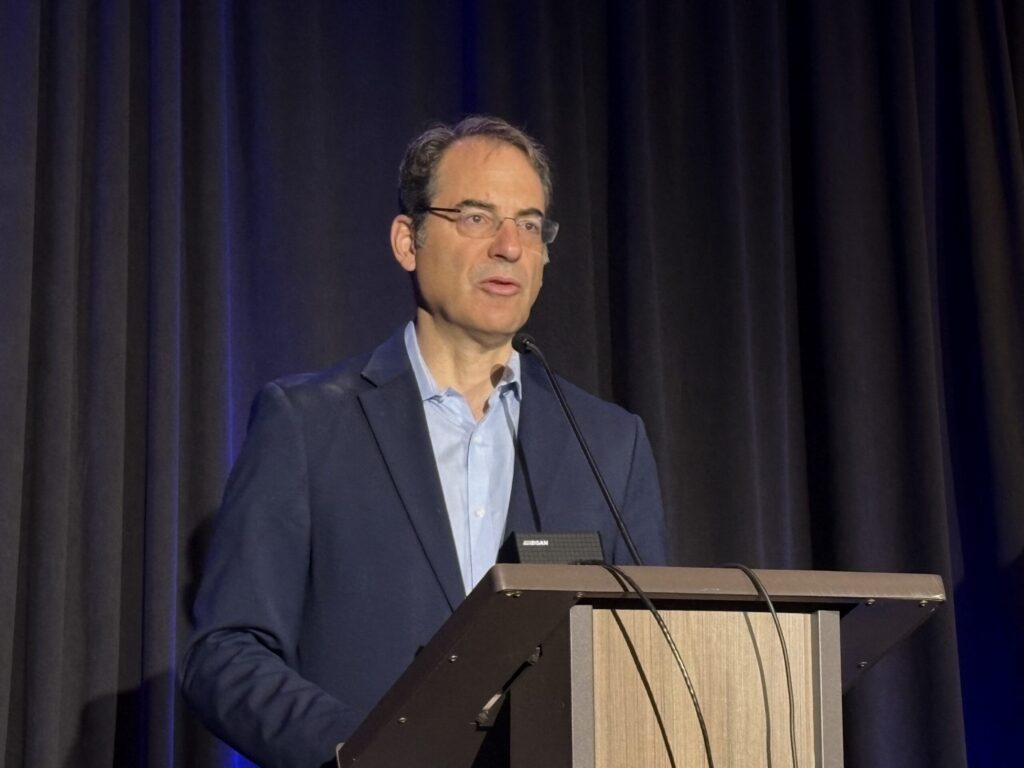
Democratic gubernatorial candidate Phil Weiser promises to appoint rural outreach director, water adviser
Marianne Goodland
marianne.goodland@coloradopolitics.com
Updated 14 hours ago
Democratic gubernatorial candidate and current Attorney General Phil Weiser told the Colorado Water Congress Thursday he intends to appoint a rural outreach director and a water policy adviser should he win the election in November. Weiser’s speech at the Steamboat...
Man charged in Northglenn homicide of wife
Matt Kyle
matt.kyle@denvergazette.com
Updated 16 hours ago
A man has been formally charged with murder and burglary relating to a homicide last week in Northglenn. Alexei Munive-Rodriguez, 48, was arrested Sunday after he was at large following the homicide, which occurred Friday. Police were dispatched around 10:30...
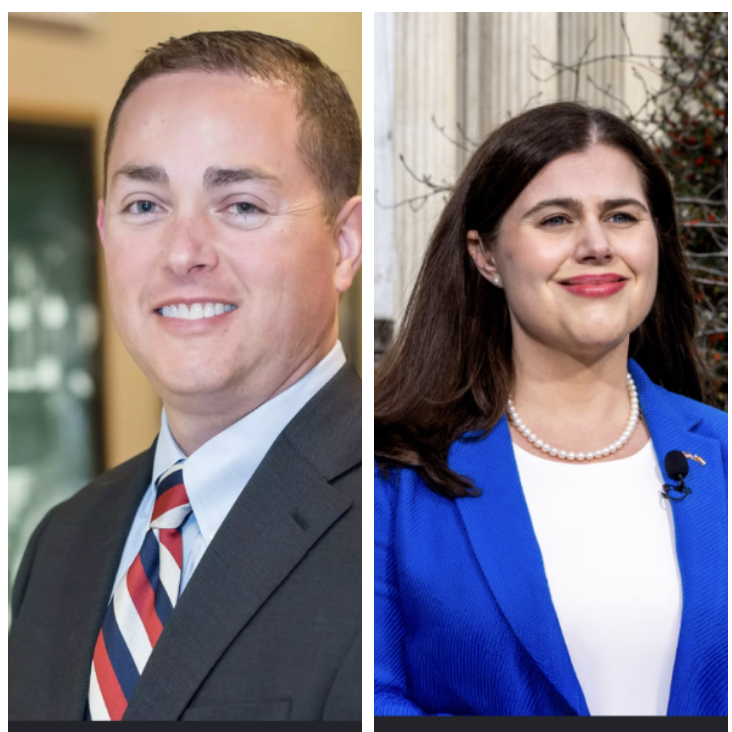
Attorney General candidates present priorities at Colorado Water Congress
Marianne Goodland
marianne.goodland@coloradopolitics.com
Updated 15 hours ago
The two major-party candidates for attorney general — Republican Michael Allen, the district attorney for Teller and El Paso counties, and Democratic Secretary of State Jena Griswold — on Thursday outlined their priorities at the Colorado Water Congress. Griswold attended...

US aircraft carrier arrives in Middle East, relieving long-deployed USS Lincoln
The Associated Press
the-associated-press@coloradopolitics.com
Updated 19 hours ago
WASHINGTON (AP) — The Asia-based USS George Washington aircraft carrier is now operating in the Middle East, the U.S. military said Thursday, relieving a long-deployed carrier following reports of mental health challenges and supply shortages aboard while it was supporting...
PREV
PREVIOUS

2 Colo. representatives absent as U.S. House defeats farm bill
The U.S. House of Representatives intends to take another stab at a 10-year re-authorization of the federal farm bill after that measure failed May 18 – a vote for which two Colorado congressmen representing farm areas were absent. H.R. 2 – the Agriculture and Nutrition Act of 2018 – died on May 18 on a […]
Bill expanding private care for veterans goes to Trump
WASHINGTON – Congress has approved expanding private care for veterans as an alternative to the troubled Veterans Affairs health system. A Senate vote on Wednesday sent the bill to President Donald Trump, who has championed the idea of giving veterans such options. The sweeping measure would allow veterans to see private doctors when they don’t […]