

The Colorado Springs Gazette: Supreme Court can’t define ‘art’ in Colorado cake shop case
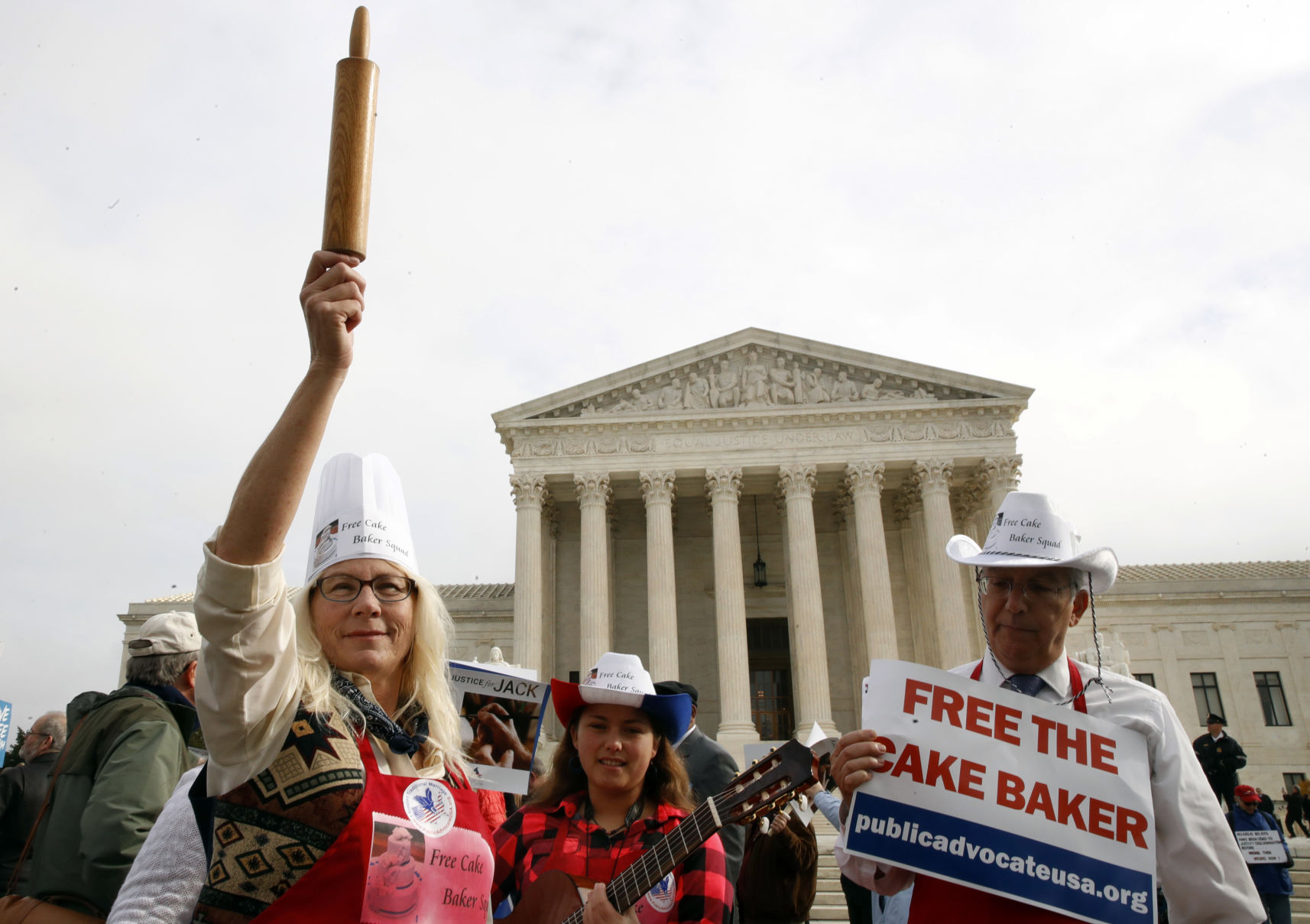
The U.S. Supreme Court grappled Tuesday with the definition of “art.” In doing so, justices highlighted the intractable dilemma of deciding Masterpiece Cakeshop v. Colorado Civil Rights Commission – a landmark case with major ramifications for civil rights.
Either decision may be a no-win, revealing a conflict the courts cannot resolve.
The case involves Colorado baker Jack Phillips, who considers wedding cakes a canvas for art. If his custom designs are not true art, the court might order him to produce expressions for any occasion a customer demands. If his custom designs rise to the level of art, the court must decide whether government can require artists to create messages they don’t like.
We cannot have merchants turning down common, nonartistic transactions on a basis of religious objections to the lifestyles or personal characteristics of customers. This would defy decades of hard-fought civil rights progress.
Conversely, we do not want government requiring artists to perform on demand. With compulsory art, some will have pacifist poets writing lyrics to celebrate war.
The conflict began when an administrative law judge and the Colorado Civil Rights Commission punished Phillips for declining to decorate a cake for a same-sex wedding. Phillips argues his art expresses personal emotions and beliefs. Same-sex marriages violate his religious convictions, so he cannot design heartfelt cakes for gay weddings.
Justice Ruth Bader Ginsburg asked if the person who designs a wedding invitation is an “artist,” who should be allowed to discriminate on a basis of religious objections. Justice Elena Kagan asked about jewelers who make wedding rings, and the bride’s “makeup artist.” Justices were making points, not asking real questions, and did not wait for developed answers.
“The reason we’re asking these questions is because obviously we want some kind of distinction that will not undermine every civil-rights law, from the year one. including everybody who has been discriminated against in very basic things of life, food, design of furniture, homes, and buildings,” explained justice Stephen Breyer.
The discussion conjures a famous opinion by Justice Potter Stewart, who could not define obscenity when explaining the ruling in 1964’s Jacobellis v. Ohio.
“I shall not today attempt further to define the kinds of material I understand to be embraced within that shorthand description (‘hard-core pornography’), and perhaps I could never succeed in intelligibly doing so. But I know it when I see it,” Stewart wrote.
To this day, society has never figured out how to draw the line between pornography and protected expression. Quite simply, the dilemma overpowers the wisdom and authority of the court.
Just as Stewart could not deliver a crisp distinction between pornography and protected expression, justices will not possibly deliver an opinion that distinguishes “art” from craft and other forms of expression.
What is art? We know art when we see it.
Phillips is part of a modern trend of cake artistry celebrated on the Cooking Channel, Food Network, TLC and WE with shows that include “Cake Hunters,” “Last Cake Standing,” “Cake Boss,” “Aces of Cakes,” “Amazing Wedding Cakes,” and more. Each cake is a boldly unique design that expresses an artist’s vision.
When Phillips designs a cake, he learns about the occasion and the people involved in it. If he feels inspired, he expresses himself with intricate designs. If not, he declines the contract. He has routinely declined custom designs for Halloween, bachelor parties and divorce celebrations. It is not the customers, it is the occasion that matters.
Phillips knows the difference between his art and his craft. He routinely creates and sells noncustom cookies, cupcakes and other goods to transgendered customers, and all others who come his way.
Again, what is art?
The market considers blasphemy a form of art. A crude painting of the Virgin Mary, speckled with elephant dung, sold at an art auction in London for $4.6 million in 2015. Racist songs that use the n-word and promote domestic violence are considered artistic expression. “Piss Christ,” a crucifix in the artist’s urine, won the “visual arts” category in a competition funded by the federal government’s National Endowment for the Arts in 1987.
The Supreme Court will decide whether governments can require artists to produce against their will. It won’t be easy. Try as they may, the country’s highest ranking jurists will not produce a useful definition of “art.”
Some human conflicts cannot be fixed at the courthouse. Consumers and merchants might have to work through this with mutual respect, cooperation, and a decision to get along and be good to each other.

Federal judge dismisses ex-Colorado judicial discipline director’s conspiracy lawsuit
Michael Karlik
michael.karlik@coloradopolitics.com
Updated 5 hours ago
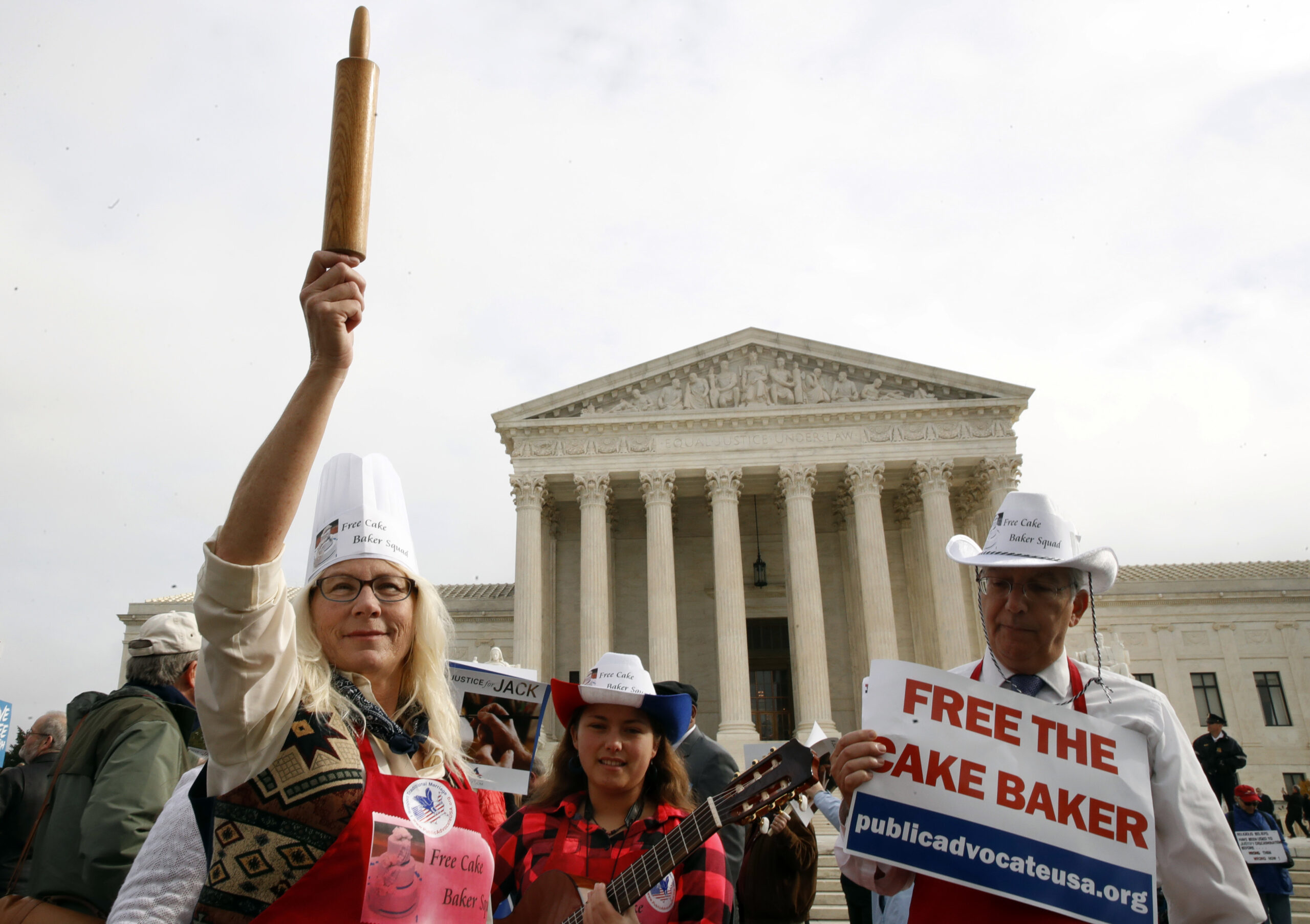
A federal judge dismissed a lawsuit from Colorado’s former judicial discipline director on Tuesday, finding that he failed to adequately state claims for conspiracy or constitutional violations. Christopher S.P. Gregory, who served as the executive director of the Colorado Commission on Judicial...
Federal judge allows retaliation claims to proceed against prison officials
Michael Karlik
michael.karlik@coloradopolitics.com
Updated 4 hours ago
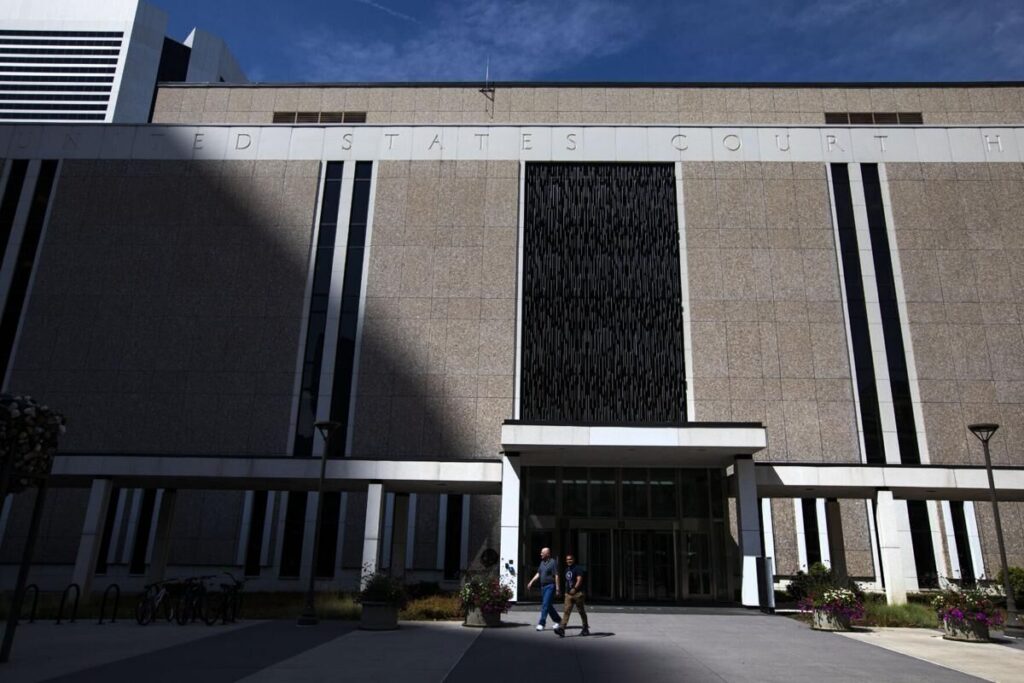
A federal judge agreed last week that a man incarcerated at Sterling Correctional Facility had credibly alleged that employees retaliated against him for filing grievances, including by taking away his disability accommodations and turning off his electricity. Louis Peoples Jr.,...
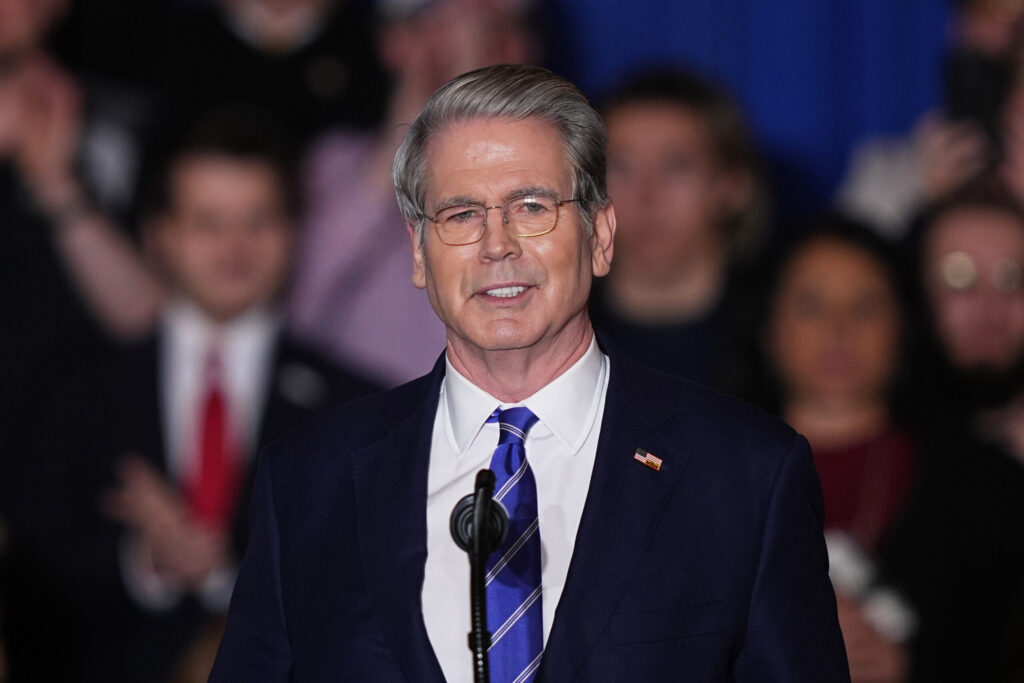
Treasury releases five-step guidance for employers to make contributions to Trump Accounts
Christian Datoc
christian-datoc@coloradopolitics.com
Updated 10 hours ago
Treasury Secretary Scott Bessent published new guidance Tuesday outlining the specific steps employers must take to contribute to employee Trump Accounts. The accounts, one of the most popular provisions included in President Donald Trump’s One Big Beautiful Bill Act, are...

Denver schools to refinance bonds to create capacity for future borrowing
Nico Brambila
nico.brambila@denvergazette.com
Updated 7 hours ago
Less than two years after voters approved a record $975 million school bond, Denver Public Schools is refinancing older debt — a move district officials say will save taxpayers money while creating capacity for another bond election. The district has...

Russia frees imprisoned US Marine over health concerns
Brady Knox
brady-knox@coloradopolitics.com
Updated 11 hours ago
Russia freed former U.S. Marine Robert Gilman upon the urging of U.S. officials so he could receive medical care in the United States. Gilman, 32, was released after 1,666 days in prison, having been arrested on Jan. 17, 2022. Eric...

Colorado students push AI task force as schools navigate new tech era
Marissa Ventrelli
marissa.ventrelli@coloradopolitics.com
Updated 4 hours ago
A group of students is urging lawmakers to establish a task force on artificial intelligence in education to advise districts on how to ensure that pupils and educators use the technology effectively without becoming overly reliant on it. The students...

Parker data center could get $19M tax rebate from Douglas County
Nicholas Fogleman
nicholas.fogleman@denvergazette.com
Updated 12 hours ago
At a time when Denver and Front Range governments are restricting or banning data center development, Douglas County commissioners are poised to approve a $19.3 million tax rebate agreement Tuesday for a new data center under construction in Parker. The...
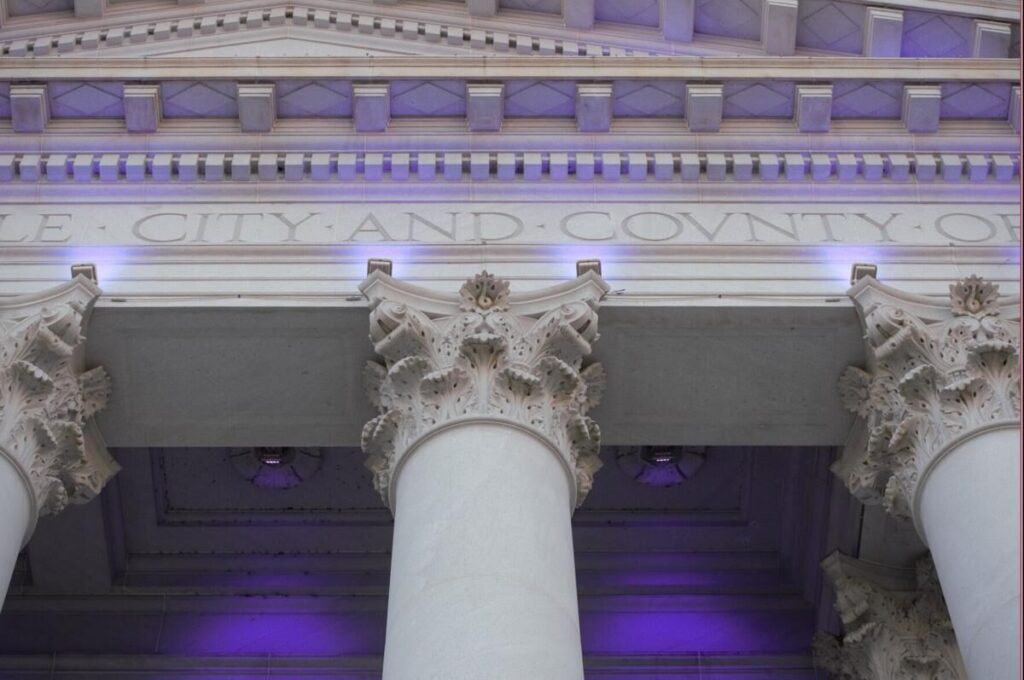
Denver City Council rejects contract that would have given video maker 8-year deal
Deborah Grigsby
deborah.smith@denvergazette.com
Updated 15 hours ago
Denver’s Office of Human Resources will have to get creative to attract new city employees and place them in “hard-to-fill” jobs after a proposed five-year contract extension, valued at $600,000, failed to gain favor with the Denver City Council. The...
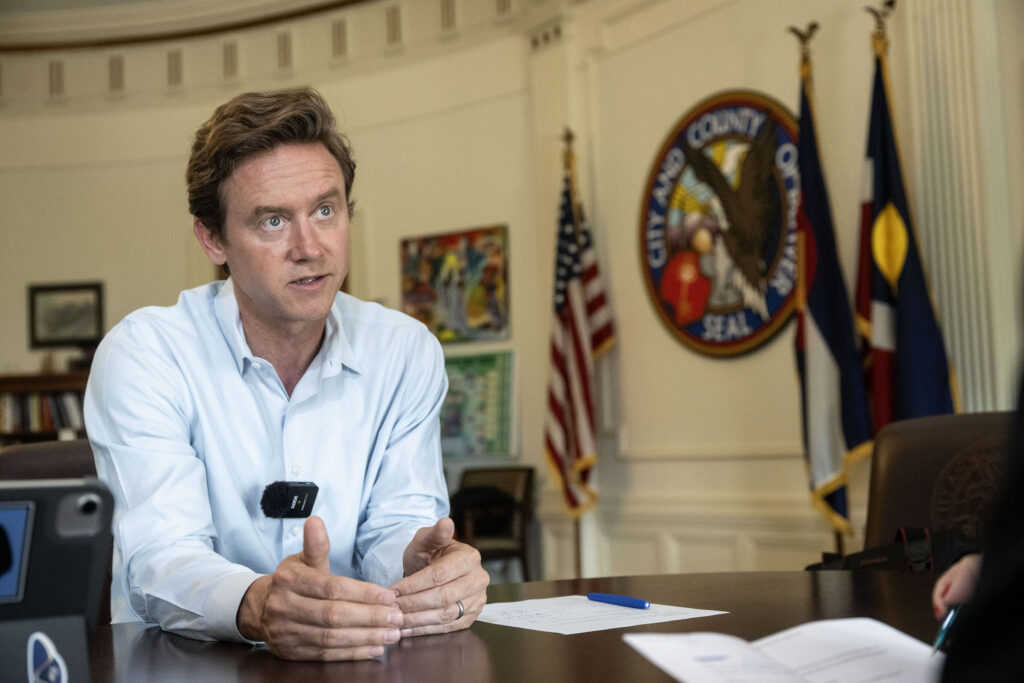
Denver Mayor Mike Johnston files to run for reelection in 2027
Michael Braithwaite
michael.braithwaite@gazette.com
Updated 15 hours ago
Denver Mayor Mike Johnston officially filed his paperwork Monday to run again for Denver’s mayoral office next year. The filing comes weeks after Johnston confirmed to The Denver Gazette that he would seek reelection as he focuses the final year...

U.S. Rep. Lauren Boebert’s son arrested, faces charges of sexual exploitation of minor
Matt Kyle
matt.kyle@denvergazette.com
Updated 1 day ago
U.S. Rep. Lauren Boebert’s son Tyler Jay Boebert has been arrested and accused of recording and sharing a video depicting himself having intercourse with a minor, according to court records. The case originated in Garfield County in Western Colorado and...