Parker data center could get $19M tax rebate from Douglas County
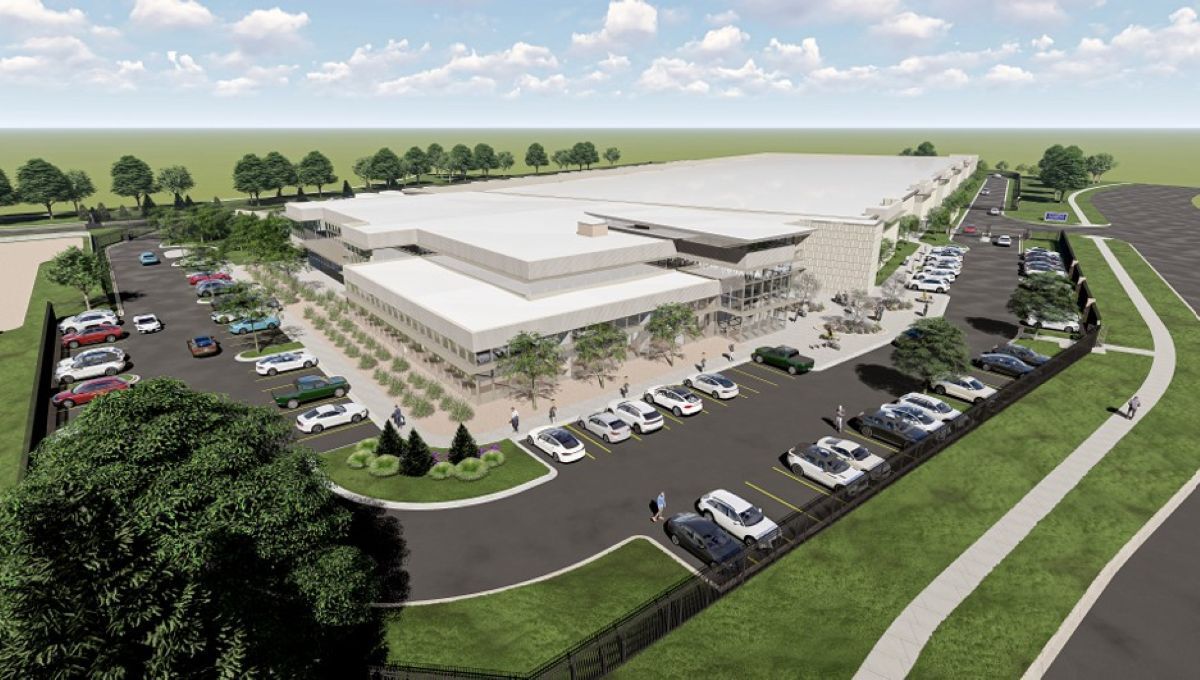
At a time when Denver and Front Range governments are restricting or banning data center development, Douglas County commissioners are poised to approve a $19.3 million tax rebate agreement Tuesday for a new data center under construction in Parker.
The contrasting approaches are occurring as the debate over data centers has taken center stage in Colorado and elsewhere in the country.
Critics seek moratoriums or even a complete ban, citing worries about water and energy consumption, while proponents argue they bring in jobs and new revenue, not to mention their national security implications — America, they say, should not cede the battle for AI infrastructure dominance to global competitors.
The proposed agreement would provide a 100% rebate for Douglas County’s share of the business personal property taxes generated by the facility’s equipment over the next 35 years.
Flexential, a Colorado-headquartered company, is developing the project, which would be its fifth location in the state. Flexential operates 41 data centers across 18 U.S. markets.
The data center is being built on a 17-acre site on Compark Boulevard near South Chambers Road within the Compark Village development. The plans envision a 249,000-square-foot facility with a power capacity of 22.5 megawatts.
The Town of Parker’s planning commission unanimously approved the proposal in January 2024, followed by the Town Council’s approval — also unanimous — of a rezoning request and creation of a data center overlay district in February.
Flexential expects to invest about $205 million in the Parker project. County documents estimate the facility will create 16 permanent jobs, though company representatives said during public meetings in 2024 that employment could range from 30 to 50 positions.
Parker officials estimated the facility could generate between $500,000 and $700,000 annually in local revenue, which they said would support public safety, infrastructure, parks, recreation and open space programs.
Unlike Douglas County, Parker is not offering tax incentives for the project.
Data centers and other “large load” users are driving up energy expectations across the country, as well as the need for the massive infrastructure to support them. But experts say access to energy is the real issue — water matters, but at a much lesser scale.
While data centers face criticism over water consumption, many companies — Microsoft, for example — say they have begun to move toward “zero-water” cooling techniques that use closed-loop systems and engineered fluids, reducing reliance on local resources.
Flexential said the Parker facility will use a closed-loop liquid cooling system designed to achieve a water usage effectiveness target of zero. Under the system, cooling liquid is recirculated through pipes, radiators and heat exchangers, rather than being consumed during the cooling process.
Electric service will be provided by CORE Electric Cooperative through an existing substation adjacent to the site. CORE has publicly supported the project, saying the 22.5-megawatt data center will fund its own infrastructure and will not increase electric rates for residential customers.
Data center supporters have emphasized jobs and revenue. Critics, meanwhile, have focused on questions surrounding power demand and water use.
Surveying the political landscape in the U.S., Brookings said more than 100 local communities have adopted moratoriums against data centers, while 300 state bills were filed in the first week of 2026 alone.
Brookings also noted that a “single hyperscale campus” could easily become one of the biggest tax sources for a county.
In Colorado, the largest data center project currently under construction is QTS Realty Trust’s hyperscale campus in Aurora, which is expected to require about 160 megawatts of electricity when completed.
The United States is the world’s largest data center market, accounting for roughly 43% of global data center electricity consumption, according to the International Data Center Authority.
U.S. data centers consume an estimated 29.2 gigawatts of electricity and account for about 6% of the nation’s total power use.
Data center employment jumped from 306,000 to 501,000 between 2016 and 2023, according to U.S. Census data.
The Douglas County proposal comes as artificial intelligence and cloud computing continue to drive demand for computing capacity.
Like other parts of the country, utilities, regulators and local governments across the state are weighing how large-scale data centers could affect long-term energy planning, even as business and labor groups push to attract them, arguing they would provide substantial employment opportunities not only in technology but also for pipe fitters, welders and service providers.
Denver approved a one-year moratorium on new data center permits in May after city officials concluded local zoning rules had not kept pace with the rapid growth of the industry.
Jefferson County followed with a 10-month moratorium to evaluate public worries about data centers, while Boulder and Larimer counties enacted similar temporary pauses to study potential impacts.
In July, Broomfield approved an 18-month moratorium on new data centers through December 2027. County leaders said the pause would allow officials to develop regulations tailored to the industry’s unique infrastructure demands.
Longmont has restricted large hyperscale facilities exceeding 100 megawatts.
Debate over data center development has also been particularly visible in Colorado Springs, where the planning commission voted, 6-2, in July to approve Project Taurus, a proposed artificial intelligence data center.
State lawmakers considered competing bills during the 2026 session that would have either imposed new requirements on data center developers or created incentives for the industry. Both proposals failed.
Douglas County commissioners are scheduled to vote on the proposed incentive agreement at their meeting Tuesday.


Denver City Council rejects contract that would have given video maker 8-year deal
Deborah Grigsby
deborah.smith@denvergazette.com
Updated 2 hours ago
Denver’s Office of Human Resources will have to get creative to attract new city employees and place them in “hard-to-fill” jobs after a proposed five-year contract extension, valued at $600,000, failed to gain favor with the Denver City Council. The...

Denver Mayor Mike Johnston files to run for reelection in 2027
Michael Braithwaite
michael.braithwaite@gazette.com
Updated 2 hours ago
Denver Mayor Mike Johnston officially filed his paperwork Monday to run again for Denver’s mayoral office next year. The filing comes weeks after Johnston confirmed to The Denver Gazette that he would seek reelection as he focuses the final year...

U.S. Rep. Lauren Boebert’s son arrested, faces charges of sexual exploitation of minor
Matt Kyle
matt.kyle@denvergazette.com
Updated 16 hours ago
U.S. Rep. Lauren Boebert’s son Tyler Jay Boebert has been arrested and accused of recording and sharing a video depicting himself having intercourse with a minor, according to court records. The case originated in Garfield County in Western Colorado and...

Clean and Safe program made nearly 3,000 contacts in first year of downtown Colorado Springs outreach
Brennen Kauffman
brennen-kauffman@coloradopolitics.com
Updated 2 hours ago
The pilot version of the Clean and Safe program in downtown Colorado Springs has hit the one-year mark, marking thousands of contacts with visitors and some intransigent homeless residents. Leaders from the Downtown Partnership presented a progress report to Colorado...
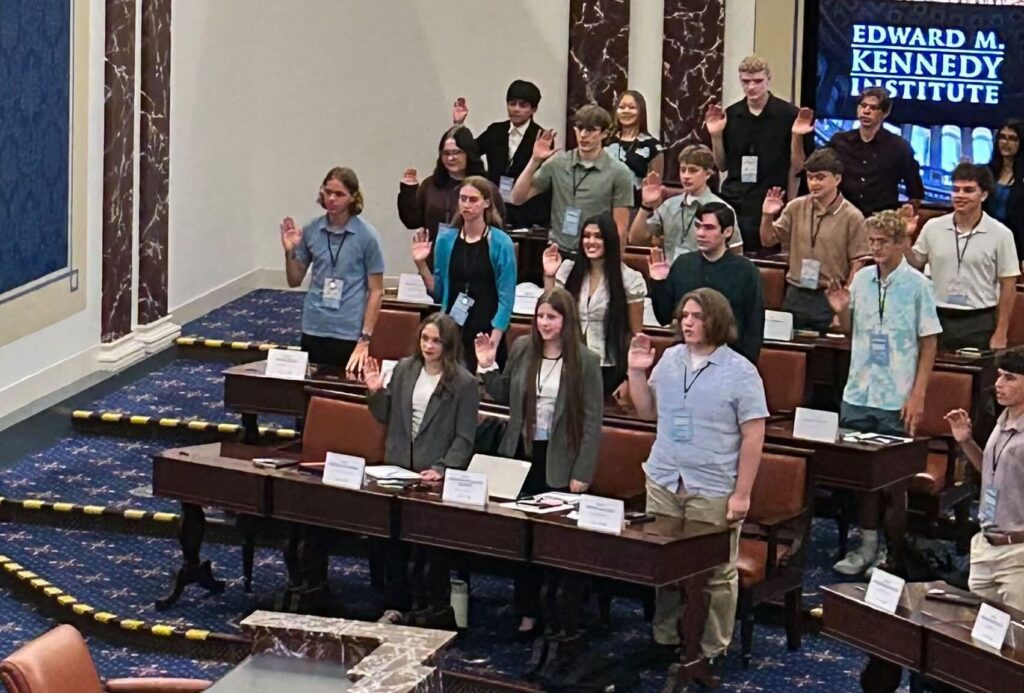
By the students, for the students: Sierra High School represents Colorado in developing national AI framework
Eric Young
eric.young@gazette.com
Updated 16 hours ago
To many, the recent, rapid development of generative artificial intelligence and its lack of frameworks and oversight may evoke comparisons to the unrestrained Wild West in the 1800s or the economic potential of the dot-com boom in the early 2000s....
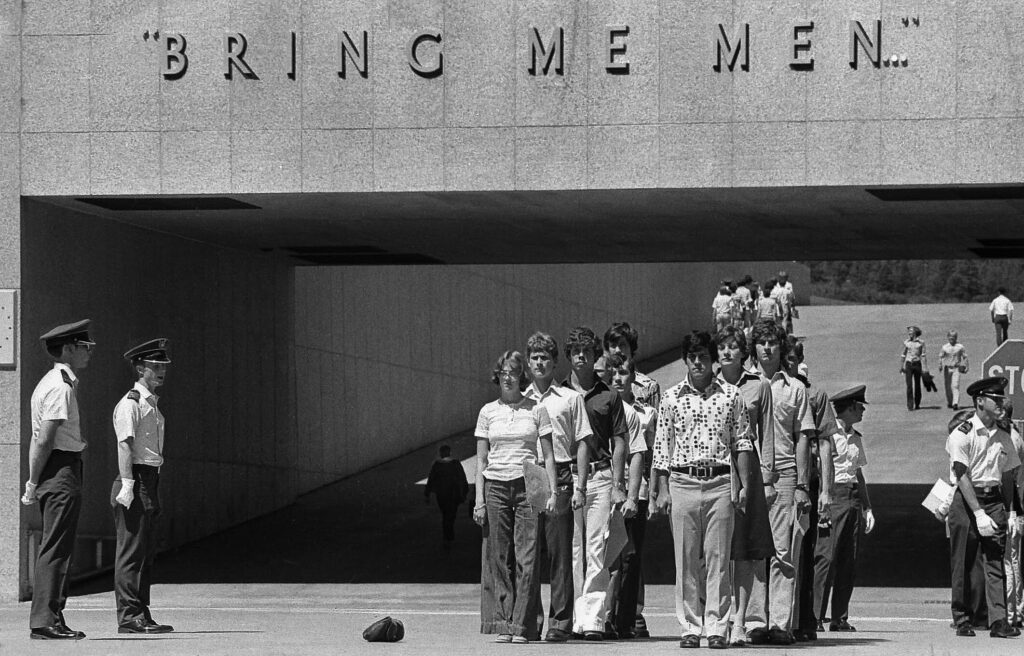
Fifty years later, women reflect on first coed class at the Air Force Academy, struggle for equality
Mary Shinn
mary-shinn@coloradopolitics.com
Updated 3 days ago
When the first female Air Force Academy cadets arrived 50 years ago this summer, they stood in front of an enormous sign on campus that read “Bring me men.” In the shadow of that sign, Kathleen Utley Kornahrens, one of...

Denver City Council to consider $248M in airport contracts
Deborah Grigsby
deborah.smith@denvergazette.com
Updated 23 hours ago
Denver International Airport leaders anticipate that the Denver City Council will approve resolutions for three large airport contracts totaling more than $248 million. The council will consider a $135 million, 10-year program management agreement for the North Terminal Expansion and...

Aurora City Council to discuss data center regulations, business permits
Kyla Pearce
kyla.pearce@gazette.com
Updated 23 hours ago
The Aurora City Council will discuss a permit for businesses that target low-income communities and vote on regulations for new data centers in a study session and regular council meeting Monday night. In the study session, the City Council will...

DOJ official decries ‘nonsense’ in Jeffco schools at fundraising gala
Matt Kyle
matt.kyle@denvergazette.com
Updated 3 days ago
Amid a legal battle between Jeffco Public Schools and the federal government, a Department of Justice official spoke at a fundraising gala and decried “crazy stuff” and “nonsense” in the school district. The gala was for Jeffco Kids First, an...

Colorado Springs mother Deborah Nicholls’ murder conviction overturned
Nick Smith
nick-smith@coloradopolitics.com
Updated 5 days ago
A Colorado Springs mother convicted in 2008 of murdering her three children in a house fire might get a new trial after a judge ruled that prosecutors withheld key evidence that could have impacted the jury’s verdict. Deborah Nicholls, whose...