

Gazette editor: Anti-ISIS coalition aims to drive ‘stake through the heart of the vampire’
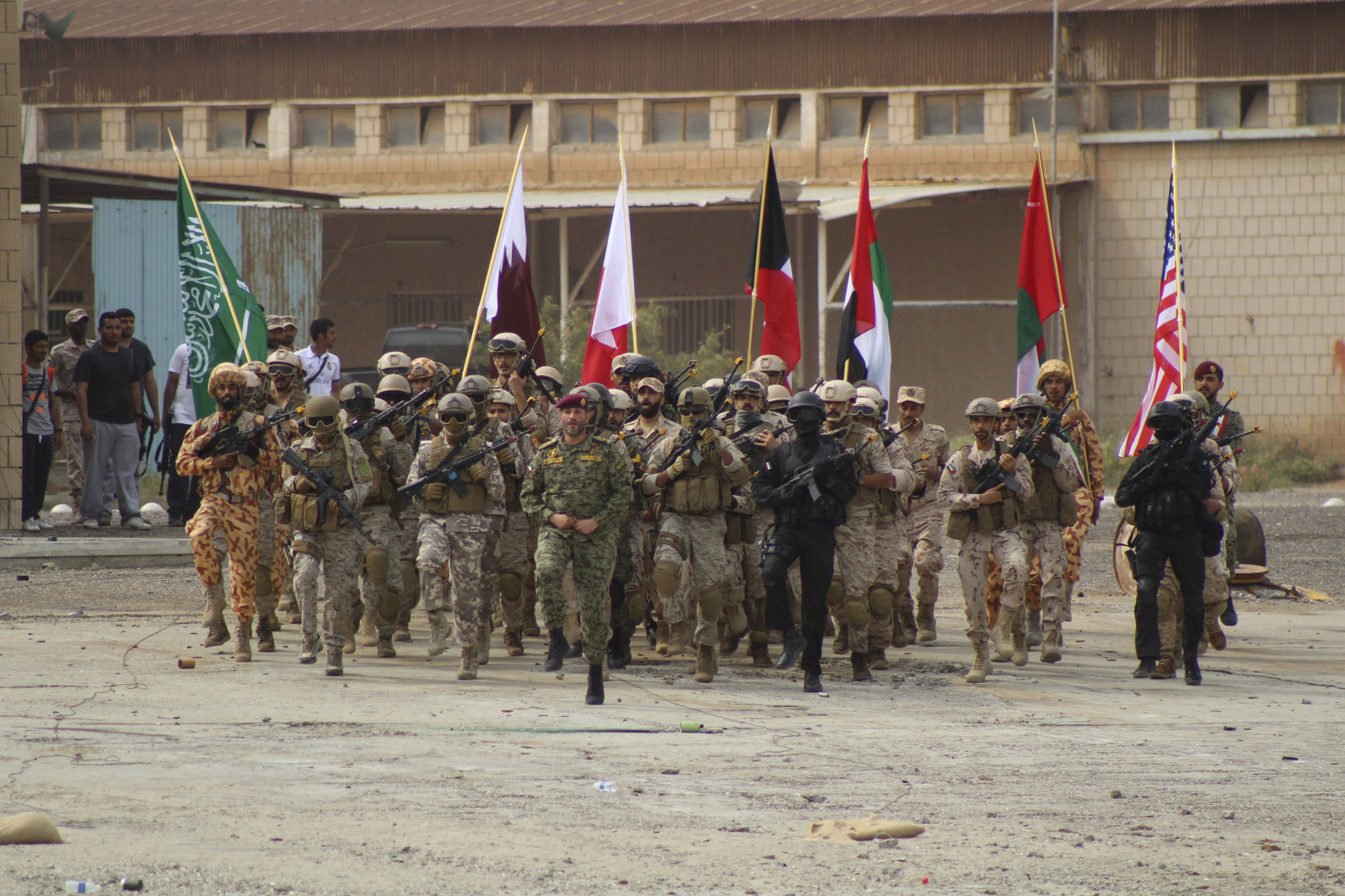
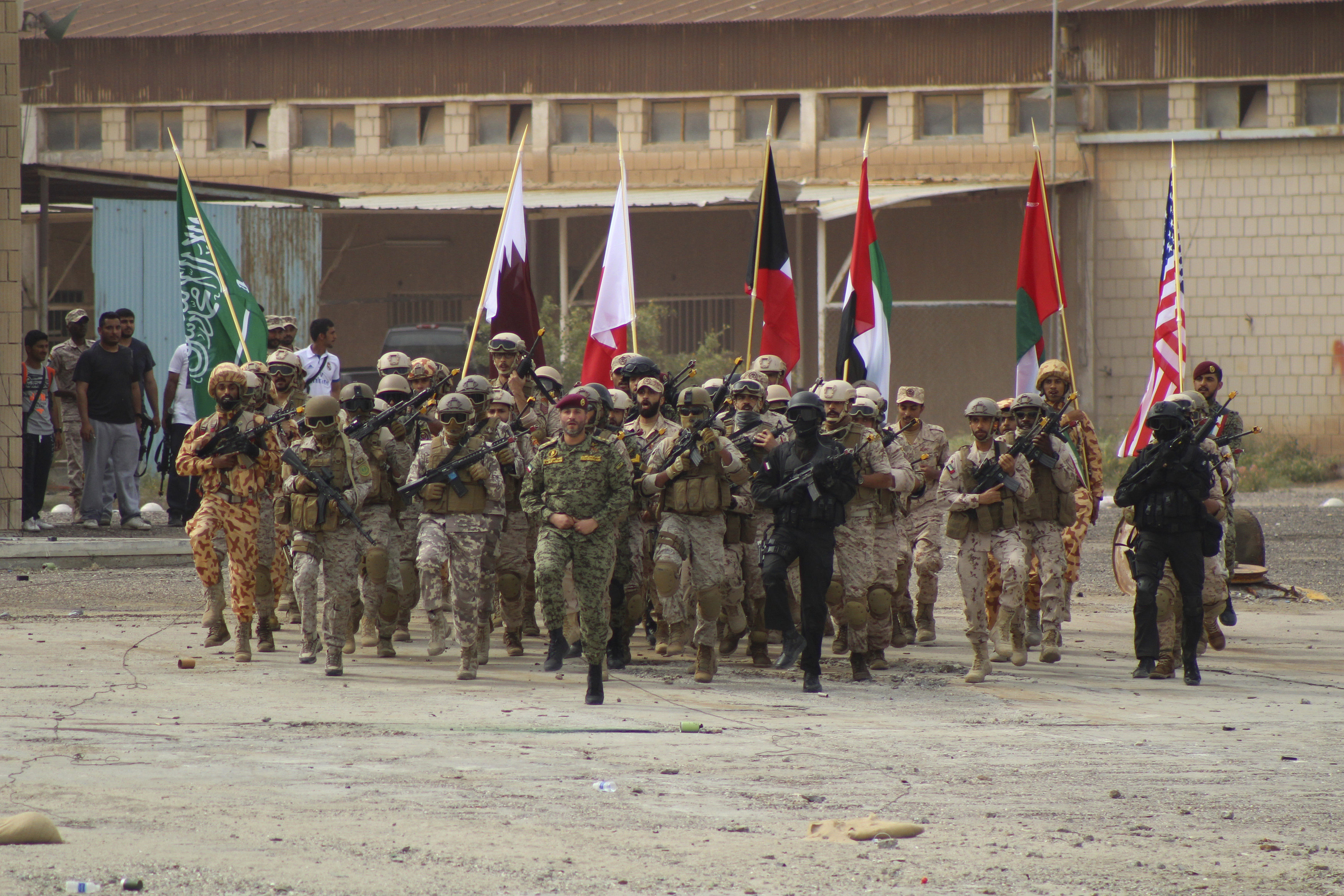
KUWAIT CITY – Three years after a 70-nation coalition was formed to fight ISIS in Syria and Iraq, 99 percent of the territory once occupied by the “caliphate” has been liberated and 7.7 million people have been freed, coalition officials said Monday.
Approximately 3,000 ISIS fighters are left from a force that once numbered in the tens of thousands and controlled more than 41,000 square miles of Syria and Iraq, the officials estimated.
“The physical caliphate has been destroyed … but I don’t want to confuse this with the ultimate defeat of ISIS. We’re a long way from that. Now we have to put the stake through the heart of the vampire,” said one coalition official, who along with colleagues was speaking on background, which means they cannot be identified.
Kuwait City, visited Sunday and Monday by Defense Secretary James Mattis as the coalition begins winding down its mission, played a key role in the fight against ISIS; coalition forces were coordinated and deployed from this city.
Speaking at the start of his trip, Mattis said the Pentagon is “changing the composition of our forces” in Syria to reflect the collapse of ISIS, and U.S. forces will now support the diplomatic effort in Syria. The U.S. late last month announced it would stop arming Kurdish forces.
The ISIS ideology has not been eradicated from the region, and there still are “some small pockets that are able to provide some resistance,” the official said. As an example, the coalition official cited a 200-person ISIS counterattack just days ago. Several more months of tough fighting is expected before all of northern Syria is liberated.
Even so, the defeat of ISIS is an unequivocal success story for the United States and its partners in a region starved for good news about the fight against Islamic extremism. A few days ago, Mosul held its first marathon, with 4,000 runners participating, and the city will hold a Fourth of July-style liberation parade there this weekend.
Hospitals and schools are reopening across Syria and Iraq, and displaced Syrians and Iraqis are beginning to return to their homes.
“It’s a remarkable story,” said one official. “Every kid on the street will flash you a ‘V for victory’ sign.”
Why did this fight apparently succeed in three years when the battle against entrenched terror organizations such as al-Qaida and Taliban rage on after 14 years or more?
Certainly the multiethnic support of 70 nations in Operation Inherent Resolve helped. “The world spoke out on this,” the official said.
But the key factor, the official said, was that “the people of Iraq and Syria have paid for this in their own blood and treasure. There was initiative and motivation on the ground level. Syrians and Iraqis raised an army of tens of thousands and took on a dug-in force. These are not professional soldiers, they are like Minutemen.”
National pride and national unity are wrapped up in this victory, he said, it doesn’t belong to forces outside the region. “They sacrificed,” said the official. “We helped.”
The battle of Mosul, the turning point in the fight last summer, has become iconic for Iraqis – the equivalent to the Alamo in the United States, said one official. In Syria, the reclaiming of Raqqa a few weeks ago has taken on a similar level of mythic importance.
The official declined to say how many U.S. troops remain in Syria. “We don’t have one troop more than is necessary,” is all he would say. But he insisted the “general trend” is that the U.S. is sending forces home.
The 1st Battalion, 10th Marine Regiment, which supported coalition forces with artillery strikes in the fight against ISIS in Raqqa, has just been ordered home. Its replacements have been called off.
“The departure of these outstanding Marines is a sign of real progress in the region,” the CJTF-OIR director of operations, Brig. Gen. Jonathan Braga, said in a news release. “We’re drawing down combat forces where it makes sense but still continuing our efforts to help Syrian and Iraqi partners maintain security. Our remaining forces will continue to work by, with, and through partner forces to defeat remaining ISIS, prevent a re-emergence of ISIS, and set conditions for international governments and NGOs to help local citizens recover from the horrors of ISIS’ short-lived rule.”
Asked whether the Trump administration has helped accelerate the pace of the campaign, the coalition official speaking Monday deflected. “From the day we (got here), it was going fast,” said the official, who arrived in Kuwait four or five months ago. “We maintained that.”
One of the main tasks at hand is clearing deadly IEDs from areas vacated by ISIS. “Tens of thousands” of IEDs have been left behind in Raqqa, mostly placed there by ISIS, the official said, and they are killing returning Iraqis and Syrians daily. “That’s the evil of ISIS, to kill civilians” even after their defeat. It will be a “yearslong” process to clear the city of explosives.
These are “high-end, factory made” explosive devices, many of which are disguised as household items. Some houses have six or seven IEDs embedded in them.
Even the Russians were given a nod of credit in the defeat of ISIS. “They certainly helped the Syrian army defeat ISIS west of the Euphrates River,” said one official, although he said Russian tactics have been more heavy-handed, with more civilian casualties.
During the height of conflict, coalition officials were sometimes on the phone with the Russians a dozen times a day to “deconflict” Russian battle plans with coalition battle plans, and make sure neither side ventured into the other’s battle space. Officials said cooperation would be the wrong word for the coordination, but it has been a cordial, professional relationship – though often intense.
It’s now up to diplomats and politicians and local civilians to secure the peace that military forces have won in the region.
“The phase we’re in now is diplomatic, economic,” said the official, “to consolidate gains. Two to three years ago this situation was pretty dire,” the official reminded. Problems in Syria especially seemed “insurmountable. But now the military phase is coming to a conclusion.”
Just seeing kids back on the streets in the former caliphate gives U.S. officials hope for a lasting, stable peace in the region.
“Kids give you hope, kids with a smile on their face,” said the official. “I see hope on the ground. It’s a good feeling.”
___
Gazette editor Vince Bzdek is covering Defense Secretary James Mattis’ four-nation Mideast tour. In addition to Kuwait, other stops include Egypt, Jordan and Pakistan.

Colorado House pass bill raising threshold for agriculture overtime by one vote
Marianne Goodland
marianne.goodland@coloradopolitics.com
Updated 10 hours ago
The bill that would raise the overtime threshold for overtime pay for certain agricultural workers won the narrowest of votes Thursday in the Colorado House. Senate Bill 121 won a 33-32 vote, a dramatic difference from votes cast Wednesday on...
Colorado’s $46.8 billion budget nears finish line
Marianne Goodland
marianne.goodland@coloradopolitics.com
Updated 12 hours ago
The Colorado Senate on Thursday voted largely along party lines to approve $46.8 billion in spending for the next state budget. The spending plan is bigger than what legislators originally approved for the current fiscal year’s budget, driven by increases...

Colorado Senate passes bill for voluntary $5 fee to fund wildlife crossings
Scott Weiser
scott.weiser@gazette.com
Updated 12 hours ago
The Colorado Senate approved bipartisan legislation allowing drivers to voluntarily pay an extra $5 when registering their vehicles to help finance wildlife crossings and reduce the growing number of dangerous collisions between cars and animals on state highways. In 2024...

A proposed Democratic bill would make taking Colorado workers’ IDs a crime
Marissa Ventrelli
marissa.ventrelli@coloradopolitics.com
Updated 14 hours ago
After a narrow 6–5 vote, a bill to bar employers from taking workers’ identification documents is moving to the full Colorado House, sparking questions about how often such intimidation occurs and whether a new state law is necessary. House Bill...
House rejects effort to withdraw US forces from the Iran war as Republicans stick with Trump
Kevin Freking
kevin.freking@associatedpress.com
Updated 18 hours ago
WASHINGTON (AP) — The House rejected a resolution Thursday requiring President Donald Trump to withdraw U.S. forces from the war with Iran unless Congress authorizes military action. It was the latest such vote that fell short of passage as Republicans...
9 Colorado hospitals at risk of closing due to Medicaid cuts
Nico Brambila
nico.brambila@denvergazette.com
Updated 18 hours ago
The $900 billion in Medicaid cuts over the next decade could threaten the viability of more than 400 hospitals nationally and at least nine in Colorado, a new report has found. The hospitals span the Front Range and rural communities,...
Democrats vow to block next Trump Supreme Court pick amid Alito speculation
Ramsey Touchberry, Washington Examiner
ramsey.touchberry.washington.examiner@gazetteedit.wpenginepowered.com
Updated 19 hours ago
Justice Samuel Alito hasn’t tipped his hat on retiring just yet, but Senate Democrats are already entrenched in opposing the confirmation of a successor that would deliver President Donald Trump his fourth lifetime appointment to the high court. Democrats need...
Lakewood mayor calls for unity, community in State of the City speech
Sage Kelley
sage.kelley@denvergazette.com
Updated 19 hours ago
Lakewood held its first State of the City address since 2018 on Wednesday — timing Mayor Wendi Strom attributed to fate. “We got bumped a few times on dates,” Strom said to a room of nearly 100 residents and officials....

Colorado Senate reworks key programs, gives preliminary nod to $46B budget
Marianne Goodland
marianne.goodland@coloradopolitics.com
Updated 19 hours ago
With the Senate’s traditional Budget Day barbecue setting a lighter tone, lawmakers worked through the $46.8 billion state budget Wednesday, navigating a long list of amendments but avoiding the partisan clashes that defined the House debate last week. The Senate...
Colorado budget plan seeks to keep $306 million by canceling TABOR refunds
Marianne Goodland
marianne.goodland@coloradopolitics.com
Updated 19 hours ago
Tucked deep within the hundreds of pages of the proposed $46.8 billion 2026–27 state budget is a line item showing $306.1 million in savings — achieved by canceling Taxpayer’s Bill of Rights refunds. Gov. Jared Polis has recommended withholding TABOR...
PREV
PREVIOUS
Ex-Colorado GOP chair accused of voter fraud blames diabetic episode
GREELEY – A former chairman of the Colorado Republican Party on trial for voter fraud is blaming a “major diabetic episode” for casting his ex-wife’s ballot in the 2016 presidential election. In opening arguments Tuesday in Greeley, Steve Curtis’ lawyer, Christopher Gregory, said Curtis had a bad history of monitoring and controlling his blood sugar. He said […]

In about-face, Salvation Army looks at reopening homeless shelter in Colorado Springs
Breaking a 2-year-old promise, the Salvation Army on Tuesday proposed reopening its controversial Weber Street homeless shelter – arguing the city’s bed shortage left it no choice but to renege on a promise not to return. The nonprofit unveiled its proposal during a meeting with Lowell neighborhood residents, outlining plans for an emergency warming shelter […]