

Insights: Rick Perry’s energy grid study holds shocks for Colorado
Colorado has a lot to win and more to lose in a long-delayed analysis of the nation’s power grid. The likely conclusion of the 60-day study called for by Energy Secretary Rick Perry in April is that a steady supply of electricity depends on a reliable market for coal.
A draft copy leaked last month suggested coal and nuclear power need primacy over renewable energy and natural gas.
“Costly environmental regulations and subsidized renewable generation have exacerbated and accelerated baseload power plant retirements,” the draft stated. “However, those factors played minor roles compared to the long-standing drop in electricity demand relative to previous expectations and years of low electric prices driven by high natural gas availability.”
Colorado has no nuclear power, but, oh brother, the Trump administration is grabbing three live wires on coal, natural gas and renewables. Stabilizing the grid with coal could mean disrupting major investments and plans in Colorado for renewable energy and natural gas.
The state still gets 45 percent of its electricity generation from coal, but it gets more than 23 percent from natural gas. Moreover, Colorado ranks 6th nationally for natural gas production and sits on the third-largest reserves in the country, according to the state Energy Office.
The state gets about 24 percent of its power from renewable sources, about half of which is hydropower. And Republican congressman Scott Tipton of Colorado Springs is looking at amping up the state’s hydropower portfolio in the West.
A 2004 law requires Colorado to get 30 percent renewable energy from investor-owned utilities (namely Xcel and Black Hills), 20 percent for cooperatives and 10 percent for 10 municipal utilities by 2020. Democratic gubernatorial candidates Jared Polis and Mike Johnston are pledging to take the state 100 percent renewable by 2040.
“The leaked draft of Perry’s report was created by non-partisan experts and scientists at the Department of Energy and clearly shows clean energy improves the national grid’s resilience, lowers electricity costs for customers, and improves the efficiency of modern energy marketplaces,” Jim Alexee, the Sierra Club’s Colorado chapter director, tells Colorado Politics.
“This is in line with the experience here in Colorado where renewable energy now provides nearly 30 percent of our energy, creates twice as many jobs as coal, and is helping to lower electricity bills. If politics or corporate special interests make their way into the final report, energy customers here in Colorado may well be left on the hook to prop up expensive coal plants that cannot compete with cleaner, cheaper alternatives. We should listen to the scientists, not corporate special interests.”
The Sierra Club chapter in Colorado estimates more than 15,000 people are working in the renewable energy industry in the state.
But on the other hand, there’s Colorado coal.
The federal Energy Information Administration says that in 2015 there were 1,642 people working in surface and underground mining in the state, a nearly 10 percent decline from 2014. The decline of coal-fired power plants and steel production cut off the two main customers for Colorado mines.
Colorado Politics told you recently that Sen. Michael Bennet, a Democrat from Denver, is proposing a bill to provide economic incentives and training programs in six counties where coal used to be king.
In that story we told you about a report released in 2015 by Western State Colorado University in Gunnison said the state’s 12 mines in 2001 produced 33.4 million tons of coal, but the nine mines still operating in 2014 yielded 18.7 million tons. That’s a crippling 44 percent decline.
The tonnage that used to generate electricity declined from 90 percent in 1990 to 60 percent in 2014, the report found.
Clean air rules, natural gas and renewable sources will have shuttered 256 of the nation’s roughly 500 coal plants by 2021 and bankrupted 44 coal companies. Half or more of the country’s nuclear plants are losing money, Bloomberg New Energy Finance said in an analysis last month.
Without a supply of coal, the nation’s grid could be at risk if it has to rely on other sources, Perry said in his April 14 memo calling for the study.
“We are blessed as a nation to have an abundance of domestic energy resources, such as coal, natural gas, nuclear and hydroelectric, all of which provide affordable baseload power and contribute to a stable, reliable and resilient grid,” he wrote in the memo addressed to his chief of staff.
While less coal might sound good for clean air and renewable energy advocates, it’s bad for miners who aren’t migrating into solar panels and windmills. On the campaign trail, including in Pueblo, where coal was turned into steel (and union votes for Democrats) for more than a century, Donald Trump promised a resurgence.
The president apparently aims to make the market great again.


10th Circuit upholds finding of no misconduct against Colorado federal judge
Michael Karlik
michael.karlik@coloradopolitics.com
Updated 2 hours ago
A judicial committee for the Denver-based federal appeals court upheld the chief judge’s finding last week that a federal judge in Colorado did not engage in misconduct by handling a civil case involving other attorneys and judges in the state....
Denver mayor says city police will detain ICE officers using ‘excessive force’
Deborah Grigsby
deborah.smith@denvergazette.com
Updated 10 minutes ago
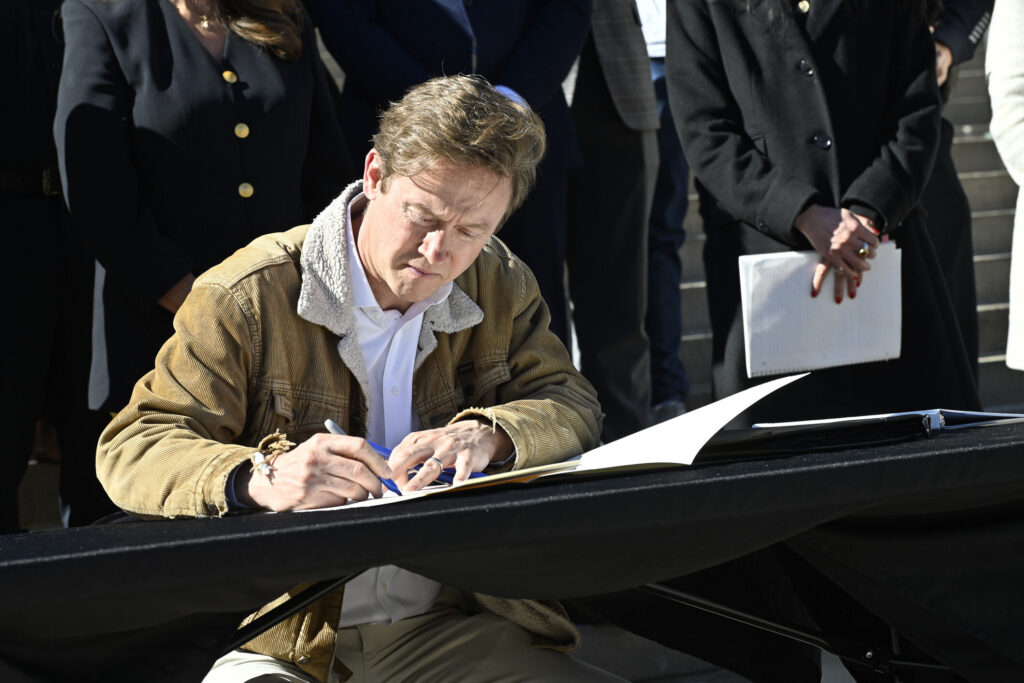
Denver Mayor Mike Johnston on Thursday outlined his city’s response to immigration enforcement operations, including intervening to stop federal officers when local police observe them using “excessive” force. Johnston also said the city will not allow federal authorities to “stand...
SCOTUS whisperer? Justice Carlos Samour may get second opportunity to turn state dissent into national precedent
Michael Karlik
michael.karlik@coloradopolitics.com
Updated 6 hours ago
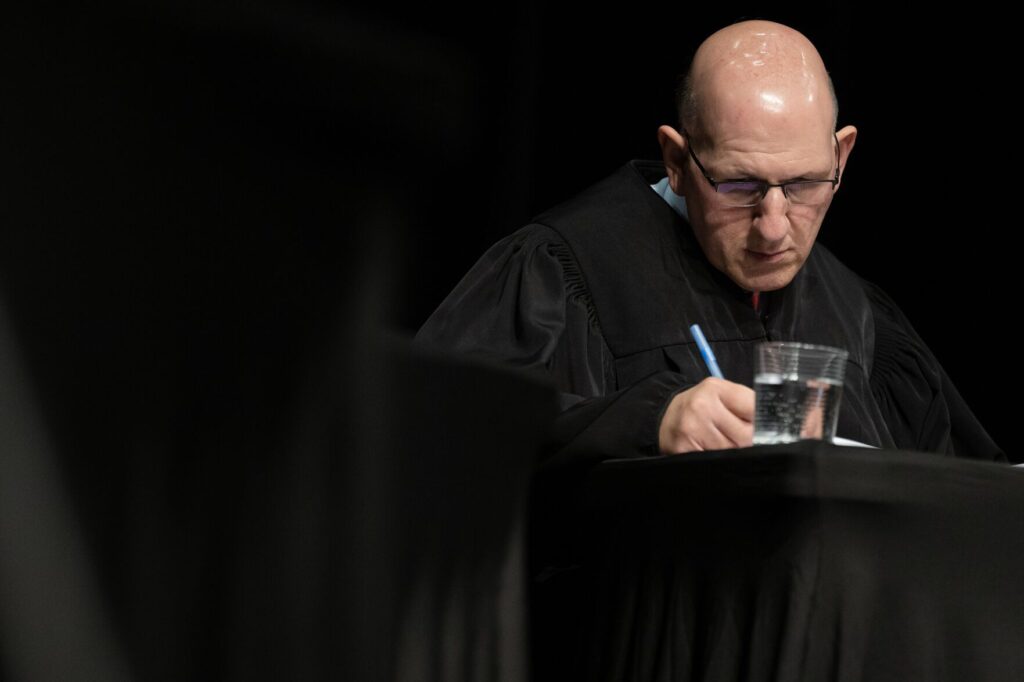
For the second time in two years, Justice Carlos A. Samour Jr. occupies an unusual position: Having his dissent in a Colorado Supreme Court case potentially forming the basis of U.S. Supreme Court precedent. Earlier this week, the nation’s highest...
Republicans roll out first ad pinning Democrats for not standing during State of the Union
Emily Hallas, Washington Examiner
emily.hallas.washington.examiner@gazetteedit.wpenginepowered.com
Updated 6 hours ago
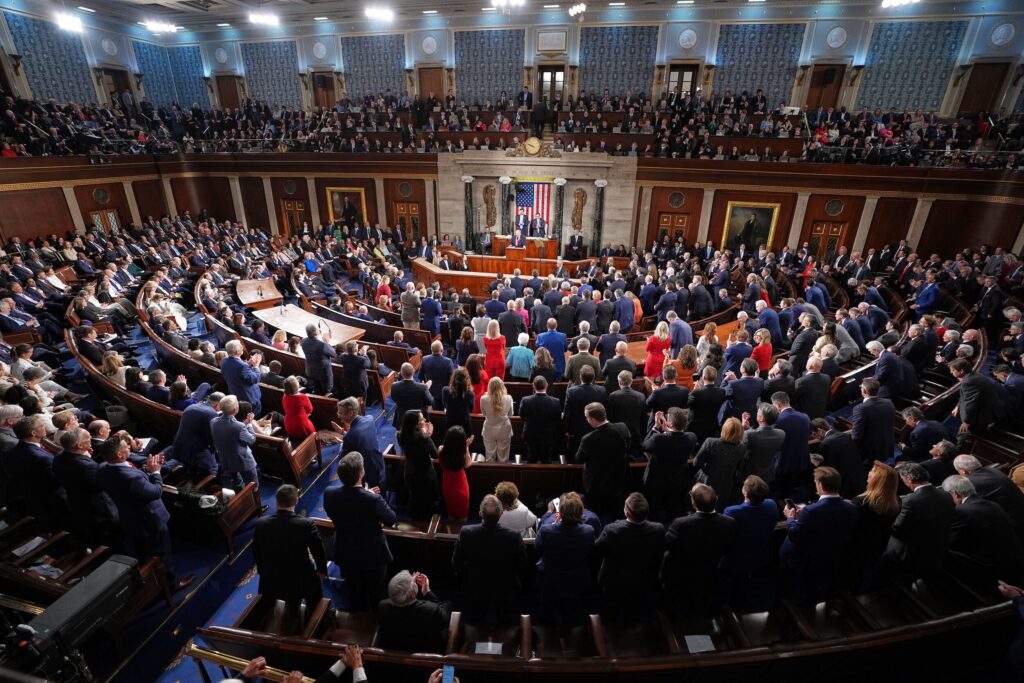
A conservative group is launching a sweeping ad campaign on Thursday, seeking to capitalize on Democrats‘ refusal to stand during a portion of President Donald Trump’s State of the Union address centered on illegal immigration. American Sovereignty created a message...
Rubio says any future nuclear proliferation deals have ‘to involve’ China and Russia
Washington Examiner Staff, Washington Examiner
washington.examiner.staff.washington.examiner@gazetteedit.wpenginepowered.com
Updated 7 hours ago
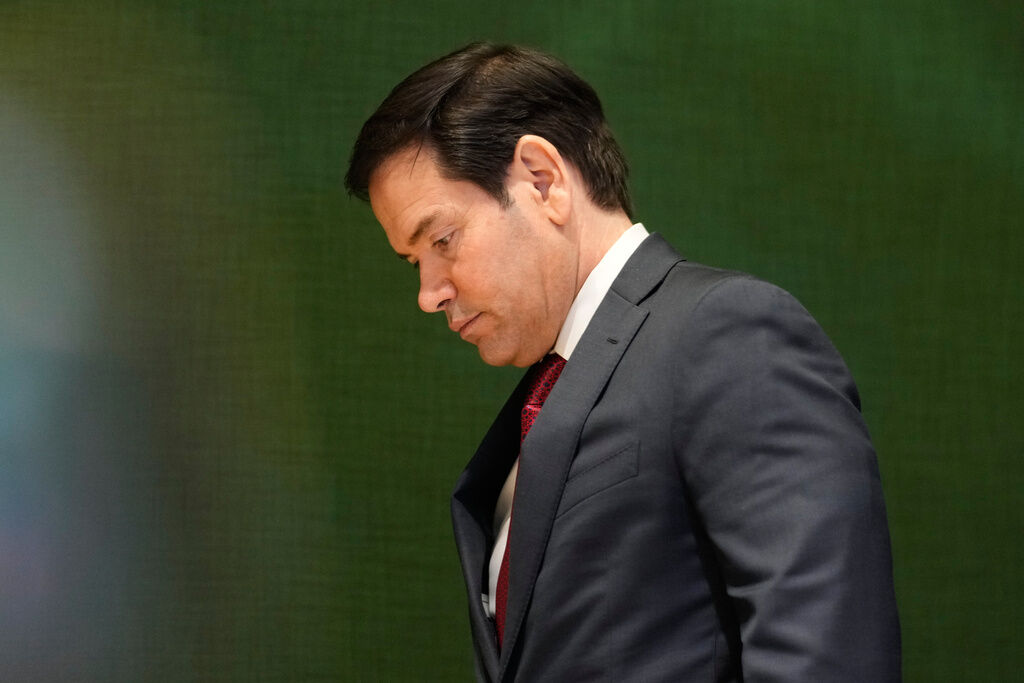
During a visit to the Caribbean on Wednesday, Secretary of State Marco Rubio was asked about recent talks in Geneva regarding weapons of mass destruction and the prospect of future nuclear weapons agreements. He responded that any such deal would...
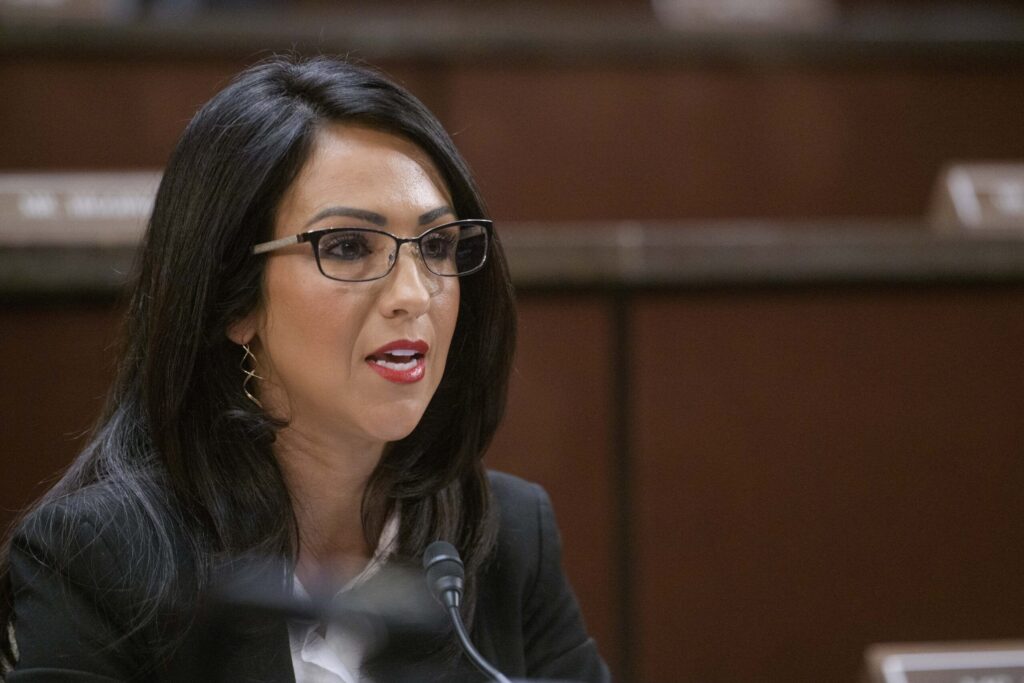
Hillary Clinton deposition paused after Lauren Boebert allegedly leaks photo from inside hearing
Molly Parks, Washington Examiner
molly.parks.washington.examiner@gazetteedit.wpenginepowered.com
Updated 6 hours ago
The House Oversight Committee has paused the deposition of former first lady and Secretary of State Hillary Clinton on Thursday after political commentator Benny Johnson shared a photo on social media of the closed-door hearing. Rep. Lauren Boebert (R-CO), who...

Colorado district attorneys oppose bipartisan bill limiting government access to bought data
Marissa Ventrelli
marissa.ventrelli@coloradopolitics.com
Updated 7 hours ago
A bipartisan coalition of Colorado lawmakers is advancing a bill that would prohibit police from purchasing personal consumer data without a warrant, setting up a clash with prosecutors who warn the measure could hamper criminal investigations. House Bill 1037, sponsored...

Lawmakers propose raising excise taxes on alcohol, marijuana to fund mental health spending
Marissa Ventrelli
marissa.ventrelli@coloradopolitics.com
Updated 7 hours ago
Colorado lawmakers hope to refer a measure to the November ballot that would increase excise taxes on alcohol and marijuana, with the revenue going toward mental health and civil commitment facilities around the state. House Bill 1301, sponsored by Rep....
10th Circuit appoints ex-Colorado solicitor general to argue issue after federal government declines
Michael Karlik
michael.karlik@coloradopolitics.com
Updated 21 hours ago
The Denver-based federal appeals court took the unusual step earlier this month of appointing an attorney to independently argue a key issue in a criminal sentencing appeal after the government indicated it would not contest the defendant’s view of the...

Greeley voters halt landmark development project
Hap Fry, Special to The Gazette
hap-fry@gazette.com
Updated 21 hours ago
GREELEY – The landscape-altering Cascadia development project has been put on ice, according to unofficial results of a city referendum on the project Tuesday. The proposed development would have included an 8,600-seat multiuse arena and ice center that would be home to the Colorado Eagles,...
PREV
PREVIOUS
Colorado Republican Doug Robinson looks ahead in gubernatorial run: ‘We’re not going to drift to a better place’
Doug Robinson compares winning the Republican nomination for governor of Colorado to getting hired after a really long job interview, and he believes his background and experience will give him the edge. One of seven declared GOP candidates for next year’s election – with at least three heavyweights waiting in the wings – Robinson speaks […]
EDITORIAL: Community input, while sometimes painful, made CSU stadium better
Joe Parker walked the Sheely neighborhood in central Fort Collins on July 20, answering questions about the under-construction stadium that loomed just to the north. Barriers and bread were broken that day at a community block party that would have seemed impossible five years ago when Colorado State University decided to build a $220 million […]