

YESTERYEAR: Mock convention held to crack open Colorado’s Constitution
Thirty Years Ago This Week in The Colorado Statesman: An advisory board, which consisted of four dozen office holders, journalists, business leaders, as well as the governor and chairmen of both the state Democratic and Republican Parties, proposed a model constitutional convention to be held in Denver.
The purpose of the “mock” convention was to evaluate Colorado’s Constitution and its application for not only the present, but the future as well. The simulated convention was the brainchild of Denver Post Editor David Hall, Denver attorney and political activist Gail Klapper and Marshall Kaplan, dean of the University of Colorado’s Graduate School of Public Affairs.
“We plan to use this as an educational vehicle and have statewide involvement,” Klapper said. “There are some very specific and historical pieces in the Constitution that are no longer that important to have.”
Besides a ban on dueling for elected officials, Klapper pointed to an item under Section XI which banned the state from appropriating funds to aid the 1976 Winter Olympic Games. Not only was the measure outdated, Klapper argued, but it might’ve been better addressed in statue rather than in the Constitution.
Aside from outdated amendments, Klapper said there were also broader questions which dealt with the balance of power between the executive and legislative branches.
Colorado Springs developer Steve Schuck was asked to serve on the advisory board by Hall. “The Constitution should address principles, guidelines and philosophy, and not specific actions,” Schuck said. “There are major gains to be enjoyed by taking a deliberate look at this major document. It might need some modernization. Government is here to serve and not to direct.”
About a hundred attorneys from different Colorado law firms volunteered to analyze each article in the Constitution and in addition to their analyses, scholars from DU and CU’s law schools also contributed their expertise.
John Andrews, who headed The Independence Institute, was also heavily involved in the project but was wary of attempts to rewrite the state constitution, citing the outcomes when Michigan and Illinois rewrote their constitutions in the 1960s.
“Those are states that I would consider to be over-governed,” Andrews said. “A rewriting could lead to a larger government burden. I would be interested in knowing if some states have lessened government intrusion by rewriting their constitution, but that is not the trend of the late 20th century.”
Ten Years Ago: Yellow Cab employees, along with some of the company’s drivers, faced the possibility of a $5,000 fine and a year in jail after an investigation was opened by Colorado Secretary of State Mike Coffman.
The investigation stemmed from a complaint filed three months previously by the watchdog group Colorado Citizens for Ethics in Government (CCEG). The group alleged that Colorado Cab Company, which owned Yellow Cab, violated lobbying statutes by offering drivers a reduction in lease rates in exchange for phone calls to state legislators.
Chantell Taylor, the executive director of CCEG, commented, “There were violations. The questions is, how many?”
Yellow Cab representative Sean Duffy, of the public relations firm Kenney Group, called the complaint “without merit.” He noted that CCEG had filed only a single sworn affidavit from a Yellow Cab driver, Mengisteab Desta, who said he had been offered a lease rate adjustment worth between $50-$110 and was provided with a script of talking points to use with legislators.
Attorney Scott Gessler, in a response to CCEG’s complaint, included a rebuttal in the form of a sworn affidavit from Michael Rivera, the supervisor Desta accused of offering him the deal.
Rivera wrote that Desta approached him about opposing House Bill 07-1114 (which proposed lowering regulations for forming a cab company) and volunteered to make phone calls against the measure. Though Rivera offered a phone at the company headquarters for Desta to use to call legislators and put together “talking points,” he flat out denied offering drivers a lease rate adjustment.
Duffy agreed that the drivers were asked by the company to call lawmakers if they disagreed with the bill.
“The difference is that the drivers were certainly asked, would you advocate for your livelihood? But [CCEG is] saying they were paid lobbyists, and the company vigorously rejects that.”

Colorado Politics Calendar Aug. 3-9
Rachael Wright, Special to Colorado Politics
rachael.wright@coloradopolitics.com
Updated 3 days ago
CoPo’s weekly political calendar will help you find political and public-policy events throughout Colorado. It includes candidate and issue campaign events, public policy meetings, court hearings, state and local party conventions, assemblies, debates, rallies, parades, speaking engagements, traveling dignitary appearances,...
The primary political reform and precondition for all others | SONDERMANN
Eric Sondermann
eric-sondermann@coloradopolitics.com
Updated 3 days ago
In its current state, the American political system has no end of ailments. Far too many factors accelerate polarization and work against moderation and narrowing the differences. Media, and the way so many citizens limit themselves to agreeable, reinforcing sources,...
Susemihl wins surprise victory to replace Steve Durham as Colorado Springs state senator | A LOOK BACK
Rachael Wright, Special to Colorado Politics
rachael.wright@coloradopolitics.com
Updated 3 days ago
Forty-five years ago this week: In a closed session, the vacancy committee for Colorado’s Senate District 12 selected attorney Peter Susemihl to complete Sen. Steve Durham’s, R-Colorado Springs, term. Durham resigned his seat to become Region 8 Director of the...

10th Circuit partially revives lawsuit over 2020 Denver protest injuries
Michael Karlik
michael.karlik@coloradopolitics.com
Updated 24 hours ago
The Colorado-based federal appeals court revived a man’s claims against Denver on Friday after concluding a trial judge resolved the case in the city’s favor without analyzing two of the three instances of alleged excessive force and other constitutional violations....

At conservative summit, Colorado Republican leaders concede Democrats’ election edge
Marissa Ventrelli
marissa.ventrelli@coloradopolitics.com
Updated 5 hours ago
Four Republican state lawmakers told attendees at a gathering of conservative leaders on Friday they doubt their party can win statewide races, noting that Colorado’s electorate has been shifting toward Democrats but adding they see an opening in several pockets....
Federal judges find Colorado immigration judge violated several orders
Michael Karlik
michael.karlik@coloradopolitics.com
Updated 1 day ago
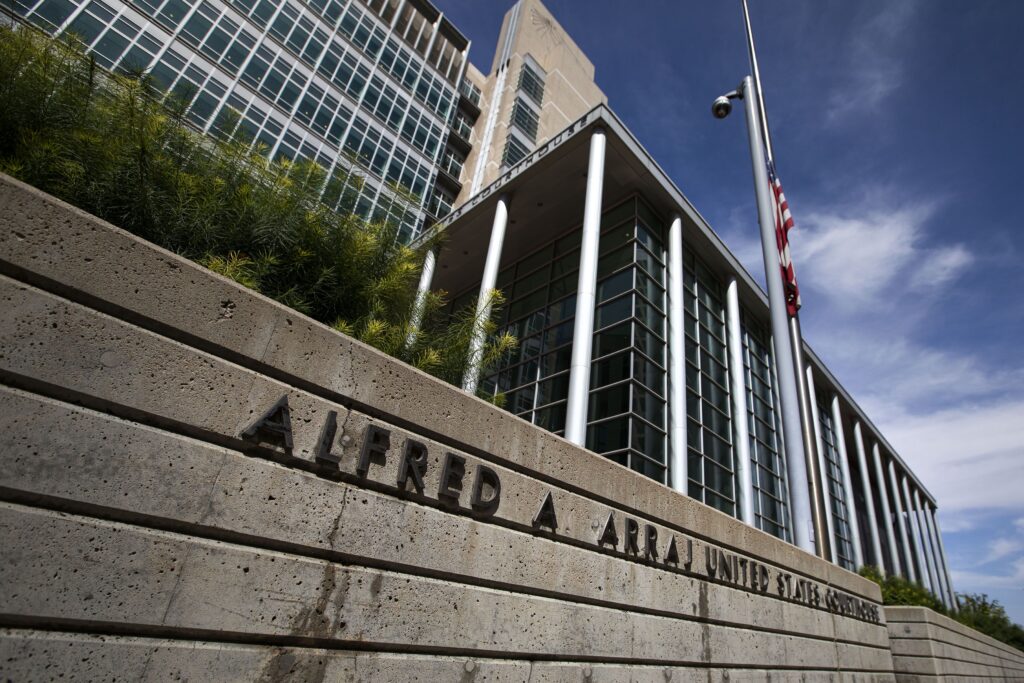
Multiple federal judges in Colorado have freed people from immigration custody after determining that one immigration judge violated their directives for properly conducting bond hearings. For nearly a year, Colorado’s U.S. District Court has faced a flood of “habeas corpus” petitions...
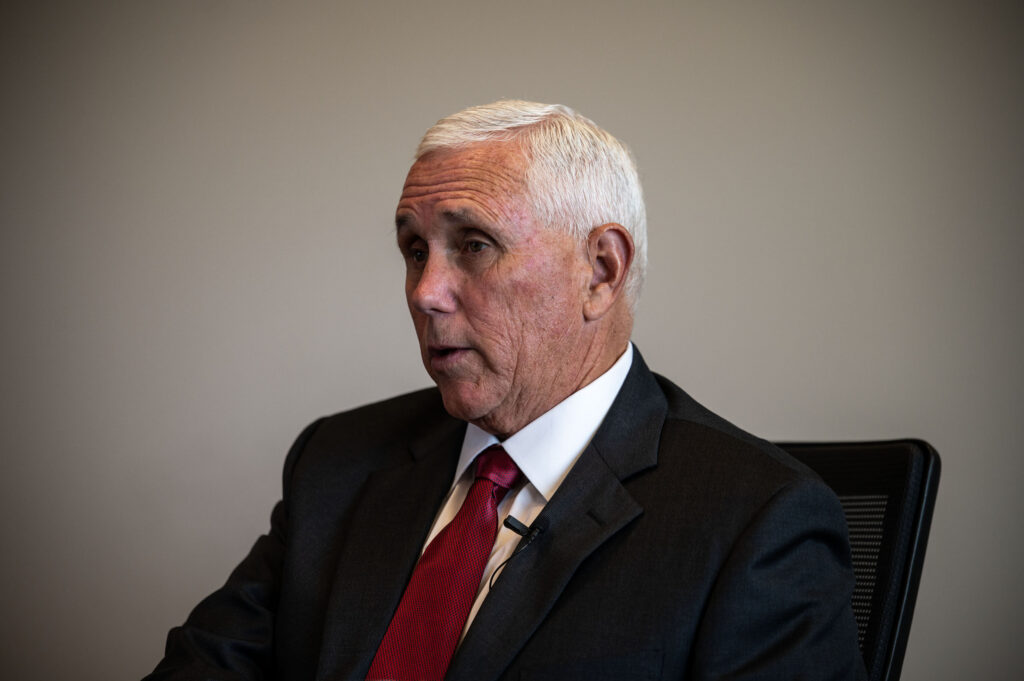
Q&A with Mike Pence | Former vice president says GOP’s populist turn from conservatism isn’t permanent
Ernest Luning
ernest.luning@coloradopolitics.com
Updated 2 hours ago
Former Vice President Mike Pence says he’s concerned that the Republican Party has taken a populist turn away from bedrock conservative principles during President Donald Trump’s second term, but he believes the party will return to its roots when Trump...
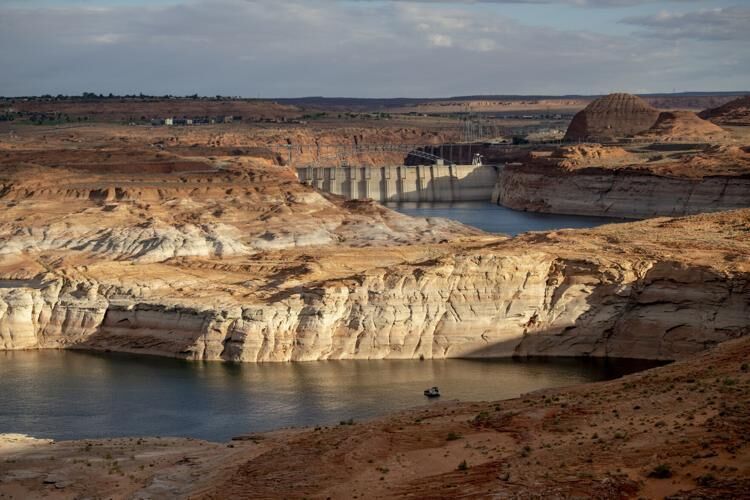
New federal plan sets short-term rules for Colorado River management
Marianne Goodland
marianne.goodland@coloradopolitics.com
Updated 23 hours ago
Interior Department’s plan spares Colorado from mandatory cuts for now After years of stalled negotiations among the seven states that rely on the Colorado River, the federal government on Friday released its own plan for managing the drought-strained system. Calling...
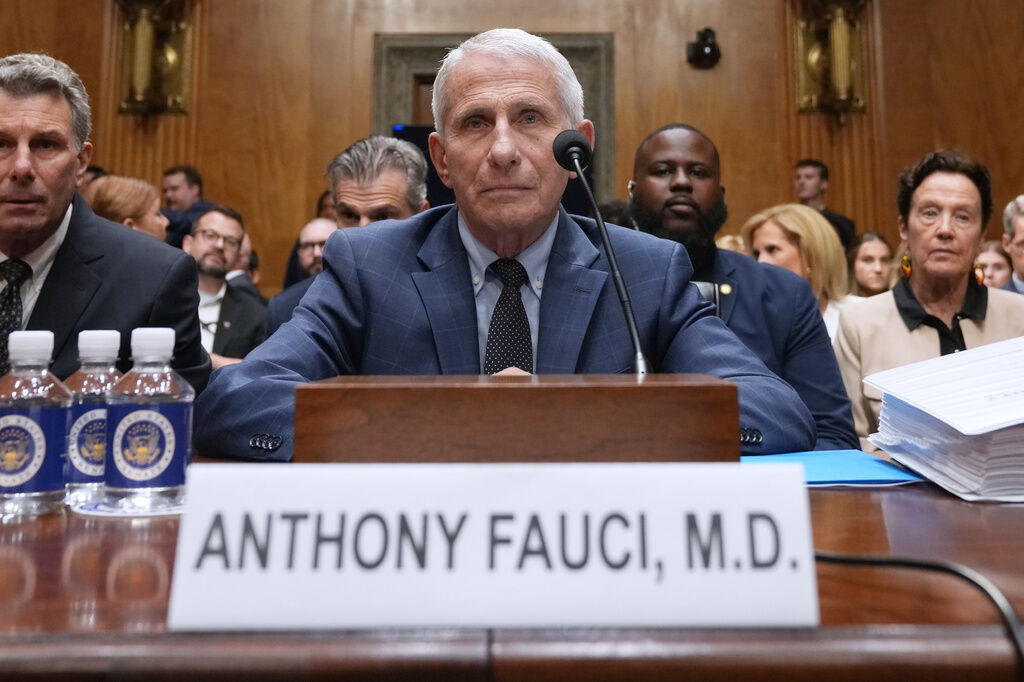
Fauci’s diary details blooming outrage toward ‘far right,’ softness toward Biden and China
Hudson Crozier
hudson.crozier@washingtonexaminer.com
Updated 1 day ago
Dr. Anthony Fauci increasingly railed against “far right” critics of his approach to COVID-19 issues while describing strong support from the Biden White House in his pandemic-era diary, which was recently released by Congress. The former National Institute of Allergy...
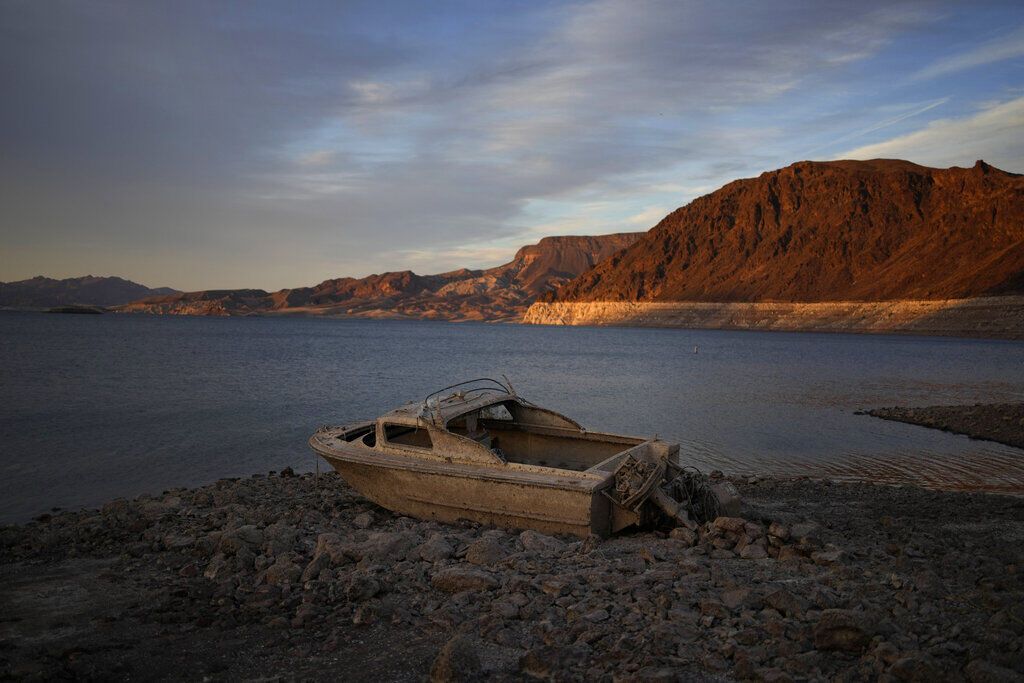
Colorado is spared mandatory cuts under federal Colorado River proposal
The Associated Press
the-associated-press@coloradopolitics.com
Updated 1 day ago
California, Arizona and Nevada to take less water under plan While Colorado has been spared from mandatory reductions, Arizona, California and Nevada would take less water from the Colorado River under a proposal announced Friday by the federal government to...