

City moves to protect Denver parks through new designations
The city moved to designate about 65 acres of open space as new Denver parks May 2, protecting the land from being developed or sold.
The new park designations include 30 acres of Northfield Pond Park and six acres at the Southwest Recreation Center and were part of the city’s tenth round of designations over a five-year span.
Last year, the city designated approximately 283 acres in Denver parks land, of its more than 1,000 since 2013, including an addition of 98 acres at Red Rocks, making way for new trails around the park’s 9,000-seat music amphitheater. With the new designations, about 85 percent of space eligible to be designated has been labeled so.
Through a grant, Westwood Park and Weir Gulch Park were targeted for renovations, said Gordon Robertson, Denver Parks and Recreation director of park planning.
“That park hasn’t seen renovations in a long time,” Robertson said of Westwood Park, noting the key feature of the park improvements will be its nature playground. “It’s beyond a playground, it’s a whole makeover of the park.”
Weir Gulch park will include a nature playground and a slew of amenities through the My Outdoor Colorado program, including an outdoor classroom, gardening and after school programs, family workshops and youth stewardships.
The renovations are a part of Denver’s move toward more natural playgrounds in the city.
Scott Gilmore, deputy manager of the Denver Parks and Recreation Department, said a lot of the designations were acquisition of open space that had yet to be designated as a Denver park. Mayor Michael Hancock put together a task force to explore new park designations across the city, protecting what would otherwise be classified as open space.
Robertson said the city has approximately 6,000 acres of urban park space sprawled over about 250 parks, with more than $1.5 billion worth of assets in the park system. But much of Denver’s park land, approximately 14,000 acres, are in the mountains – most of which are largely unknown to residents.
“It’s a treasure for the citizens of Denver,” Robertson said.
Gilmore boasted that Denver has the highest elevation city park in the country at Summit Lake.
“We have some amazing, amazing amenities,” Gilmore said.
The city has been mapping out the future of parks, and asking residents to weigh in as part of the DenveRight initiative. Learning lessons from park planning in 2003, Robertson said metrics should be used to track progress on parks, focus should be placed equally on physical improvements and park programs and staff should ensure goals aren’t too lofty.
Robertson said his department largely served a caretaker role with the parks in the mountains for decades, but it has evolved into a “proactive programmer” of parks in the last five years.
“Over the next five to 10 years, I think you’re going to see a pretty big transition from places you drive by from places you can go experience,” Robertson said.
Councilman Rafael Espinoza said parks shouldn’t focus too heavily on programming, but there should be a balance.
“The uniquely Denver part of many of our parks is its views of downtown or its views of the mountains and in the mountain parks in particular, the sense of being in wilderness that close to an urban setting,” Espinoza said.
Robertson said with today’s youth, there’s a need for some park programs to get kids out into green space and active.
Gilmore added the idea is to have a park within 10-minute walking distance, no matter what part of the city residents live in.
“There is positive health effects for all people when they feel that earth and play in that dirt,” Espinoza said.
Councilman Albus Brooks said as part of a group working on planning for downtown Denver, he would like to look at possible park designations in the area.
There are great parks downtown, Gilmore said, but he wants to do something dramatically different like introducing restaurants and vendors to new parks in the city.
“We need to be able to do some different things in our parks in our downtown core,” he said. “We need to activate them.”

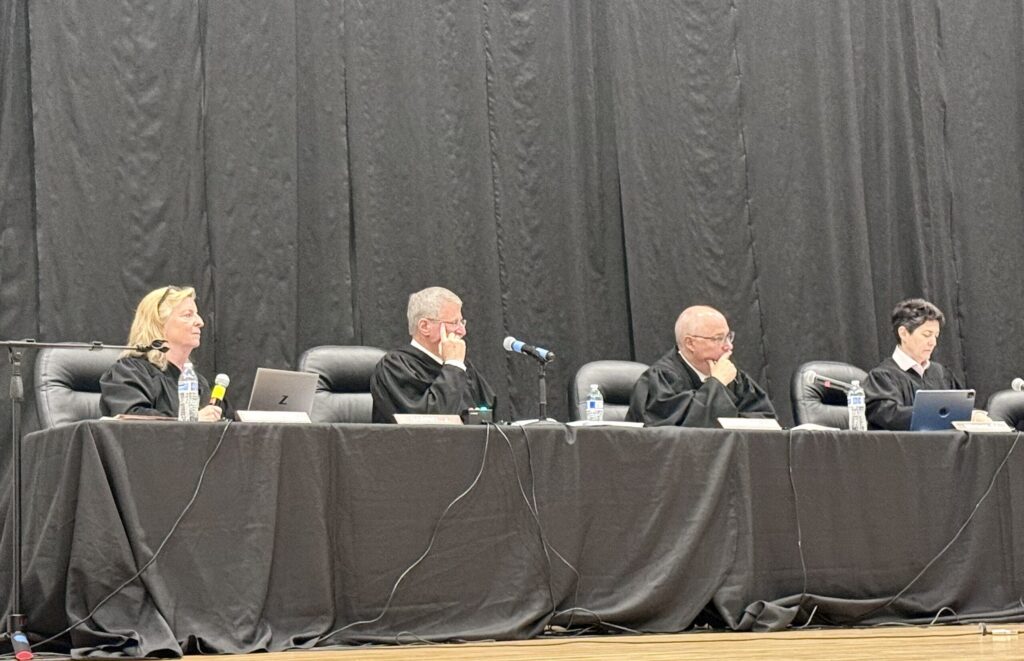
Parole, appeals deadlines and restitution: Colorado justices accept cases
Michael Karlik
michael.karlik@coloradopolitics.com
Updated 14 hours ago
The Colorado Supreme Court announced on Monday that it will determine how a defendant’s parole-eligibility date should be calculated in instances where a new trial results in a sentence being imposed retroactively to the date of the original, since-overturned sentence....
Federal judge rejects DOJ bid to force Colorado to hand over voter information
Marissa Ventrelli
marissa.ventrelli@coloradopolitics.com
Updated 18 hours ago
A U.S. district court judge has dismissed a lawsuit filed by the U.S. Department of Justice against Colorado Secretary of State Jena Griswold for refusing to provide the agency with personal voter information. Last December, the DOJ’s Civil Rights Division asked...

Democratic states warn Supreme Court that Trump mail ballot order would cause chaos ahead of midterm elections
Jack Birle
jack-birle@coloradopolitics.com
Updated 21 hours ago
A coalition of Democrat-led states warned the Supreme Court this week that lifting a block on President Donald Trump’s mail-voting executive order would cause “extreme” changes as states prepare to send out ballots for the midterm elections. The group of...
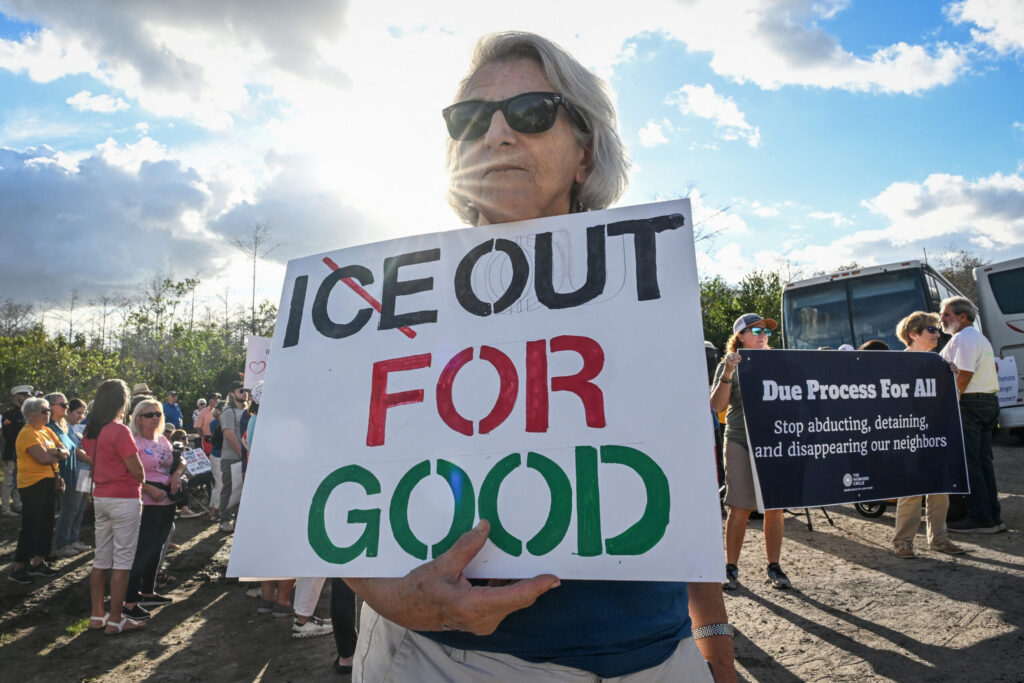
Trump’s lopsided losing record on ICE mandatory detention masks a closer legal fight
Kaelan Deese
kaelan-deese@coloradopolitics.com
Updated 21 hours ago
The Trump administration’s 6-2 losing record in appeals courts over its mandatory immigration detention policy looks like an overwhelming streak of losses. However, a closer examination of the judges behind those decisions suggests the policy may be less legally doomed...
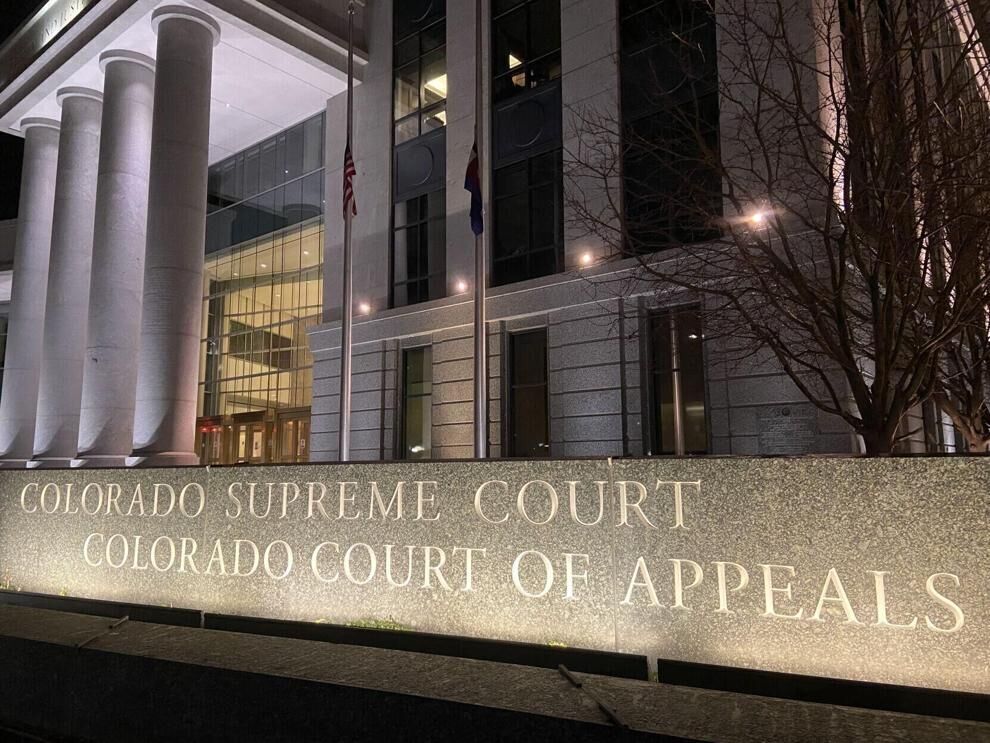
3 Colorado judges receive unfavorable retention recommendation as one performance commission violates rules
Michael Karlik
michael.karlik@coloradopolitics.com
Updated 22 hours ago
Of the 123 Colorado judges standing for retention on the November ballot, citizen-led performance commissions found that three did not meet the required performance standards. However, in an unprecedented move, the commission charged with evaluating Supreme Court and Court of...

Former Parker police sergeant pleads guilty to unlawful sexual conduct, misconduct charge
Nicholas Fogleman
nicholas.fogleman@denvergazette.com
Updated 22 hours ago
Former Parker Police Department Sgt. Troy Brienzo pleaded guilty Monday to a felony charge of unlawful sexual conduct by a police officer and first-degree official misconduct in Douglas County District Court. Brienzo entered the guilty pleas before Judge Ryan Stuart,...

U.S. News names Saint Joseph best hospital in Colorado, ending University of Colorado Hospital’s 13-year streak
Nico Brambila
nico.brambila@denvergazette.com
Updated 23 hours ago
University of Colorado Hospital is no longer Colorado’s top-ranked hospital for the first time in more than a decade, with Intermountain Health Saint Joseph Hospital taking the No. 1 spot in U.S. News & World Report’s latest rankings. Located on...

Appeals filed to send Project Taurus decision to the Colorado Springs City Council
Brennen Kauffman
brennen-kauffman@coloradopolitics.com
Updated 22 hours ago
At least one appeal has been filed over the proposed large-scale data center in Colorado Springs, sending the final decision to the Colorado Springs City Council. The filing seeks to overturn the Planning Commission’s decision on July 23 to deny...
Denver City Council keeps 2 a.m. nightlife cutoff, approves $18 million for George Floyd protest claims
Deborah Grigsby
deborah.smith@denvergazette.com
Updated 23 hours ago
Nightlife establishments will not get a two-hour operating extension after the Denver City Council passed an amended version of a bill that keeps the current 2 a.m. closing time. As originally proposed, venues would have been able to keep music,...

Group submits signatures for proposed Colorado graduated income tax
Marianne Goodland
marianne.goodland@coloradopolitics.com
Updated 21 hours ago
The measure, which eliminates Colorado’s flat tax, is expected to raise $2 billion in new revenue The proposal to amend the Colorado constitution to change the state’s flat rate into a graduated income tax came in under the wire Monday,...