

Colorado campus free speech bill scores full House support
Colorado’s campus free speech bill on Tuesday won a unanimous 64-0 vote on the state House floor.
It was another triumph of bipartisan support for a bill that was early linked in the minds of lawmakers to contentious conservative cable-news narratives but that broke increasingly free with each committee and floor debate to be embraced as productive and important public policy, turning skeptics into supporters all along the way.
“It was a lot of work, but good work,” said Rep. Jeff Bridges, a Democrat from Greenwood Village, after the House vote. “I told people on the campaign trail that I would be looking for common ground at the Capitol and, I can say, we all met in the middle on this bill. It was a huge team effort by colleagues on both sides. Lots of credit all around on this one.”
The 65th member of the House, Republican Rep. Lang Sias from Arvada, was excused.
Bridges worked on the bill with two of the most conservative lawmakers in the building: Sen. Tim Neville, a Republican from Littleton, and Rep. Stephen Humphrey, a Republican from Eaton.
Neville introduced Senate Bill 62 in response to the battle around expression on campuses across the country waged largely by conservative media figures who think campus speech has been stunted by political correctness and censored by administrative restrictions.
The argument is that, in encouraging communication that lifts up members of university communities, universities have also limited speech that offends or degrades, whether intentionally or not.
Neville’s bill contains free speech protections and free assembly protections. It would prohibit public universities from “restricting a student’s constitutional right to speak in any way in a public forum, including speaking verbally, holding a sign, or distributing flyers or materials.” It would prohibit universities from imposing “unreasonable restrictions on the time, place, and manner of student speech that occurs in a public forum and is protected by the first amendment… Public institutions of higher education are prohibited from designating any area on campus as a free speech zone.”
The week before the bill was heard in its first committee, conservative politics provocateur and then-Breitbart Editor Milo Yiannopulos brought his college speaking tour to the University of Colorado, Boulder. Protests erupted on campus. Days later, his appearance at the University of California, Berkeley, ended in riots.
The Senate Education Committee was fraught. But the bill won a surprise unanimous vote, despite the fact that most of the witnesses testifying in support of the bill were advocates for conservative causes.
Democrats were won over by arguments – made by Neville and the ACLU’s Denise Maes – that touted free expression as the best protection against hateful ideas or just plain wrong assertions.
Neville later amended the bill on the Senate floor to include protections for voter registration activities, winning over 32 of the 34 senators present that day.
Humphrey told the Statesman in February that he hoped the bill would do well in the Democratic-controlled House. “There are no bogey men in the bill,” he said. “People are finding out it’s really about free speech and not restricting it to some postage stamp area in a corner of the campus, which I think we can all agree is a good idea.”
Bridges said the work winning people over to the bill was done through conversation.
“Free speech is such a core value, so anytime you address it, folks are going to want to make sure you’re furthering and expanding expression and not restraining it,” he said. “From the progressive perspective there’s a feeling that, in the era we’re living in, we have got to engage across the spectrum…
“We should always be fighting for free expression on college campuses. That’s just fundamental,” he said.
Among other groups, the bill was supported by the Colorado Press Association, the Colorado chapter of the ACLU and the University of Colorado.
The bill now heads back to the Senate where members will consider the House-amended version.

Top officials in Arizona’s Maricopa County agree on how to oversee elections | OUT WEST ROUNDUP
The Associated Press
the-associated-press@coloradopolitics.com
Updated 4 days ago
ARIZONA Officials agree on election oversight PHOENIX — Election officials in Arizona’s most populous county reached an agreement a week before the state’s July 21 primary on how to jointly oversee the vote, ending a prolonged legal battle. Republican Maricopa...

Colorado Politics Calendar Aug. 3-9
Rachael Wright, Special to Colorado Politics
rachael.wright@coloradopolitics.com
Updated 4 days ago
CoPo’s weekly political calendar will help you find political and public-policy events throughout Colorado. It includes candidate and issue campaign events, public policy meetings, court hearings, state and local party conventions, assemblies, debates, rallies, parades, speaking engagements, traveling dignitary appearances,...
The primary political reform and precondition for all others | SONDERMANN
Eric Sondermann
eric-sondermann@coloradopolitics.com
Updated 4 days ago
In its current state, the American political system has no end of ailments. Far too many factors accelerate polarization and work against moderation and narrowing the differences. Media, and the way so many citizens limit themselves to agreeable, reinforcing sources,...
Susemihl wins surprise victory to replace Steve Durham as Colorado Springs state senator | A LOOK BACK
Rachael Wright, Special to Colorado Politics
rachael.wright@coloradopolitics.com
Updated 4 days ago
Forty-five years ago this week: In a closed session, the vacancy committee for Colorado’s Senate District 12 selected attorney Peter Susemihl to complete Sen. Steve Durham’s, R-Colorado Springs, term. Durham resigned his seat to become Region 8 Director of the...
10th Circuit partially revives lawsuit over 2020 Denver protest injuries
Michael Karlik
michael.karlik@coloradopolitics.com
Updated 5 hours ago
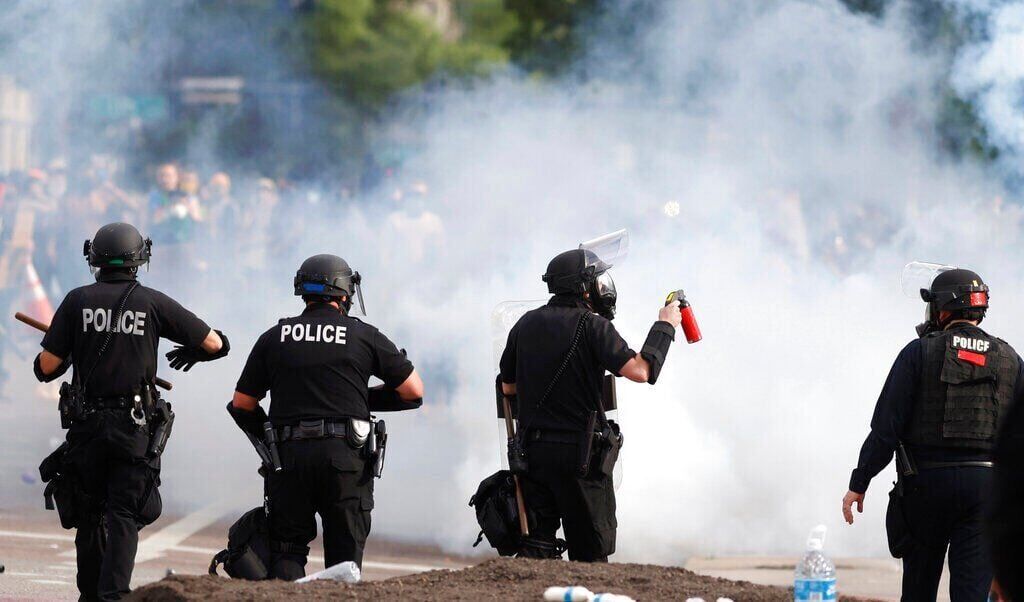
The Colorado-based federal appeals court revived a man’s claims against Denver on Friday after concluding a trial judge resolved the case in the city’s favor without analyzing two of the three instances of alleged excessive force and other constitutional violations....
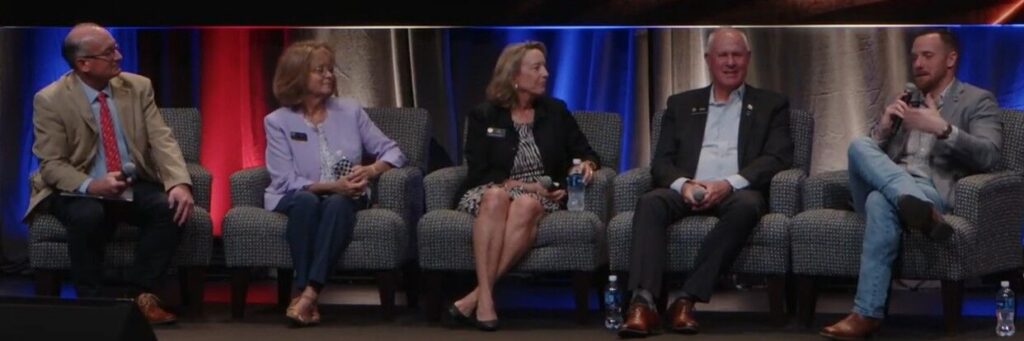
At conservative summit, Colorado Republican leaders concede Democrats’ election edge
Marissa Ventrelli
marissa.ventrelli@coloradopolitics.com
Updated 1 day ago
Four Republican state lawmakers told attendees at a gathering of conservative leaders on Friday they doubt their party can win statewide races, noting that Colorado’s electorate has been shifting toward Democrats but adding they see an opening in several pockets....
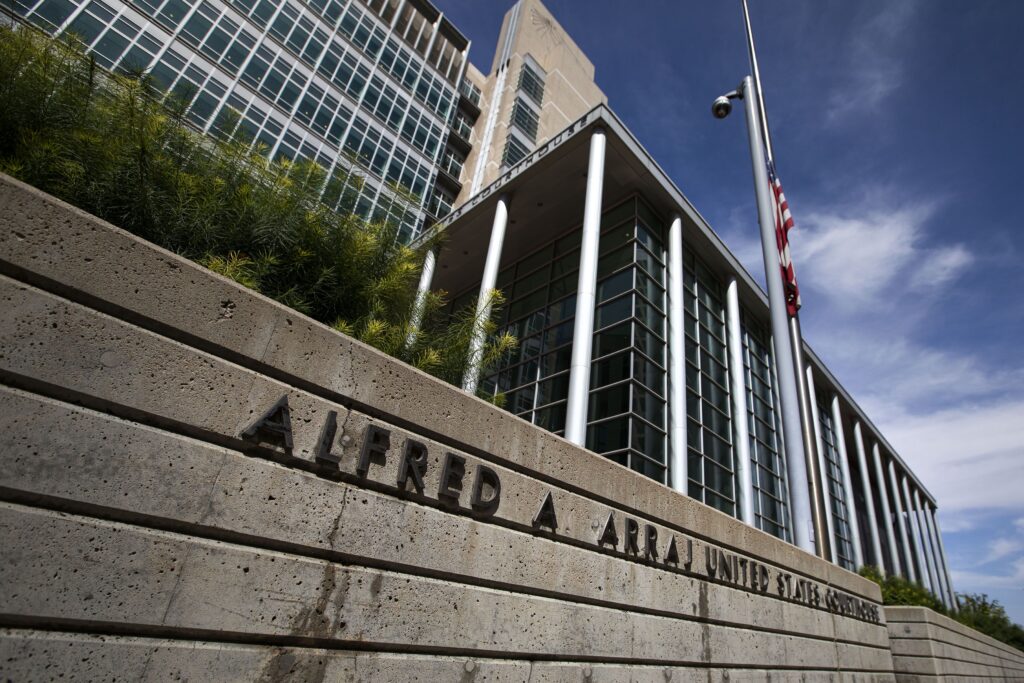
Federal judges find Colorado immigration judge violated several orders
Michael Karlik
michael.karlik@coloradopolitics.com
Updated 1 day ago
Multiple federal judges in Colorado have freed people from immigration custody after determining that one immigration judge violated their directives for properly conducting bond hearings. For nearly a year, Colorado’s U.S. District Court has faced a flood of habeas corpus petitions...
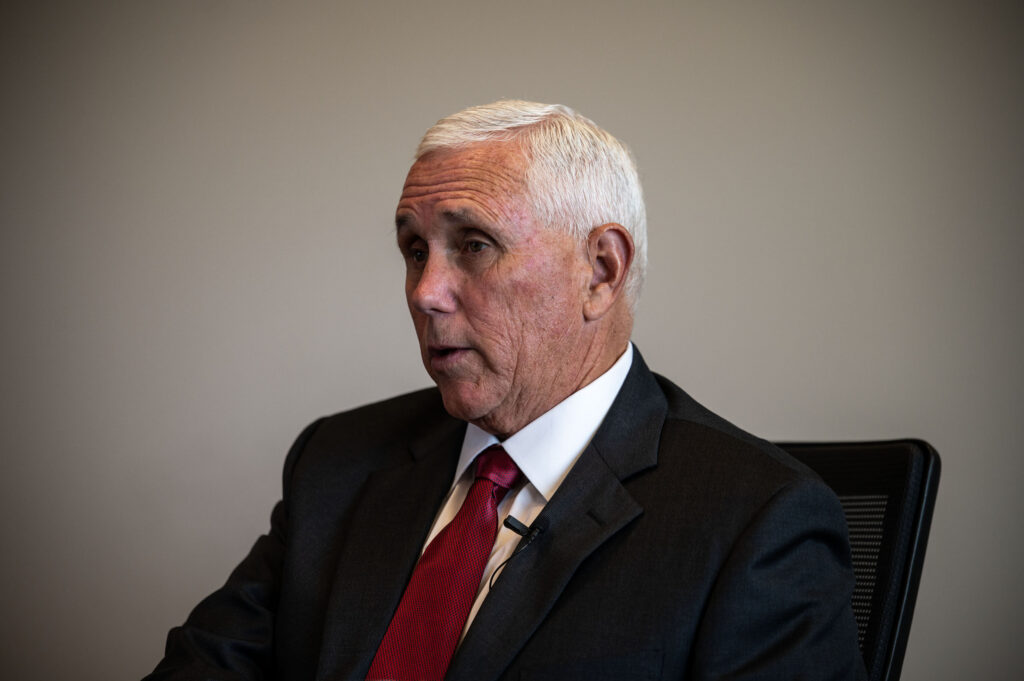
Q&A with Mike Pence | Former vice president says GOP’s populist turn from conservatism isn’t permanent
Ernest Luning
ernest.luning@coloradopolitics.com
Updated 1 day ago
Former Vice President Mike Pence says he’s concerned that the Republican Party has taken a populist turn away from bedrock conservative principles during President Donald Trump’s second term, but he believes the party will return to its roots when Trump...

New federal plan sets short-term rules for Colorado River management
Marianne Goodland
marianne.goodland@coloradopolitics.com
Updated 2 days ago
Interior Department’s plan spares Colorado from mandatory cuts for now After years of stalled negotiations among the seven states that rely on the Colorado River, the federal government on Friday released its own plan for managing the drought-strained system. Calling...
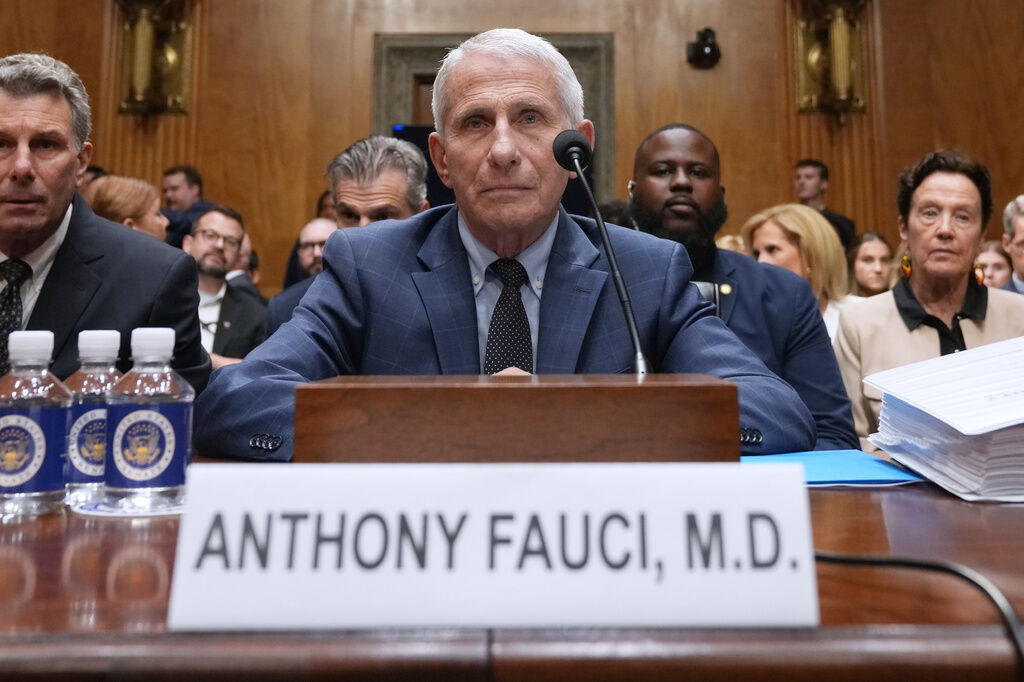
Fauci’s diary details blooming outrage toward ‘far right,’ softness toward Biden and China
Hudson Crozier
hudson.crozier@washingtonexaminer.com
Updated 2 days ago
Dr. Anthony Fauci increasingly railed against “far right” critics of his approach to COVID-19 issues while describing strong support from the Biden White House in his pandemic-era diary, which was recently released by Congress. The former National Institute of Allergy...