

Rescinding BLM gas waste reduction rule before Senate
One of Colorado’s U.S. Senators is strongly opposed to a measure that would roll back an Obama administration rule to prevent the flaring and wasting of methane and natural gas developed on public and tribal lands, while the second is undecided.
The rule was among several environmental regulations issued in the last days of the Obama administration. The U.S. House invoked the rarely used Congressional Review Act to reverse the rule.
Colorado Republican U.S. Reps. Scott Tipton, Ken Buck, Doug Lamborn and Mike Coffman voted for House Joint Resolution 36 to repeal the rule on Feb. 3, while Democratic U.S. Reps. Diana DeGette, Ed Perlmutter and Jared Polis voted to keep the rule in place. The measure passed by a 221-191 tally. It had yet to have its first Senate committee hearing.
The methane release and flaring rule required operators to reduce venting, flaring and leaks during production activities on Bureau of Land Management-controlled land. Methane is a greenhouse gas considered to be 25 times more potent than carbon dioxide. The BLM said the regulations were in line with the Obama administration’s Clean Power Plan goal to cut 2012 methane emission levels by 40 to 45 percent by 2025.
Bennet to oppose repeal, Gardner could be key vote
Laurie Cipriano, press secretary for U.S. Sen. Michael Bennet, D-Denver, wrote in an email statement sent to The Colorado Statesman that Bennet believes “reducing methane emissions is critical to protect our air quality and address climate change” and noted Colorado’s solution has reduced harmful emissions while supporting new economic growth in the methane mitigation and leak detection industries.
“The BLM followed Colorado’s lead and developed a federal rule that is based on our state’s groundbreaking work,” Cipriano added. “This rule will allow taxpayers to receive a fair return on public resources and ensure that natural gas production continues to grow in a way that benefits Colorado communities and our environment.”
Cipriano said Bennet will oppose any effort to use the Congressional Review Act to overturn the BLM methane rule.
Meanwhile, U.S. Sen. Cory Gardner, R-Yuma, was undecided at press time about his stance on the measure to repeal the rule.
“Colorado has a history of working out unique solutions tailor-made to meet the needs of our state,” he said in a statement emailed to the Statesman. “That includes a solution to methane emissions; a solution that was the product of the energy industry coming together with stakeholder groups.”
Gardner described Colorado’s methane rule, Regulation 7, as regulating methane on federal, state and private lands, “so the state has moved to regulate emissions from more areas within our border than the BLM venting and flaring rules. If Congress passes the (House-passed resolution) on the BLM’s rule, the state’s solution would remain in effect and serve as an example to other states of what can be achieved when states work to find answers that best fit the needs of local interests.”
Gardner added he would continue to meet with constituents until the vote and appreciated the outreach his office had received on the issue.
In a Durango Herald column, Dan Olson, executive director of the San Juan Citizens Alliance, a watchdog group in the Four Corners area, noted a survey found 70 percent of industry representatives felt the operational benefits of Colorado’s methane rules outweighed their implementation costs.
Olson added that while Gardner had not yet clarified which way he will vote, “his language – his framing of the issue – is disappointing,” and wrote that Gardner may cast the deciding vote on the issue.
“Aside from attempting to throw shade on his constituents’ vocal support for the rule, much of his rhetoric reflects a single focus on business interest, apparently to the detriment of his non-corporate constituents,” Olson wrote.
Tipton, R-Cortez, co-sponsored the resolution in the House and noted at a news conference before the House vote that the authority to regulate air quality under the Clean Air Act rests with the Environmental Protection Agency and cooperating state agencies; the BLM does not have that authority.
Jessica Goad, communications director of Conservation Colorado, told Public News Service in Boulder the rules are a cost-effective way to prevent the loss of nearly $330 million worth of gas each year.
“Oil and natural gas that is on public lands belong to all of us as taxpayers,” she said. “And when that natural gas is vented or flared into the atmosphere, that is essentially money – taxpayer money – going up into flames.”
Goad noted federal rules are important because methane pollution doesn’t stay inside state lines, and pointed to a methane hot spot generated by oil and gas production in Utah and New Mexico so big it can be seen from space.

Colorado Politics Calendar Sept. 7-13
Rachael Wright, Special to Colorado Politics
rachael.wright@coloradopolitics.com
Updated 5 days ago
CoPo’s weekly political calendar will help you find political and public-policy events throughout Colorado. It includes candidate and issue campaign events, public policy meetings, court hearings, state and local party conventions, assemblies, debates, rallies, parades, speaking engagements, traveling dignitary appearances,...

Blue-collar support trends highlighted GOP gains among rank‑and‑file workers | A LOOK BACK
Rachael Wright, Special to Colorado Politics
rachael.wright@coloradopolitics.com
Updated 4 days ago
Forty-five years ago this week: Kathy Oatis of the Colorado AFL-CIO’s Committee on Political Education said that organized labor had a negative image with the American voter. “I don’t think the country is against us,” said Oatis. “I think the...

The dissonance of an American Jew thinking about Israel | SONDERMANN
Eric Sondermann
eric-sondermann@coloradopolitics.com
Updated 4 days ago
The Jewish High Holidays will soon be upon us. The third anniversary of Oct. 7 will then quickly follow. Three weeks later, Israeli voters will head to the polls to elect all 120 members of its parliament, the Knesset and...

Parenting from prison: Inmates hope to be present in their children’s lives, while physically absent
Marianne Goodland
marianne.goodland@coloradopolitics.com
Updated 17 hours ago
The room was decorated with balloons, the tables sparking bright with colors as the smell of pizza and cake wafted through the air. As did music. This was, after all, a father-daughter dance. Except this was not a typical father-daughter...

Colorado House ethics committee issues ‘stern letter’ to Democrat over caucus funds mismanagement
Marianne Goodland
marianne.goodland@coloradopolitics.com
Updated 22 hours ago
The Colorado House ethics committee on Friday voted unanimously to issue a “stern letter” to Rep. Mandy Lindsay, D-Aurora, regarding her mismanagement of House Democratic caucus funds. The committee further voted to request that Lindsay resign as Democratic Caucus co-chair...
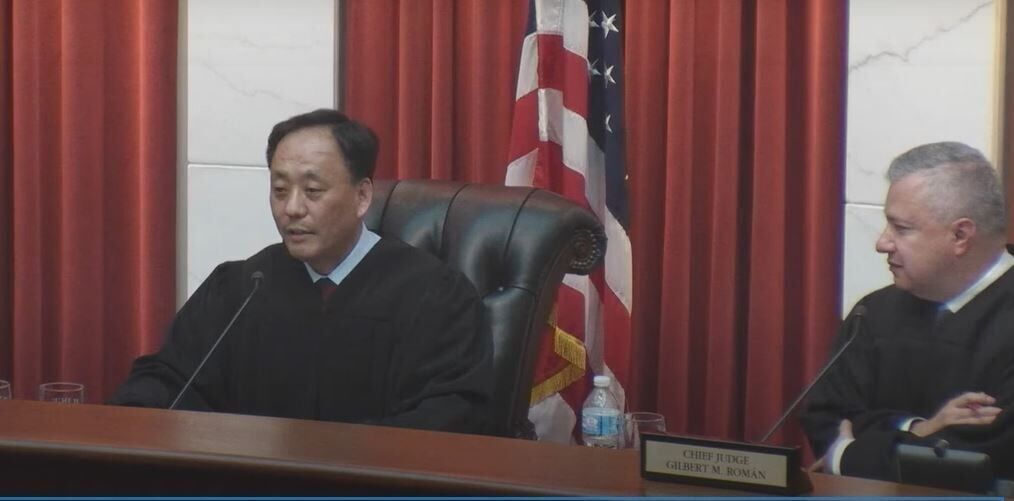
Appeals court confirms Colorado judges can compel electronic records from out of state
Michael Karlik
michael.karlik@coloradopolitics.com
Updated 21 hours ago
Colorado’s second-highest court clarified on Thursday that judges are empowered to compel out-of-state companies to produce electronic records under state law. El Paso County jurors convicted Mischa Jargowsky on three counts of money laundering and one violation of Colorado’s organized...
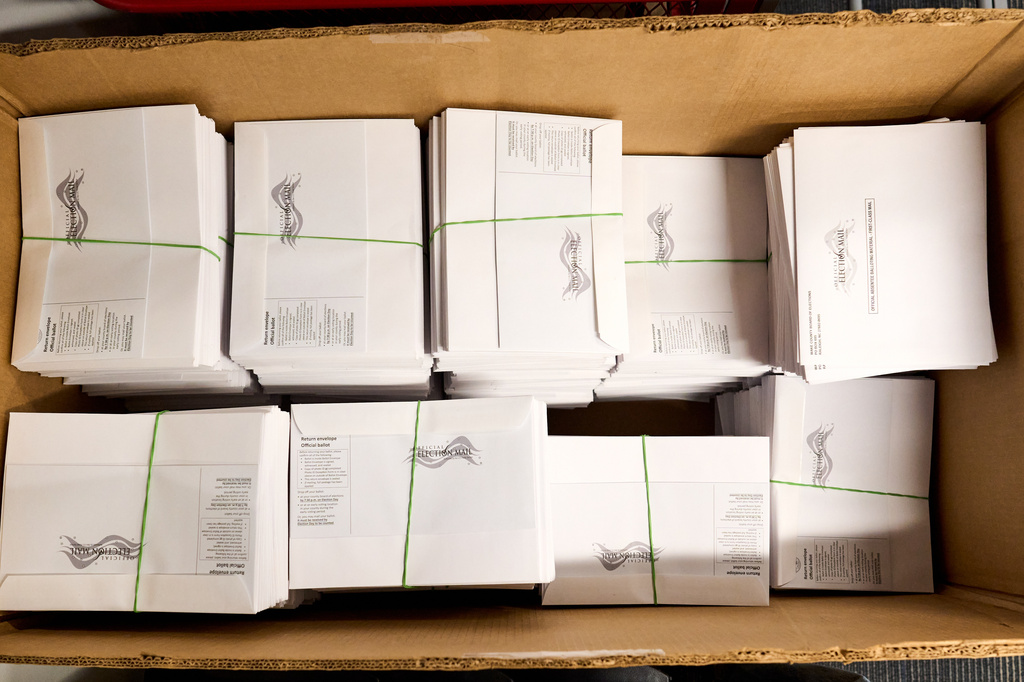
Federal judge extends block on Trump executive order seeking to limit mail voting in the midterms
The Associated Press
the-associated-press@coloradopolitics.com
Updated 3 days ago
A federal judge on Friday extended her prohibition against the U.S. Postal Service implementing President Donald Trump’s executive order seeking to limit mail voting during the midterms, putting another major obstacle in the way of the administration as the first...
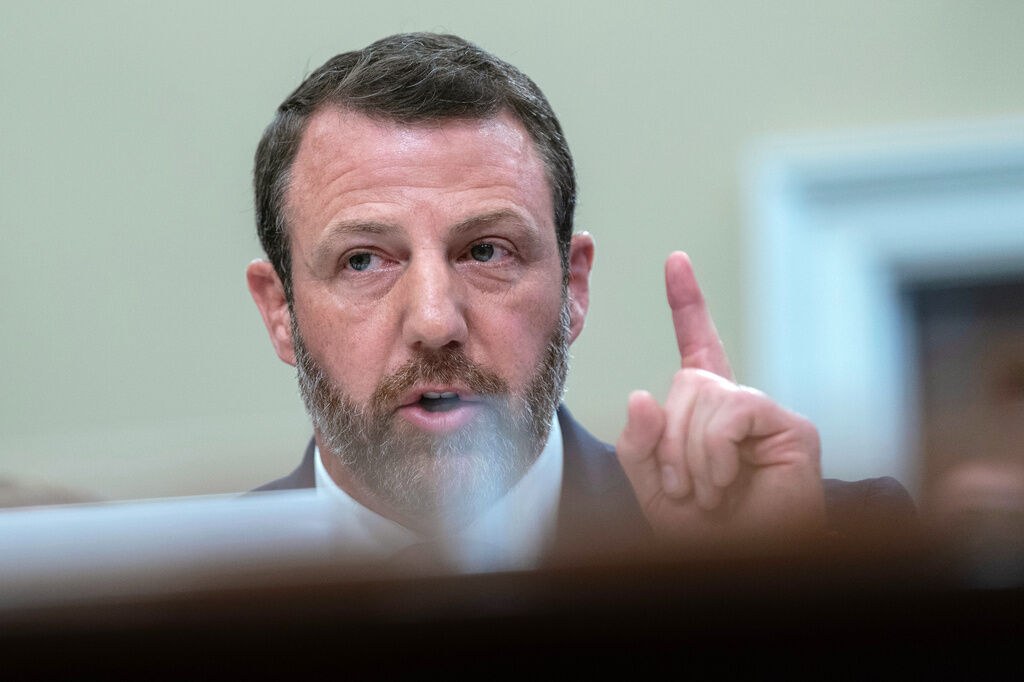
Mullin asks DOJ to review voter data sharing tied to Zuckerberg-funded nonprofit group
The Washington Examiner
the-washington-examiner@coloradopolitics.com
Updated 20 hours ago
Washington Examiner Homeland Security Secretary Markwayne Mullin asked the Justice Department this week to review whether election-related nonprofit groups, some with multimillion-dollar backing from a Mark Zuckerberg-linked nonprofit, improperly received sensitive state motor vehicle and voter-registration data. In a letter...
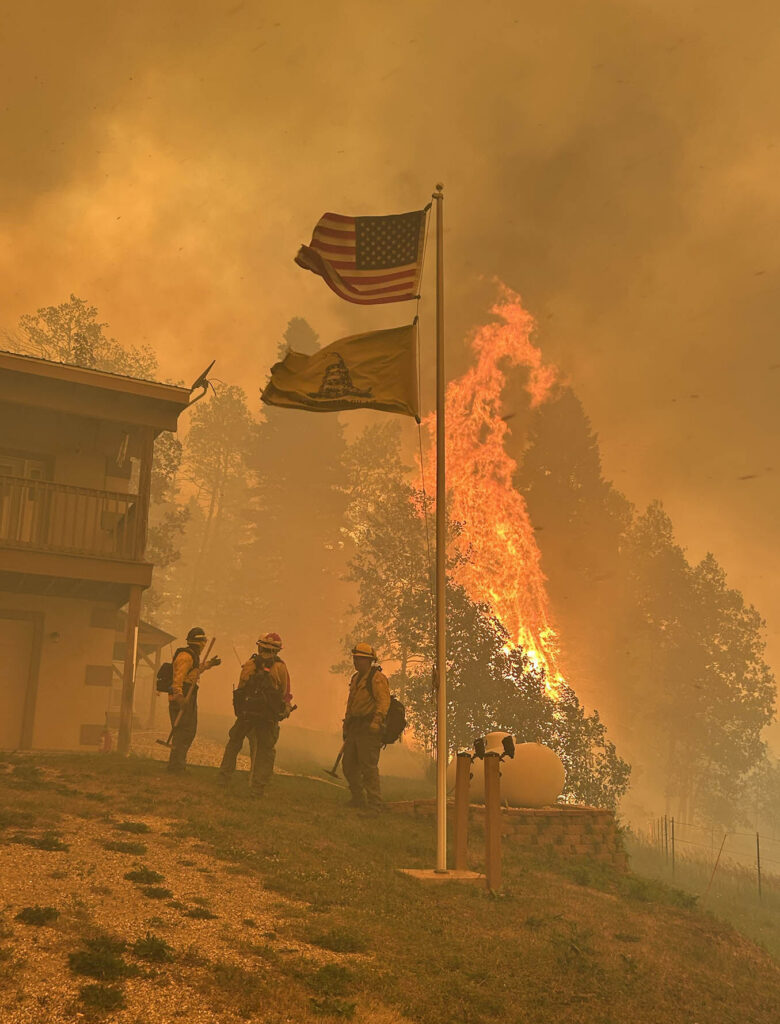
Colorado secures FEMA support for wildfire, flooding and mudslide recovery
Marissa Ventrelli
marissa.ventrelli@coloradopolitics.com
Updated 2 days ago
Federal authorities on Friday approved Colorado’s request for federal public assistance to help communities devastated by the Aspen Acres and Gold Mountain Fires. The Federal Emergency Management Agency did not announce how much the state would receive but confirmed that...

State seeks $50K penalty against GOP candidate Victor Marx over alleged campaign finance violations
Deborah Grigsby
deborah.smith@denvergazette.com
Updated 2 days ago
Republican gubernatorial candidate Victor Marx is looking at more than $50,000 in fines in what the Elections Division of the Office of the Secretary of State calls “unprecedented” campaign finance violations. The state has not imposed that fine yet, and...