

Legislative leaders sound skeptical on provider fee switch, trans bond funding
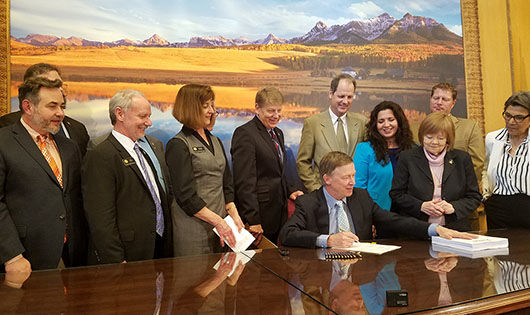
The budget is signed, but that doesn’t mean fighting over revenue has ended in the Legislature.
During a budget singing in Gov. John Hickenlooper’s office Tuesday, Senate Pres. Bill Cadman, R-Colorado Springs, and Speaker of the House Dickey Lee Hullinghorst, D-Gunbarrel, indicated that the potential of a hospital provider fee reclassification and a transportation bond bill passing were slim to none.
A long awaited Trans Bond bill, SB 210, dropped in the Senate Monday and was assigned to the Senate Finance Committee. Legisltion to switch the hospital provider fee into an enterprise fund, HB 1420, passed out of the House in April but hasn’t been assigned to a committee in the Senate as of early this week.
Cadman, during the budget signing, tried to avoid questions from the Capitol press corp about the future of the bills in the Senate, saying “There’s a couple hundred bills still out there that are being dealt with right now, and those are two of them.”
Later, after the bill-signing ceremony, Cadman opened up about issues with the provider fee bill and talked about the chance of a deal to be made with the trans bond bill, something Republicans have pushed for all session.
“Even if that were done, that’s still complete speculation from what that revenue would be. Period. This year it was anticipated to be $100 million, and it wasn’t. Next year, who knows what it will be … although now there’s estimates that swing widely by tens of million of dollars. Nobody can count on what next year’s revenues will be so to tie the solution to speculation is probably not prudent,” Cadman said. “The question was how much solution it provided if you pass (the hospital provider fee bill). Nobody can even answer that if it did pass.”
When asked about the trans bond bill, Hullinghorst sounded like she would oppose it based on a lack of a dedicated revenue stream.
“I think that the one major concern with that bill. … is that we don’t have a funding source that’s reliable for that and at a time where we’re just stretching as best we can to make sure we fund programs in the state of Colorado that are important priorities to everybody,” Hullinghorst said during the press conference. “The only way you can have that stationary funding source to pay off bonds would probably be to go into the general fund additionally if you don’t have a good funding source, and that just means you take it out of K-12 education. It’s our biggest bucket. And it’s not my goal to leave K-12 education funding in any more jeopardy than it is already. And I think that’s exactly what it does if you don’t have funding source.”
Cadman, in his comments to the media after the press conference, disagreed with Hullinghorst that education would suffer if a transportation bond bill passed.
“To say it can only come from K-12 is not completely accurate when you got an entire budget out there, which a part is K-12 but a massive part is HCPF (Medicaid) with a 350-percent growth compared to 20-percent growth of everything else,” Cadman said. “Nobody ever said, ‘Oh, how are we going to pay for this down the road?’ They passed it knowing there was no funding source.”
Hickenlooper, for his part, toed the line between the two issues and said he wanted to work with the Legislature on bonding and pointed to the hospital provider fee as a possible revenue source to back up that bonding.
“The challenges with transportation is we need a predictable large sum (of funding). My goal ultimately is to work with the General Assembly to get some sort of bonding done that allows us to take on some of the real challenging infrastructure issues that we face in the state,” Hickenlooper said. “At some point we’ll figure out, hopefully it’s in the near future, whether it’s the hospital provider fee or new revenue from another source, some way of getting a significant new source of revenue. … to address the infrastructure needs.”
— Ramsey@coloradostatesman.com
Colorado Politics Must-Reads:

Colorado Politics Calendar July 27-Aug. 2
Rachael Wright, Special to Colorado Politics
rachael.wright@coloradopolitics.com
Updated 5 days ago
CoPo’s weekly political calendar will help you find political and public-policy events throughout Colorado. It includes candidate and issue campaign events, public policy meetings, court hearings, state and local party conventions, assemblies, debates, rallies, parades, speaking engagements, traveling dignitary appearances,...
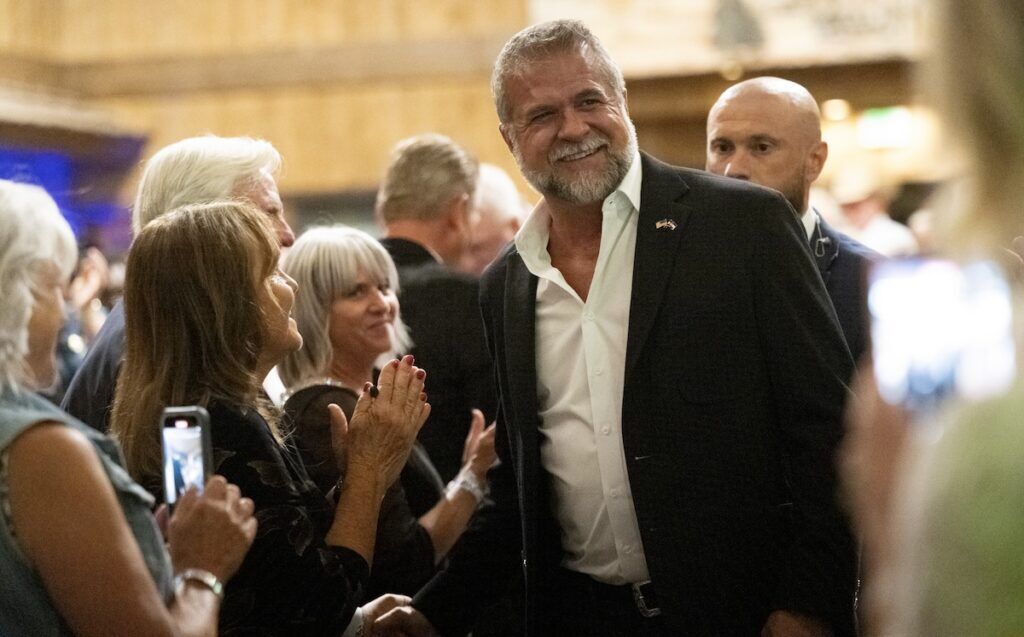
The through line from Donald Trump to Victor Marx | SONDERMANN
By Eric Sondermann
by-eric-sondermann@coloradopolitics.com
Updated 5 days ago
Over 10 years ago, before Donald Trump could ever defeat Hillary Rodham Clinton, he had to first engineer a hostile takeover of the Republican Party. Prior to his descent of that golden escalator, the previous seven Republican presidential nominees had...

Colorado districts prepare for school year amid mental health cuts. But will less cellphone distractions help?
Marissa Ventrelli
marissa.ventrelli@coloradopolitics.com
Updated 3 days ago
The signs of a new school year are everywhere — buses in the shop, teachers unpacking boxes, families ticking through supply lists — but behind the familiar rituals, Colorado districts are preparing for a year defined less by routine than...
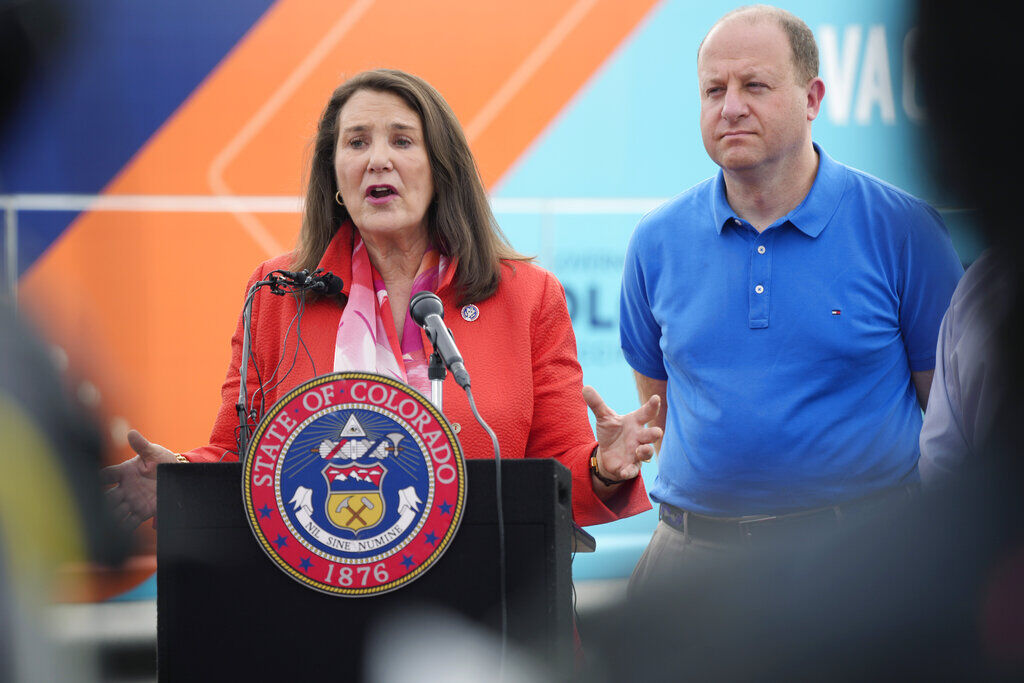
Armstrong staffer considers congressional bid, DeGette angers rural communities with wilderness act | A LOOK BACK
Rachael Wright, Special to Colorado Politics
rachael.wright@coloradopolitics.com
Updated 4 days ago
Forty-five years ago this week: If the lines were drawn just right, Republican Sen. Bill Armstrong stood the chance of losing his office manager, Ruth Fountain. Fountain admitted she was seriously thinking about running for Colorado’s new congressional seat in...
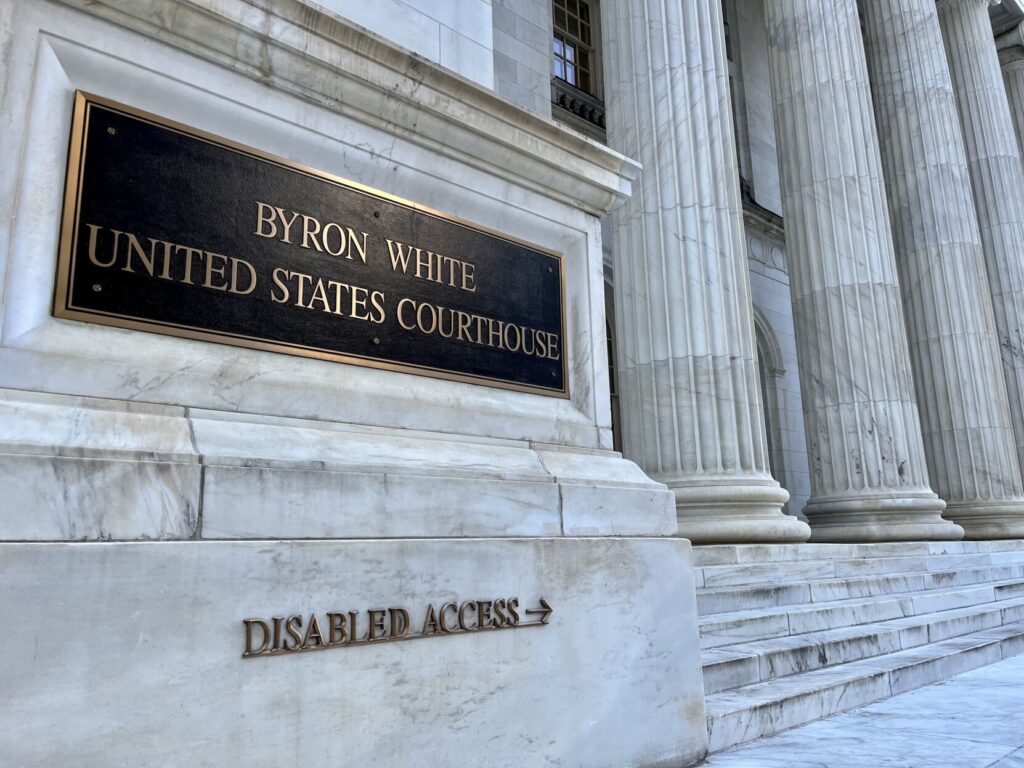
10th Circuit dismisses woman’s lawsuit following 10-year attempt to undo restraining order
Michael Karlik
michael.karlik@coloradopolitics.com
Updated 3 days ago
The Denver-based federal appeals court rejected a woman’s challenge on Friday to a restraining order imposed on her more than a decade ago, finding that she cannot credibly claim she will be prosecuted for violating the restraining order through her...
10th Circuit dismisses woman’s lawsuit following 10-year attempt to undo restraining order
Michael Karlik
michael.karlik@coloradopolitics.com
Updated 3 days ago
The Denver-based federal appeals court rejected a woman’s challenge on Friday to a restraining order imposed on her more than a decade ago, finding that she cannot credibly claim she will be prosecuted for violating the restraining order through her...
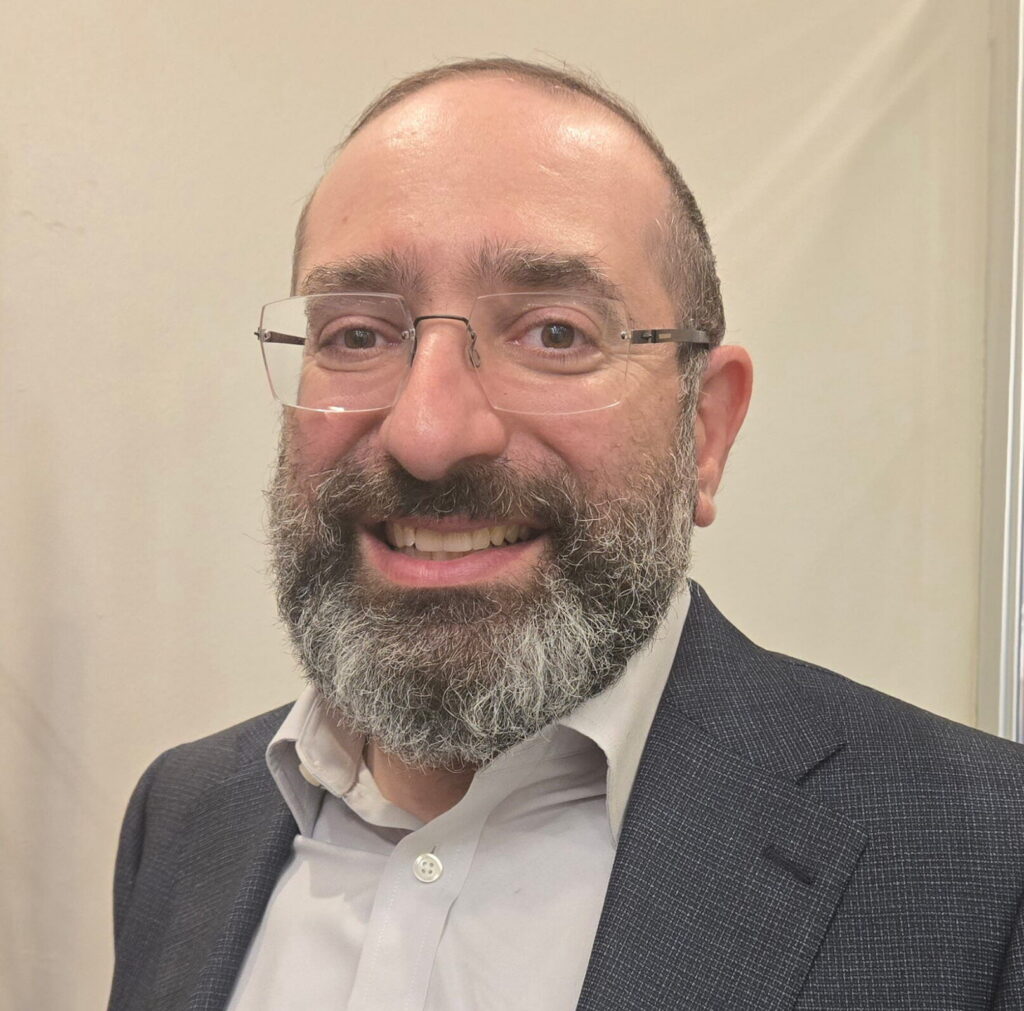
Surprise candidate Shimon Blau cleared to face off against Melat Kiros in November
Ernest Luning
ernest.luning@coloradopolitics.com
Updated 3 days ago
Unaffiliated congressional candidate Shimon Blau, a Denver doctor, has qualified by petition for the general election in Colorado’s 1st District, where Democrat Melat Kiros defeated 15-term U.S. Rep. Diana DeGette in last month’s primary, the Colorado Secretary of State’s Office...

Colorado produce not tied to nationwide cyclospora outbreak, agriculture officials say
Marissa Ventrelli
marissa.ventrelli@coloradopolitics.com
Updated 2 days ago
There is no indication that the recent outbreak of cyclospora, a fecal parasite that has contaminated food and water across nearly every state, can be linked to produce grown in Colorado, according to the state’s Department of Agriculture. “Colorado growers...

UNC opens College of Osteopathic Medicine
Marissa Ventrelli
marissa.ventrelli@coloradopolitics.com
Updated 3 days ago
The University of Northern Colorado held a grand opening for its new College of Osteopathic Medicine on Friday, with Gov. Jared Polis in attendance to celebrate the culmination of a two-year, $127.5 million project. The project was funded through legislation...
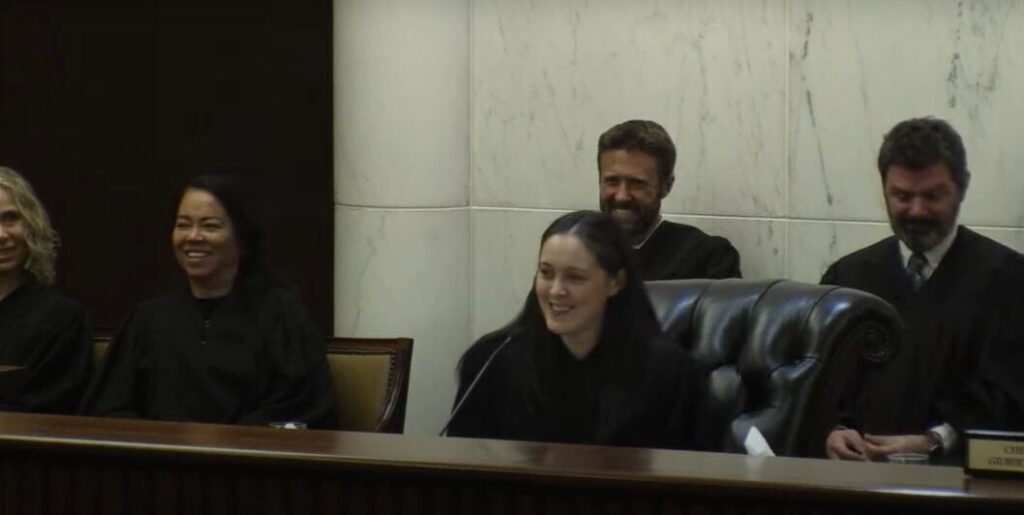
Colorado equal pay law does not require plaintiffs to allege gender-based retaliation, appeals court finds
Michael Karlik
michael.karlik@coloradopolitics.com
Updated 2 days ago
The 2019 Colorado law aimed at rooting out pay discrimination on the basis of sex does not require a plaintiff to allege their employer retaliated against them for sex- or gender-related reasons, the state’s second-highest court decided on Thursday. Lawmakers...
PREV
PREVIOUS
60th General Assembly wraps with stadium bill, official state insect
Twenty Years Ago this week in The Colorado Statesman … The 60th General Assembly received a mostly good grade from most politicians after the final gavel had sounded. “Before going home,” the Statesman reported, “the legislators ran interference for the Denver Broncos in their bid for a new stadium, dealt a final blow to those seeking […]

Presidential primary bill delayed while sponsors hold talks
A bill that would switch Colorado back to a presidential primary system has been in a holding pattern in the House as outside groups opposed to the measure hold talks with sponsors of the bill. HB 1454, sponsored in the House by Reps. Tim Dore, R-Elizabeth, and Dominick Moreno, D-Denver, has been repeatedly laid over […]