

Tapped: Front Range residents face higher water rates, restrictions as rapid snowmelt threatens supplies
Editor’s Note: The Denver metro region sits at the center of one of the American West’s most complex and consequential water challenges. This series examines the interconnected systems that determine how the region secures, stores, and conserves its water while navigating the competing demands of fast‑growing urban communities and the increasingly unpredictable mountain snowpack that underpins the entire system.

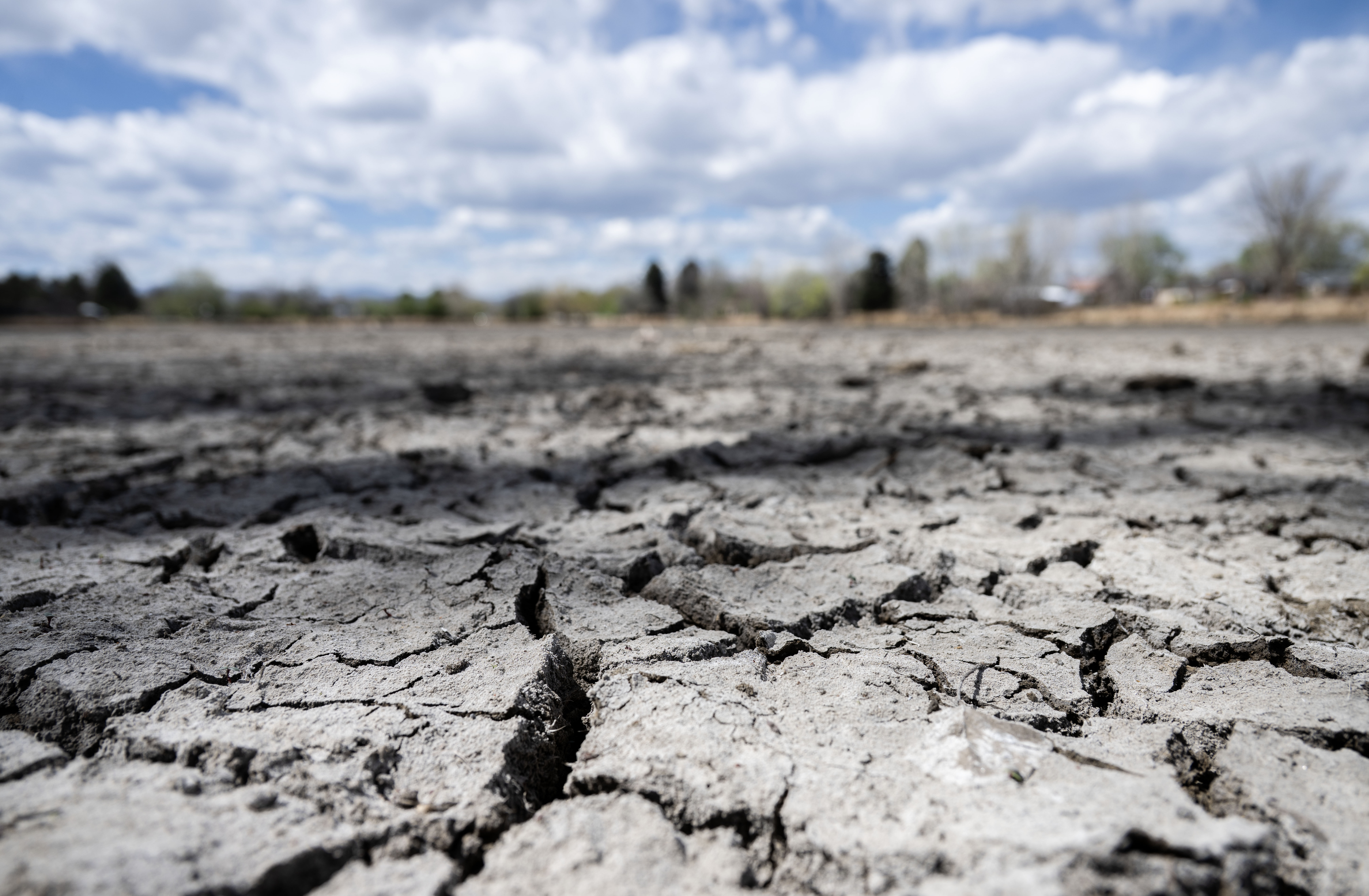
With snowpack at historic lows and reservoirs lagging far behind normal levels, water providers across metro Denver are warning that the region’s supply is tightening faster than conservation efforts can keep up.
Every jurisdiction in the Denver metro area is grappling with the same conditions — low water in storage after a historically weak snowpack year, compounded by warmer temperatures that accelerate evaporation and reduce what ultimately reaches reservoirs.
Aurora Water spokesperson Shonnie Cline said the situation demands more than short‑term cutbacks. It requires a fundamental shift in how Coloradans think about water use, she said.
“Society as a whole is really going to have to learn what the value of water is, and it’s more than just what you’re paying for on your bill,” she said.
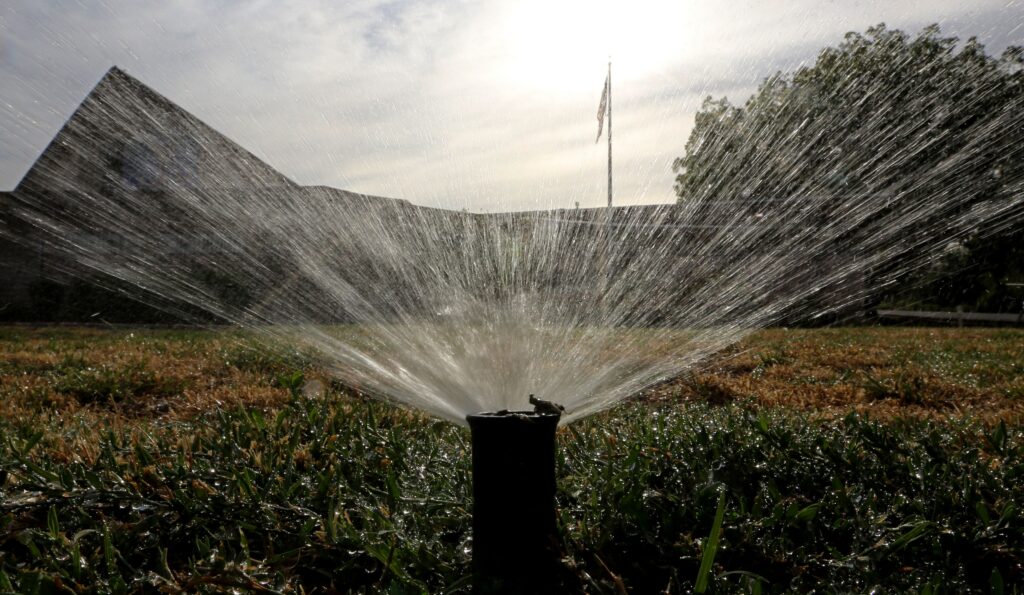
While agriculture accounts for the majority of water consumption and indoor household use makes up a fraction, water officials point to sprawling suburban landscapes and outdoor lawn watering across the West as placing significant pressure on already strained supplies.
Outdoor irrigation remains one of the biggest pressure points. That reality, Cline said, means residents and communities will have to reconsider long‑held landscaping norms.
“We’re going to have to rethink what we consider to be beautiful,” Cline said. “Eventually, Kentucky Bluegrass is just not going to be a human right.”
A tale of three river basins
Water for the metro Denver area primarily comes from three mountain river basins: the South Platte, Colorado and Arkansas rivers.
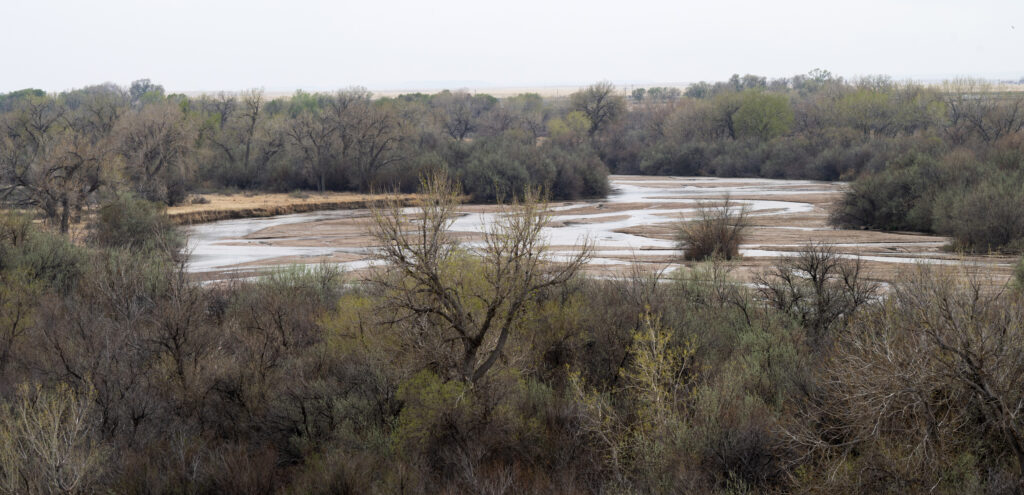
The Arkansas River begins near Leadville and flows east across Colorado toward Kansas. It is the state’s largest river basin by area, covering more than a quarter of Colorado, according to the 2023 Water Plan.
The basin supplies water to more than one million people. Annual precipitation at the headwaters ranges from 25 to 60 inches, mostly as snow. Mid‑elevations receive 15 to 25 inches, while the lower basin gets 8 to 12 inches.
The Colorado River Basin spans about 9,830 square miles, starting in the Rocky Mountain National Park and flowing west to Utah. Roughly 70% of its water leaves the state, and high‑elevation snowpack above 9,000 feet provides water to communities on both sides of the Continental Divide.
Mountain areas in this basin receive about 60 inches of precipitation annually.
Together, water providers in the Arkansas and South Platte basins export about 480,000 acre‑feet of water each year to the eastern slope.
The South Platte Basin is Colorado’s most populous and industrialized, home to about 70% of the state’s residents. Its precipitation comes mainly from winter snow and late‑spring rain. From October to April, precipitation ranges from 3 inches on the plains to 22 inches in the mountains; from May to September, it ranges from 6 to 15 inches.
As of the end of April, according to the USDA’s National Weather and Climate Center, snow water equivalent levels were extremely low:
- South Platte Basin: 16% of median
- Colorado Basin: 19% of median
- Arkansas Basin: 11% of median
Water providers worry
Aurora Water and Denver Water are two of the largest water providers on the Front Range. Aurora Water serves about 400,000 residents, while Denver Water supplies roughly 1.5 million people in Denver and the surrounding suburbs.
In total, Denver Water provides drinking water to about one‑quarter of Colorado’s population.
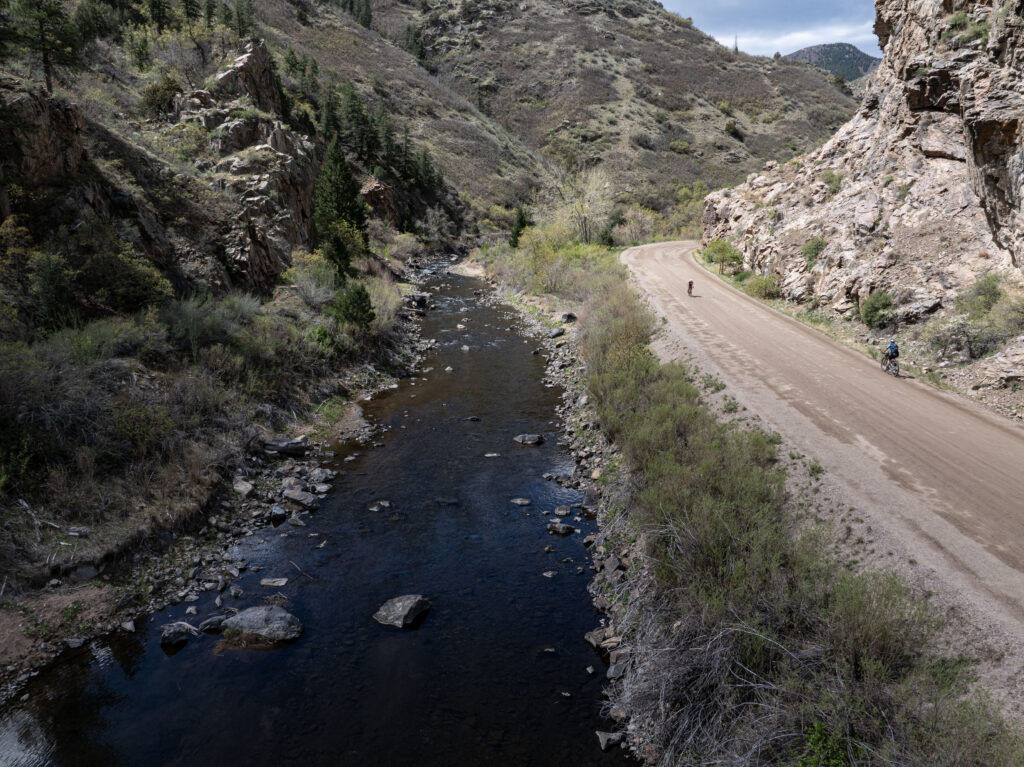
Its two primary source watersheds — the Colorado River Basin and the South Platte River Basin — have both reached record‑low snowpack levels this year, according to Denver Water officials.
As of April 13, Denver Water officials report that the utility’s snowpack levels — an indicator of how much water will melt into reservoirs this spring — are at their lowest point in the past 40 years.
“Current conditions indicate that this is going to be an exceptionally challenging year for our water supply,” said Nathan Elder, Denver Water’s manager of water supply. “Snow pack levels are at historic lows, and they’re melting earlier and more rapidly than normal.”
Snowpack and melt conditions are unprecedented, officials told the Denver Board of Water Commissioners, noting that unusually warm March temperatures have sped up the melt.
Streamflow runoff in 2026 is projected to reach only 10–40% of normal.
Water officials in neighboring Aurora are raising similar concerns.
Aurora receives about 25% of its supply from the Upper Colorado River Basin. That water travels through the Arkansas River Basin — which provides another 25% of the city’s supply — into Turquoise and Twin Lakes near Leadville. From there, it is pumped back over the Mosquito Range into the South Platte River Basin.
According to Aurora Water, the remaining 50% of the city’s supply also comes from the South Platte Basin.
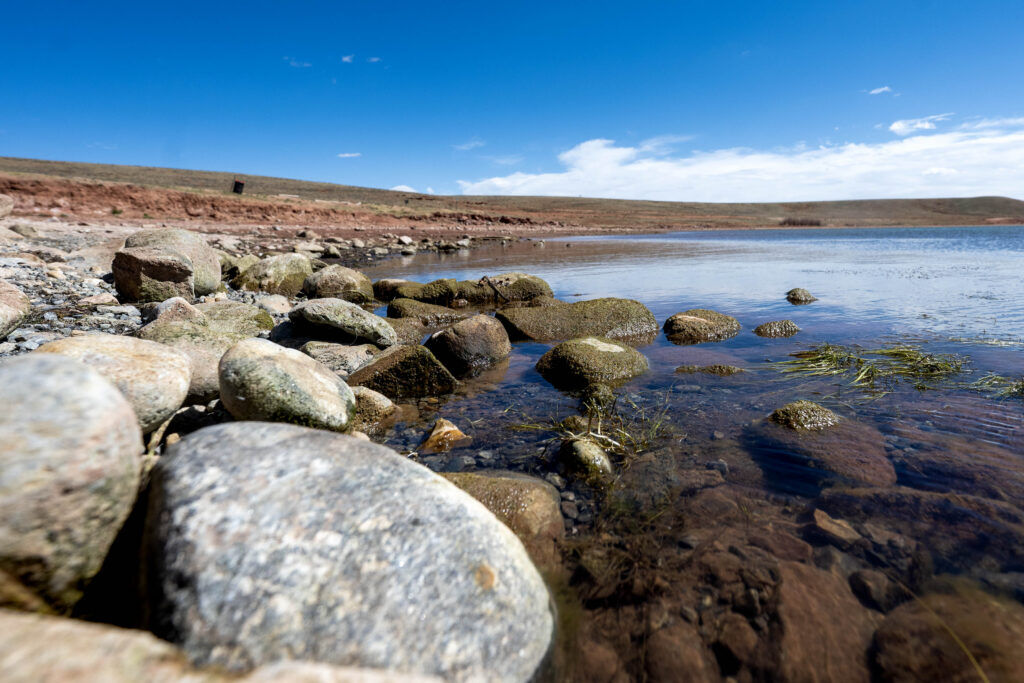
Aurora stores its water in 13 reservoirs across the state, which were about 58% full as of late March, Cline said. That’s roughly 10% below what is typical for this time of year, she added, largely because the system didn’t receive enough water to refill those reservoirs last year.
While a 10% deficit may not sound alarming on its own, officials are concerned because they know the reservoirs won’t be replenished this year, Cline said.
In a typical year, runoff provides about 56,000 acre‑feet of water for Aurora. In 2002 — a record drought year — runoff dropped to 22,000 acre‑feet, Cline noted. Snowpack is even lower this year than it was in 2002, so she expects runoff to fall below that level.
Record‑low snowpack is a major driver of the current water challenges, but record‑high temperatures are compounding the problem, Cline said.
“It’s been so dry and with the winds we have, the runoff we’re getting from higher peaks isn’t even making it out of the tributaries. It’s just absorbing into the ground,” she said. “We’re seeing runoff now that we wouldn’t typically see until May.”
Higher water rates and restrictions
In March, the Denver Water board declared Stage 1 drought conditions and imposed mandatory watering restrictions. This month, the utility will also ask its board to consider premium pricing for outdoor water use.
The restrictions, which require an immediate 20% reduction in water use, stemmed from historically low snowpack and an unusually early melt, officials said. The 20% cut applies to all Denver Water residential and commercial customers.
“A tremendous amount of thought and care went into this declaration, and it is the right decision for our organization and for our community,” said Tyrone Gant, president of the Denver Board of Water Commissioners. “This is not our first drought, and we will get through this challenging time, but we need everyone to help out this summer in case drought conditions persist into next year and beyond.”
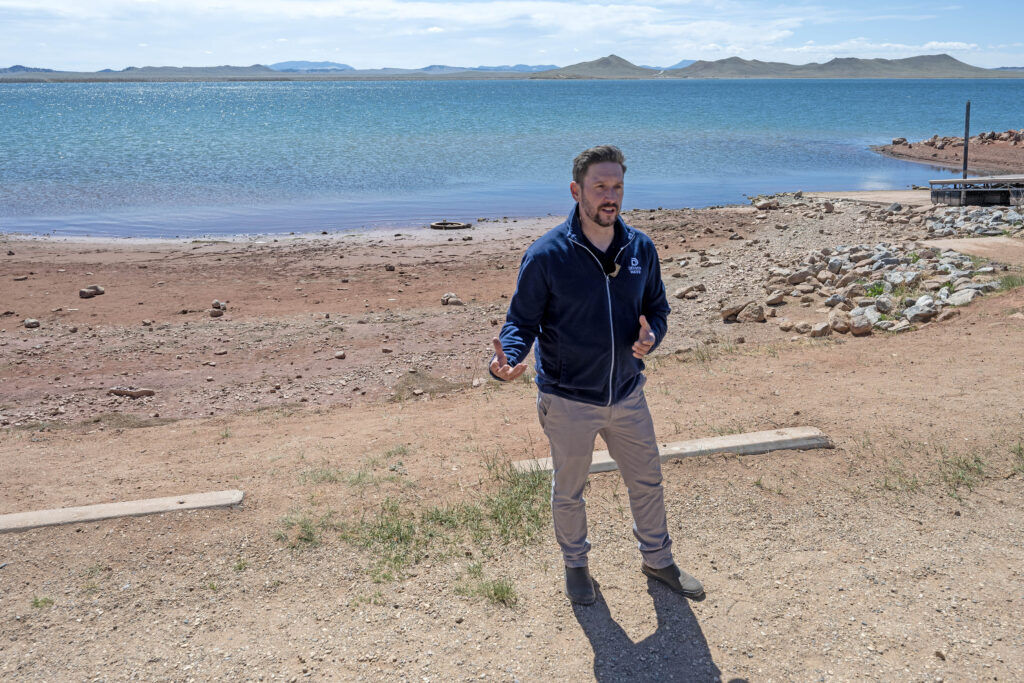
In April, Denver Water began charging premium rates for outdoor water use. The drought pricing applies to water used in May and appears on June bills, remaining in effect through April 30, 2027, unless the board decides otherwise.
The 11‑month tiered pricing structure is intended to encourage conservation by ensuring that customers who use more water pay more, officials said. Essential indoor use, classified as Tier 1 — such as bathing, cooking, and flushing toilets — will not be subject to the temporary drought charge.
Officials said that under the temporary rate hike, residential customers will see a drought charge of $1.10 per 1,000 gallons for Tier 2 water use. Tier 3 will have a drought charge of $2.20 per 1,000 gallons.
The drought charges will be tacked onto the customer’s existing 2026 water rates.
In early April, the Aurora City Council approved a Stage I Water Shortage declaration, imposing watering restrictions on all city water customers. The goal is to cut water use by 20%. If the city falls short of that target, officials said Aurora will likely move into Stage II restrictions by the end of the year.
Aurora Water has adopted measures such as a ban on nonfunctional turf, requiring xeric or low‑water landscaping for new developments, and prohibiting large water‑intensive businesses from operating within its service area.
As much as Aurora Water is doing to conserve water for the future, it takes a village, Cline said. Everyone in the state needs to do their part to conserve water to ensure the future of the West’s water supply, she added.
Residents push back as the city warns of fines
Not everyone agrees with the restrictions and added fees. Meanwhile, officials are warning that recalcitrance could lead to shutting off water.
Cline said she’s already seen pushback from residents and groups, including homeowners associations, which disagree with the the watering rules. For some, she insisted, that resistance stems from a “cognitive disconnect.”
“While we have seen water scarcity in the past, most people have not actually felt what that really means,” Cline said. “Our water rights are just not yielding as much water as they were 10 years ago because of the changing climate, and so being water efficient is not just going to be one of those nice things; it will have to be a requirement.”
Aurora is stepping up enforcement this year for watering‑rule violations and has rolled out an AMI system that tracks individual water use. The system lets the city identify who is breaking restrictions and detect leaks in real time.
People and companies that ignore the rules will face fines, Cline said.
“And quite simply, we will collect those fines and we always have the option to shut off water,” she said, adding that city code allows the city to sever water use for customers ignoring the rules. “That is how seriously we are taking this.”
Following watering restrictions is the best way to help, Cline said.
“We don’t know how long this is going to last, and the last thing we want is for this to get to a place where we are limited to only indoor water use or even worse. This is the best way for you to care for and love your neighbors right now,” she added.
Water shortages ripple beyond Denver, Aurora
While Aurora and Denver Water are the largest providers on the Front Range, many other utilities are grappling with the same challenges.
Westy Water, Westminster’s provider, issued a Drought Watch on April 15, offering customers guidance on how long to water their lawns, though the city has not yet implemented formal restrictions.
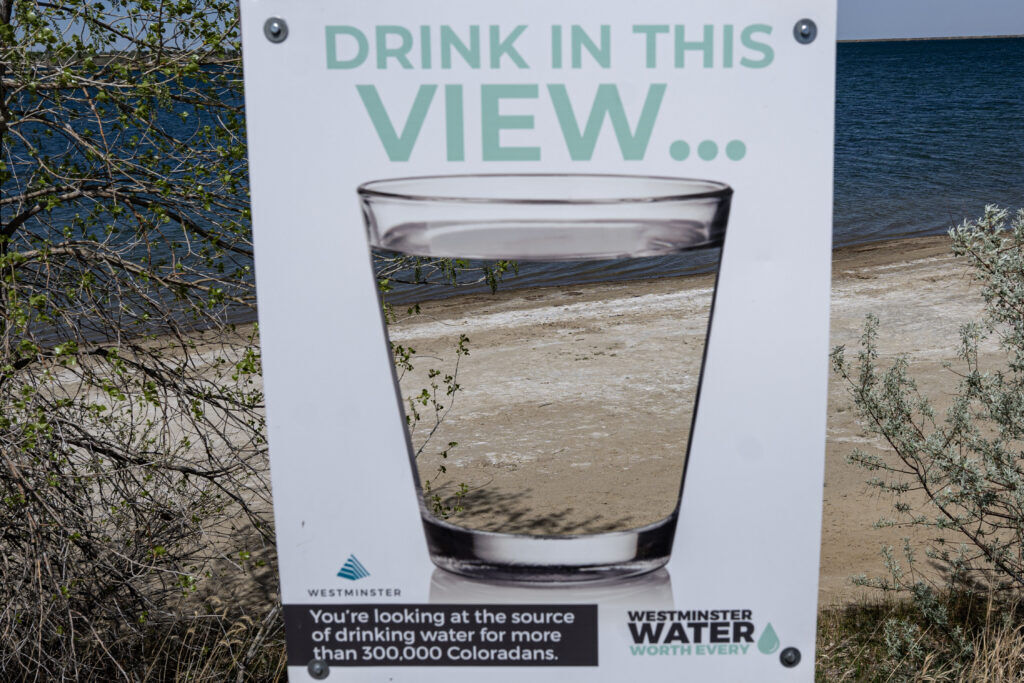
Last year, the city broke ground on a new $206 million drinking water facility at 9988 Westminster Blvd. It’s expected to treat 14.7 million gallons a day and be completed by 2028. This new plant would help the city eventually phase out the existing Semper facility, giving Westminster its own dedicated plant, according to the city’s website.
The city also recently launched the Water Affordability to Every Resident (WATER) Task Force in April, with the first meeting on April 6.
The task force, made up of residents chosen by the city through an application process, brings people together to decide issues such as rates and long-term infrastructure.
“The task force will bring together residents, business representatives, and property managers to provide input on how the City delivers clean, safe, and affordable drinking water while meeting the water utility’s legal, financial and operational obligations,” a city spokesperson said.
South Adams County Water and Sanitation, the largest of 76 water providers in Adams County, declared a Stage 1 Drought in a May 13 meeting, mandating water reductions and enacting outdoor watering rules and regulations.
Residential single-family customers are allowed to water two days per week, with no irrigation allowed between 10 a.m. and 6 p.m. any day.
Golden adopted Stage 1 drought restrictions on May 1, limiting outdoor watering to two days per week and banning watering between 10 a.m. and 6 p.m. — a slight shift from its usual three‑day‑per‑week limit under the WOW policy.
Deputy Director of Public Works Brian Tracy called the snowpack values feeding into the creeks and reservoirs “pretty abysmal” for this year. Golden gets most of its water from direct flow rights to Clear Creek, which runs through the city.
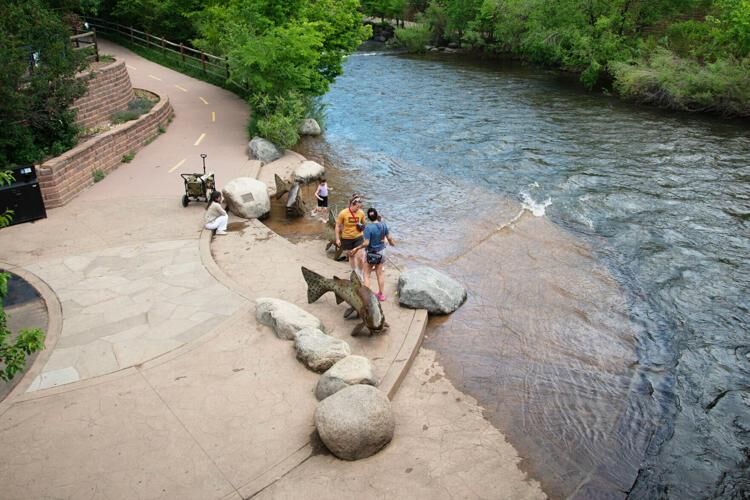
Tracy said the creek’s average flow has actually been above its average for this time of the year, but the city can’t hang its hat on that. Moisture rates have been closer to average than snowpack, but the warmer weather without snowpack is making things volatile.
“The moisture is closer to normal, but it’s melting off earlier. The story is really the warmer-than-normal winter,” Tracy said.
In Highlands Ranch, drought planning and conservation has been a long‑standing priority. Following the 2002 drought, the district implemented water budgets that cut usage by about 20%. Even as the population doubled, total water use increased by only about 50%.
“The current outlook is certainly driving us toward the need for more water supply and investments, but the bigger focus for us is on conservation,” Highlands Ranch Water General Manager Sam Calkins said. “Through conservation, I’m confident we can make the supplies we do have last much longer and meet our future needs.”
Deborah Grigsby, Nicholas Fogleman and former Denver Gazette reporter Sage Kelley contributed to this report.
Read more from the Tapped series here:
Tapped: As fire risk climbs, Colorado faces threat to drinking water
Tapped: Denver residents face hotter, costlier summer under new drought rules
Tapped: Is water a problem for data centers in Colorado?
Tapped: Aurora cracks down on water use as reservoirs fall, runoff shrinks
Tapped: Douglas County looks to diversify water supply as population grows
Tapped: Colorado River overallocation collides with record drought conditions
Tapped: Golden tightens water rules as Clear Creek snowpack falters
Tapped: As snowpack levels shrink, Jefferson County cities take divergent paths on water
Tapped: Colorado River overallocation collides with record drought conditions
Tapped: Parker makes strides toward renewable supply


Healthcare Freefall: Longer drives, fewer options for maternity care in Colorado
Thelma Grimes
thelma.grimes@coloradopolitics.com
Updated 22 hours ago
Editor’s Note: Colorado’s healthcare system is entering a period of accelerating instability — a “tsunami,” as multiple leaders describe it — driven by collapsing hospital finances, shrinking Medicaid reimbursements, disappearing services and a political fight over who is responsible for...
Polis requests federal disaster declaration for Colorado wildfires and floods
9News
9news@coloradopolitics.com
Updated 16 hours ago
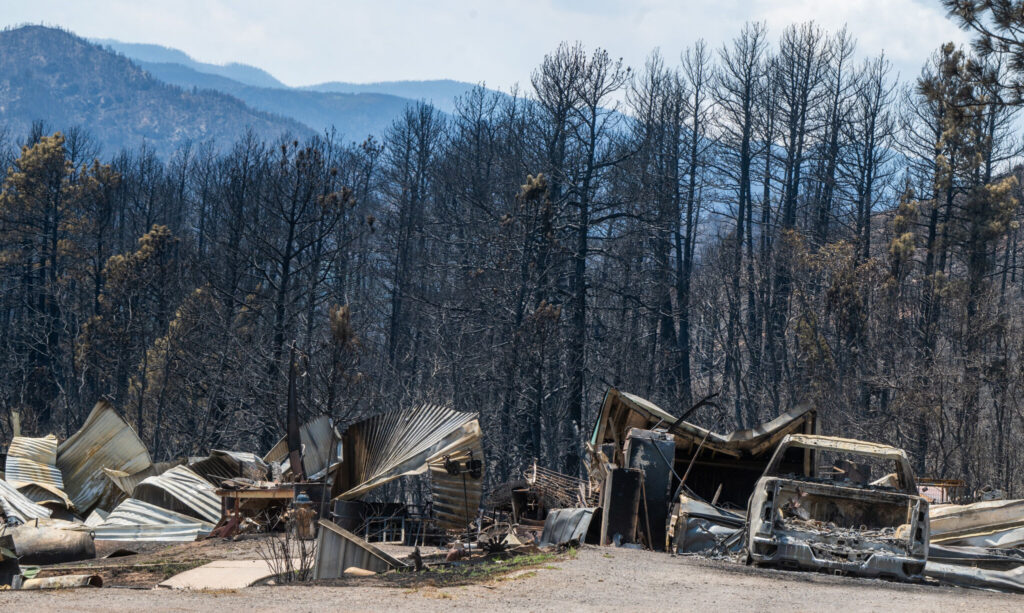
On Sunday, Gov. Jared Polis officially requested a Major Disaster Declaration from President Donald Trump and the Federal Emergency Management Agency to support recovery from two wildfires and the subsequent flooding and debris flows on both burn scars. Polis requested a declaration...

Operation Foster helps ensure troops can return home to their pets
Mary Shinn
mary-shinn@coloradopolitics.com
Updated 23 hours ago
As more troops have been sent overseas, more pets are in need of temporary care while they await their owner’s return home. Operation Foster, a nationwide nonprofit, helps provide some of that care by connecting service members with volunteers willing...
Operation Foster helps ensure troops can return home to their pets
Mary Shinn
mary-shinn@coloradopolitics.com
Updated 23 hours ago
As more troops have been sent overseas, more pets are in need of temporary care while they await their owner’s return home. Operation Foster, a nationwide nonprofit, helps provide some of that care by connecting service members with volunteers willing...
Castle Pines to hear annexation policy following moratorium on new requests
Nicholas Fogleman
nicholas.fogleman@denvergazette.com
Updated 23 hours ago
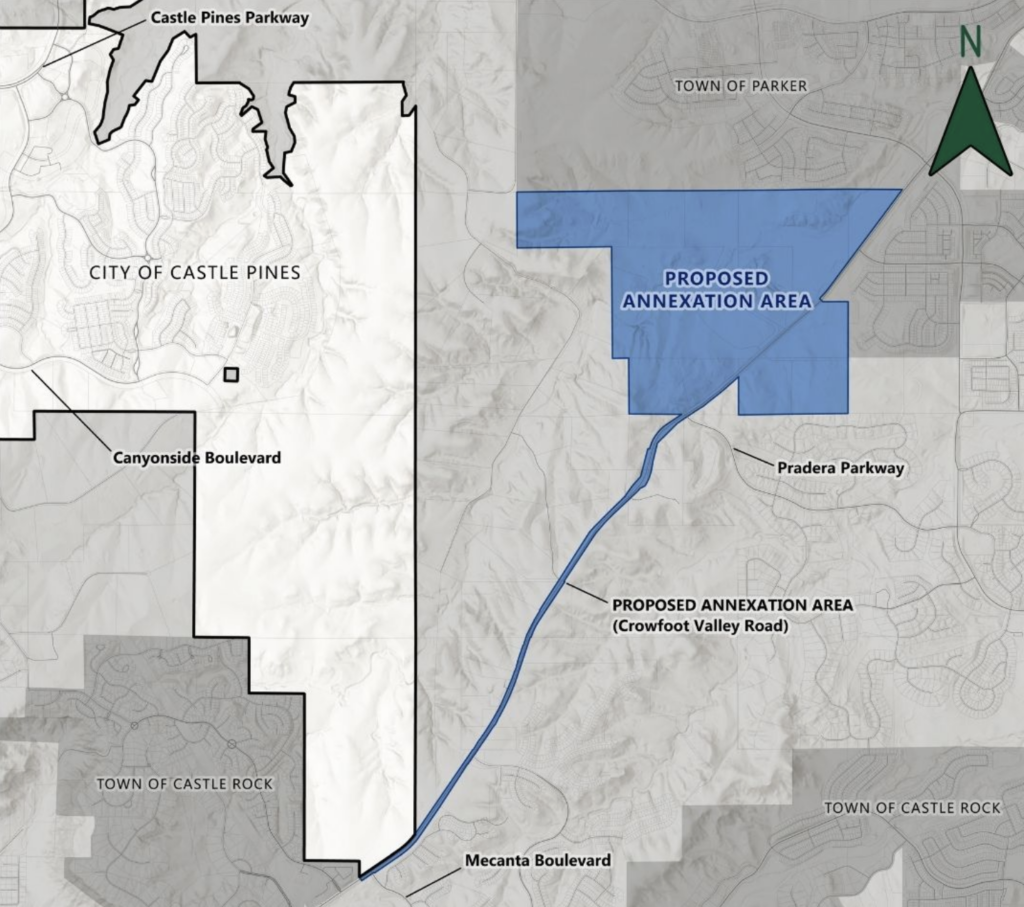
The Castle Pines City Council is set to consider a proposed annexation policy Tuesday that would establish the city’s first formal framework for reviewing future annexation requests. The policy emerged after the Crowsnest annexation proposal prompted significant public debate and...

Aurora lawmakers to discuss first of new data center regulations
Kyla Pearce
kyla.pearce@gazette.com
Updated 23 hours ago
Aurora’s lawmakers will discuss the specifics of data center regulations Monday night, specifically focusing on an evaporative cooling ban and zoning changes. At the last council meeting, council members approved a resolution directing city management to update data center development...

Why local police departments are left to grapple with electric vehicle trends
Nicholas Fogleman
nicholas.fogleman@denvergazette.com
Updated 23 hours ago
Littleton officials are weighing new regulations for electric bicycles as cities and counties across the metro Denver area increasingly grapple with safety concerns involving e-bikes, electric motorcycles and other motorized vehicles that often fall into gray areas of Colorado law....

Colorado schools reopen with measles vaccination rates below protective threshold
Nico Brambila
nico.brambila@denvergazette.com
Updated 23 hours ago
Colorado is entering the new school year without active measles transmission, but health officials remain concerned as kindergarten MMR coverage sits at just 87.8% and most counties fall below the 95% threshold considered protective against outbreaks. “These declining vaccination rates,...

Jeffco Public Schools board votes to put $133M mill levy override before voters
Matt Kyle
matt.kyle@denvergazette.com
Updated 23 hours ago
Voters in Jefferson County will decide this November whether or not to approve a $133 million mill-levy override that Jeffco Public Schools officials say is needed to cover funding shortfalls in the district. The Jeffco Public Schools Board of Education...
Democratic candidate in Colorado’s 4th CD urges long-term water planning
Marianne Goodland
marianne.goodland@coloradopolitics.com
Updated 2 days ago
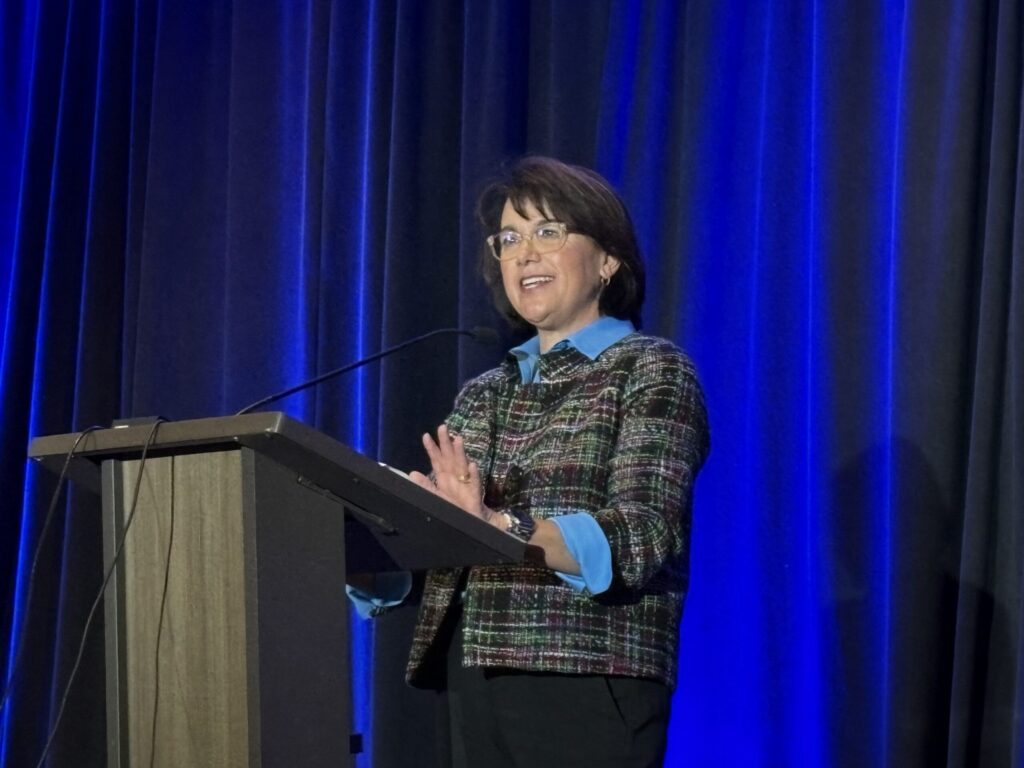
The Democrat hoping to become the next representative of Colorado’s 4th Congressional District on Thursday made her case on the final day of Colorado Water Congress in Steamboat Springs. Eileen Laubacher, who spent 34 years in the U.S. Navy and...
PREV
PREVIOUS
Tapped: With growth tapped out, Highlands Ranch turns to cutting demand
Editor’s Note: The Denver metro region sits at the center of one of the American West’s most complex and consequential water challenges. This series examines the interconnected systems that determine how the region secures, stores, and conserves its water while navigating the competing demands of fast‑growing urban communities and the increasingly unpredictable mountain snowpack that […]
Tapped: Built to stand alone, Westminster's water system confronts historic dryness
Editor’s note: The Denver metro region sits at the center of one of the American West’s most complex and consequential water challenges. This series examines the interconnected systems that determine how the region secures, stores, and conserves its water — while navigating the competing demands of fast‑growing urban communities and the increasingly unpredictable mountain snowpack […]