

Yesteryear: Brewery workers call for jobs as Prohibition takes effect
One Hundred Years Ago this week in The Colorado Statesman … Prohibition, known as “the dry law,” had gone into effect the week before, and members of the Brewery Workers’ Union and other trades allied with the “late liquor industry” marched to the state Capitol to call upon the governor to convene a special session of the Legislature to provide employment for those thrown out of work when liquor was outlawed. The governor suggested there was opportunity for employment in the sugar beet fields. Several state employees engaged in the licensing and taxation of alcoholic beverages were also out of jobs. The Adolph Coors Brewing Company would have to give 30 days notice to the State Industrial Commission before it could reduce wages to workers who were manufacturing “near-beer in place of the old-time brew now barred by the dry law.” Workers at the Zang Brewing Company would be paid less immediately because they had earlier agreed to the changes if the state went dry. …
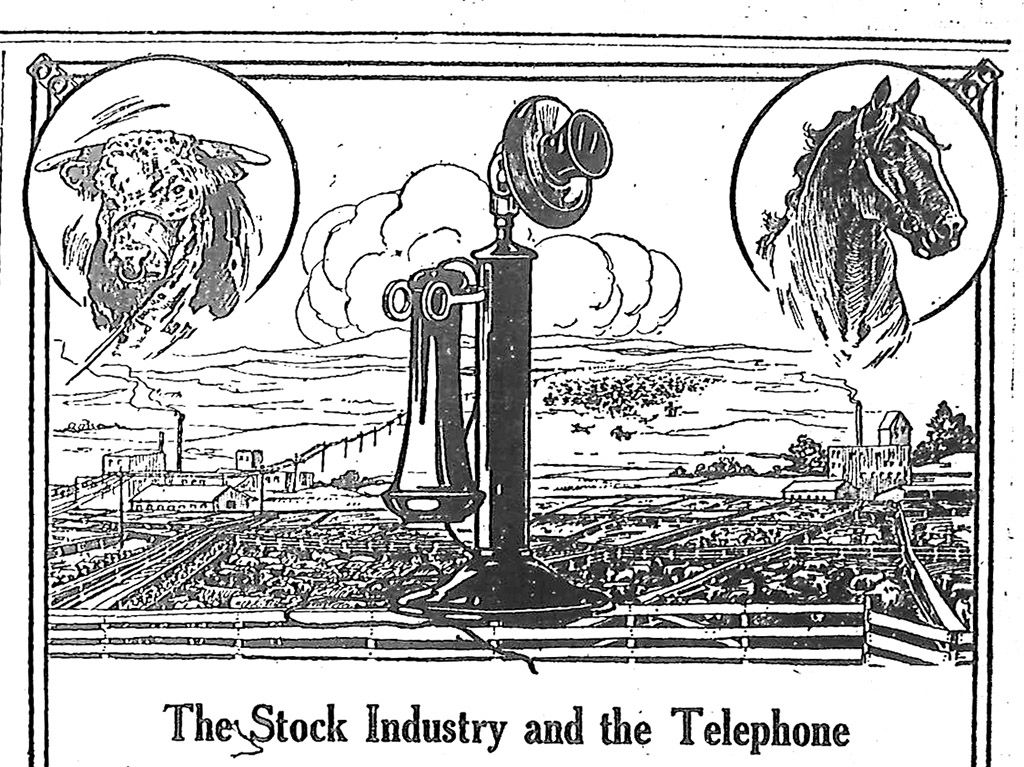
… Entries at the Denver Stock Show had surpassed all records and 40,000 stockmen and farmers from throughout the country were on their way to Denver for the weeklong convention. In the breeding-cattle division alone, 82 of the largest cattle herds in the country would be competing, and as many as 12,000 feeder cattle and 4,000 registered bulls were scheduled to be on exhibit. “No such number of pure-bred animals was ever gotten together anywhere, as far as known, in the world,” The Statesman noted. As it would be the first big livestock show to be held since the outbreak of the foot-and-mouth disease, there would be even more than the usual interest in the event, and Hereford breeders were promising the greatest national show of Hereford cattle ever before seen anywhere in the world. In addition, the Horse Show, held in conjunction with the Stock Show, would be the largest ever held in the West, including Chicago, St. Louis and Kansas City, with the leading stables from Ohio to the West Coast represented. The cattle were arriving daily in carloads, with $5 million in livestock sales expected at the show. The “usual fine weather that has been had at the Stock Show for the past 10 years” was expected, as Denver was having an “open winter” and temperatures were mild. …
… In news around the state, Clarence Darrow had delivered a lecture in Denver on the “single-tax question,” delegates from all parts of the state attended the Good Roads Association meeting in Denver, two Russians were arrested in Pueblo on suspicion of belonging to a large gang of counterfeiters, and the residents of Durango voted $175,000 in bonds to build a new high school. David Stewart, 67, at one time one of the best known mining men in the state, died at his home in Empire. Col. James Bulger, a soldier of fortune, was sentenced to hang in a month for the slaying of Lloyd Nicodemus after the West Side Court jury in Denver ruled he was sane. William H. Lawrence, a Denver pioneer and one of the founders of the Saturday and Sunday Hospital Association, 67, was in perfect health until he suffered a stroke of apoplexy and died at his home on Bannock Street. Denver was destined to become the center of metal mining research work for the United States and the chief headquarters of the United States Bureau of Mines. A full quarter of the gold mined in the United States, worth some $24 million, was pulled from the ground in Colorado, ranking the state just behind California for production of the precious metal. The plant of the Western Sugar & Land Company in Grand Junction was destined for purchase by a new concern headed by Cripple Creek banker A.E. Carlton, who intended to build a factory at Delta. A honeymoon trip on foot in New York City, with pedometers to record the number of miles covered, was the novel scheme planned by Mr. and Mrs. Frederick J. Anderson, who were married in Golden on Christmas Day. Black men and white men would be able to stage boxing bouts after the athletic commission planned to rescind the old rule against mixed bouts because the attorney general had ruled it unconstitutional.

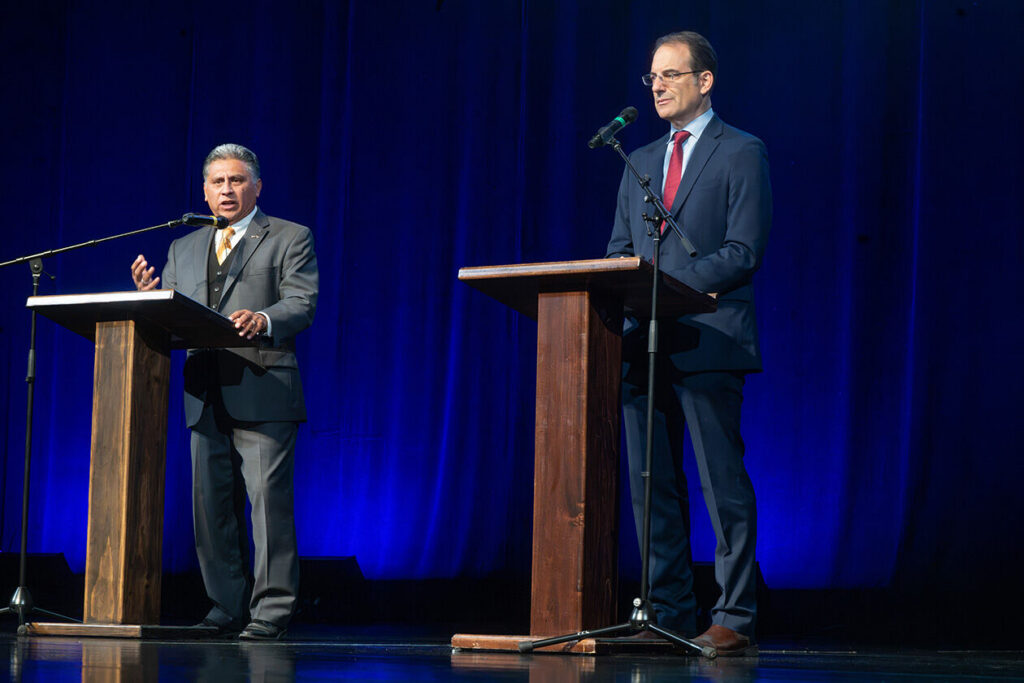
Gubernatorial candidates Phil Weiser, Greg Lopez spar, as Marx skips debate
Deborah Grigsby
deborah.smith@denvergazette.com
Updated 3 hours ago
Two of the candidates for Colorado governor squared off in a televised debate on Thursday night, when Attorney General Phil Weiser, the Democratic nominee, and former U.S. Rep. Greg Lopez, an unaffiliated candidate, delved into issues of affordability, data center...
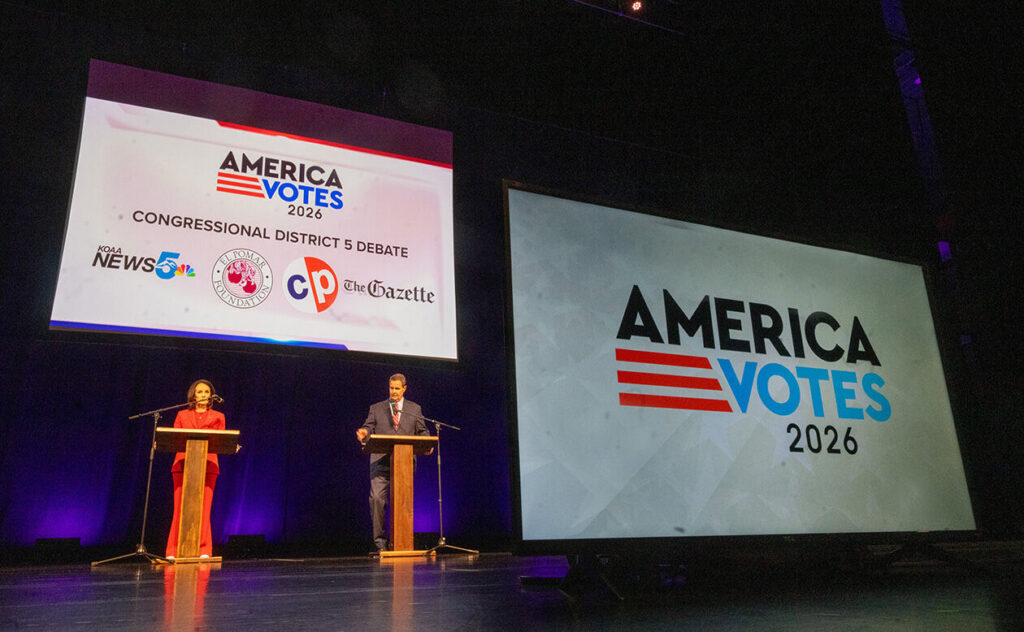
Troops, taxes, war dominate Colorado’s 5th CD debate between Jeff Crank, Jessica Killin
Deborah Grigsby
deborah.smith@denvergazette.com
Updated 4 hours ago
Republican U.S. Rep. Jeff Crank and Democratic challenger Jessica Killin on Thursday night clashed over the war in Iran, the federal budget and healthcare when they took the stage in Colorado Springs for a sold-out debate in the race to...

WATCH: Colorado gubernatorial candidates Phil Weiser, Greg Lopez face off Thursday in televised debate
Ernest Luning
ernest.luning@coloradopolitics.com
Updated 5 hours ago
Two of the candidates for governor of Colorado are set to square off in a televised debate for the first time Thursday night, when Attorney General Phil Weiser, the Democratic nominee, and former U.S. Rep. Greg Lopez, an unaffiliated candidate,...
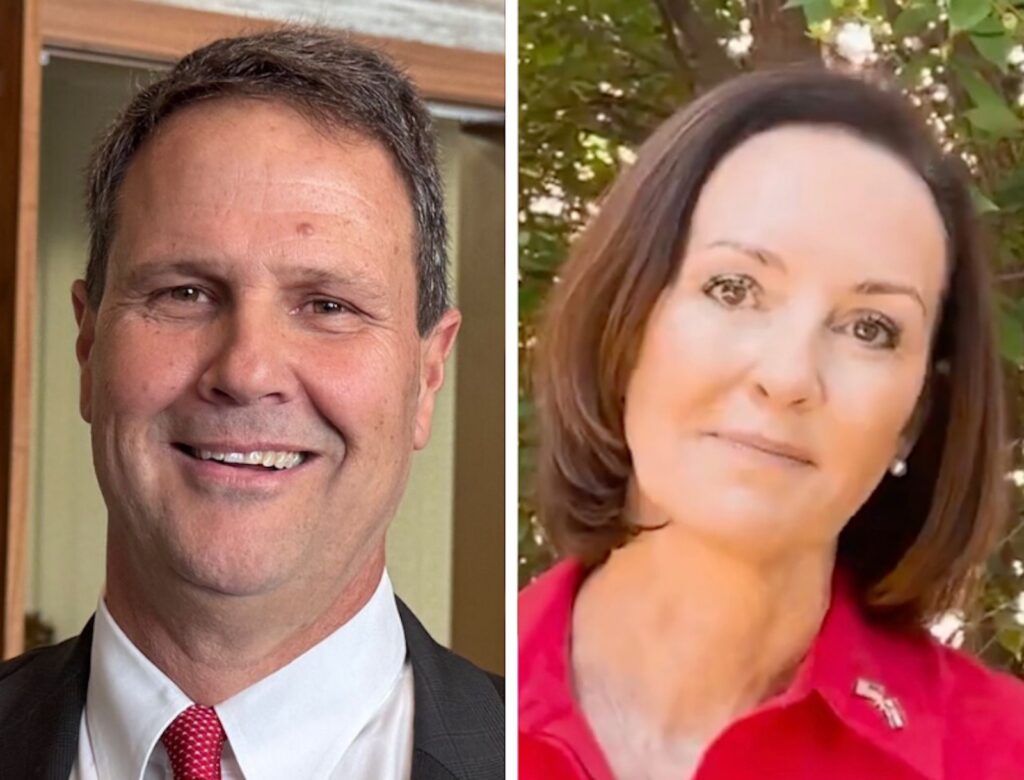
WATCH: Republican US Rep. Jeff Crank, Democratic challenger Jessica Killin debate in Colorado’s 5th CD
Ernest Luning
ernest.luning@coloradopolitics.com
Updated 7 hours ago
Republican U.S. Rep. Jeff Crank and Jessica Killin, his Democratic challenger, are scheduled to meet for a televised debate in the race to represent Colorado’s 5th Congressional District on Thursday night. The candidates are set to take the stage at...
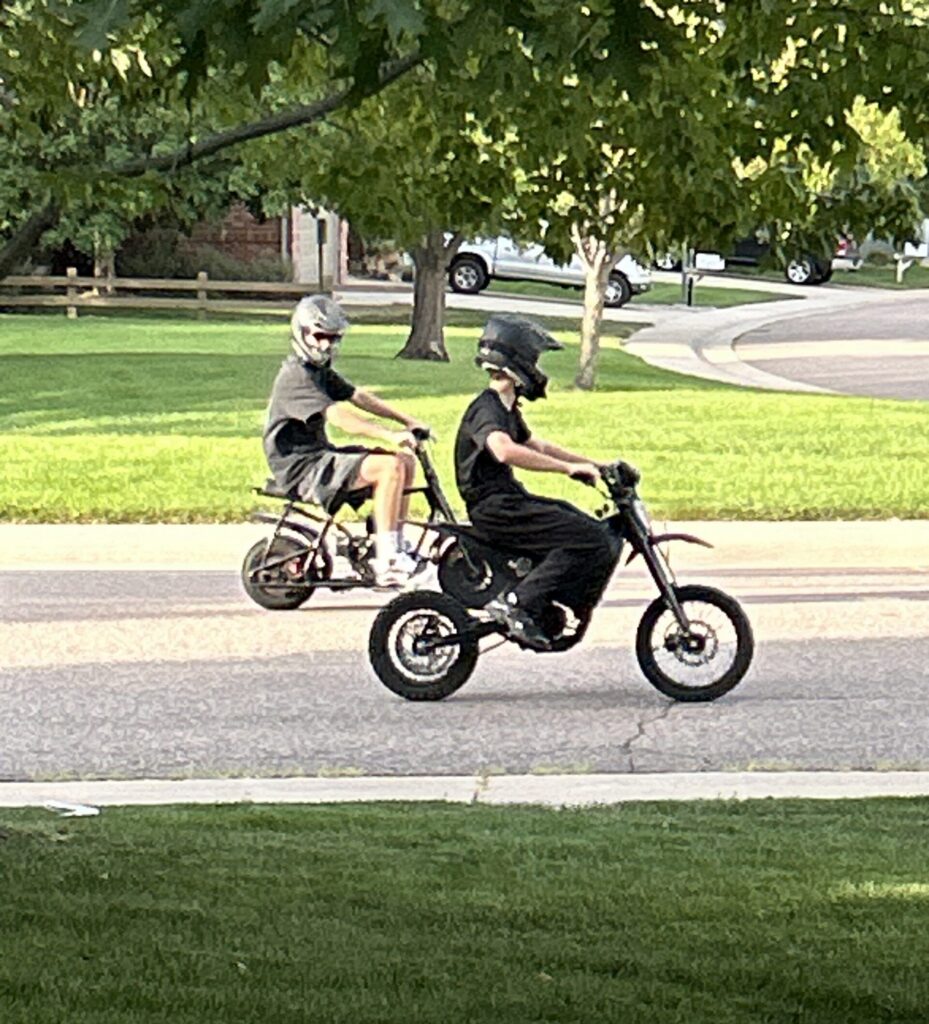
Colorado officials warn of e-bike safety amid increase in serious youth injuries
Matt Kyle
matt.kyle@denvergazette.com
Updated 2 hours ago
Serious injuries involving e-bikes, e-scooters and children have risen significantly in Colorado over the past year and a half. Traumatic injuries involving e-bikes have risen 184%, according to Alicia Melven, Colorado injury prevention and outreach specialist for Children’s Hospital Colorado’s...
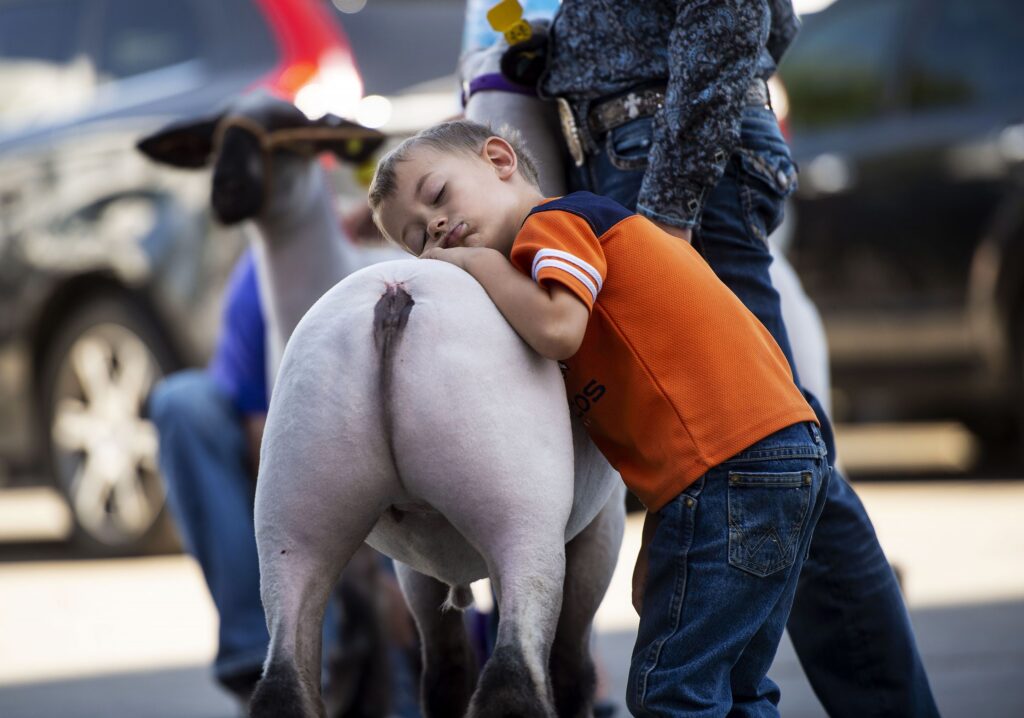
Colorado State Fair youth golf tournament celebrates 11 years
Marianne Goodland
marianne.goodland@coloradopolitics.com
Updated 9 hours ago
Twenty-eight teams tee off Friday at Walking Stick Golf Course in Pueblo for a tournament supporting 4-H, Future Farmers of America and capital improvements at the Colorado State Fair. Now in its 11th year, the Partners of Youth in Ag...

Controversial two-bag furbearer limit heads to CPW meeting under legal threat
Marianne Goodland
marianne.goodland@coloradopolitics.com
Updated 9 hours ago
Next week’s Colorado Parks and Wildlife Commission meeting in La Junta is likely to open under the cloud of threatened legal action. Safari Club International and the Sportsmen’s Alliance Foundation warned the commission this month that its July vote imposing...
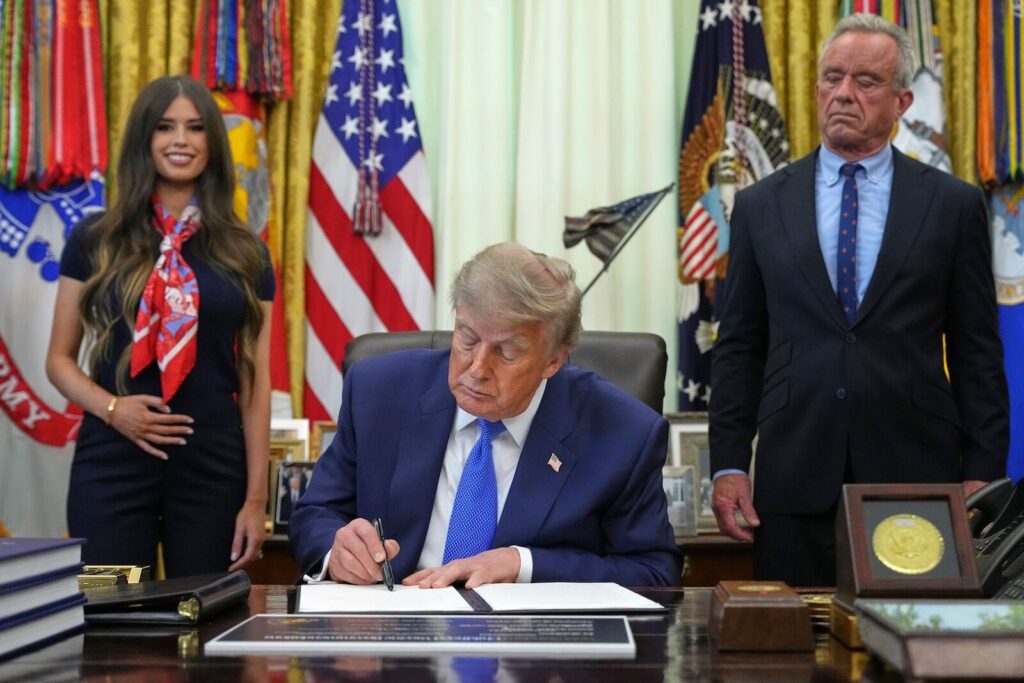
Democratic-aligned poll shows big majority of swing-seat voters support routine childhood vaccines
Ernest Luning
ernest.luning@coloradopolitics.com
Updated 12 hours ago
A new poll conducted by Democratic-aligned groups found that voters in competitive U.S. House districts — including a battleground seat in Colorado — support routine childhood vaccinations by a wide margin and oppose a recent order by President Donald Trump...
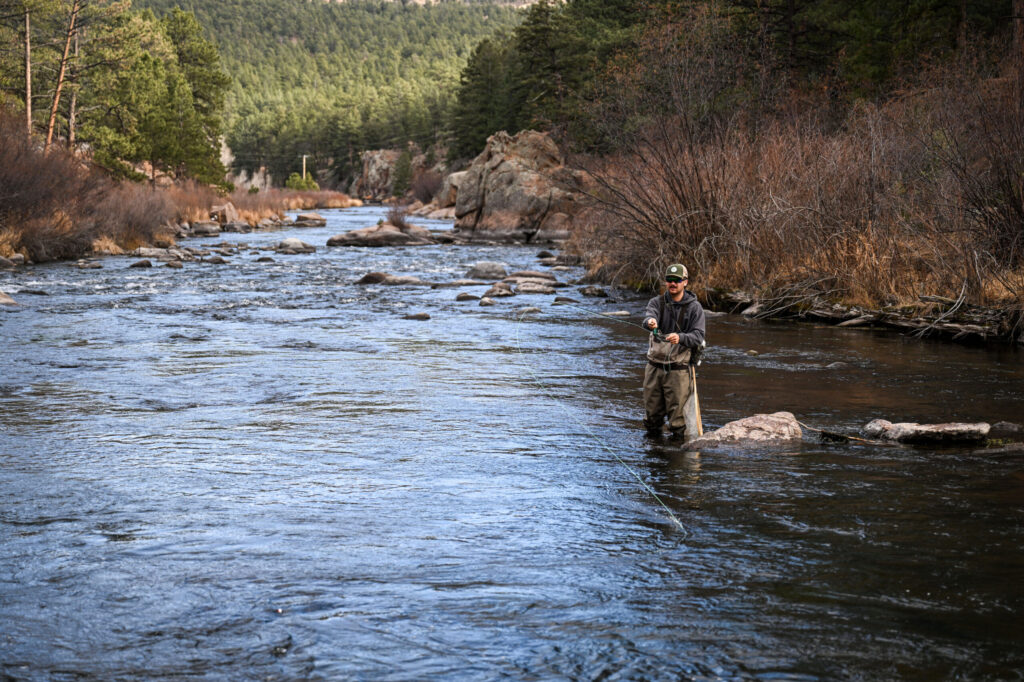
Some Colorado hunters oppose measure establishing constitutional right to hunt, fish proposal, group says
Marissa Ventrelli
marissa.ventrelli@coloradopolitics.com
Updated 6 hours ago
A group that says it represents hunters and anglers from across Colorado announced its opposition to a ballot measure that would establish the right to hunt and fish in Colorado’s constitution, saying it could result in the overturning of bans...
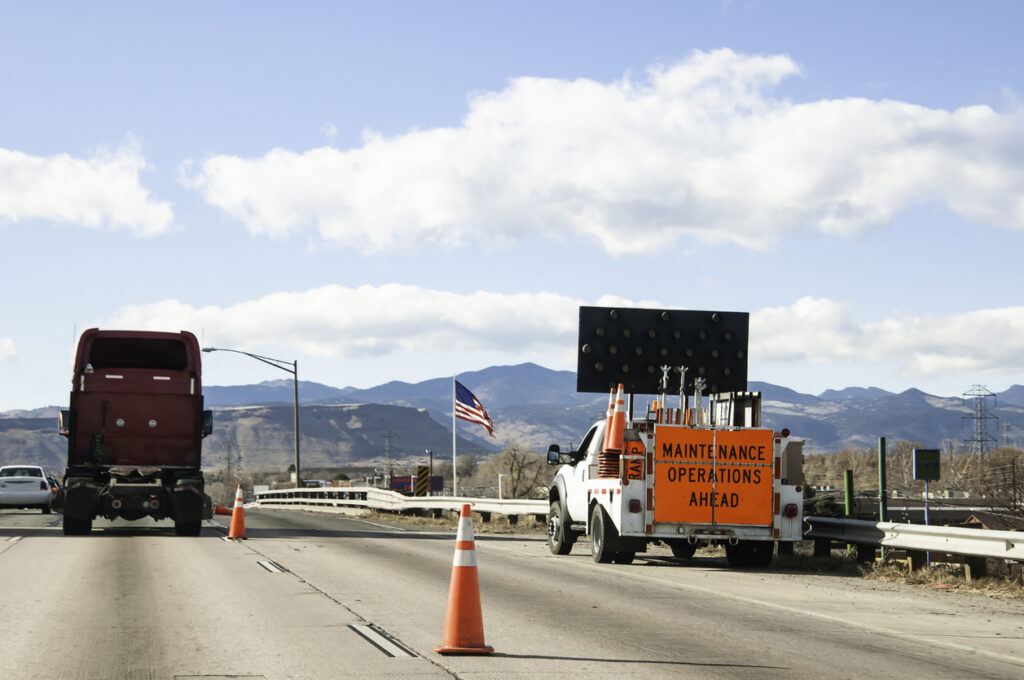
Coalition drops Colorado transportation ballot measure after securing deal
Marissa Ventrelli
marissa.ventrelli@coloradopolitics.com
Updated 7 hours ago
The proposed constitutional amendment seeking to dedicate all transportation-related revenue to Colorado’s roads and bridges will no longer appear in this November’s ballot after its proponents reached an agreement with lawmakers following months of negotiations. Initiative No. 175, backed by...
PREV
PREVIOUS
Kennedy move sets tongues wagging
The announcement earlier this week that Denver’s chief financial officer Cary Kennedy would be stepping down from her city position to start a consulting business had politicos speculating about gubernatorial matters. Kennedy, who lost a bid for re-election as state treasurer in 2010, has been Mayor Michael Hancock’s deputy mayor since 2011 and was one […]
Public lands issues likely to rise again in 2016 session
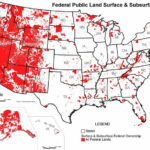
With the ongoing takeover of a federal wildlife refuge in Oregon led by a member of the Bundy family and its allies as a backdrop, several Republican lawmakers in Colorado said they understand frustration with federal government mismanagement of public lands, but they stopped short of committing to more state-control legislation this session. A Colorado […]