

Strode: Lamm discusses ‘duty to die’ remarks, backs legislation on end-of-life options
California is the most recent state to enact a law allowing adults who are terminally ill to request prescriptions to end their lives. State Rep. Joann Ginal, D-Fort Collins, plans to introduce similar legislation in the upcoming legislative session, retooling a bill she sponsored last year that didn’t make it out of committee. In a recent interview with Advocacy Denver’s Catherine Strode, former Gov. Dick Lamm, a Denver Democrat who served three terms from 1975-1987, discusses his support for the legislation and talks about the circumstances surrounding remarks he made in 1984 describing a “duty to die.”
Were you advocating for physician aid in dying when you made the “duty to die” statement?
What I really said [after somebody had used the term “right to die”] is, “We really don’t have a right to die; as Shakespeare said, we all owe God a debt. We don’t have a “right to die.” Then, searching for a word to use, I said a “duty to die,” meaning that we all die. I didn’t say anything about the elderly and the terminally ill. It was just a philosophical statement that everybody who’s born, dies. There’s an awful lot of palliative care that is now being delivered that wasn’t being delivered when I made that statement. There is a new emphasis in America, of which doctor aid in dying is only a part. There is a whole emphasis on hospice and palliative care. People are recognizing the American health care system doesn’t give them a longer life but gives them a longer death. They are thinking through giving people more comfortable ways to make it through their final years.
Do you support the proposed Death with Dignity bill for Colorado? [Ed. Note: Ginal has said she’s taking a slightly different approach this year, calling the bill the Colorado End of Life Options Act.]
I do. I believe people ought to have the right, if they are terminally ill, not to have to suffer through six months of suffering. I believe that our autonomy, our freedom of choice, should include being able to terminate your existence if there is no hope and two doctors certify that you have less than six months to live. I think that’s a good balancing of interests. Yes.
How do you answer those who say freedom of choice in dying shouldn’t be legislated?
That’s a religious difference. The same thing comes up in abortion; the same thing comes up in other places. I think the great thing about America is that there is a variety of religions. We were forged in the freedom of religion and people should be able to follow their own conscious. I’m not trying to persuade anyone else to do physician aid in dying. I want it available. It’s not the kind of thing you would lobby for other people.
How do you answer the disability community’s concern about potential abuse of the bill?
I’m glad they’re there. We’re sailing on unchartered waters here. Even though Oregon has had no such indication, or the other states that have started down this road, it is an issue. I try to approach all these issues with some level of intellectual honesty. When you have something like this, there is the possibility of abuse. I think that’s all the more need to make sure we monitor these things closely. The disability community has a real role in making sure this doesn’t happen. They have to be constantly vigilant and monitoring the situation. But I think that it might be abused is not enough to keep us from doing it. A possibility of abuse doesn’t really stop us from doing a whole bunch of things in public policy. You can’t not build highways because there’s a possibility that drunk people drive on those highways. You have to look at it in the broader context. I do not want to have to die, in pain, when there is something within my conscious that allows me to have physician aid in dying.
Do you think your statement foreshadowed the physician aid-in-dying movement?
I think that it started a whole dialogue on death and dying that was so far beyond any physician aid in dying. It had to do a lot with how we die, to what extent physicians are abusing people to make money by giving people chemotherapy in the last three days of life. I think it is hard for me to see why so much emphasis is made on the possibility of abuse in physician aid in dying when there is so much abuse in just not giving people basic health care. America, I believe, does not have a caring health care system. But it isn’t because we are considering physician aid in dying. It’s because we still don’t cover 20 or 30 million Americans.
The United Kingdom was recently recognized worldwide as the “best place to die.” Are there policies from the United Kingdom you think the United States should adopt?
I sure do. Death and dying is a good place to start. In Great Britain, they try to make sure people have the chance to die in their own home where 80 percent of Americans die in a hospital or nursing home. They really care about people. Everybody has a general practitioner in Great Britain. They make sure there is a doctor that visits people regularly, cared for by a system that does not emphasize high technology or desperate measures but allows people to die in peace.
Catherine Strode, MPA, is Advocacy Denver’s policy and outreach specialist.


Colorado Politics Calendar Aug. 3-9
Rachael Wright, Special to Colorado Politics
rachael.wright@coloradopolitics.com
Updated 3 days ago
CoPo’s weekly political calendar will help you find political and public-policy events throughout Colorado. It includes candidate and issue campaign events, public policy meetings, court hearings, state and local party conventions, assemblies, debates, rallies, parades, speaking engagements, traveling dignitary appearances,...

The primary political reform and precondition for all others | SONDERMANN
Eric Sondermann
eric-sondermann@coloradopolitics.com
Updated 3 days ago
In its current state, the American political system has no end of ailments. Far too many factors accelerate polarization and work against moderation and narrowing the differences. Media, and the way so many citizens limit themselves to agreeable, reinforcing sources,...
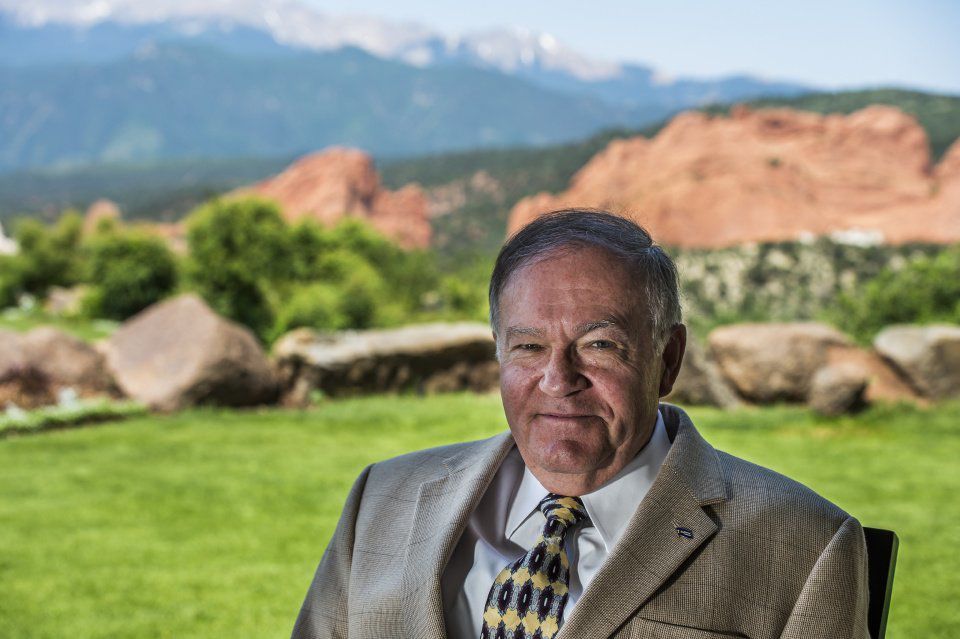
Susemihl wins surprise victory to replace Steve Durham as Colorado Springs state senator | A LOOK BACK
Rachael Wright, Special to Colorado Politics
rachael.wright@coloradopolitics.com
Updated 3 days ago
Forty-five years ago this week: In a closed session, the vacancy committee for Colorado’s Senate District 12 selected attorney Peter Susemihl to complete Sen. Steve Durham’s, R-Colorado Springs, term. Durham resigned his seat to become Region 8 Director of the...

10th Circuit partially revives lawsuit over 2020 Denver protest injuries
Michael Karlik
michael.karlik@coloradopolitics.com
Updated 16 hours ago
The Colorado-based federal appeals court revived a man’s claims against Denver on Friday after concluding a trial judge resolved the case in the city’s favor without analyzing two of the three instances of alleged excessive force and other constitutional violations....

Federal judges find Colorado immigration judge violated several orders
Michael Karlik
michael.karlik@coloradopolitics.com
Updated 17 hours ago
Multiple federal judges in Colorado have freed people from immigration custody after determining that one immigration judge violated their directives for properly conducting bond hearings. For nearly a year, Colorado’s U.S. District Court has faced a flood of “habeas corpus” petitions...
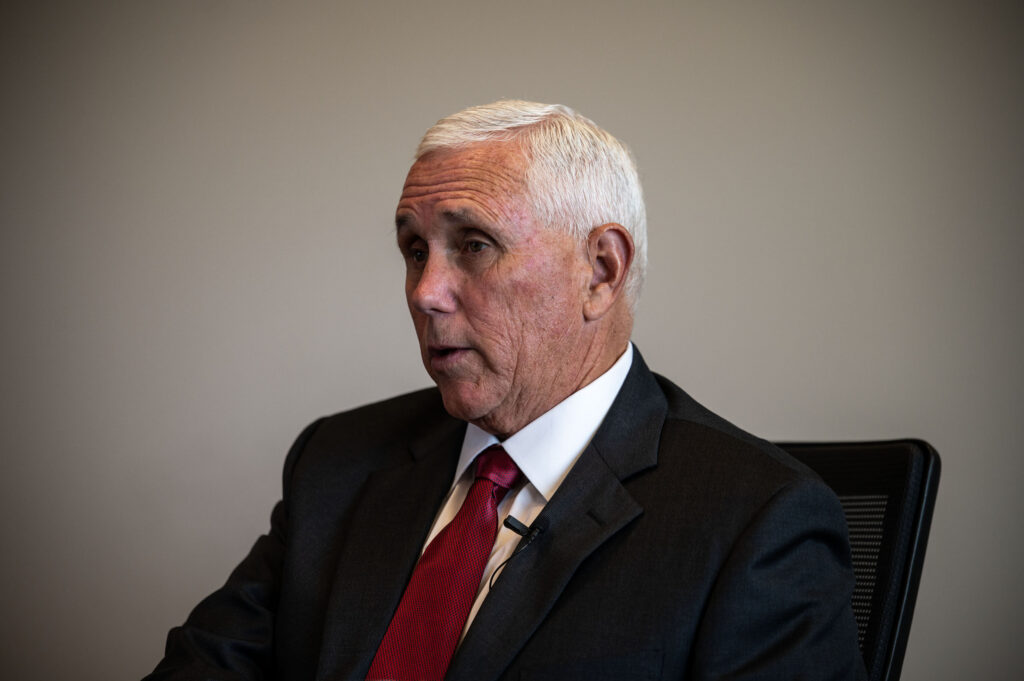
Q&A with Mike Pence | Former vice president says GOP’s populist turn from conservatism isn’t permanent
Ernest Luning
ernest.luning@coloradopolitics.com
Updated 17 hours ago
Former Vice President Mike Pence says he’s concerned that the Republican Party has taken a populist turn away from bedrock conservative principles during President Donald Trump’s second term, but he believes the party will return to its roots when Trump...

New federal plan sets short-term rules for Colorado River management
Marianne Goodland
marianne.goodland@coloradopolitics.com
Updated 16 hours ago
Interior Department’s plan spares Colorado from mandatory cuts for now After years of stalled negotiations among the seven states that rely on the Colorado River, the federal government on Friday released its own plan for managing the drought-strained system. Calling...
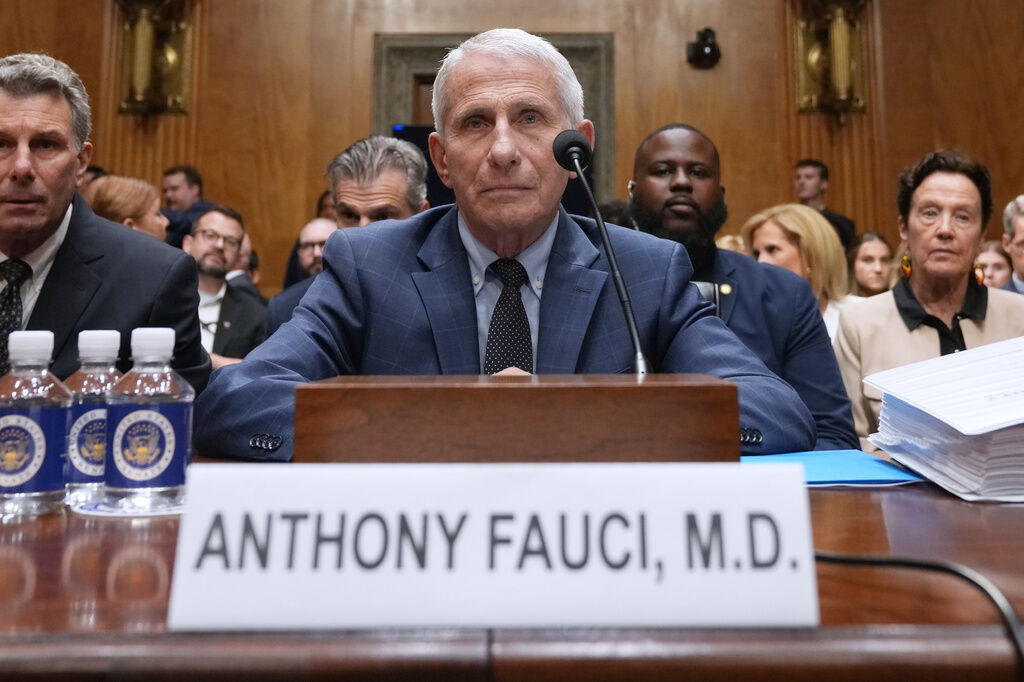
Fauci’s diary details blooming outrage toward ‘far right,’ softness toward Biden and China
Hudson Crozier
hudson.crozier@washingtonexaminer.com
Updated 21 hours ago
Dr. Anthony Fauci increasingly railed against “far right” critics of his approach to COVID-19 issues while describing strong support from the Biden White House in his pandemic-era diary, which was recently released by Congress. The former National Institute of Allergy...

Colorado is spared mandatory cuts under federal Colorado River proposal
The Associated Press
the-associated-press@coloradopolitics.com
Updated 22 hours ago
California, Arizona and Nevada to take less water under plan While Colorado has been spared from mandatory reductions, Arizona, California and Nevada would take less water from the Colorado River under a proposal announced Friday by the federal government to...

Republican Victor Marx taps George Markert as his lieutenant governor pick in Colorado’s gubernatorial race
Ernest Luning
ernest.luning@coloradopolitics.com
Updated 15 hours ago
Colorado Republican gubernatorial nominee Victor Marx named George Markert, a retired Marine colonel, as his running mate for lieutenant governor Friday morning, saying the former U.S. Senate candidate will bring “exceptional character, proven leadership and a lifetime of serving others”...