

Carl Williams helped revive state Republicans in 1970s
A true giant in Colorado Republican history has passed away. Carl Williams, a pioneer in the cable industry, noted aviation enthusiast and philanthropist died on Nov. 27. He was 87. He served one term as a Republican state senator in the late 1960s. Williams left an indelible mark on state politics with his tenure as Colorado Republican state chairman during the 1976 election cycle.
Colorado Republicans were decimated in 1974 in the aftermath of the Watergate scandal, when an entire generation of Republican leaders who had dominated Colorado politics during the 1960s and early 1970s were swept away. It actually started in 1972, when three-term U.S. Sen. Gordon Allott was upset by an anti-Vietnam war Democrat, Floyd Haskell, who had been a Republican state legislator but switched parties after President Nixon started bombing Cambodia. The immensely popular Gov. John Love who had been elected three times, resigned in 1973 to take a job as Nixon’s “energy czar,” which only lasted a few months. But the bottom really fell out in 1974 when Dick Lamm unseated Republican Gov. John Vanderhoof, who had succeeded Love. Gary Hart, who was campaign manager for George McGovern’s ill-fated 1972 presidential campaign, unseated two-term incumbent U.S. Sen. Peter Dominick. Republicans lost control of the Colorado House and retained only an 18-17 majority in the state Senate. The only statewide office that Republicans were able to hold was secretary of state with Mary Estill Buchanan.
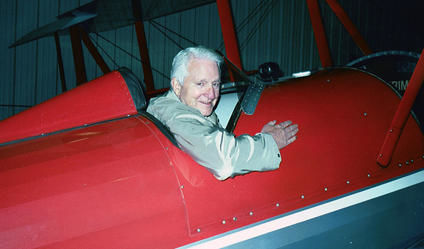
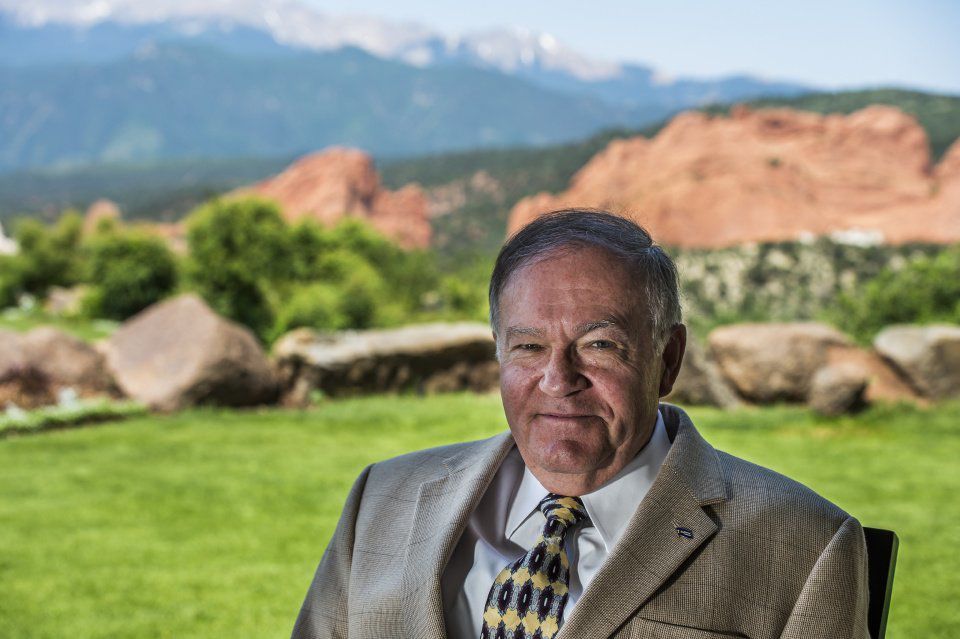
Carl Williams, a former chairman of the Colorado Republican Party, sits inside a 1929 Alexander Eaglerock. The aviation aficionado restored the airplane himself. Photo courtesy Airplane Journals

Against this backdrop, Carl Williams was elected chairman of a very dispirited state party in 1975 in a heavily contested election. But under his leadership — the state party was much more empowered in the 1970s before “campaign finance reform” emasculated state parties — Colorado Republicans in 1976 were swept into a large majority in the House and increased the Senate majority and President Gerald Ford won Colorado over Jimmy Carter. It also set the stage for Bill Armstrong’s election to the U.S. Senate in 1978, when he unseated Haskell.
Carl will also be remembered for presiding over one of the most contentious state conventions in Colorado political history in 1976 at Moby Gym on the Colorado State University campus in Fort Collins. President Ford and former California Gov. Ronald Reagan had been engaged in a long slugfest and the nomination was still in doubt when Colorado Republicans gathered in July 1976, just weeks before the Republican National Convention in Kansas City in late August. Incredibly, Moby Gym was not air conditioned in 1976, so it became stiflingly hot on that July day, and emotions and tempers by the respective presidential campaigns were just as high.
While President Ford decided not to address the convention, Governor Reagan did do so, and he electrified the Reagan delegates with a powerful speech that resulted in one of the most interesting moments of the 1976 campaign. Towards the end of Reagan’s speech, Chairman Williams approached the podium and told Reagan his time was up. Reagan disagreed and continued talking to the loud cheers of Reagan supporters and boos by Ford supporters. It remains unclear to this day who was right, but a few years later when Reagan traveled to Colorado to speak to a Republican dinner, Williams good-naturedly presented Reagan with an engraved stopwatch and they buried the hatchet.
It was my honor and pleasure to get to work with Chairman Williams after no one wanted to serve as Bent County Republican chairman in 1975, so they elected the only guy who would take the job, a 19-year old college student who had volunteered during the 1974 campaign. I sought his advice and counsel during my tenure as state chairman.
Dick Wadhams served two terms as chairman of the Colorado Republican Party.

Top officials in Arizona’s Maricopa County agree on how to oversee elections | OUT WEST ROUNDUP
The Associated Press
the-associated-press@coloradopolitics.com
Updated 5 days ago
ARIZONA Officials agree on election oversight PHOENIX — Election officials in Arizona’s most populous county reached an agreement a week before the state’s July 21 primary on how to jointly oversee the vote, ending a prolonged legal battle. Republican Maricopa...
Colorado Politics Calendar Aug. 3-9
Rachael Wright, Special to Colorado Politics
rachael.wright@coloradopolitics.com
Updated 5 days ago
CoPo’s weekly political calendar will help you find political and public-policy events throughout Colorado. It includes candidate and issue campaign events, public policy meetings, court hearings, state and local party conventions, assemblies, debates, rallies, parades, speaking engagements, traveling dignitary appearances,...
The primary political reform and precondition for all others | SONDERMANN
Eric Sondermann
eric-sondermann@coloradopolitics.com
Updated 5 days ago
In its current state, the American political system has no end of ailments. Far too many factors accelerate polarization and work against moderation and narrowing the differences. Media, and the way so many citizens limit themselves to agreeable, reinforcing sources,...
Susemihl wins surprise victory to replace Steve Durham as Colorado Springs state senator | A LOOK BACK
Rachael Wright, Special to Colorado Politics
rachael.wright@coloradopolitics.com
Updated 5 days ago
Forty-five years ago this week: In a closed session, the vacancy committee for Colorado’s Senate District 12 selected attorney Peter Susemihl to complete Sen. Steve Durham’s, R-Colorado Springs, term. Durham resigned his seat to become Region 8 Director of the...
10th Circuit partially revives lawsuit over 2020 Denver protest injuries
Michael Karlik
michael.karlik@coloradopolitics.com
Updated 17 hours ago
The Colorado-based federal appeals court revived a man’s claims against Denver on Friday after concluding a trial judge resolved the case in the city’s favor without analyzing two of the three instances of alleged excessive force and other constitutional violations....
At conservative summit, Colorado Republican leaders concede Democrats’ election edge
Marissa Ventrelli
marissa.ventrelli@coloradopolitics.com
Updated 2 days ago
Four Republican state lawmakers told attendees at a gathering of conservative leaders on Friday they doubt their party can win statewide races, noting that Colorado’s electorate has been shifting toward Democrats but adding they see an opening in several pockets....

Federal judges find Colorado immigration judge violated several orders
Michael Karlik
michael.karlik@coloradopolitics.com
Updated 2 days ago
Multiple federal judges in Colorado have freed people from immigration custody after determining that one immigration judge violated their directives for properly conducting bond hearings. For nearly a year, Colorado’s U.S. District Court has faced a flood of habeas corpus petitions...
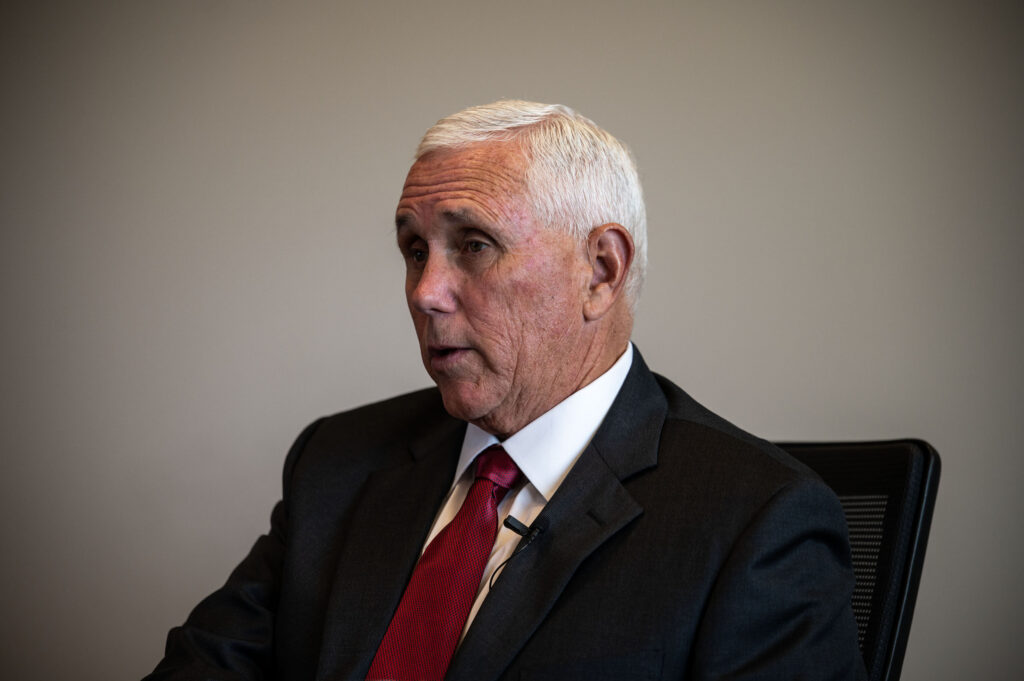
Q&A with Mike Pence | Former vice president says GOP’s populist turn from conservatism isn’t permanent
Ernest Luning
ernest.luning@coloradopolitics.com
Updated 2 days ago
Former Vice President Mike Pence says he’s concerned that the Republican Party has taken a populist turn away from bedrock conservative principles during President Donald Trump’s second term, but he believes the party will return to its roots when Trump...
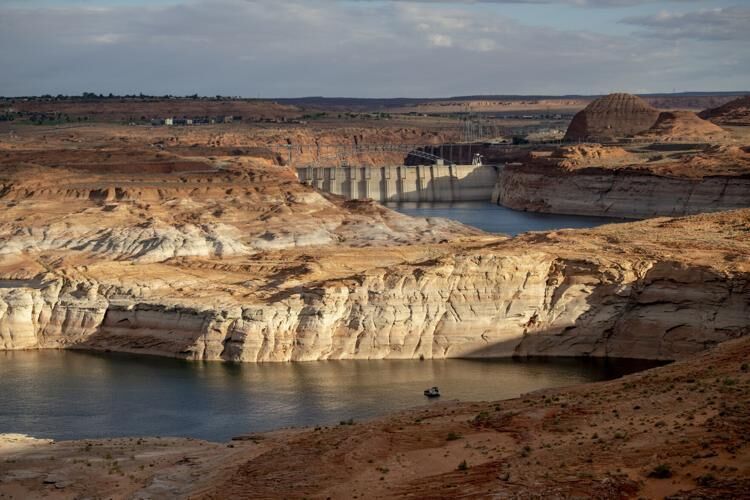
New federal plan sets short-term rules for Colorado River management
Marianne Goodland
marianne.goodland@coloradopolitics.com
Updated 3 days ago
Interior Department’s plan spares Colorado from mandatory cuts for now After years of stalled negotiations among the seven states that rely on the Colorado River, the federal government on Friday released its own plan for managing the drought-strained system. Calling...
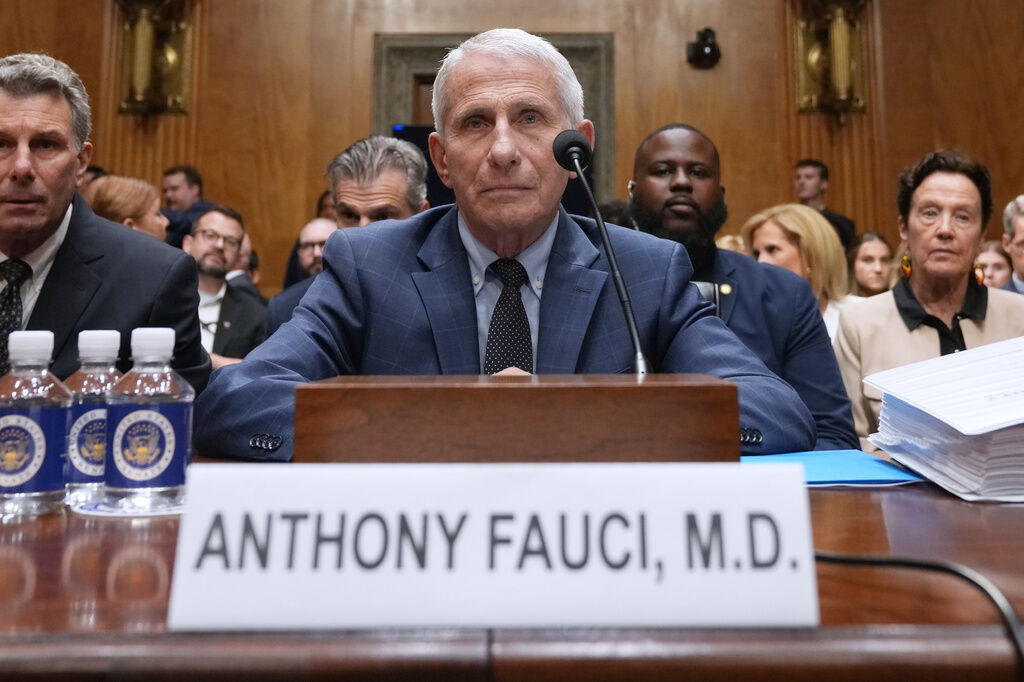
Fauci’s diary details blooming outrage toward ‘far right,’ softness toward Biden and China
Hudson Crozier
hudson.crozier@washingtonexaminer.com
Updated 3 days ago
Dr. Anthony Fauci increasingly railed against “far right” critics of his approach to COVID-19 issues while describing strong support from the Biden White House in his pandemic-era diary, which was recently released by Congress. The former National Institute of Allergy...
PREV
PREVIOUS

Supreme Court denies Hickenlooper on Clean Power Plan dispute with Coffman
The Colorado Supreme Court on Thursday denied a petition by Gov. John Hickenlooper questioning the legality of Attorney General Cynthia Coffman joining a multi-state lawsuit to block the EPA’s Clean Power Plan. In denying Hickenlooper’s petition by a 5-2 margin, the Supreme Court said the governor already has an “adequate alternative remedy” and cited Salazar […]
Denver move could spur state action on construction defect statutes
Supporters of legislation aimed at making it harder for condominium owners to sue developers — backers say it would spur construction amid a statewide affordable-housing crisis — sounded a note of optimism this week amid word that Democratic House Speaker Dickey Lee Hullinghorst, who blocked legislation earlier this year, is holding talks with groups pushing […]