

Rep. Klingenschmitt distributes controversial letter to colleagues
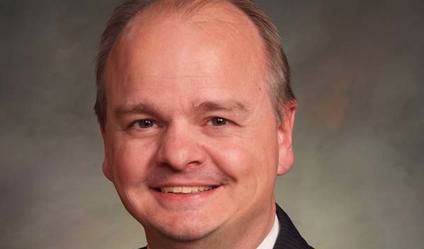
A two page, single spaced letter from one legislator became the talk of the Capitol this week.
On Tuesday, the House voted 35 to 29, with Rep. Dan Thurlow, R-Grand Junction, siding with the Democratic caucus, to pass House Bill 15-1175. The bill would have prohibited state-licensed therapists, psychiatrists and other mental health professionals from providing gay conversion therapy for minors under the age of 18.
“I know this is difficult for some of you,” sponsor Rep. Paul Rosenthal, D-Denver, told his House colleagues last week during second reading. “It’s a deeply personal subject. But that’s what being gay, lesbian, bisexual or transgendered is. It’s deeply personal…It’s part of how you’re born and there’s no changing it, no matter how much you want to or want someone to help you do it.”
House Minority Leader Rep. Brian DelGrosso, R-Loveland, led the Republican arguments against the bill during second reading on March 6. DelGrosso raised concerns that the bill was too broad and would hinder therapists from being able to discuss sexual orientation with their clients.
But it was who didn’t speak in the House well who may have ended up having the loudest voice.
Between last Friday and the bill’s third reading vote Tuesday, Rep. Gordon Klingenschmitt, R-Colorado Springs, made his opinion clearly known. Klingenschmitt is not a member of the House committee that heard the bill in February, nor did he speak on the bill last week or during third reading. Instead, he wrote a letter, which he distributed to all 65 members of the House on Monday.
In his letter, Klingenschmitt said the bill had four problems. It intentionally prohibits some kinds of free speech, he argued. “Psychotherapists must talk to do their job. Words are their only tools. So when you ban certain kinds of talk therapy, you are banning certain illegal combinations of words…” The bill also takes away parental rights, he said, implying the government is smarter than trained doctors. It would limit medical options, stifle important medical communication and threaten a parent’s fundamental right to decide what is best for their minor child.
The letter also claimed HB 1175 would make private medical conversations illegal and it would indirectly restrict religious freedom, by making some voluntary religious conversions illegal. Klingenschmitt said the bill implied a person would be able to “choose whom you want to have sex with.”
Klingenschmitt also claimed the bill targeted bisexual, transgendered and those who question their sexual orientation. The bill, according to the letter, would punish the psychologist for talking about conversion every time “a transgender wants to change their gender identity.”
In this bill Democrats “want Big Government to come into your doctor’s office and then into your bedroom. They will mandate in state law that you, forever, must only have sex the same way you did yesterday, and that nobody can ever talk with a counselor about having sex a different way in the future…” he wrote. Finally, he claimed the bill would threaten freedom of the press. Psychotherapists would not be able to distribute books about conversion. “There is a manual for conversion therapy. Many of you, when you swore your oath to defend the constitution, raised your right hand to God, and you placed your left hand on that book,” implying the bill would ban the Bible.
Rosenthal told The Colorado Statesman Tuesday that he viewed the letter more as a rant than a speech, but also said the letter typifies some of the attitudes that his bill is designed to address. The letter “typifies the ignorance about LGBT issues, about growing up as an LGBT child, and how difficult that is, even in America today, the challenges children face with their identity and coming to terms with who they are, and how hard it is for parents. Hopefully this bill will help [parents] help their children come to terms with who they are and their identities.”
Rosenthal said he likes Klingenschmitt personally, but “I just don’t think this kind of document is helpful to the conversation. It’s divisive and upsetting, particularly to the LGBT members of the Legislature.”
Will the letter affect the chances of HB 1175 getting through the Senate? Rosenthal said he hopes the Senate will take a positive, fresh look at the bill, regardless of what happened when it was in the House. “My hope is that they will have a positive outlook on it,” he said.
But Klingenschmitt’s choice to write a letter, rather than speaking on the House floor, was more about Republicans not wanting him to vocalize opinions that weren’t necessarily shared by the rest of the Republican caucus and potentially embarrassing to the caucus.
DelGrosso told The Colorado Statesman Tuesday that “when you speak on third reading, you’re speaking on behalf of the caucus. I believe [the letter] was his way of saying ‘this is where I, Rep. Klingenschmitt’ feel on this issue.”
DelGrosso said the caucus had “legitimate issues” with the bill but did not share the same positions that Klingenschmitt expressed in his letter. “I was the one speaking on second reading, and I made the [caucus’s] legitimate concerns with the bill,” DelGrosso said. “I asked him to not speak on behalf of the caucus, and if he had specific views, he needed to figure out how to [express them].”
Klingenschmitt told The Statesman Tuesday that the message was directed to the other members of the House and that it was “adequate” to put it on paper. “But I am also part of a team,” he said. “I don’t personally want to speak for other members, my thoughts are my own thoughts. But I also don’t want to be disruptive to the goals of the team.”
Speaker of the House Dickey Lee Hullinghorst, D-Boulder, told The Statesman she would have granted Klingenschmitt permission to speak on third reading had he asked.
– Marianne@coloradostatesman.com


Colorado Politics Calendar July 27-Aug. 2
Rachael Wright, Special to Colorado Politics
rachael.wright@coloradopolitics.com
Updated 4 days ago
CoPo’s weekly political calendar will help you find political and public-policy events throughout Colorado. It includes candidate and issue campaign events, public policy meetings, court hearings, state and local party conventions, assemblies, debates, rallies, parades, speaking engagements, traveling dignitary appearances,...
The through line from Donald Trump to Victor Marx | SONDERMANN
By Eric Sondermann
by-eric-sondermann@coloradopolitics.com
Updated 4 days ago
Over 10 years ago, before Donald Trump could ever defeat Hillary Rodham Clinton, he had to first engineer a hostile takeover of the Republican Party. Prior to his descent of that golden escalator, the previous seven Republican presidential nominees had...

Colorado districts prepare for school year amid mental health cuts. But will less cellphone distractions help?
Marissa Ventrelli
marissa.ventrelli@coloradopolitics.com
Updated 2 days ago
The signs of a new school year are everywhere — buses in the shop, teachers unpacking boxes, families ticking through supply lists — but behind the familiar rituals, Colorado districts are preparing for a year defined less by routine than...
Armstrong staffer considers congressional bid, DeGette angers rural communities with wilderness act | A LOOK BACK
Rachael Wright, Special to Colorado Politics
rachael.wright@coloradopolitics.com
Updated 3 days ago
Forty-five years ago this week: If the lines were drawn just right, Republican Sen. Bill Armstrong stood the chance of losing his office manager, Ruth Fountain. Fountain admitted she was seriously thinking about running for Colorado’s new congressional seat in...
10th Circuit dismisses woman’s lawsuit following 10-year attempt to undo restraining order
Michael Karlik
michael.karlik@coloradopolitics.com
Updated 2 days ago
The Denver-based federal appeals court rejected a woman’s challenge on Friday to a restraining order imposed on her more than a decade ago, finding that she cannot credibly claim she will be prosecuted for violating the restraining order through her...
10th Circuit dismisses woman’s lawsuit following 10-year attempt to undo restraining order
Michael Karlik
michael.karlik@coloradopolitics.com
Updated 2 days ago
The Denver-based federal appeals court rejected a woman’s challenge on Friday to a restraining order imposed on her more than a decade ago, finding that she cannot credibly claim she will be prosecuted for violating the restraining order through her...
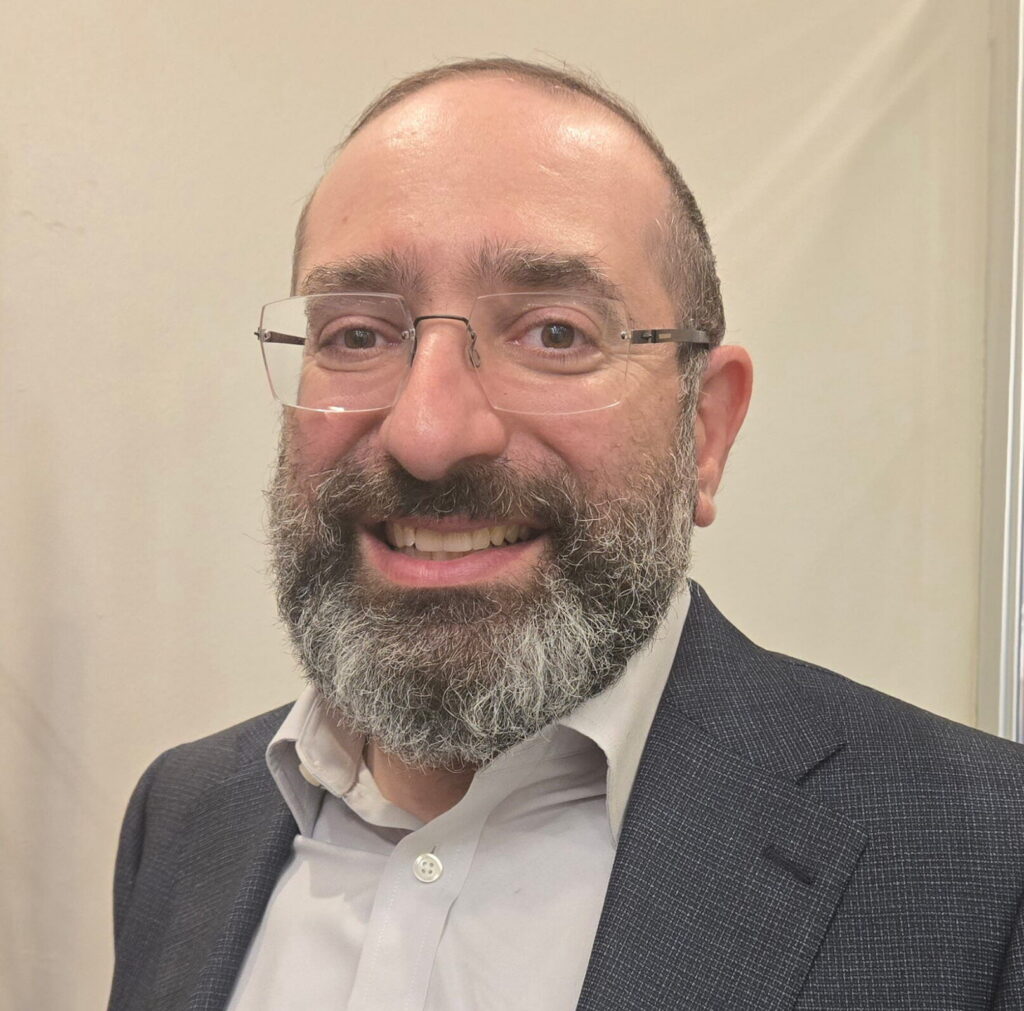
Surprise candidate Shimon Blau cleared to face off against Melat Kiros in November
Ernest Luning
ernest.luning@coloradopolitics.com
Updated 2 days ago
Unaffiliated congressional candidate Shimon Blau, a Denver doctor, has qualified by petition for the general election in Colorado’s 1st District, where Democrat Melat Kiros defeated 15-term U.S. Rep. Diana DeGette in last month’s primary, the Colorado Secretary of State’s Office...

Colorado produce not tied to nationwide cyclospora outbreak, agriculture officials say
Marissa Ventrelli
marissa.ventrelli@coloradopolitics.com
Updated 1 day ago
There is no indication that the recent outbreak of cyclospora, a fecal parasite that has contaminated food and water across nearly every state, can be linked to produce grown in Colorado, according to the state’s Department of Agriculture. “Colorado growers...

UNC opens College of Osteopathic Medicine
Marissa Ventrelli
marissa.ventrelli@coloradopolitics.com
Updated 2 days ago
The University of Northern Colorado held a grand opening for its new College of Osteopathic Medicine on Friday, with Gov. Jared Polis in attendance to celebrate the culmination of a two-year, $127.5 million project. The project was funded through legislation...
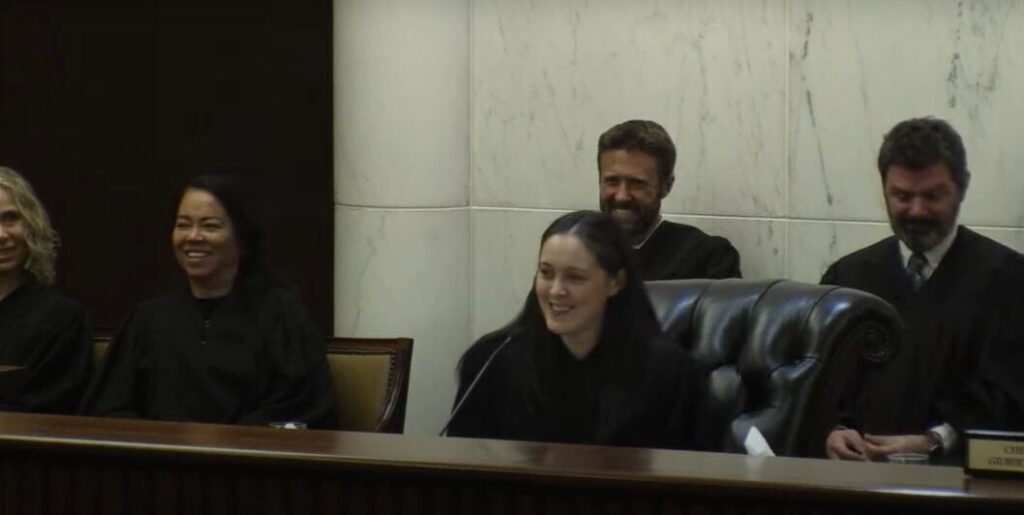
Colorado equal pay law does not require plaintiffs to allege gender-based retaliation, appeals court finds
Michael Karlik
michael.karlik@coloradopolitics.com
Updated 21 hours ago
The 2019 Colorado law aimed at rooting out pay discrimination on the basis of sex does not require a plaintiff to allege their employer retaliated against them for sex- or gender-related reasons, the state’s second-highest court decided on Thursday. Lawmakers...
PREV
PREVIOUS
CHATTER: Thurlow votes excite recall talk
Our sources tell us rookie GOP Rep. Dan Thurlow’s recent votes have already incited talk of a recall among the hard-cores, a full three months before the move can start up. Seems the Mesa County lawmaker has been throwing in with – gasp! – Democrats on some House votes lately, raising the ire of […]

CU Pioneer Emerita Susan Kirk will be missed
Leader. Mentor. Public Servant. Philanthropist. Friend. Susan Kirk. This month the City of Denver and the University of Colorado lost one of its great advocates with the passing of Regent Emerita Susan Kirk. Susan served on the Board of Regents from 1992 to 2004 and she commanded the respect of all who encountered her: from […]