

miranda v. arizona
-
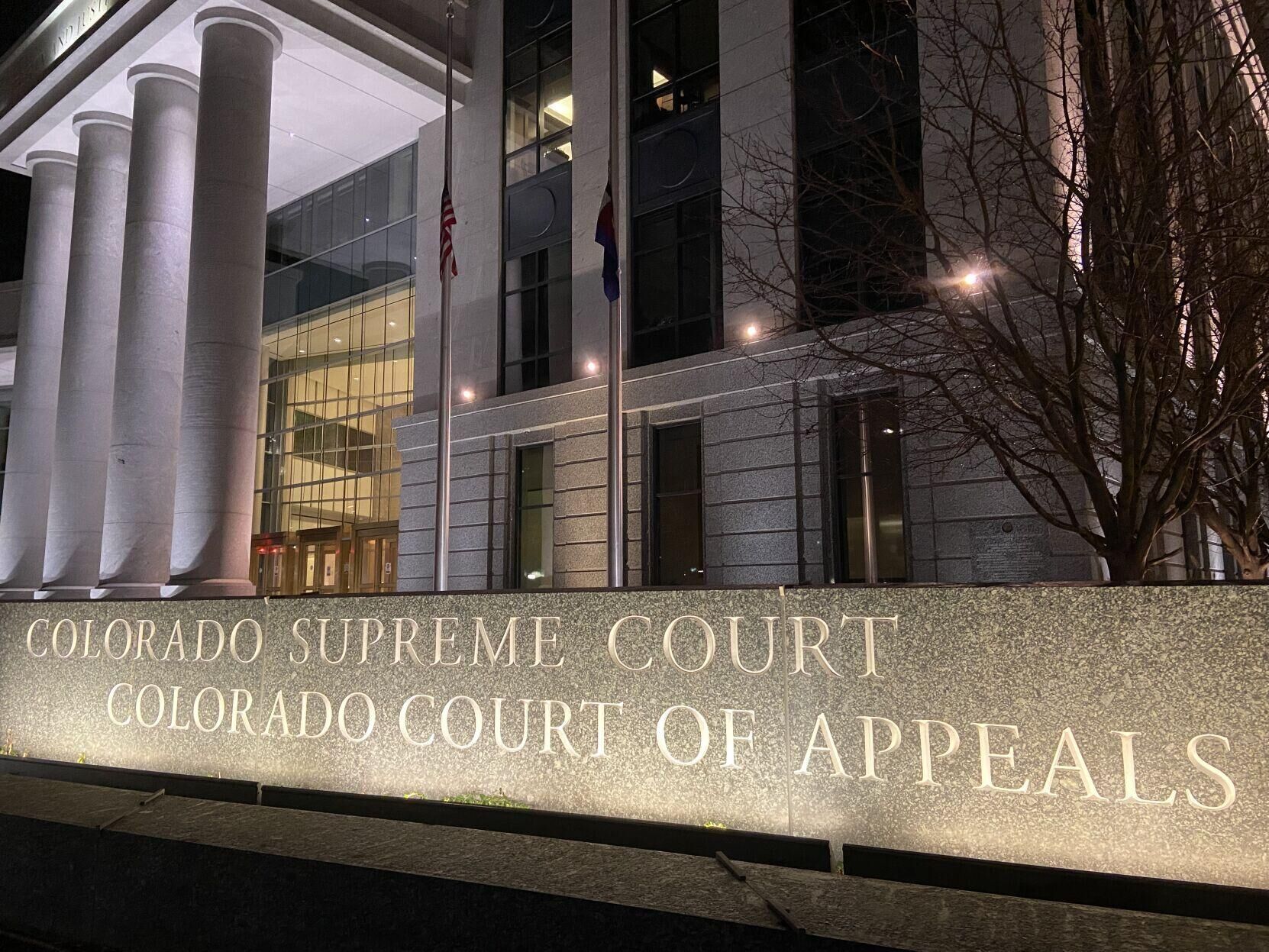
Boulder County prosecutor improperly used defendant’s silence as guilt, appeals court finds
—
by
Colorado’s second-highest court reversed a Boulder County defendant’s sexual assault conviction last week after concluding that a trial judge should have intervened to stop the prosecutor from inappropriately using the man’s constitutional right to silence to suggest he was guilty. Prosecutors charged Charles G. Higdon III with two counts of sexual assault. Jurors acquitted him…
-
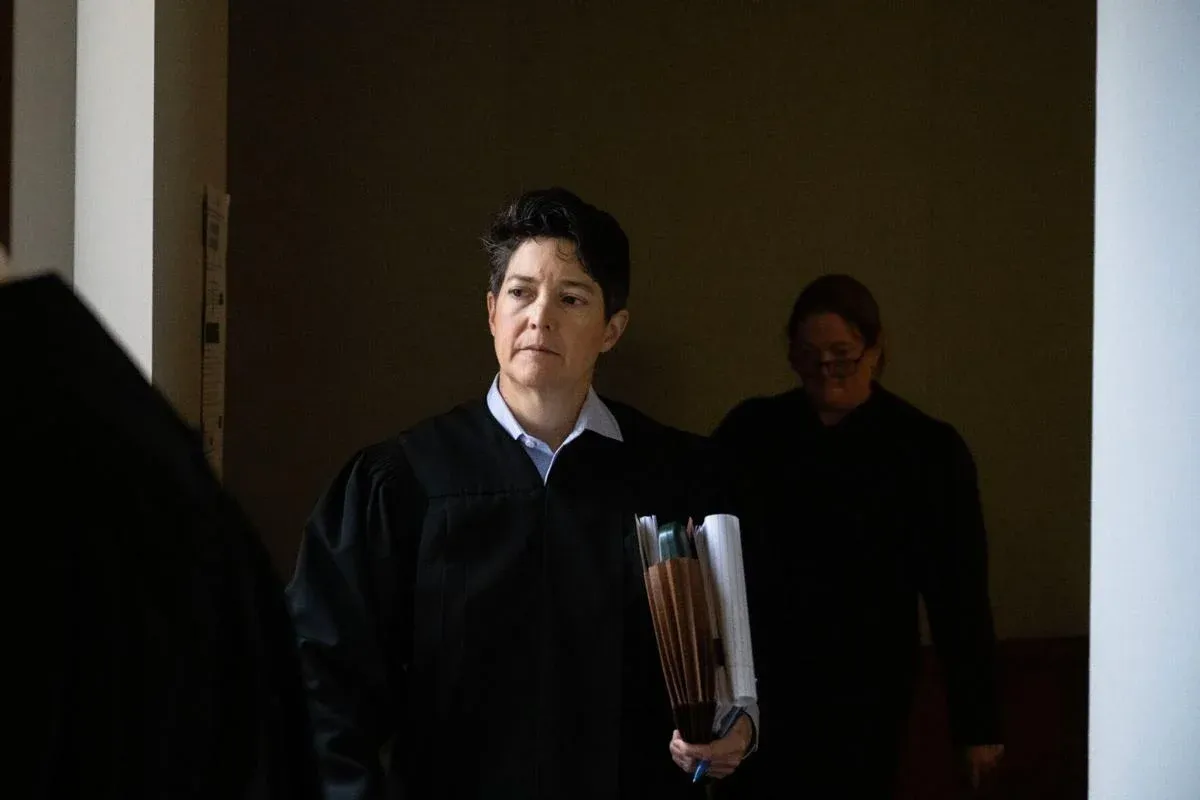
Divided Colorado Supreme Court finds Denver detective did not violate defendant’s Miranda rights
—
by
The Colorado Supreme Court determined on Monday that a Denver detective did not improperly resume questioning of a defendant in custody after he invoked his right to counsel. By 4-3, the justices reversed a trial judge’s order that found a violation of Dakotah J. Lulei’s Miranda rights. The Supreme Court’s majority based its decision on…
-
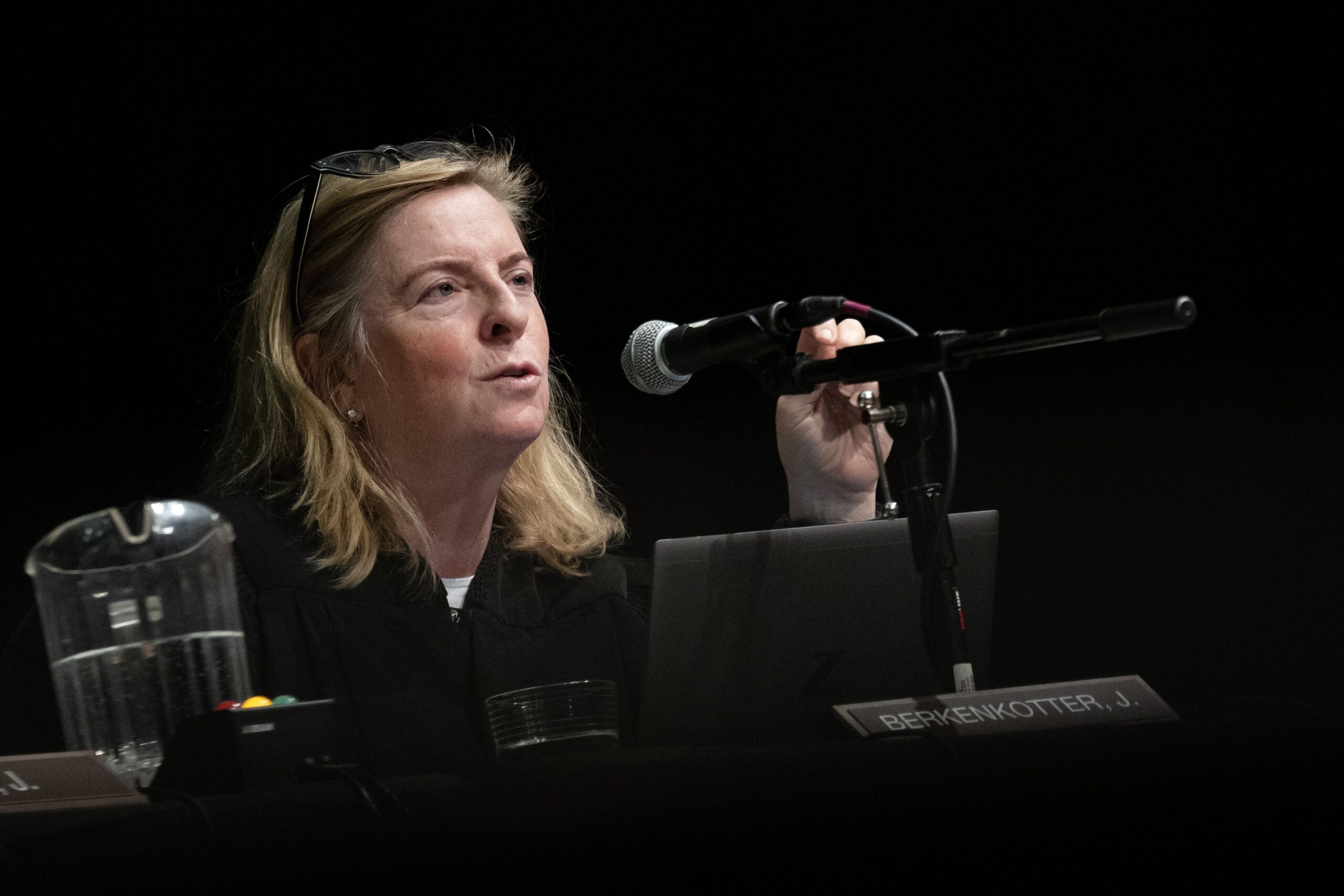
Colorado justices, by 5-2, say Longmont detective did not violate suspect’s Miranda rights
—
by
The Colorado Supreme Court’s majority ruled on Monday that a Longmont detective did not coerce a suspect into talking by making references to how a judge would look at his character, and by suggesting he may get out of prison “in time to see your son’s prom.” Under the landmark U.S. Supreme Court decision Miranda…
-

Colorado justices consider whether Denver police failed to respect suspect’s right to counsel
—
by
Members of the Colorado Supreme Court considered on Thursday whether Denver detectives improperly restarted their interrogation of a murder suspect who had clearly invoked his constitutional right to an attorney. The district attorney’s office characterized the circumstances as “peculiar.” When police initially brought in Dakotah Lulei for questioning, he was not under arrest. After receiving…
-
Denver judge failed to let defendant speak, appeals court finds in overturning 48-year sentence
—
by
A Denver judge did not satisfy her obligation to ensure a defendant knew he could speak on his own behalf at sentencing, Colorado’s second-highest court determined in ordering a new sentencing hearing on Thursday. Jurors convicted Joe Pinheiro of second-degree murder in 2022 for fatally shooting Philip Malinowski five years earlier. The parties disputed whether Pinheiro’s…
-
Appeals court says requirement that parents be ‘present’ during child interrogations does not mean ‘attentive’
—
by
Colorado’s second-highest court ruled on Thursday that the requirement for parents to be present when police interrogate their child in custody means only that the parent must be “physically present,” not “mentally present” as well. Under the landmark U.S. Supreme Court case Miranda v. Arizona, law enforcement is required to inform a suspect of their rights…
-
Colorado justices say child welfare workers not required to give Miranda warning before interrogating parents
—
by
The Colorado Supreme Court ruled on Monday that child welfare workers are not required to give a Miranda warning to parents before interrogating them in custody, even if the interview or the notes will later be shared with prosecutors and used against the parent at trial. Miranda warnings, named after the landmark U.S. Supreme Court…
-
Federal judge finds Miranda violation in interrogation of Denver firearms suspect
—
by
A federal judge concluded on Friday that a Denver police sergeant interrogated a man who was under arrest for a suspected firearms offense while failing to provide a Miranda warning first. U.S. District Court Judge S. Kato Crews acknowledged that defendant Dayvon Vaughns may not have said anything incriminating during the questioning, and his statements…
-
Colorado Supreme Court wary of requiring child welfare workers to give Miranda warnings prior to interrogations
—
by
Members of the Colorado Supreme Court seemed hesitant on Wednesday to endorse the idea that child welfare workers must provide a Miranda warning before interrogating a parent in custody, even if the conversation will later be used in a criminal prosecution. The state’s Court of Appeals previously upheld the murder convictions of two men, both…
-
Colorado Supreme Court finds Aurora police committed no Miranda violation when interrogating suspect
—
by
Aurora police did not need to provide a Miranda warning to a road rage suspect before interrogating him outside his apartment building in an accusatory manner, the Colorado Supreme Court ruled on Monday. Under the U.S. Supreme Court’s landmark decision in Miranda v. Arizona, law enforcement must inform suspects of their constitutional rights to remain silent…