

miranda v. arizona
-
Colorado justices reverse murder conviction for police interrogation lacking Miranda warning
A woman convicted of murdering her husband in a Moffat County motel room will receive a new trial after the Colorado Supreme Court concluded on Monday that police failed to provide a Miranda warning before interrogating her. Rachel Ann Niemeyer and Michael Adam Freese were intoxicated and handling a rifle when the gun went off and…
-
Colorado justices wrestle with whether woman’s 2.5 hours under police supervision was ‘custody’
Members of the Colorado Supreme Court wrestled last month with a question that previously divided the state’s second-highest court: Did Craig law enforcement effectively place a heavily intoxicated woman in custody and interrogate her for the murder of her husband without providing the necessary Miranda warning? The answer could implicate the breadth of protection afforded…
-
Colorado justices skeptical Aurora officer committed Miranda violation on road rage suspect
Members of the Colorado Supreme Court appeared skeptical last week that a road rage suspect was “in custody” at the time an Aurora police officer interrogated him, as the state’s second-highest court believed was the case. Under the U.S. Supreme Court’s landmark decision in Miranda v. Arizona, police must inform a suspect of their rights to…
-
Boulder County detectives violated suspect’s Miranda rights, Supreme Court rules
Boulder County sheriff’s detectives continued to interrogate a murder suspect even after he definitively invoked his constitutional right to remain silent, the Colorado Supreme Court concluded on Monday in barring the prosecution from using the man’s in-custody statements at trial. The Boulder County District Attorney’s Office insisted a pair of detectives attempted to end the…
-
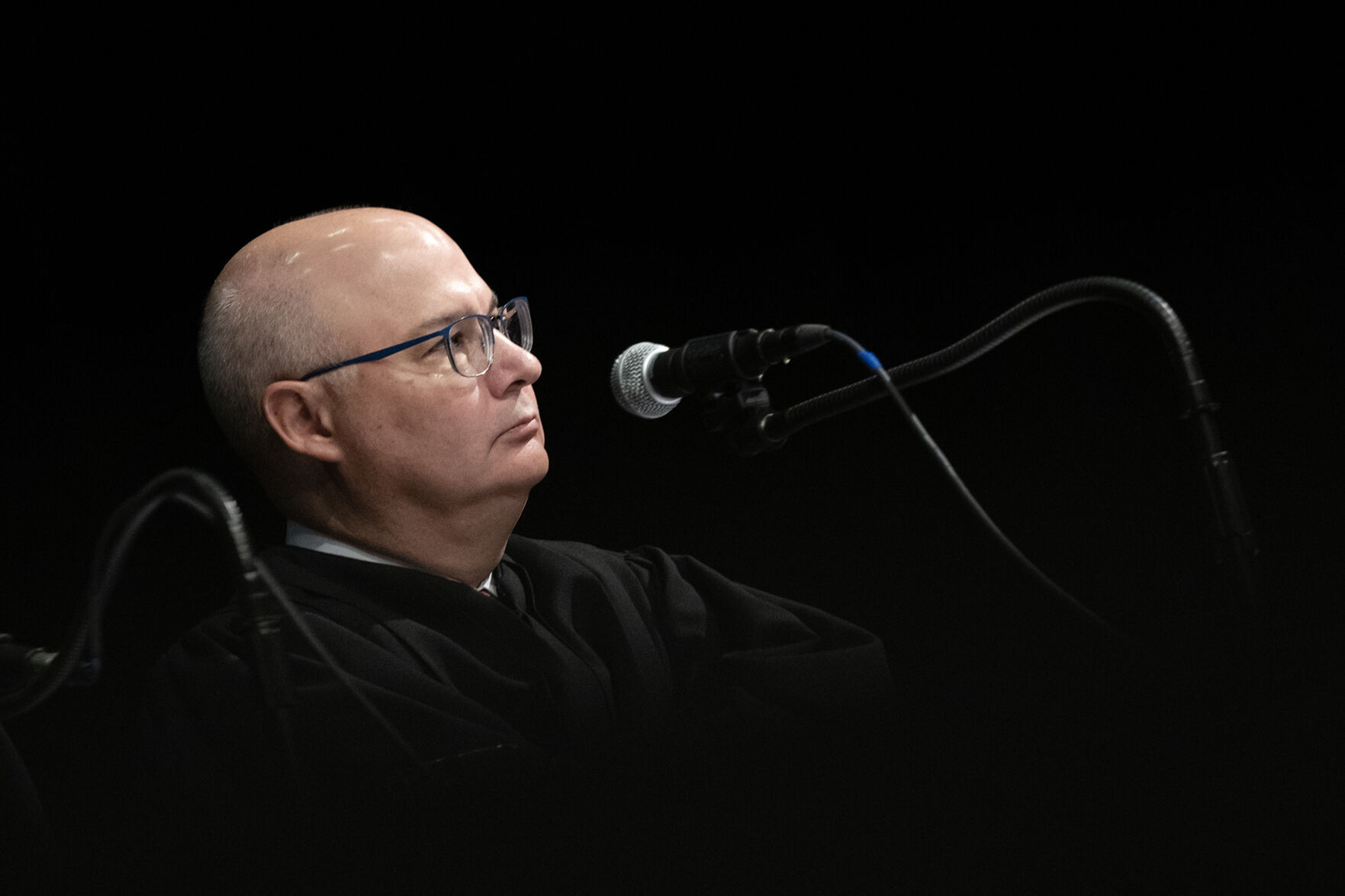
Colorado Supreme Court permits Boulder prosecutors to use murder suspect’s statements to police
The Colorado Supreme Court ruled on Monday that prosecutors in Boulder County may use a murder suspect’s statements to police as evidence because officers did not need to give the defendant a Miranda warning prior to asking about all of the blood on him. Brandon Mason Bohler stands accused of first-degree murder for fatally stabbing…
-
Colorado Supreme Court permits Boulder prosecutors to use murder suspect’s statements to police
The Colorado Supreme Court ruled on Monday that prosecutors in Boulder County may use a murder suspect’s statements to police as evidence because officers did not need to give the defendant a Miranda warning prior to asking about all of the blood on him. Brandon Mason Bohler stands accused of first-degree murder for fatally stabbing…
-
Colorado Supreme Court permits Boulder prosecutors to use murder suspect’s statements to police
The Colorado Supreme Court ruled on Monday that prosecutors in Boulder County may use a murder suspect’s statements to police as evidence because officers did not need to give the defendant a Miranda warning prior to asking about all of the blood on him. Brandon Mason Bohler stands accused of first-degree murder for fatally stabbing…
-
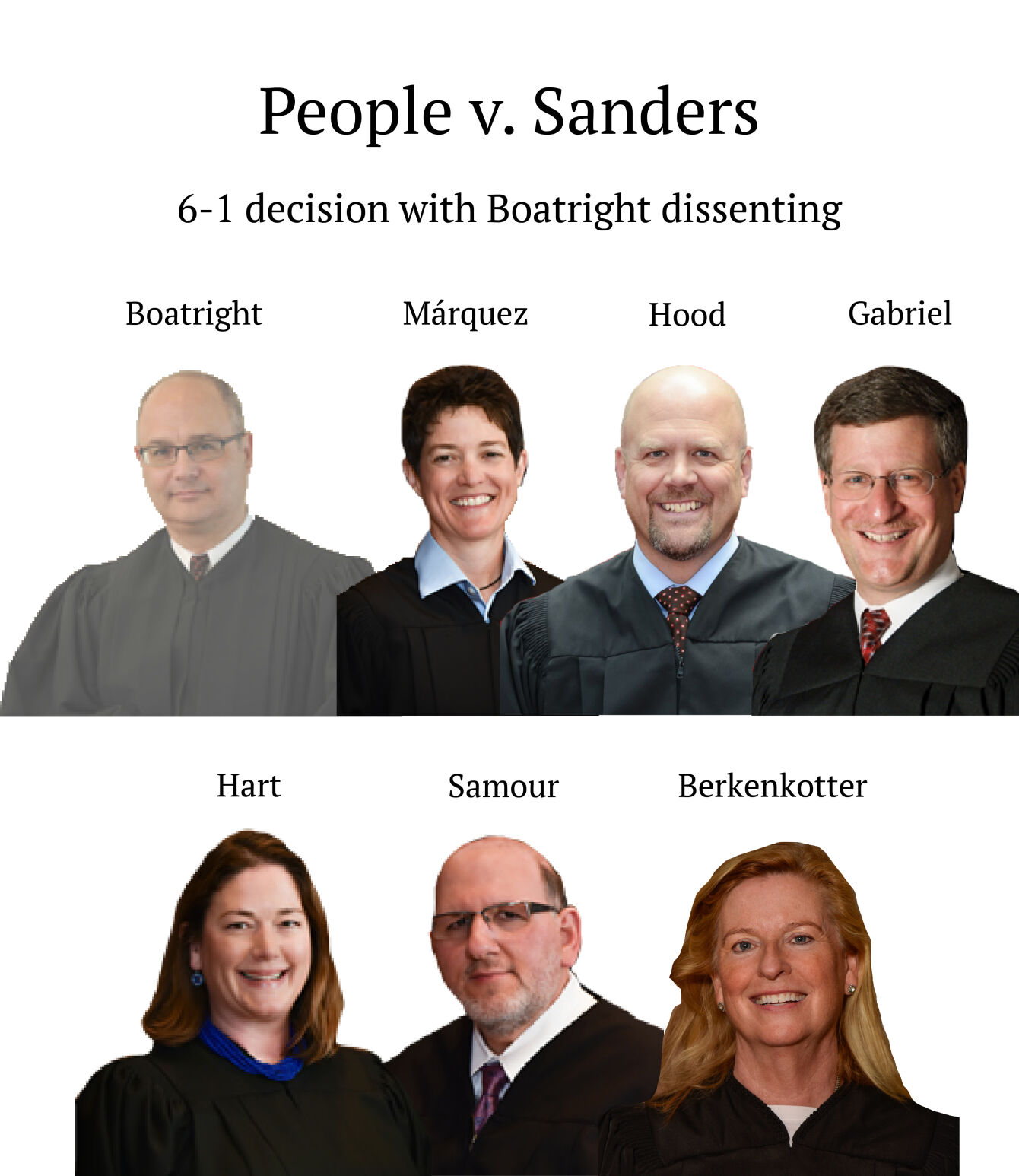
Colorado Supreme Court rebuffs inadequate challenge from DA’s office to trial judge’s order
The Colorado Supreme Court on Monday refused to overturn a Fremont County judge’s order barring prosecutors from using a defendant’s statements at his trial, citing the district attorney’s office’s failure to address one of the key legal issues. The 6-1 decision marked the second time in two weeks the state’s highest court shot down an…
-
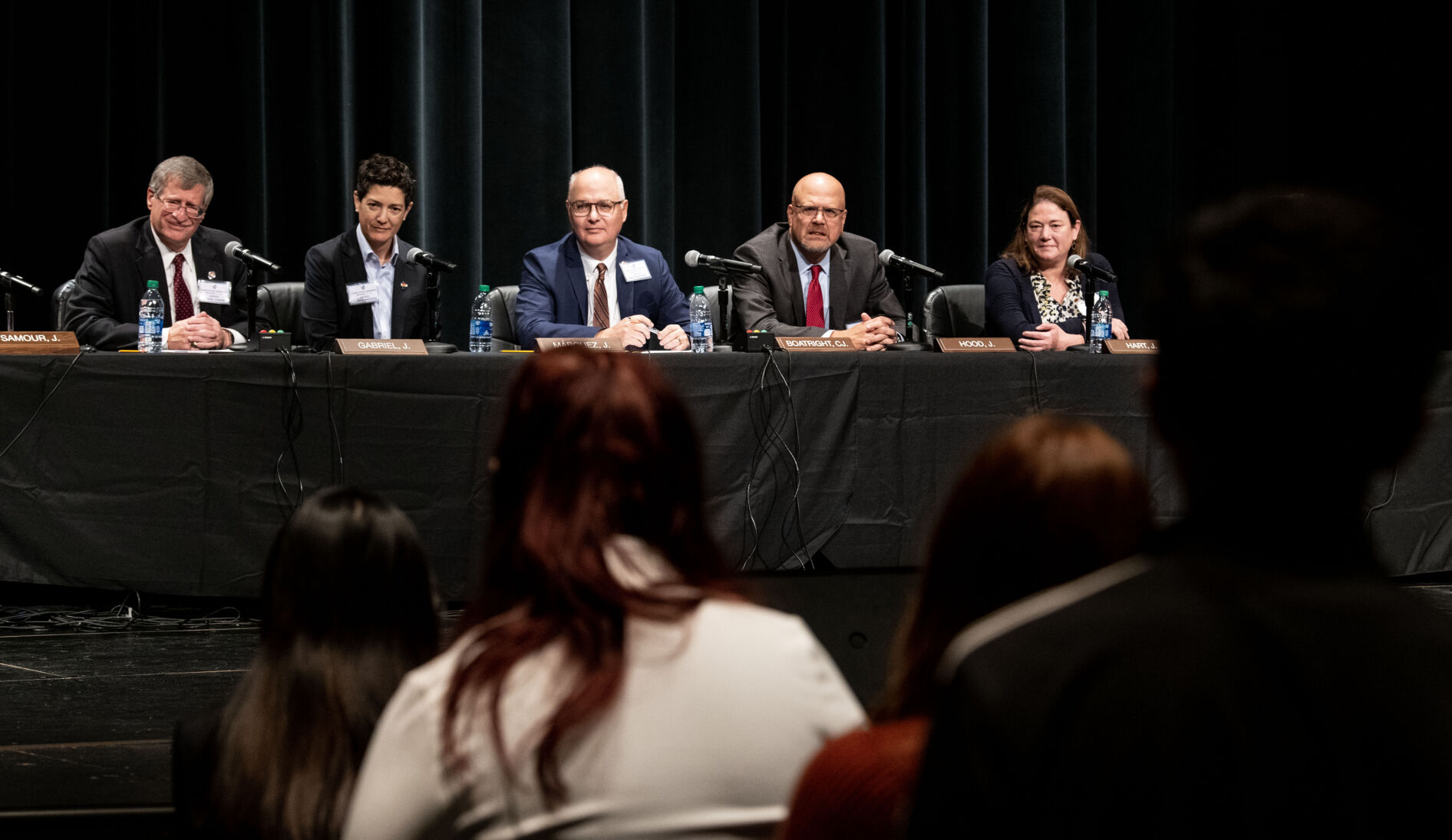
Colorado Supreme Court to review safeguards against interrogations by child welfare workers
The Colorado Supreme Court announced on Monday that it will review two murder cases implicating a question the court has never answered: When a child welfare worker questions a suspect in custody, must they provide a Miranda warning first? At least three of the court’s seven members need to consent to hear a case on…
-
Colorado Supreme Court to hear Miranda rights appeal from Arapahoe County
The Colorado Supreme Court on Monday announced it will hear a criminal appeal out of Arapahoe County that asks whether police failed to give a road rage suspect his Miranda warning, and if that failure requires a new trial. At least three of the court’s seven members must agree to review a case. The justices…