

Colorado Supreme Court changes course, dismisses case about special district bonds
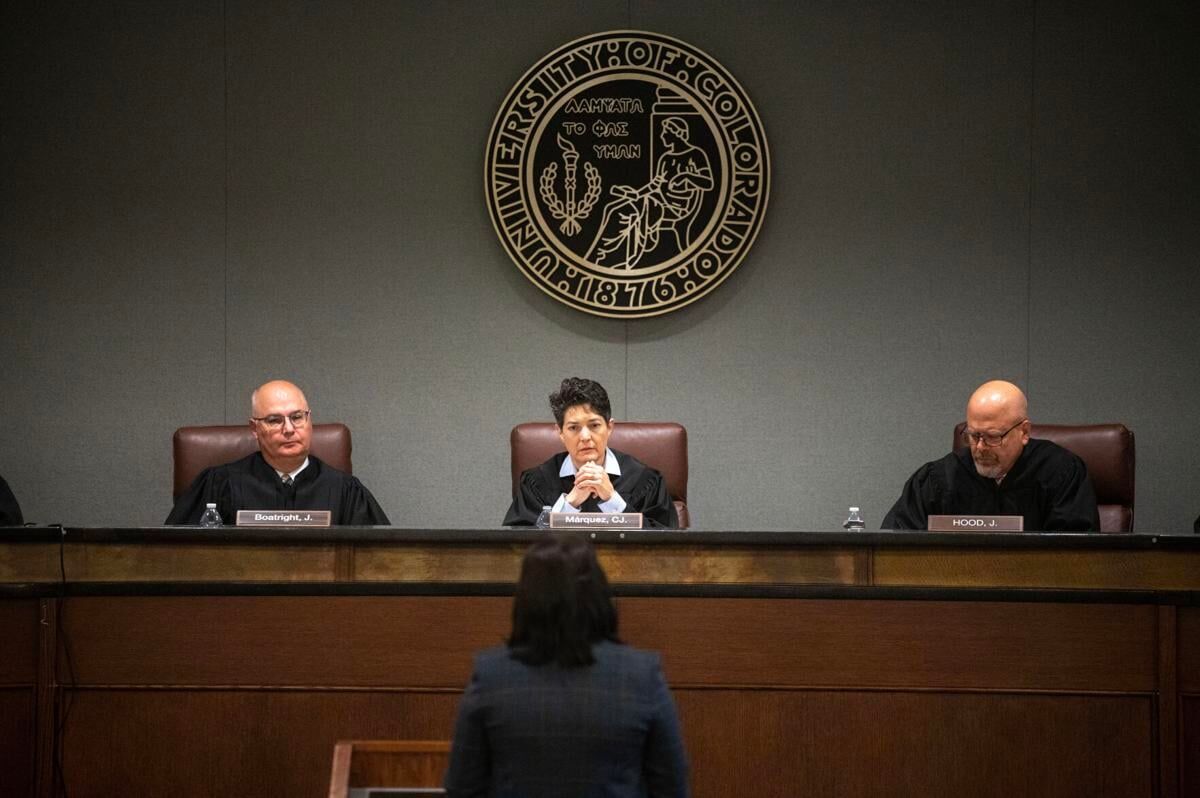
The Colorado Supreme Court declined on Friday to decide a dispute between a large-scale Commerce City development and the various districts financing it, after initially showing interest in the ongoing case.
Colorado has roughly 2,800 special districts, which are local governments that perform specific functions within a geographic area. Most are metropolitan districts, which can finance new infrastructure.
In 2000, the Reunion Metropolitan District formed in Commerce City to facilitate a 3,100-acre mixed-use development. Reunion was the “service district,” meaning it would construct and manage the public improvements, and a handful of other districts would finance the project over time.
In 2016, the entities entered into the Mill Levy Equalization and Pledge Agreement, which they amended the following year to authorize Reunion to issue $21.6 million in bonds for development-related debt.
Then, in 2022, some of the financing districts sought to invalidate the agreement. Reunion filed suit in Adams County to enforce the agreement. It moved to dismiss the financing districts’ claim of invalidity, citing the Supplemental Public Securities Act, a state law that bars challenges to the issuance of securities after 30 days. “Securities” encompass financial contracts, notes, and bonds issued by a public entity.
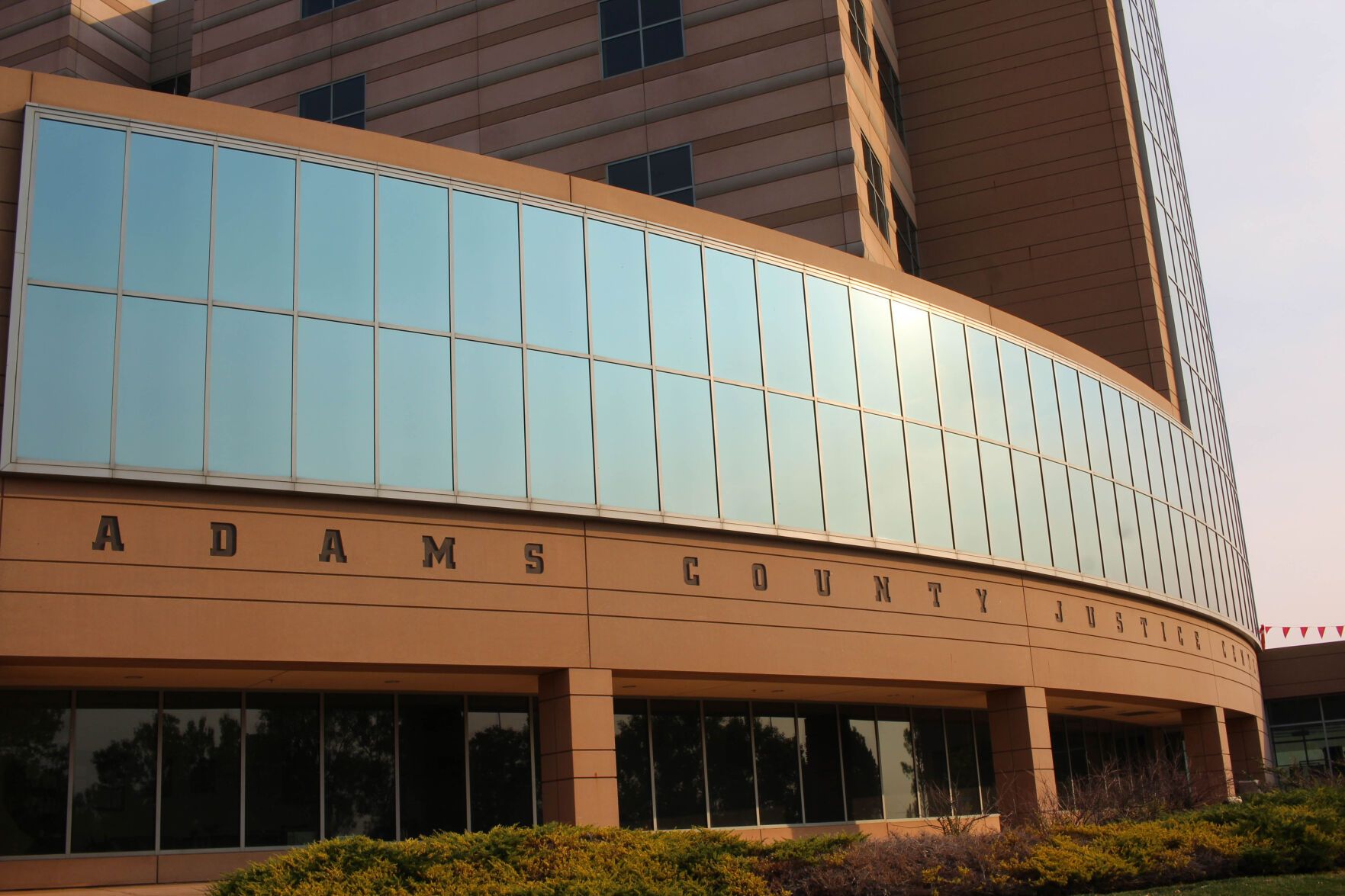
“The Court acknowledges Plaintiff’s argument that the Mill Levy Equalization and Pledge Agreement (‘MLEPA’) constitutes a financial contract connected to the issuance of traditional security instruments,” wrote District Court Judge Toni J. Wehman in declining to dismiss the financing districts’ challenge. “The Court is not persuaded, however, that the legislature intended the term ‘security’ under the Act to encompass the MLEPA.”
She added that, in her view, the agreement was an intergovernmental arrangement for the provision of services, and that the 30-day challenge window did not apply.
Wehman then declined to let Reunion seek immediate Court of Appeals review. She wrote that the outcome of the case would likely be appealed, and authorizing an appeal on one issue “would increase the risk of inconsistent decisions and unnecessarily prolong the case with these numerous ‘sidebars’.”
Reunion turned to the Supreme Court to argue that her interpretation would have significant implications for $8 billion in debt carried by special districts under similar agreements.
The Metro District Education Coalition, the Special District Association of Colorado, the Colorado Municipal Bond Dealers Association and other groups also urged the Supreme Court to step in and prevent disruption to existing publicly financed projects.
The securities act “has served as a necessary source of certainty for these transactions: public entities can work with each other and the finance market to promote growth and development, so long as investors know the transactions — including, critically, the underlying pledge agreements between financing governments and issuers — are beyond challenge,” the groups argued.
After the Supreme Court ordered them to respond, the financing districts made the argument that the intergovernmental agreement was not a “security,” and contended that Reunion had misrepresented certain details. But the districts also urged the Supreme Court to return the case to Wehman because Reunion had a clear path to challenge her decision at a later date.
“Making an end run around the trial court or the routinely available appellate process is not sufficient basis for invoking the original jurisdiction of this Court,” wrote attorney Paul C. Rufien.
He added that Reunion and its supporters were exaggerating the case’s impact on other special districts.
“This is a case involving unique facts and a uniquely unlawful agreement,” Rufien wrote.
In a brief order on Sept. 11, the Supreme Court returned the case to Wehman without elaboration.
The case is Reunion Metropolitan District et al. v. North Range Metropolitan District No. 1 et al.

Federal judge green-lights civil trial against ex-Fort Collins DUI officer
Michael Karlik
michael.karlik@coloradopolitics.com
Updated 23 hours ago
A federal judge ruled on Thursday that Fort Collins’ former “DUI officer” will face a civil trial for allegedly investigating a motorist for impaired driving without any reasonable suspicion to do so. In recent years, several people arrested by Officer...

Colorado Supreme Court suspends Mesa County judge pending misconduct investigation
Michael Karlik
michael.karlik@coloradopolitics.com
Updated 7 minutes ago
The Colorado Supreme Court suspended Mesa County Court Judge Michael J. Grattan on Thursday amid a misconduct investigation. The court’s Sept. 10 order gave Grattan 21 days to explain why his paid suspension should not continue through the end of...
10th Circuit tosses GEO Group’s pretrial appeal in human trafficking lawsuit
Michael Karlik
michael.karlik@coloradopolitics.com
Updated 2 days ago
The Denver-based federal appeals court dismissed an attempt by The GEO Group on Wednesday to appeal a trial judge’s non-existent decision two months before the company is scheduled to face a civil trial over alleged trafficking violations at the Aurora...
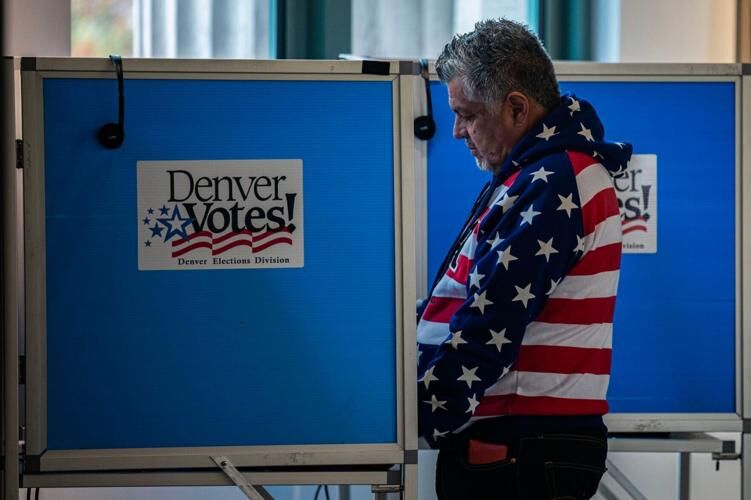
Denver sues Trump to block armed ICE agents from polling sites
Deborah Grigsby
deborah.smith@denvergazette.com
Updated 2 days ago
The city of Denver, along with several groups, sued the Trump administration Thursday, seeking to block U.S. Immigration and Customs Enforcement officers who are armed from polling sites during the upcoming midterm elections. In fact, there are no official orders...
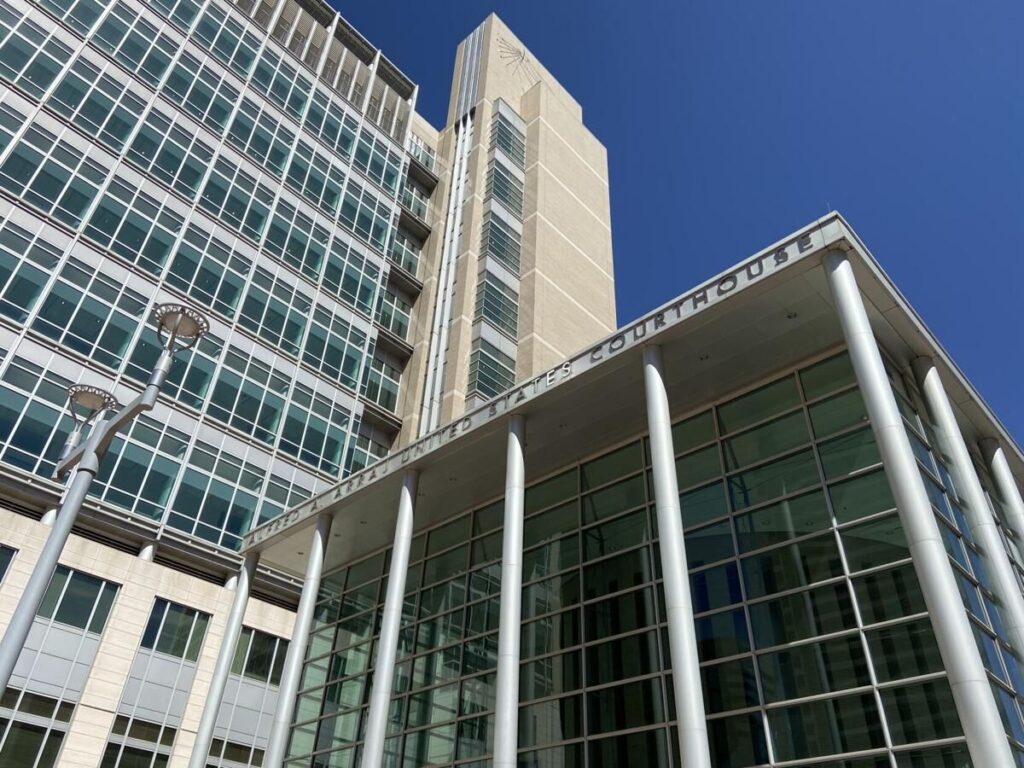
Federal judge takes no action against ICE in Colorado after hearing about mistakes, not ‘blatant violations’
Michael Karlik
michael.karlik@coloradopolitics.com
Updated 20 hours ago
A federal judge declined to take action against U.S. Immigration and Customs Enforcement on Thursday after hearing that a pattern of alleged lawbreaking amounted to mistakes and a misunderstanding of the government’s position in court. For nearly a year, Colorado’s...
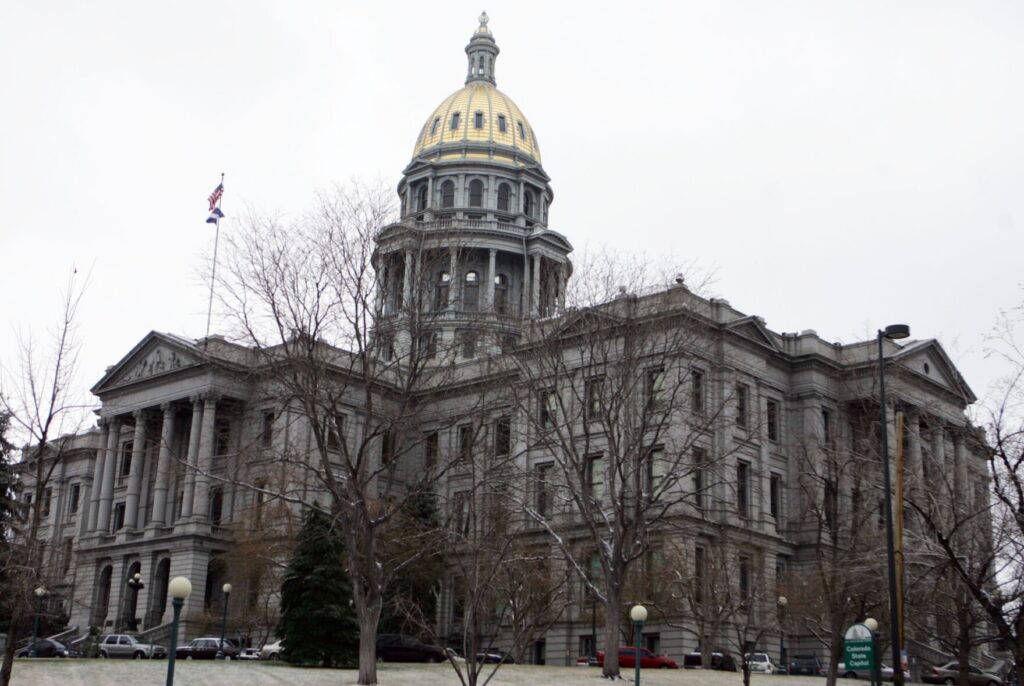
Colorado doctors, dentists challenge state law on gender‑transition services in new federal lawsuit
Marissa Ventrelli
marissa.ventrelli@coloradopolitics.com
Updated 17 hours ago
A group of Christian doctors and dentists has filed a federal lawsuit challenging a Colorado law they say requires them to provide gender‑transition services that conflict with their religious and ethical beliefs. The lawsuit, filed by the Christian Medical and...
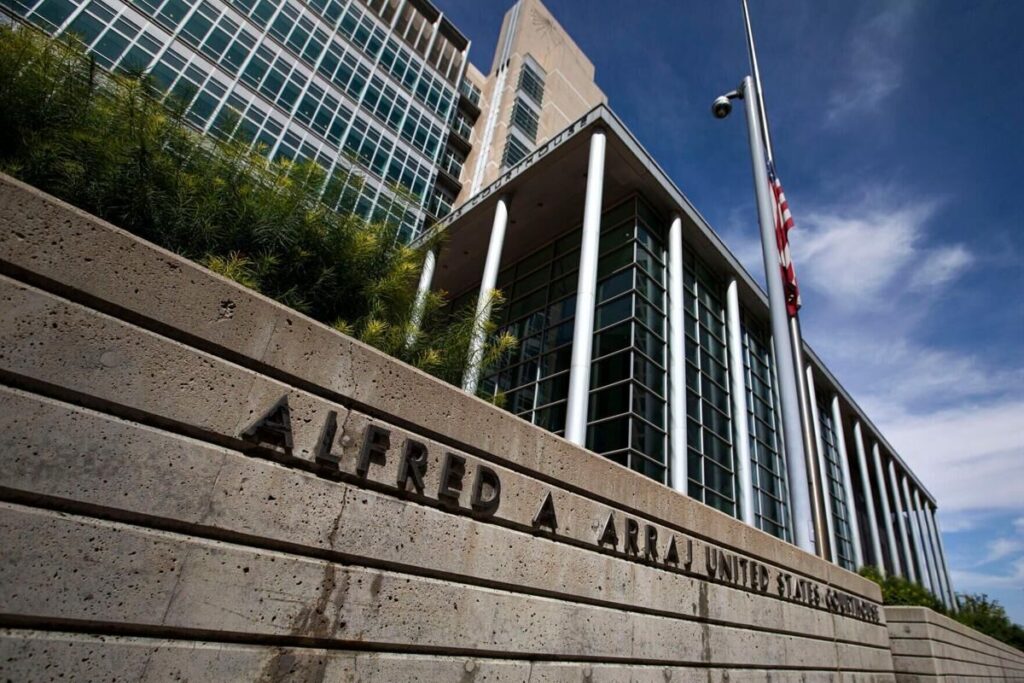
Federal judge directs plaintiff to revise complaint alleging Denver officers’ constitutional violations
Michael Karlik
michael.karlik@coloradopolitics.com
Updated 22 hours ago
A federal judge directed a plaintiff to revise his allegations on Wednesday to more precisely state what two Denver officers and the city itself allegedly did to violate his constitutional rights by facilitating his prosecution for murder until prosecutors dropped...

Lawsuit challenges Douglas County commissioners’ ballot actions
Nicholas Fogleman
nicholas.fogleman@denvergazette.com
Updated 2 days ago
A new lawsuit against Douglas County commissioners seeks to invalidate the board’s intervention in efforts to expand the commission from three members to five and restore the original ballot language approved by more than 20,000 petition signers. The suit marks...
Federal judge explores new sanctions against ex-Colorado judicial discipline director
Michael Karlik
michael.karlik@coloradopolitics.com
Updated 14 minutes ago
A federal judge on Wednesday directed Colorado’s former judicial discipline director, for the third time this year, to explain why she should not sanction him for his latest conduct in his litigation against the state’s judiciary. Christopher S.P. Gregory, who served...
Colorado joins lawsuit challenging changes to Endangered Species Act
Marissa Ventrelli
marissa.ventrelli@coloradopolitics.com
Updated 3 days ago
Colorado once more joined a coalition of states challenging the Trump administration — this time on proposed rules regarding the Endangered Species Act. The pair of lawsuits challenge new rules made under Interior Secretary Doug Burgum, who earlier said the...
PREV
PREVIOUS

Colorado leaders express outrage and pain following 9/11 attacks | A LOOK BACK
Twenty-Five Years Ago This Week: “Responding to the 9/11 terrorist attacks, Colorado Gov. Bill Owens told reporters in a statement, “I join all Coloradans in expressing outrage and horror at the senseless terrorist bombings in New York and Washington D.C. First and foremost our most heartfelt sympathies go to the victims and their families. I […]
Colorado Supreme Court suspends Mesa County judge pending misconduct investigation
The Colorado Supreme Court suspended Mesa County Court Judge Michael J. Grattan on Thursday amid a misconduct investigation. The court’s Sept. 10 order gave Grattan 21 days to explain why his paid suspension should not continue through the end of his disciplinary proceedings. Chief Justice Monica M. Márquez did not participate in the order and […]