

Colorado leaders cheer court decision to block Trump’s mail ballot order in a ruling that’s likely to be swiftly appealed
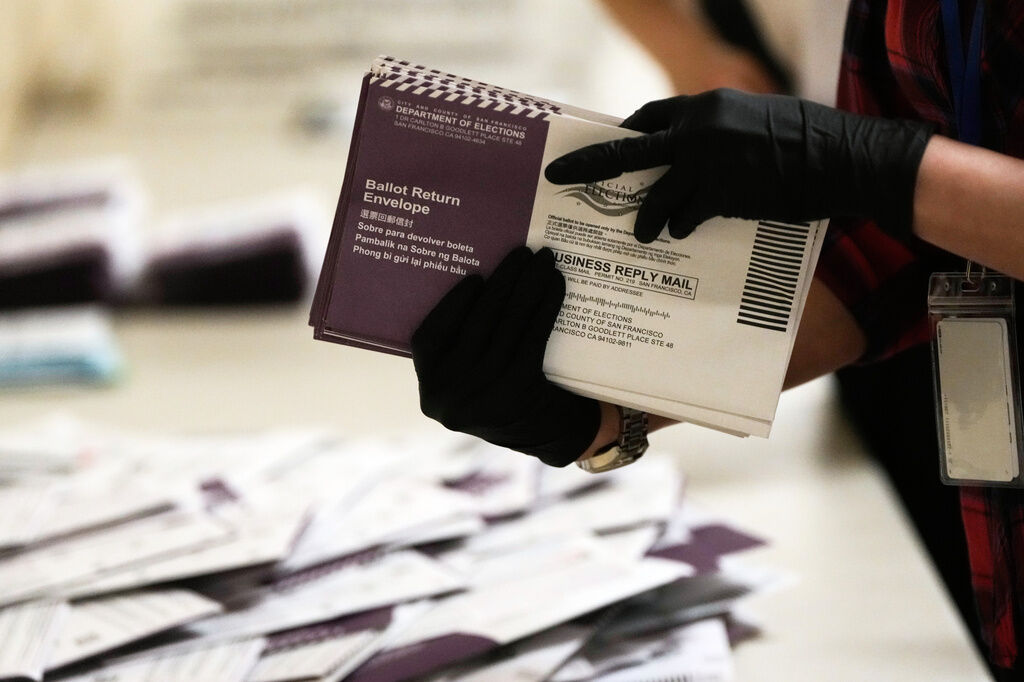
A federal judge on Thursday halted — at least for now — attempts to implement President Donald Trump’s executive order that seeks to restrict the mailing of ballots to American citizens on an eligible voters list.
The move stalled the directive for a second time only about a week before the first mail ballots are due to be sent out for the rapidly approaching midterm elections. U.S. District Court Judge Indira Talwani blocked the government from implementing the order for two weeks.
In a statement Thursday, Secretary of State Jena Griswold said, “Today marks a significant win in the fight to stop (President) Donald Trump from unlawfully weaponizing the Postal Service to restrict access to mail ballots. Trump does not have the authority to decide which voters can receive a mail ballot or impose his own rules on our elections. We will fight his unlawful effort to suppress the vote.”
Colorado Attorney General Phil Weiser — who joined 25 other states in suing the U.S. Postal Service over its plan to carry out Trump’s March 31 executive order — also cheered the judge’s order.
“The Trump administration is trying to interfere with Colorado’s elections and put up new barriers to voting just weeks before Election Day,” Weiser said in a statement Friday. “We will not allow that to happen. Colorado’s mail ballot system is secure, accessible, and works.”
The case could soon be appealed back to the U.S. Supreme Court, days after the justices handed down a procedural decision that allowed the Trump administration to move ahead.
The ruling on Thursday came after Democrats and voting rights groups refiled their lawsuits to comply with the recent Supreme Court decision. The high court’s conservative majority did not rule on the legality of Trump’s executive order, instead saying Talwani had acted too soon.
Now the administration has issued a formal rule governing whether the U.S. Postal Service will deliver states’ mail ballots, effectively restarting the legal fight.
The whipsawing legal battle has major ramifications for the midterms. Nearly one-third of Americans vote by mail and election officials contend there isn’t enough time to revise their systems to comply with the new Postal Service directives.
Supporters of the administration’s order have argued that the changes are long overdue.
The Postal Service says it won’t deliver mail ballots unless states provide a list of voters who should receive them and format the envelopes in a certain way.
“Plaintiff states have neither time nor funds to design new mail ballots, seek approval of the new designs, order production of mail ballots, update their own election management systems, train election officials to use the USPS portal and upload citizen data to the portal, all before the midterms,” Talwani wrote Thursday.
Griswold has said Colorado’s plans remain in place, with ballots slated to be sent to all active registered voters starting Oct. 2. The General Election is on Nov. 3.
Colorado’s highest election official has described the state as having the “gold standard” when it comes to mail-in voting.
In fact, Colorado’s mail-in voting system has encountered numerous problems, though the ballots affected were small and officials maintained the anomalies did not affect the outcome of elections.
- In 2019, Mesa County’s election office found some 500 ballots in a drop box — those ballots were never counted.
- In 2022, a commissioner race was omitted from the ballot for the Democratic primary in Pueblo County, compelling a reprint of about 70,000 ballots. Even after the reprint, some 1,600 ballots were sent still without the commissioner race. That same election year, a little over a dozen voters got ballots with the wrong state House race.
- Also in 2022, Denver’s election office uncovered that 60 voters got ballots for another precinct.
- In 2024, a dozen mail ballots were intercepted in Mesa County, filled out and turned in.
- Also in 2024, election officials in Denver and Adams counties investigated what they described as potential voter fraud after identifying “ballot irregularities” and mismatched signatures. The suspicious ballots came from the same daycare address.
This issue has surfaced on the campaign trail, where two candidates for Colorado governor were asked how they view Trump’s ongoing push to add new guardrails to state elections.
During Thursday’s debate in Colorado Springs, Weiser, the Democratic candidate running for governor, said said that, under federal law, elections are administered by individual states and cannot be regulated by the federal government.
Independent candidate Greg Lopez agreed with Weiser, pulling out a copy of the Constitution that says states have full authority over the “time, place and manner” of elections.
Actually, the constitutional provision has a separate clause giving Congress the authority to override the states:
“The Times, Places and Manner of holding Elections for Senators and Representatives, shall be prescribed in each State by the Legislature thereof; but the Congress may at any time by Law make or alter such Regulations, except as to the Places of chusing Senators.”
The White House did not immediately respond to a message seeking comment. A hearing in the case is set for Sept. 3.
The Associated Press contributed to this report.

What courageous citizenship really looks like | Vince Bzdek
Vince Bzdek
vince.bzdek@gazette.com
Updated 7 hours ago
By Vince Bzdek What exactly is courage? Ernest Hemingway famously called it grace under pressure. Mark Twain wrote that “courage is resistance to fear, mastery of fear — not absence of fear.” C.S. Lewis refined that even more: “Courage is...
Colorado measure adding ID checks to mail-in voting qualifies for ballot
Marissa Ventrelli
marissa.ventrelli@coloradopolitics.com
Updated 1 day ago
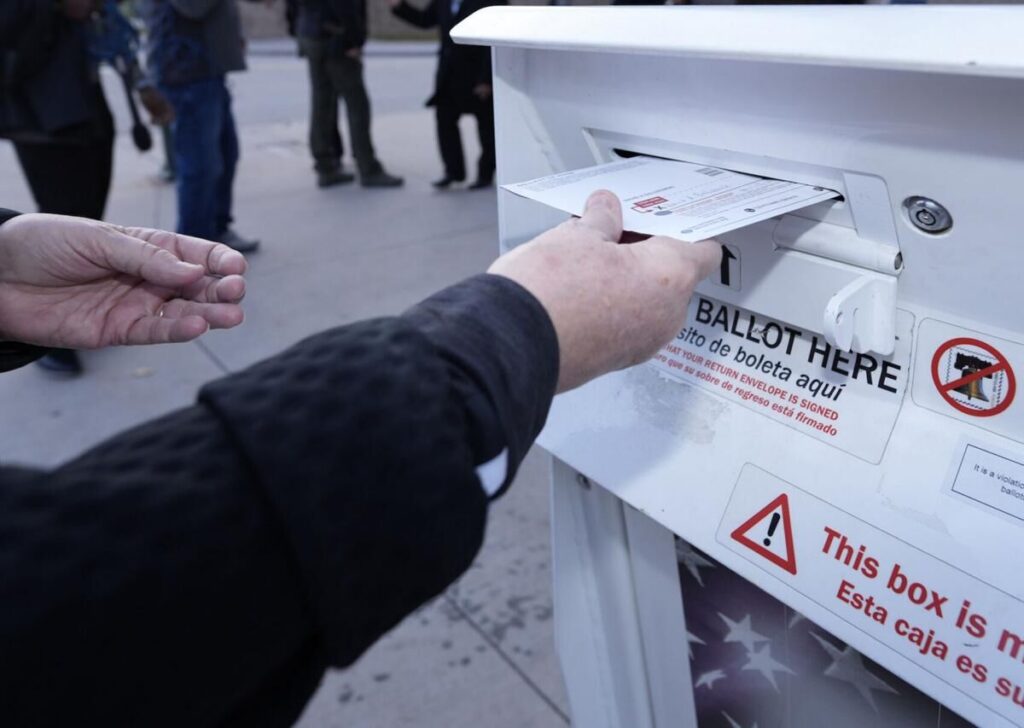
A ballot initiative that would require voters to include additional information on mail-in ballots has qualified for the November election, according to the Secretary of State’s Office. Backed by El Paso County Treasurer Chuck Broerman and former Deputy Secretary of...
Colorado election website error exposes personal data of confidential voters
Marissa Ventrelli
marissa.ventrelli@coloradopolitics.com
Updated 1 day ago
A system update accidentally lifted protections on confidential records in Colorado, exposing dozens of voters’ personal information, according to the Secretary of State’s Office. The limit that normally blocks access to confidential voter profiles was inadvertently disabled during an update...
PUC adds weekly comment after killing private talks
Scott Weiser
scott.weiser@gazette.com
Updated 1 day ago
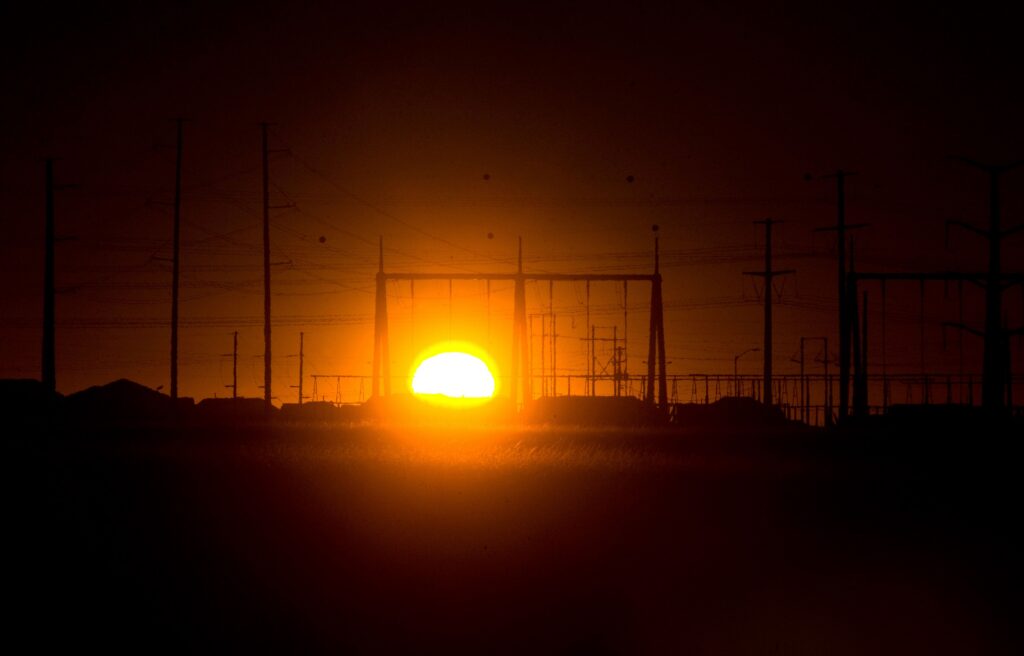
The Colorado Public Utilities Commission will take public comment at the start of every commissioner’s weekly meeting beginning Sept. 9 as part of its new transparency mandate, the commission announced, expanding a slot previously limited to the second Wednesday of...

Aurora student journalist cleared of disciplinary charges after ignoring ‘gag order’
Kyla Pearce
kyla.pearce@gazette.com
Updated 1 day ago
A Community College of Aurora student who accused the college of putting an “unconstitutional gag order” on his student-run publication was cleared of disciplinary charges against him. CCA student Andrew Green tried to register his independent student publication, called “FoxTalk,”...
El Paso County upholds Buc-ee’s zoning appeal, clearing way for administrative approval
Savannah Eller
savannah-eller@coloradopolitics.com
Updated 1 day ago
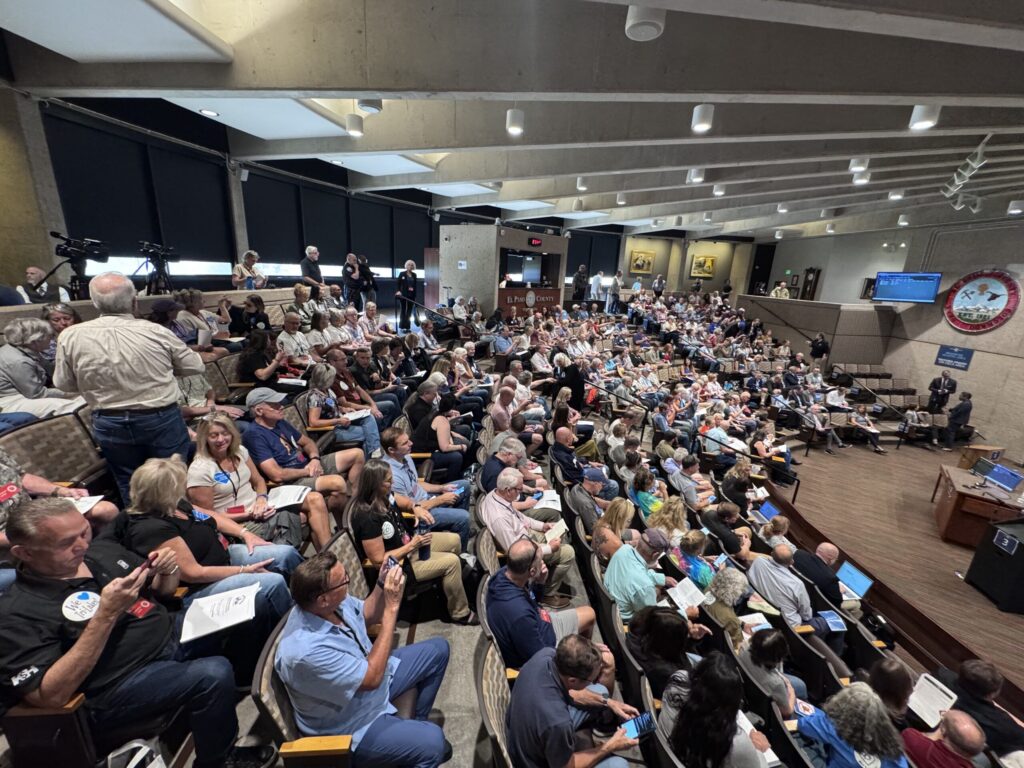
A packed, daylong meeting on Thursday resulted in a win for the Texas travel center chain Buc-ee’s, with El Paso County commissioners voting 4-1 to approve the developer’s zoning appeal. “I think the burden of proof has been met here,”...
Healthcare freefall: UNC’s new medical school aims to tackle Colorado’s rural doctor shortage
Hap Fry, Special to The Gazette
hap-fry@gazette.com
Updated 5 hours ago
Editor’s Note: Colorado’s healthcare system is entering a period of accelerating instability — a “tsunami,” as multiple leaders describe it — driven by collapsing hospital finances, shrinking Medicaid reimbursements, disappearing services and a political fight over who is responsible for...

Healthcare freefall: Economic ripple effects grow as Colorado hospitals face financial strain
Thelma Grimes
thelma.grimes@coloradopolitics.com
Updated 6 hours ago
Colorado’s hospital systems aren’t just a network of clinics and emergency rooms — they are also one of the state’s largest economic engines. So some 10 hospitals identified at any given time as vulnerable to closure, the alarm extends far...
5th Congressional debate watchers hope for civility, truthfulness
Cleo Westin
cleo-westin@coloradopolitics.com
Updated 2 days ago
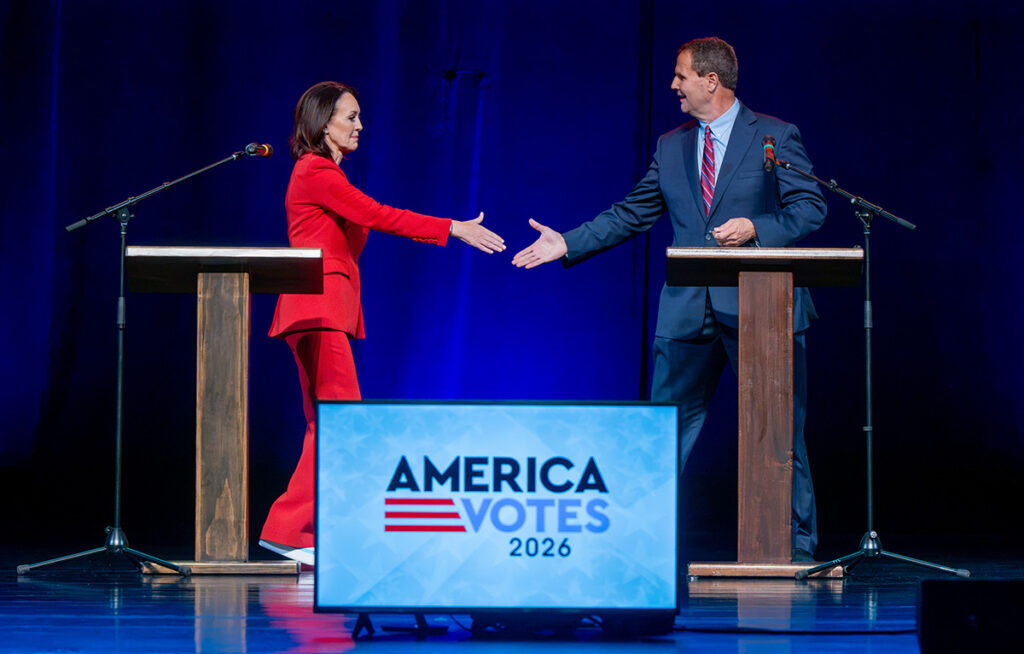
A few hundred people watched Rep. Jeff Crank and veteran Jessica Killin square off in a debate for the 5th Congressional District at the Pikes Peak Center for the Performing Arts on Thursday evening. Many of them sported campaign insignia...
DPS meets Marrero’s academic goals, but most students remain below state standards
Nico Brambila
nico.brambila@denvergazette.com
Updated 1 day ago
The majority of Denver Public Schools students do not meet state standards — and the academic goals set by Superintendent Alex Marrero’s administration do not expect them to. Marrero’s first strategic road map in 2021 set a goal of 10%...
PREV
PREVIOUS

Healthcare Freefall: AI arms race hits rural healthcare as hospitals fight to keep up
Editor’s Note: Colorado’s healthcare system is entering a period of accelerating instability — a “tsunami,” as multiple leaders describe it — driven by collapsing hospital finances, shrinking Medicaid reimbursements, disappearing services and a political fight over who is responsible for this unraveling. Healthcare Freefall is a multipart series examining how Colorado arrived at this moment, […]

Aurora student journalist cleared of disciplinary charges after ignoring ‘gag order’
A Community College of Aurora student who accused the college of putting an “unconstitutional gag order” on his student-run publication was cleared of disciplinary charges against him. CCA student Andrew Green tried to register his independent student publication, called “FoxTalk,” as an official student organization in March. In April, the college issued a “sweeping gag […]