

Some Colorado hunters oppose right to hunt, fish proposal, group says
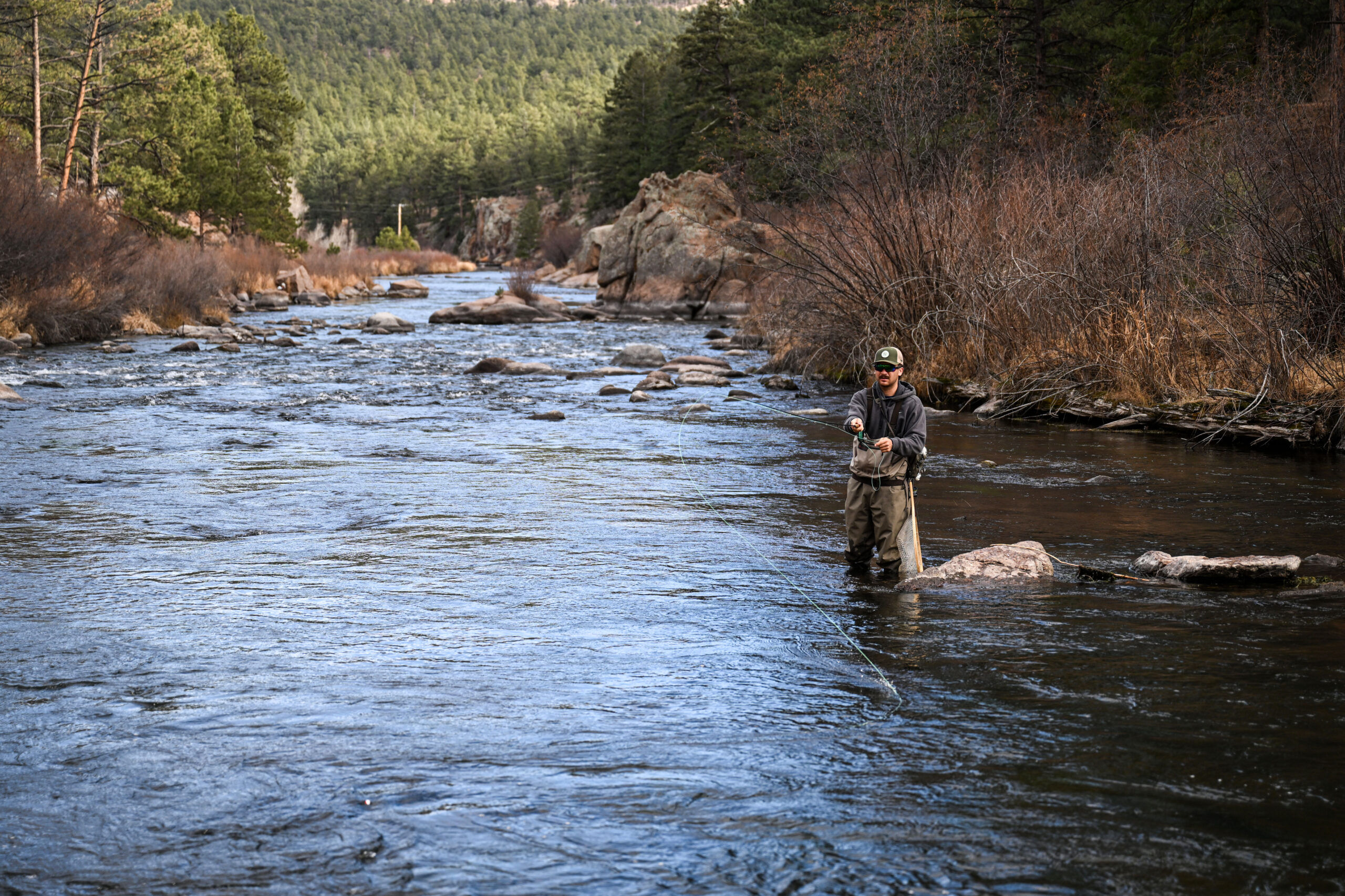
A group that says it represents hunters and anglers from across Colorado announced its opposition to a ballot measure that would establish the right to hunt and fish in Colorado’s constitution, saying it could result in the overturning of bans on certain unethical types of hunting.
The group includes a former appointee to the Colorado Parks and Wildlife and a hunter who supported the reintroduction of wolves to Colorado.
In a news release issued last week, a group called Colorado Hunters and Anglers for Sensible Wildlife Conservation announced its opposition to Initiative No. 302, which officially qualified for the November ballot.
Backed by the International Order of T. Roosevelt, the measure would establish the right to hunt, fish and take wildlife by use of “traditional methods,” with exceptions for nongame and endangered species. The initiative would also establish hunting and fishing as the “preferred means” of responsibly managing fish and wildlife populations in Colorado.
“Hunting and fishing is part of Colorado’s heritage,” Luke Hilgemann, CEO of the Order of T. Roosevelt, earlier said. “It’s something that the state traces its roots back to, and we want to make sure that those are forever protected against an onslaught of threats that have come from the anti-hunting and fishing groups, not only in Colorado, but nationwide.”
Hilgemann said his group introduced the initiative following worries that activists pushing for a hunting ban in Oregon, which failed to qualify for the ballot, could target Colorado next.
In a statement, the Colorado Hunters and Anglers for Sensible Wildlife Conservation argued that the initiative’s wording would protect “traditional methods” of hunting that have been banned in the state, such as wildlife killing contests, baiting bears with human food, the use of steel-jawed leghold traps and using hounds to hunt bears. Many of these practices were banned through a vote by the people, while others were banned by the Colorado Parks and Wildlife Commission.
The organization also expressed worries about establishing hunting and fishing as the state’s “preferred methods” of managing wildlife, as it would mean, the group said, killing wildlife would be given preference over other forms of management, such as limiting hunting, relocating animals, developing vaccines to prevent disease transmission and investing in improvements to wildlife habitats.
“Good wildlife management requires a full toolbox,” said Gary Skiba, a former state wildlife agency bighorn sheep biologist from Durango. “Hunting and fishing can be important and effective tools. But so are habitat conservation and restoration, preventing disease transmission, limiting hunting in some cases to recover wildlife populations, relocation, nonlethal coexistence measures and other management tools. The Constitution should not declare one wildlife management tool preferred above all the others.”
In 2024, the Senate Agriculture Committee recommended against appointing Skiba to represent sportspersons at the Colorado Parks and Wildlife Commission.
Skiba was previously associated with Defenders of Wildlife, which described him as “the primary author of Colorado’s wolf conservation plan” in a 2021 lawsuit filed against the state of California.
The committee ultimately rejected his nomination, and Skiba withdrew his nomination.
Another member of Colorado Hunters and Anglers for Sensible Wildlife Conservation, Eric Washburn, wrote in an opinion piece in 2021 that it’s “time for the hysteria over wolves to end.”
“Wolf restoration is not complicated rocket science that takes a long time to get right. It has been done successfully in the Northern Rockies and CPW can base much of its plan on that excellent work,” he wrote. “Consequently, CPW should be empowered to immediately begin drafting the plan to inform a useful public discussion rather than spending four months empowering the anti-wolf forces to relitigate the election.”

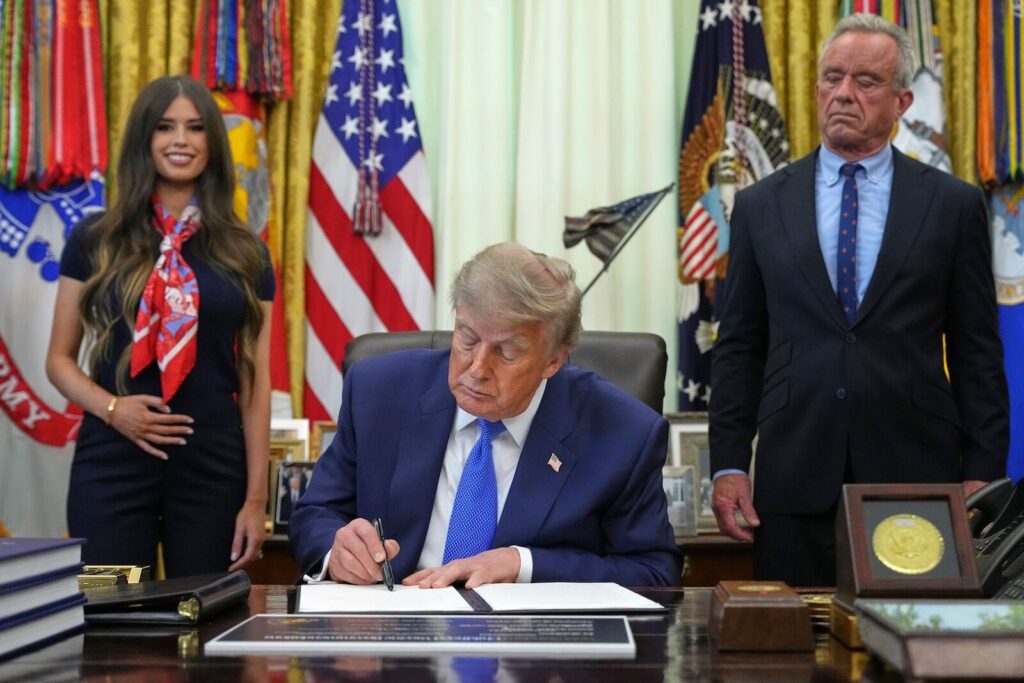
Democratic-aligned poll shows big majority of swing-seat voters support routine childhood vaccines
Ernest Luning
ernest.luning@coloradopolitics.com
Updated 1 hour ago
A new poll conducted by Democratic-aligned groups found that voters in competitive U.S. House districts — including a battleground seat in Colorado — support routine childhood vaccinations by a wide margin and oppose a recent order by President Donald Trump...
Coalition drops Colorado transportation ballot measure as long-term funding plan advances
Marissa Ventrelli
marissa.ventrelli@coloradopolitics.com
Updated 3 hours ago
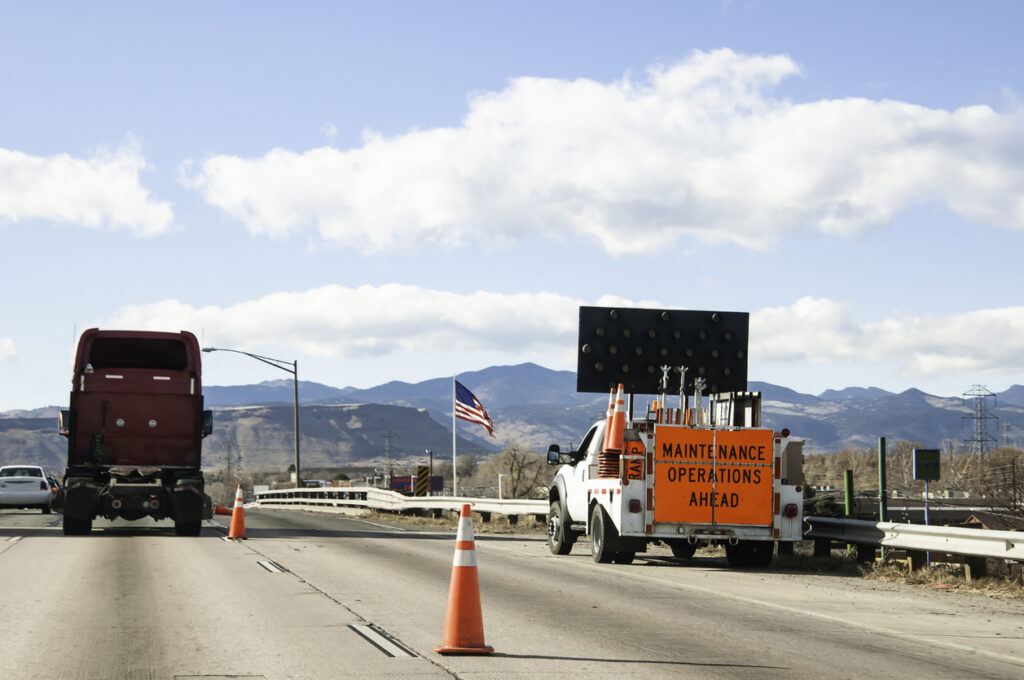
The proposed constitutional amendment on Colorado’s transportation funding will be removed from the November ballot after its supporters said they reached an agreement with lawmakers following months of negotiations. Initiative 175, backed by the coalition Restore Our Roads, would have...
Colorado gubernatorial candidates Phil Weiser, Greg Lopez to face off Thursday in televised debate
Ernest Luning
ernest.luning@coloradopolitics.com
Updated 4 hours ago
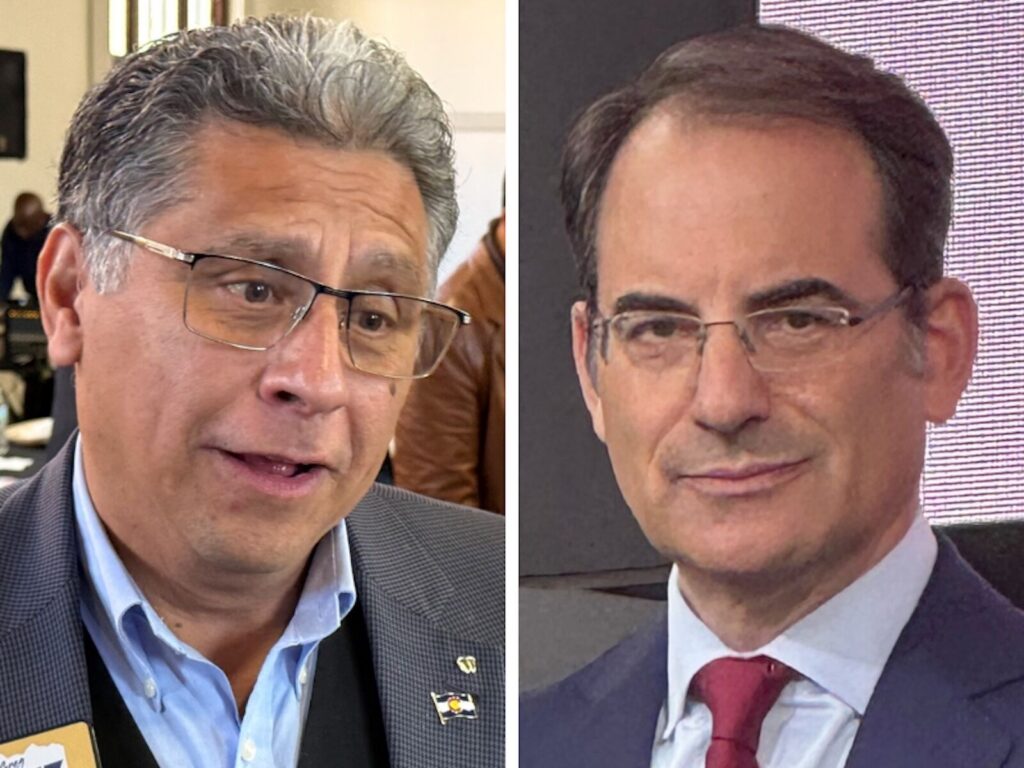
Two of the candidates for governor of Colorado are set to square off in a televised debate for the first time Thursday night, when Attorney General Phil Weiser, the Democratic nominee, and former U.S. Rep. Greg Lopez, an unaffiliated candidate,...

Republican US Rep. Jeff Crank, Democratic challenger Jessica Killin set to debate in Colorado’s 5th CD
Ernest Luning
ernest.luning@coloradopolitics.com
Updated 5 hours ago
Republican U.S. Rep. Jeff Crank and Jessica Killin, his Democratic challenger, are scheduled to meet for a televised debate in the race to represent Colorado’s 5th Congressional District on Thursday night. The candidates are set to take the stage at...

We must deliver on cost of living | GUEST COLUMN
Colorado Politics
colorado-politics@coloradopolitics.com
Updated 15 hours ago
By Ryan Gonzalez Insurance premiums are on the rise. Property taxes are increasing. Groceries are becoming more expensive. Gas prices are reaching record levels. Housing costs are becoming unsustainable. These are the concerns I hear from people in my district....

Counties warn CPW that new comment limits sideline local governments
Marianne Goodland
marianne.goodland@coloradopolitics.com
Updated 20 hours ago
The September meeting of the Colorado Parks and Wildlife Commission will feature newly revised public‑comment rules — changes introduced by chair Jay Tutchton of Bent County, who announced them without first discussing the revisions publicly with the rest of the...

Controversial two-bag furbearer limit heads to CPW meeting under legal threat
Marianne Goodland
marianne.goodland@coloradopolitics.com
Updated 20 hours ago
Next week’s Colorado Parks and Wildlife Commission meeting in La Junta is likely to open under the cloud of threatened legal action. Safari Club International and the Sportsmen’s Alliance Foundation warned the commission this month that its July vote imposing...

Dan Haley on the role of oil and gas in Colorado’s energy future | The OpEdge Podcast
Tony Olivero
tony.olivero@gazette.com
Updated 23 hours ago
Dan Haley, executive director of Coloradans for Responsible Energy Development, joins The OpEdge to discuss the role of oil and natural gas in Colorado’s energy future amid the state’s aggressive push toward “net zero.” Haley tells host and investigative columnist...

Rural hospitals don’t want special treatment, just a chance to care for locals | PODIUM
Colorado Politics
colorado-politics@coloradopolitics.com
Updated 3 hours ago
By Kevin Stansbury As chief executive of Lincoln Health, my responsibility is simple: ensure the people of eastern Colorado have access to high-quality healthcare close to home when they need it most. That mission has never been easy. Rural hospitals...
Colorado State Fair youth golf tournament celebrates 11 years
Marianne Goodland
marianne.goodland@coloradopolitics.com
Updated 4 hours ago
Twenty-eight teams tee off Friday at Walking Stick Golf Course in Pueblo for a tournament supporting 4-H, Future Farmers of America and capital improvements at the Colorado State Fair. Now in its 11th year, the Partners of Youth in Ag...
PREV
PREVIOUS

Coalition drops Colorado transportation ballot measure as long-term funding plan advances
The proposed constitutional amendment on Colorado’s transportation funding will be removed from the November ballot after its supporters said they reached an agreement with lawmakers following months of negotiations. Initiative 175, backed by the coalition Restore Our Roads, would have required that all transportation-related revenue be used exclusively to build and repair roads and bridges, […]

Democratic-aligned poll shows big majority of swing-seat voters support routine childhood vaccines
A new poll conducted by Democratic-aligned groups found that voters in competitive U.S. House districts — including a battleground seat in Colorado — support routine childhood vaccinations by a wide margin and oppose a recent order by President Donald Trump changing vaccine recommendations. The survey, conducted Aug. 17-38 by Public Policy Polling for 314 Action […]