Rural hospitals don’t want special treatment, just a chance to care for locals | PODIUM

By Kevin Stansbury
As chief executive of Lincoln Health, my responsibility is simple: ensure the people of eastern Colorado have access to high-quality healthcare close to home when they need it most.
That mission has never been easy. Rural hospitals operate with thin margins while serving older, sicker populations across vast geographic areas. Every day we balance emergency care, primary care, specialty services, obstetrics, rehabilitation, behavioral health and long-term care — all with limited resources.
Today, that challenge has become even greater.
Recent federal policy changes affecting Medicaid and the Affordable Care Act are expected to reduce healthcare funding in communities across the country. Though the full effect will take time to unfold, rural hospitals are already evaluating difficult financial realities that could affect services, staffing and long-term sustainability.
These aren’t abstract budget discussions.
They determine whether a hospital can continue operating. Whether a clinic remains open in a small town. Whether a patient can receive chemotherapy, physical therapy or behavioral healthcare close to home — rather than driving hours into a metropolitan area across the state.
At Lincoln Health, we serve communities spread across thousands of square miles. When someone suffers a heart attack, stroke, serious injury or complicated pregnancy, minutes matter. The nearest hospital is often 80 to 90 miles away.
For our patients, losing local access isn’t an inconvenience. It can become a matter of life and death.
Programs like Colorado’s Rural Health Transformation Program (RHTP) represent an extraordinary investment in the future of rural health care. We are deeply grateful for that opportunity and are excited about what it makes possible. The program is designed to prevent the use of funds to replace operating revenue lost from the Medicaid program and that allows hospitals to keep their doors open every day. Instead, it takes the approach of requiring funds be used for future programs and services with the intent of helping hospitals be prepared for the future.
Those are two different purposes.
One helps rural hospitals modernize, innovate and prepare for the future.
The other pays for today’s emergency room physician, tomorrow’s ambulance crew, this afternoon’s orthopedic surgery and the nurse caring for a hospitalized patient tonight.
We need both.
Asking transformation dollars to permanently offset operating losses is like expecting a one-time investment to replace an ongoing source of income. It simply isn’t what these programs were designed to do.
This conversation isn’t about politics.
It isn’t about Republicans or Democrats.
It isn’t about Washington or Denver.
It’s about whether rural Americans deserve the same timely access to healthcare as everyone else.
Every community deserves the security of knowing when tragedy strikes, someone will answer the call.
Every parent deserves confidence emergency care is available close to home.
Every senior deserves the opportunity to receive care in the community they helped build.
Rural hospitals are more than healthcare providers. We are often the largest employers in our communities. We recruit families, support local businesses, provide good-paying jobs and help make rural communities places where people can continue to live and work.
When a rural hospital weakens, the entire community feels the effect.
This moment calls for thoughtful leadership and practical solutions — not because rural hospitals are asking for special treatment, but because rural communities deserve the same opportunity to thrive as every other part of America.
Our patients are counting on us.
Now we’re asking policymakers to ensure rural healthcare remains strong enough to continue counting on.
Kevin Stansbury is chief executive officer of Lincoln Health.

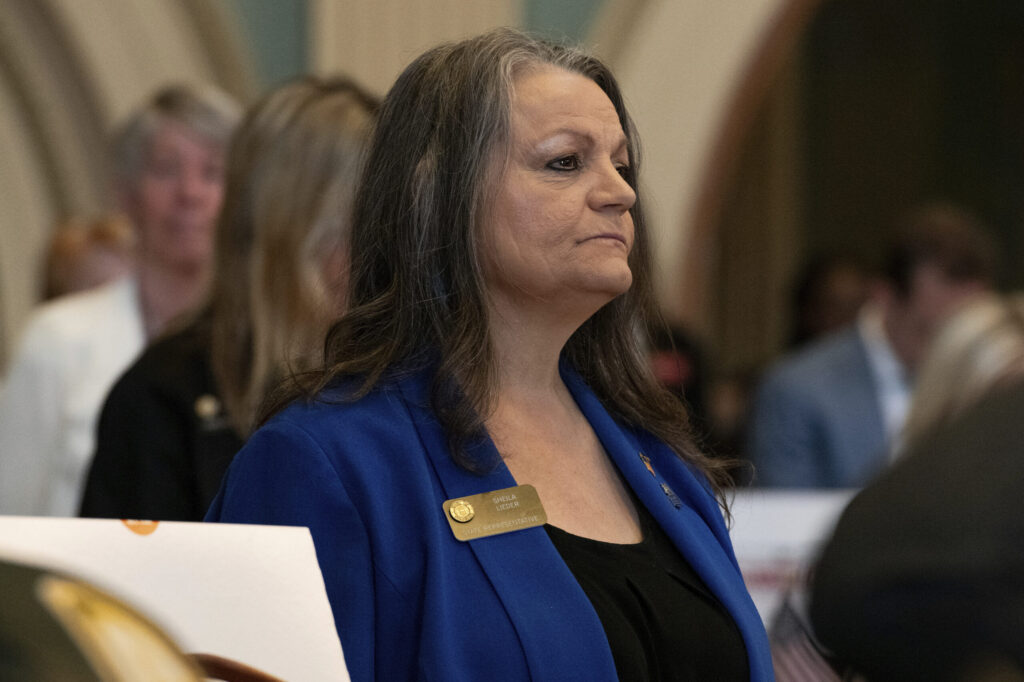
Colorado lawmaker, House leaders named in workplace-retaliation lawsuit
Marianne Goodland
marianne.goodland@coloradopolitics.com
Updated 11 hours ago
A former legislative aide has filed a lawsuit alleging she was mistreated, illegally directed to perform campaign work and harmed by a House leadership structure she charged was fragmented, politicized and ineffective at protecting employees. The lawsuit, filed by Jennifer...
Blue states should avoid disasters | Hal Bidlack
Hal Bidlack
hal-bidlack@coloradopolitics.com
Updated 16 hours ago
Back when I was teaching political science at the U.S. Air Force Academy (and amazingly to me, a week from this column’s publication will mark 20 years since my retirement from active duty. Where the heck did that time go?)...
Right-to-hunt ballot measure’s a cruel, anti-wildlife solution to a nonexistent problem | GUEST COLUMN
Colorado Politics
colorado-politics@coloradopolitics.com
Updated 1 day ago
By Eric Washburn I love to hunt. Every year I try to hunt big game in Colorado and waterfowl in Louisiana. This year, I applied for five Colorado big game licenses — elk, deer, pronghorn, moose and bighorn sheep. I...

Jena Griswold’s record: corruption, incompetence | Dick Wadhams
Dick Wadhams
dick-wadhams@coloradopolitics.com
Updated 4 days ago
There is no statewide elected official going back decades who is as breathtakingly corrupt and incompetent as Secretary of State Jena Griswold, who is now running for attorney general of all things. And compliant ruling Democrats know it. Their silence...

Kiros exudes why Colorado’s political times are a-changin’ at annual Denver Dems gala | Miller Hudson
Miller Hudson
miller-hudson@coloradopolitics.com
Updated 4 days ago
Among Colorado’s few remaining bipartisan rituals are county and state party dinners. I was particularly intrigued by last week’s Denver Democratic Party’s 2026 Annual Gala, a “New Deal for a New Era.” Their glossy program featured an artist’s Technicolor rendering...

Livestock grazing regulations need flexible updates | Rachel Gabel
Rachel Gabel
rachel-gabel@coloradopolitics.com
Updated 4 days ago
The Bureau of Land Management last updated their livestock grazing regulations the year I graduated from high school. I am 49. Assessing rangeland health can’t be done once and not revisited. This year is a prime example that managers must...

Taxpayers donate to tax increase campaign | Jon Caldara
Jon Caldara
jon-caldara@coloradopolitics.com
Updated 5 days ago
Give the man his due. President Donald Trump has undeniable talents. Colorado politicians are learning. Chief among The Don’s skills is taking the self-serving, ethically dubious behavior of previous politicians and putting it on steroids. Or, to borrow from the...
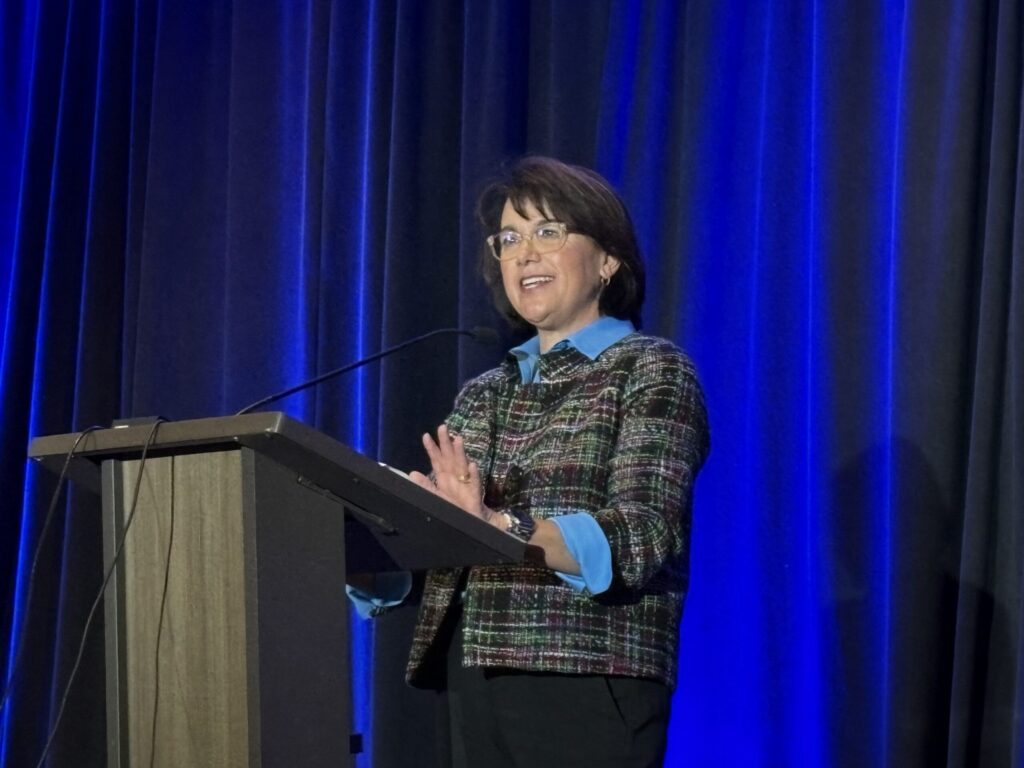
Democratic candidate in Colorado’s 4th CD urges long-term water planning
Marianne Goodland
marianne.goodland@coloradopolitics.com
Updated 3 days ago
The Democrat hoping to become the next representative of Colorado’s 4th Congressional District on Thursday made her case on the final day of Colorado Water Congress in Steamboat Springs. Eileen Laubacher, who spent 34 years in the U.S. Navy and...

Proposal to cap Colorado income tax rate qualifies for November ballot
Thelma Grimes
thelma.grimes@coloradopolitics.com
Updated 3 days ago
Election officials on Thursday confirmed that the proposal to cap the state’s income tax at the current rate submitted signatures and voters will consequently decide its fate this November. The fight over tax rates is part of the tug and...
Democratic gubernatorial candidate Phil Weiser promises to appoint rural outreach director, water adviser
Marianne Goodland
marianne.goodland@coloradopolitics.com
Updated 5 days ago
Democratic gubernatorial candidate and current Attorney General Phil Weiser told the Colorado Water Congress Thursday he intends to appoint a rural outreach director and a water policy adviser should he win the election in November. Weiser’s speech at the Steamboat...