

Livestock grazing regulations need flexible updates | Rachel Gabel

The Bureau of Land Management last updated their livestock grazing regulations the year I graduated from high school. I am 49.
Assessing rangeland health can’t be done once and not revisited. This year is a prime example that managers must be able to make decisions not just year by year, but week by week. This summer, we have managed our pastures and our cattle more than ever before because the dry conditions have necessitated it. We’ve rotated pastures more frequently, but if it’s not raining, the grass won’t grow. Livestock grazers are vital players in conservation and management of public and private lands, and they need the flexibility to adjust to conditions. The health of the land is directly and inexplicably tied to the health and productivity of the people working on the land and the communities where they gather their mail.
The grazing regulations penned when I was still overusing the blue mascara and hairspray in my Caboodle case were written largely in response to the campaign to end grazing, the “cattle free by ‘93” movement. The campaign sought to end cattle grazing on public lands and the bumper stickers and signs were passed like baseball cards and friendship bracelets among activist types. The movement to remove cattle from the landscape, which I would argue is still alive and well, is the age-old environmentalist versus rancher fight. The stars aligned for the anti-grazing proponents when then-President Bill Clinton appointed Bruce Babbitt as the Secretary of the Interior and began his Rangeland Reform ’94. Babbitt announced his plan to double grazing fees for public lands ranchers in the name of reshaping land policy in the Western U.S. The increased fees were expected to generate almost $20 million for U.S. coffers, though it was tamped down by Senate Republicans. Babbitt also planned to shorten grazing seasons, decreased the use of pesticides on public lands and determined policies to guide the punishment of ranchers for violating the lease agreements.
The Clinton administration was marked by failures in their “reshaping” efforts, and when Republicans regained their majority in Congress in 1994, even environmentalists harshly criticized the administration for reversing their efforts. Johanna Wald, an attorney at the Natural Resources Defense Council, called placing the range policies in the hands of a Republican-controlled Congress akin to perpetuating “subsidies for welfare cowboys.” Litigation and history both suggest in this fight, the no-compromise approach makes winners of none.
After what seemed like a stalemate, groups such as the Nature Conservancy purchased ranches and conservation easements to “save” the land from ranchers and many attempts were made to legalize the purchase of grazing rights to end grazing on the allotment. It isn’t unlike the sentiment of the rewilding proponents hoping to save the prairies of Colorado, Wyoming and Montana. The “Cows not Condos” movement also came out of the cattle free by ’93 movement and though it, too, has flaws, I can’t help but appreciate hikers would likely rather see cattle grazing than an apartment building on public lands.
Today, the fight over public lands marches on, but the land and those who work upon it all benefit from updated grazing regulations. Over the past 35 years, the principles of grazing management have changed more than my bangs and managers shouldn’t be hamstrung by regulations when range conditions can change in a day.
The rescinding of the Public Lands Rule, too, is consequential. The Biden-era rule would have placed conservation on level with other multiple uses on public lands. Read: it would have allowed the well-funded, anti-ranching types to outbid ranchers for grazing rights, removed cattle, ended wildfire mitigation and bankrupted rural communities.
The Roadless Rule, also targeted for rescission, ensures access to public lands, something that is certainly necessary for management and access alike. Responsible timber production, which requires road access, stimulates local economies and serves as fire mitigation. The same is true of grazing. Colorado is one of two states that will be excluded as part of a 2012 agreement to carve out some backcountry areas that are particularly fragile. Dare I say it, this is an example of local-level management that makes sense in an arena where blanket management decisions seldom do. Just as in livestock grazing, some areas aren’t appropriate for some uses and taking a step back from the contention can allow focus on the importance of sensible stewardship.
Rachel Gabel writes about agriculture and rural issues. She is assistant editor of The Fence Post Magazine, the region’s preeminent agriculture publication.

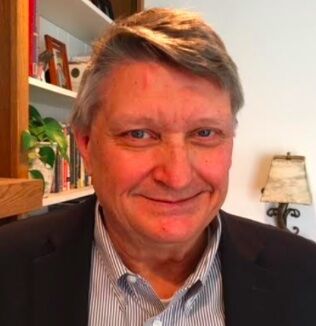
Jena Griswold’s record: corruption, incompetence | Dick Wadhams
Dick Wadhams
dick-wadhams@coloradopolitics.com
Updated 2 days ago
There is no statewide elected official going back decades who is as breathtakingly corrupt and incompetent as Secretary of State Jena Griswold, who is now running for attorney general of all things. And compliant ruling Democrats know it. Their silence...

Kiros exudes why Colorado’s political times are a-changin’ at annual Denver Dems gala | Miller Hudson
Miller Hudson
miller-hudson@coloradopolitics.com
Updated 2 days ago
Among Colorado’s few remaining bipartisan rituals are county and state party dinners. I was particularly intrigued by last week’s Denver Democratic Party’s 2026 Annual Gala, a “New Deal for a New Era.” Their glossy program featured an artist’s Technicolor rendering...

Taxpayers donate to tax increase campaign | Jon Caldara
Jon Caldara
jon-caldara@coloradopolitics.com
Updated 3 days ago
Give the man his due. President Donald Trump has undeniable talents. Colorado politicians are learning. Chief among The Don’s skills is taking the self-serving, ethically dubious behavior of previous politicians and putting it on steroids. Or, to borrow from the...
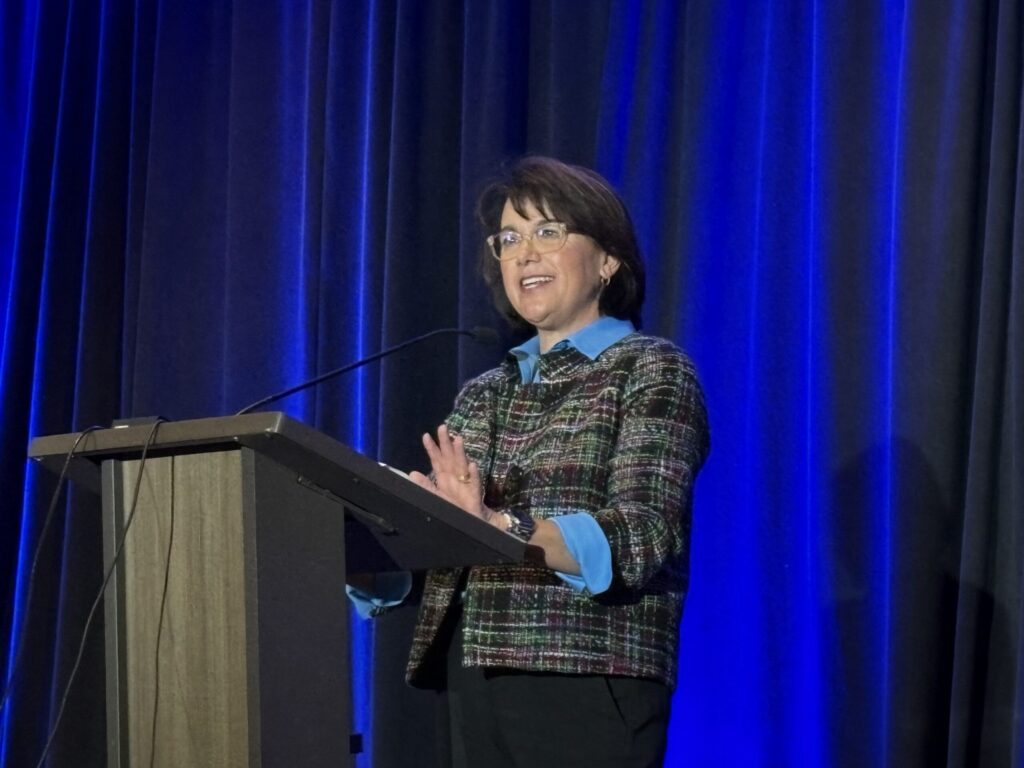
Democratic candidate in Colorado’s 4th CD urges long-term water planning
Marianne Goodland
marianne.goodland@coloradopolitics.com
Updated 1 day ago
The Democrat hoping to become the next representative of Colorado’s 4th Congressional District on Thursday made her case on the final day of Colorado Water Congress in Steamboat Springs. Eileen Laubacher, who spent 34 years in the U.S. Navy and...

Proposal to cap Colorado income tax rate qualifies for November ballot
Thelma Grimes
thelma.grimes@coloradopolitics.com
Updated 16 hours ago
Election officials on Thursday confirmed that the proposal to cap the state’s income tax at the current rate submitted signatures and voters will consequently decide its fate this November. The fight over tax rates is part of the tug and...
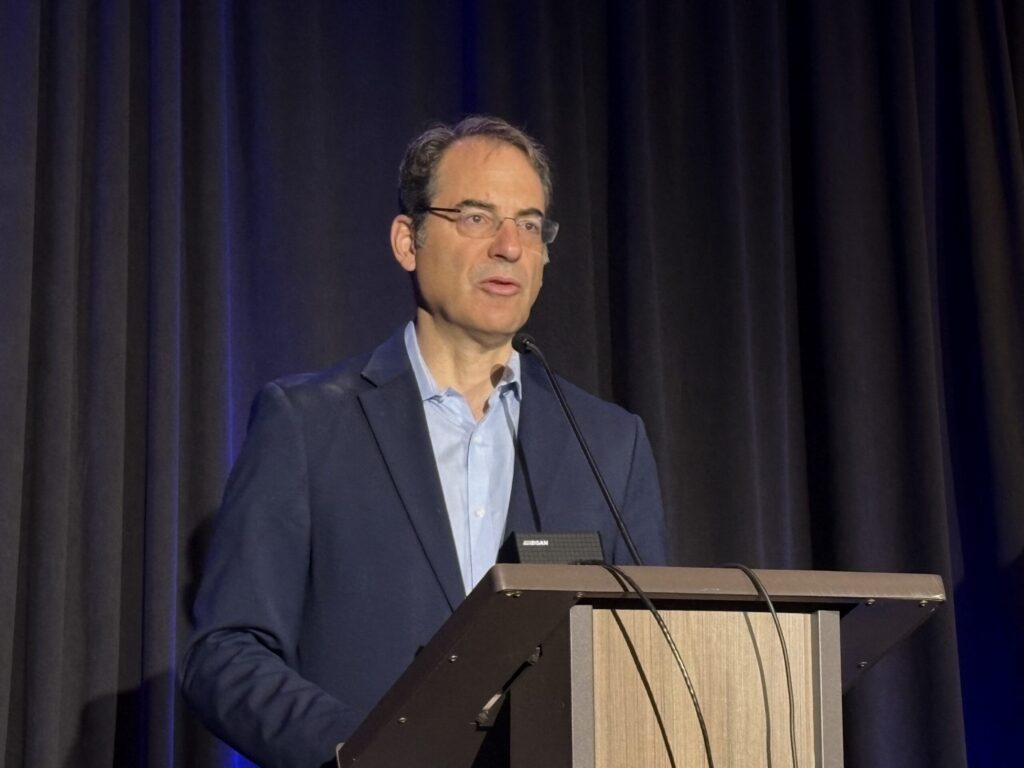
Democratic gubernatorial candidate Phil Weiser promises to appoint rural outreach director, water adviser
Marianne Goodland
marianne.goodland@coloradopolitics.com
Updated 3 days ago
Democratic gubernatorial candidate and current Attorney General Phil Weiser told the Colorado Water Congress Thursday he intends to appoint a rural outreach director and a water policy adviser should he win the election in November. Weiser’s speech at the Steamboat...
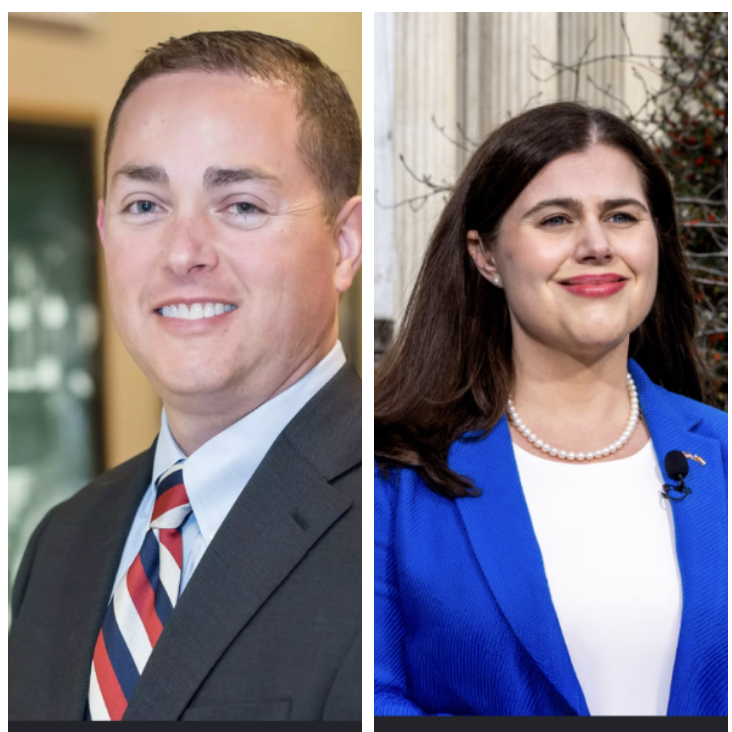
Attorney general candidates present priorities at Colorado Water Congress
Marianne Goodland
marianne.goodland@coloradopolitics.com
Updated 2 days ago
The two major-party candidates for attorney general — Republican Michael Allen, the district attorney for Teller and El Paso counties, and Democratic Secretary of State Jena Griswold — on Thursday outlined their priorities at the Colorado Water Congress. Griswold attended...
State money diversion scheme the unsurprising downfall of ERBOCES scam | Paula Noonan
Paula Noonan
paula-noonan@coloradopolitics.com
Updated 4 days ago
Falcon School District 49, aka El Paso County School District 49, has finally cut bait, thrown the fishing pole into the lake and sunk the canoe. The longtime enabler of the Education Reenvisioned BOCES’ (ERBOCES) schemes to fund private Christian...
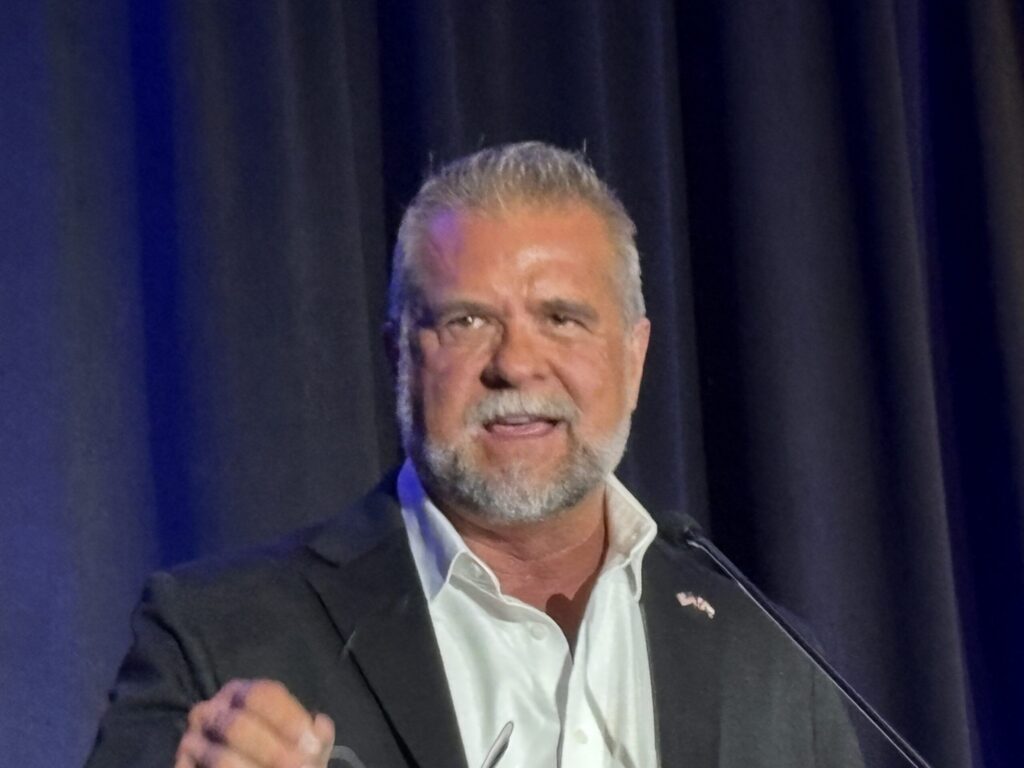
GOP gubernatorial candidate Victor Marx pushes aggressive water-storage expansion at Colorado Water Congress
Marianne Goodland
marianne.goodland@coloradopolitics.com
Updated 4 days ago
Victor Marx, the Republican nominee for governor, took the spotlight Wednesday during the opening day of the Colorado Water Congress, laying out how he says the state should approach its water future. Marx told the standing-room-only audience in Steamboat Springs...

U.S. Rep. Lauren Boebert stresses storage, forest health and Upper Basin rights at Colorado Water Congress
Marianne Goodland
marianne.goodland@coloradopolitics.com
Updated 3 days ago
Republican U.S. Rep. Lauren Boebert used her brief Wednesday appearance at Colorado Water Congress to tout her record on delivering water projects for the state and her district. Boebert, who is running for her second term representing the 4th Congressional...
PREV
PREVIOUS

Taxpayers donate to tax increase campaign | Jon Caldara
Give the man his due. President Donald Trump has undeniable talents. Colorado politicians are learning. Chief among The Don’s skills is taking the self-serving, ethically dubious behavior of previous politicians and putting it on steroids. Or, to borrow from the only documentary that tells the whole truth about anything, “This Is Spinal Tap,” Trump turns […]

Kiros exudes why Colorado's political times are a-changin' at annual Denver Dems gala | Miller Hudson
Among Colorado’s few remaining bipartisan rituals are county and state party dinners. I was particularly intrigued by last week’s Denver Democratic Party’s 2026 Annual Gala, a “New Deal for a New Era.” Their glossy program featured an artist’s Technicolor rendering of Denver’s Red Rocks amphitheater. My always more far astute spouse suggested our world-renowned concert […]