

Controversial two-bag furbearer limit heads to CPW meeting under legal threat

Next week’s Colorado Parks and Wildlife Commission meeting in La Junta is likely to open under the cloud of threatened legal action.
Safari Club International and the Sportsmen’s Alliance Foundation warned the commission this month that its July vote imposing a two-bag limit on furbearers may have violated Colorado’s Administrative Procedures Act.
In a letter to commissioners, the groups said the public received no notice that such a low limit would be considered and that neither the two-bag proposal nor the study that allegedly justified it appeared on the July agenda.
They argued that the state Supreme Court has made clear that agencies must comply with notice-and-comment requirements before adopting binding rules, and that the commission’s vote is therefore invalid.
The groups also said the public was allowed to comment only on higher limits — four, eight or 15 — and that Commissioner Rebecca Niemiec introduced her two-bag proposal only after the comment period had closed.
Her motion did not include reopening public comment. The letter criticized Niemiec for relying on “her own social and moral judgments” and asked the commission to postpone implementation and reconsider the vote with proper notice.
No such notice appears on the Sept. 2 and Sept. 3 agenda, though commissioners plan an executive session with attorneys to discuss the letter.
The two-bag limit is scheduled to take effect Sept. 1.
The dispute stems from the commission’s July 16 vote, which narrowly approved the lower limit on mink, pine marten, badger, red fox, gray fox, swift fox, Western spotted skunk, striped skunk, beaver, muskrat, long-tailed weasel, short-tailed weasel, bobcat, opossum, ring-tailed cat, raccoon and coyote.
Staff had initially recommended a 15-bag limit last March, but commissioners asked for a smaller number. For the July meetings, staff returned with species-specific limits of four or eight, while noting that current harvest estimates were conservative, sustainable and consistent with scientific literature.
CPW also explained that population abundance estimates for small species are rarely generated because they are costly, quickly outdated and of limited utility.
Animals assigned an eight-bag limit included badger, bobcat, beaver, coyote, muskrat, striped skunk, Western spotted skunk, raccoon and red fox. Mink, opossum, pine marten, ring‑tailed cat, gray fox, swift fox, long-tailed weasel and short-tailed weasel were placed under a four-bag limit.
More than four hours into the July 16 discussion, Niemiec, a new commissioner who has not yet been confirmed by the Senate, introduced a non-peer-reviewed study she wrote and published the day before the meeting.
The survey of 534 paid online participants indicated support for a limit of zero to two animals. Niemiec had not shared the study with CPW staff beforehand.
She told commissioners the lower limit would “make people feel better” about hunting.
Niemiec is an assistant professor at Colorado State University and co-director of the Center for Human-Carnivore Coexistence and Animal-Human Policy Center.
She was nominated by Gov. Jared Polis in June and previously supported Proposition 127, the failed 2024 ballot measure to ban trophy hunting and trapping of mountain lions, bobcats and lynx.
That fight, along with Polis’ appointments and recent legislative actions, helped drive Proposition 302, the measure to add hunting and fishing protections to the state constitution. It qualified for the November ballot last week.
The commission’s two-day meeting begins at 8 a.m. on Wednesday, Sept. 2, in the Rizzuto Banquet Room at Otero College’s student center in La Junta.


Counties warn CPW that new comment limits sideline local governments
Marianne Goodland
marianne.goodland@coloradopolitics.com
Updated 1 hour ago
The September meeting of the Colorado Parks and Wildlife Commission will feature newly revised public‑comment rules — changes introduced by chair Jay Tutchton of Bent County, who announced them without first discussing the revisions publicly with the rest of the...

Golden to pay $155,000 to fired city manager
Matt Kyle
matt.kyle@denvergazette.com
Updated 35 minutes ago
The Golden City Council on Tuesday approved a roughly $155,000 severance payout to former city manager Scott Vargo, who was fired earlier this month following a “racist incident” at a city fire station. The payout is part of a separation...

USPS ballot rule faces lawsuit from Colorado, other states
Thelma Grimes
thelma.grimes@coloradopolitics.com
Updated 4 hours ago
Colorado, along with 25 other states, filed a lawsuit against the U.S. Postal Service to challenge a new rule that seeks to restrict the mailing of ballots to American citizens in an eligible voters list. Colorado relies heavily on the...

This is how much Colorado will receive from massive Meta child safety settlement
Thelma Grimes
thelma.grimes@coloradopolitics.com
Updated 45 minutes ago
As part of a sweeping multistate agreement, Meta Platforms, Inc. — the parent company of Facebook and Instagram — has agreed to pay more than $17 billion and adopt extensive child-safety changes to its operations. Colorado Attorney General Phil Weiser...

Douglas County Schools puts $54M mill levy override on November ballot
Nicholas Fogleman
nicholas.fogleman@denvergazette.com
Updated 46 minutes ago
The Douglas County School District board unanimously approved a resolution Tuesday to place a $54 million mill levy override on the November ballot, sending the funding request to voters after months of discussion about the district’s financial challenges. The proposed...
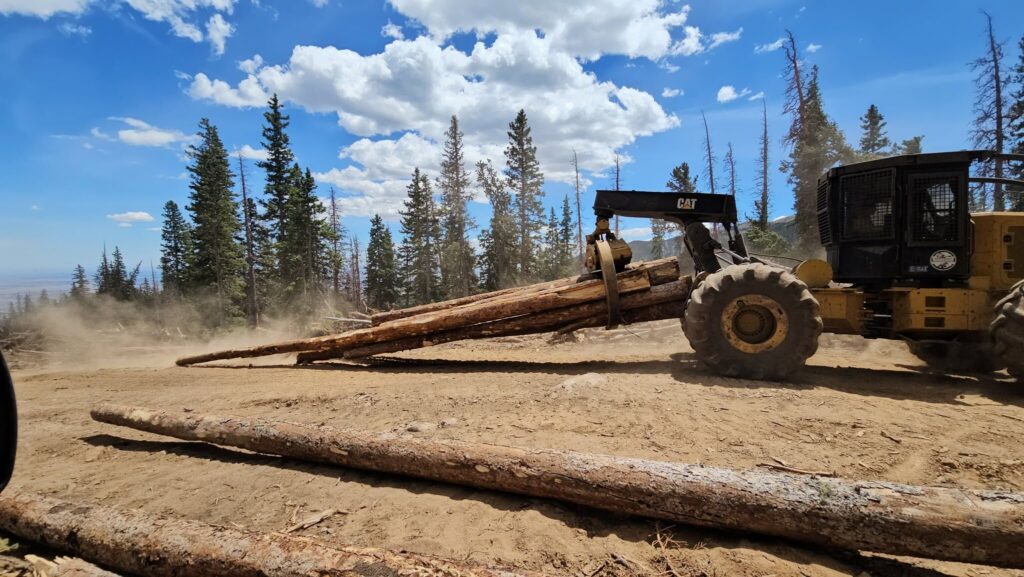
Drones rejoin Aspen Acres fire response amid stable containment entering 9th week
Cleo Westin
cleo-westin@coloradopolitics.com
Updated 2 hours ago
Unmanned aircraft systems have begun roaming areas of rough terrain where the 77% contained Aspen Acres fire continues to burn to aid firefighters, incident command announced on Monday and Tuesday. Wyoming Type 3 Incident Management Team 7 requested their help...
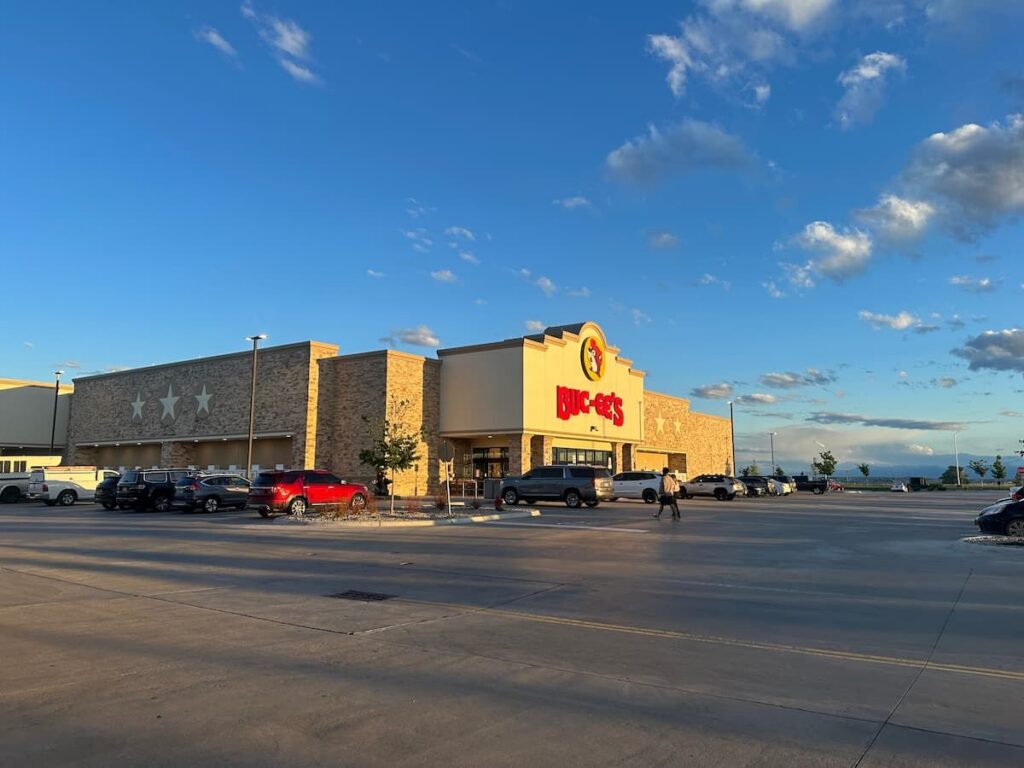
Buc-ee’s and El Paso County: What to know ahead of the public hearing
Savannah Eller
savannah-eller@coloradopolitics.com
Updated 2 hours ago
Controversial plans for the second Colorado location of the Texas travel chain Buc-ee’s are making their debut in El Paso County’s public hearing process. Interest in the project has been high from the start, defining over a year of local...

Aurora councilmembers apologize after passing police, firefighter raises on anniversary of McClain killing
Kyla Pearce
kyla.pearce@gazette.com
Updated 2 hours ago
Several Aurora City Councilmembers apologized to the public at the end of Monday night’s meeting after approving pay raises for police and firefighters on the anniversary of Elijah McClain’s death. McClain, 23, was killed in 2019 while walking home from...
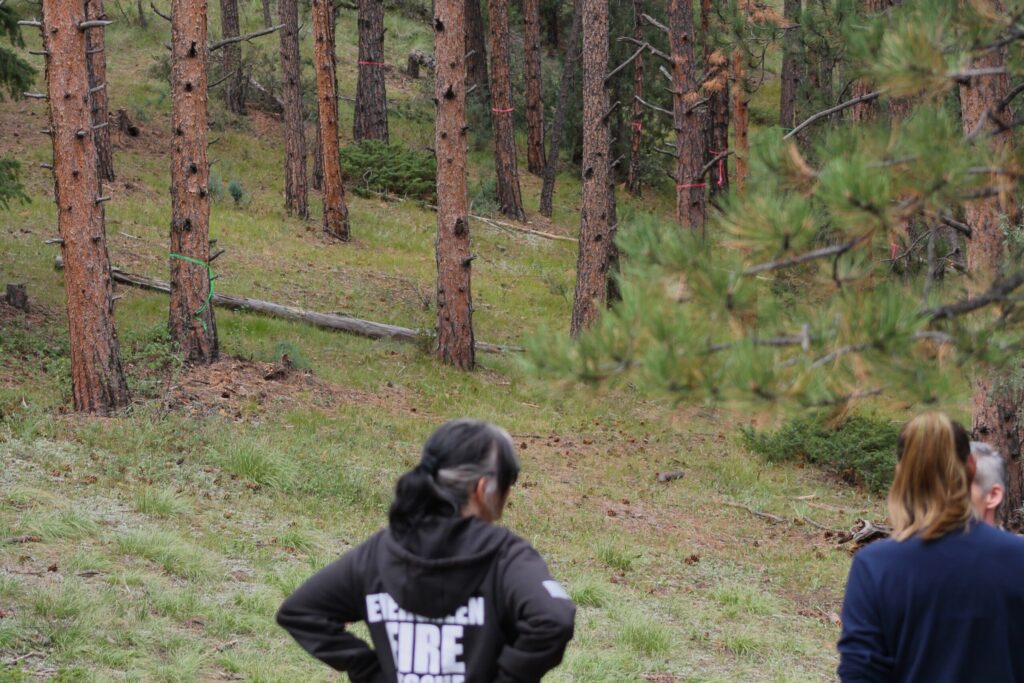
Clear Creek, Jefferson County officials give inside look on wildfire preparations
Matt Kyle
matt.kyle@denvergazette.com
Updated 2 hours ago
When it comes to fighting wildfires, the best methods are proactive, not reactive. For officials in Clear Creek and Jefferson counties, it’s not a matter of if a wildfire happens, but when. With a large number of wildfires devastating parts...
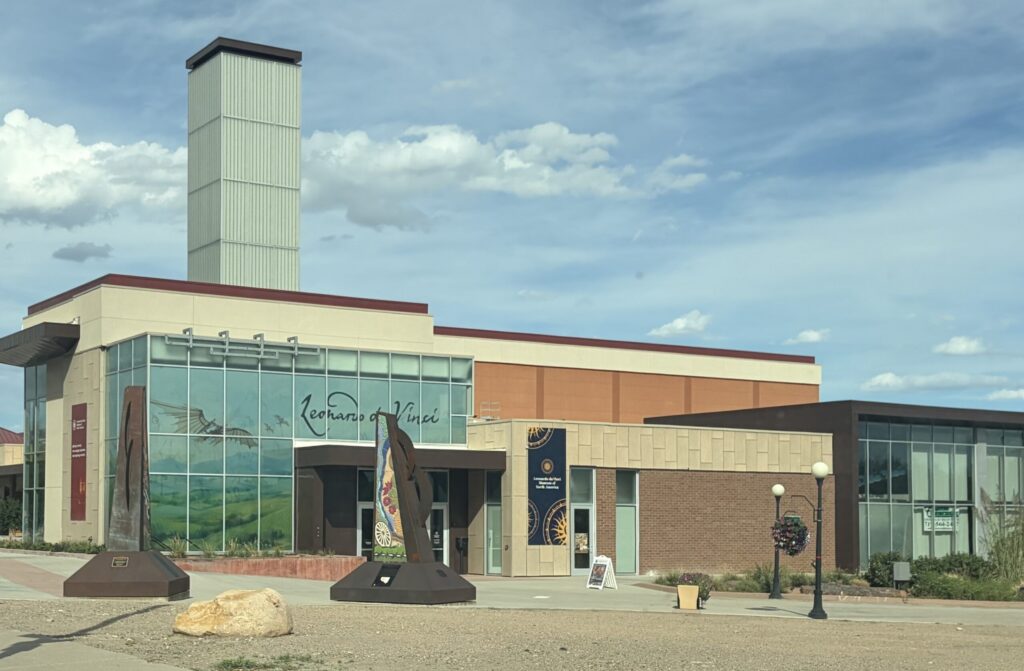
Pueblo City Council postpones vote on $885,000 funding for Leonardo da Vinci Museum
O'Dell Isaac
odell.isaac@gazette.com
Updated 2 hours ago
In a highly contentious meeting that included outbursts, raised voices and several calls for decorum, the Pueblo City Council on Monday postponed its vote on the Leonardo da Vinci Museum’s request for $885,000 in funding from the city’s $60 million...
PREV
PREVIOUS

Dan Haley on the role of oil and gas in Colorado's energy future | The OpEdge Podcast
Dan Haley, executive director of Coloradans for Responsible Energy Development, joins The OpEdge to discuss the role of oil and natural gas in Colorado’s energy future amid the state’s aggressive push toward “net zero.” Haley tells host and investigative columnist Jimmy Sengenberger how Colorado can produce energy cleaner and safer while supporting grid reliability and […]
Counties warn CPW that new comment limits sideline local governments
The September meeting of the Colorado Parks and Wildlife Commission will feature newly revised public‑comment rules — changes introduced by chair Jay Tutchton of Bent County, who announced them without first discussing the revisions publicly with the rest of the commission. Tutchton set forth the new rules as follows: It’s the last one, on public […]