

Newest Front Range Passenger Rail plan includes second Colorado Springs station

The latest plan for a passenger train connecting the Colorado Front Range will have two stops in Colorado Springs, not just one.
According to Front Range Passenger Rail District General Manager Sal Pace, expanding passenger train service – dubbed the Colorado Connector or “CoCo” – will include both reviving the downtown station and adding a stop in the northern part of the city. He said the district was having “conversations” with the Air Force Academy, but the second location was still up in the air.
“There’s a substantial number of potential riders on the north end of Colorado Springs,” he said.
Colorado Springs Mayor Yemi Mobolade said in a statement Monday that the city has “worked closely” with the district to achieve its priorities. A second station, he wrote, was among them.
“That is a significant improvement because it better reflects where residents live and how they travel, while strengthening access to the entire system,” the statement read.
In the latest draft plan, passenger service in Colorado Springs could launch as early as 2032. The district says it will debut its starter line between Denver and Fort Collins by 2029.
The starter service is partly funded by the Denver Regional Transportation District, which has already set aside $156 million in tax funding for the $332 million project. A phase 2 expansion to the south will require voters along the planned line to approve a separate tax increase.
If district board members refer a ballot measure based on the new plan in August, Pace said a 0.333% sales tax could be going to voters this fall. Building CoCo to full service, from Pueblo to Fort Collins, is estimated to cost $1.7 billion.
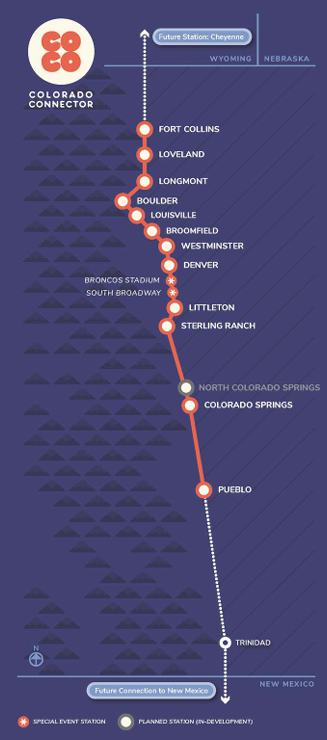
In addition to a second station, the latest service plan has some smaller modifications for Colorado Springs. The downtown platform has moved to the east side of the tracks, adjacent to the U.S. Olympic & Paralympic Museum.
Local return funding for Colorado Springs to expand its public transit connections and infrastructure around the station has also increased. According to Mobolade’s statement, planned funding for Colorado Springs initially started at $3.5 million per year. The newest plan has the city receiving $6.6 million annually over 25 years.
“That better reflects Colorado Springs’ population, our regional significance, and helps ensure local dollars can support station access and other transportation improvements here in our community,” the statement read.
While the passenger rail program will require stations and upgrades, the trains will run on existing track currently used for commercial freight. According to district documents, a Colorado Connector trip from downtown Colorado Springs to Denver will take about an hour and 30 minutes to an hour and 50 minutes.
The district is currently taking public comment on the plan on its website.
Mobolade wrote that recent changes meant project managers were listening to Colorado Springs.
“There is still work ahead, and ultimately, the funding decision belongs to the voters. I will work to ensure Colorado Springs’ interests are represented throughout this process,” the statement read.


Parenting from prison: Inmates hope to be present in their children’s lives, while physically absent
Marianne Goodland
marianne.goodland@coloradopolitics.com
Updated 4 hours ago
The room was decorated with balloons, the tables sparking bright with colors as the smell of pizza and cake wafted through the air. As did music. This was, after all, a father-daughter dance. Except this was not a typical father-daughter...
Colorado House ethics committee issues ‘stern letter’ to Democrat over caucus funds mismanagement
Marianne Goodland
marianne.goodland@coloradopolitics.com
Updated 1 day ago
The Colorado House ethics committee on Friday voted unanimously to issue a “stern letter” to Rep. Mandy Lindsay, D-Aurora, regarding her mismanagement of House Democratic caucus funds. The committee further voted to request that Lindsay resign as Democratic Caucus co-chair...
State seeks $50K penalty against GOP candidate Victor Marx over alleged campaign finance violations
Deborah Grigsby
deborah.smith@denvergazette.com
Updated 3 days ago
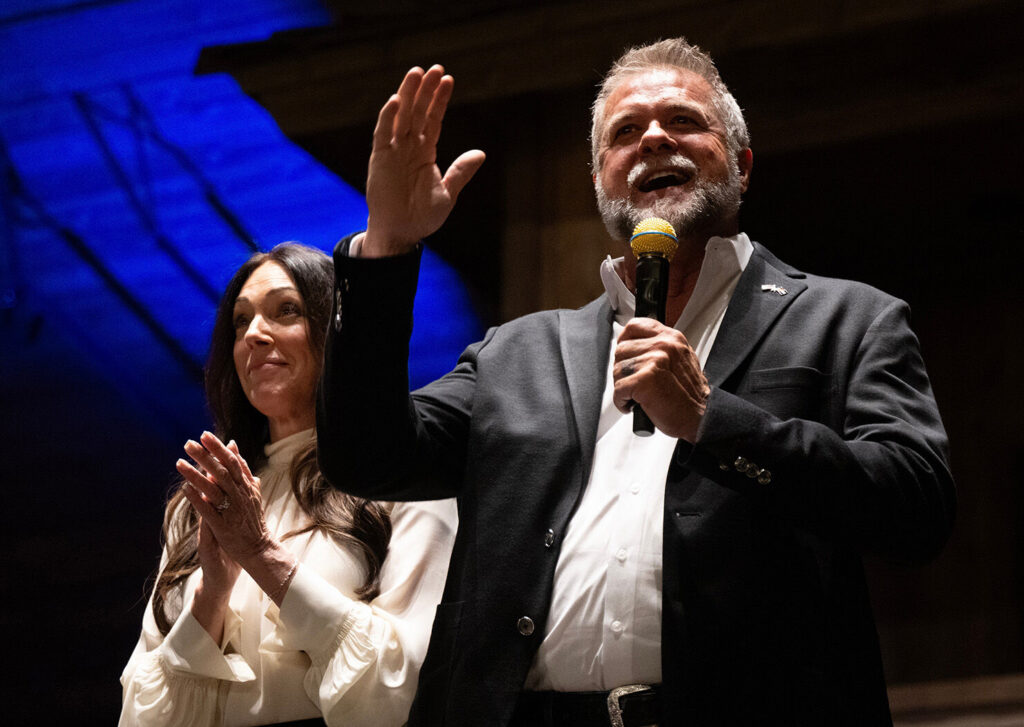
Republican gubernatorial candidate Victor Marx is looking at more than $50,000 in fines in what the Elections Division of the Office of the Secretary of State calls “unprecedented” campaign finance violations. The state has not imposed that fine yet, and...

Judge puts Colorado Libertarians’ secretary of state candidate on ballot after party’s 1st nominee drops out
Ernest Luning
ernest.luning@coloradopolitics.com
Updated 3 days ago
A Denver judge ruled Friday that the Colorado Libertarian Party’s pick for secretary of state will appear on the November ballot after the party’s original nominee withdrew one day after the deadline to replace minor party candidates. Following a hearing...

Regulators knew this marijuana product was harming people. It stayed on shelves for more than a year
Christopher Osher
chris.osher@gazette.com
Updated 12 hours ago
Colorado’s Marijuana Enforcement Division can take months or even years to issue formal safety warnings about marijuana products even when it receives reports that the products are harming people’s health, The Denver Gazette and ProPublica found. This article was produced...
Douglas County commissioners reject challenge to ballot language for 3 to 5 petition
Nicholas Fogleman
nicholas.fogleman@denvergazette.com
Updated 3 days ago
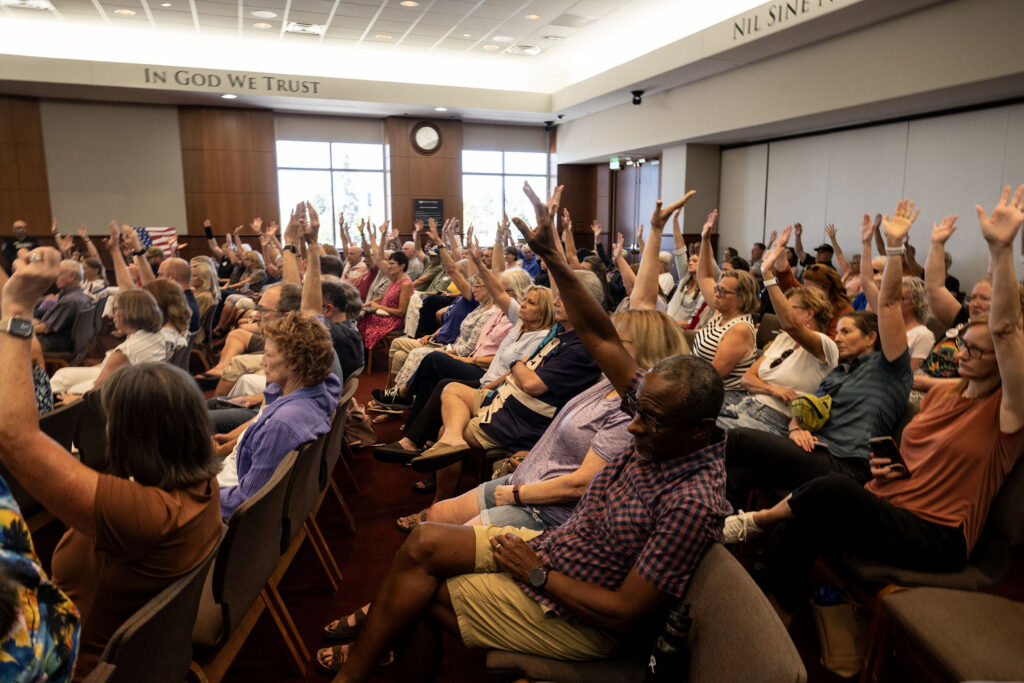
Douglas County commissioners denied a challenge Thursday to the language of a ballot initiative that would expand the board from three to five members. Following a contentious hearing that saw multiple audience members escorted out by police for disruptions, commissioners...
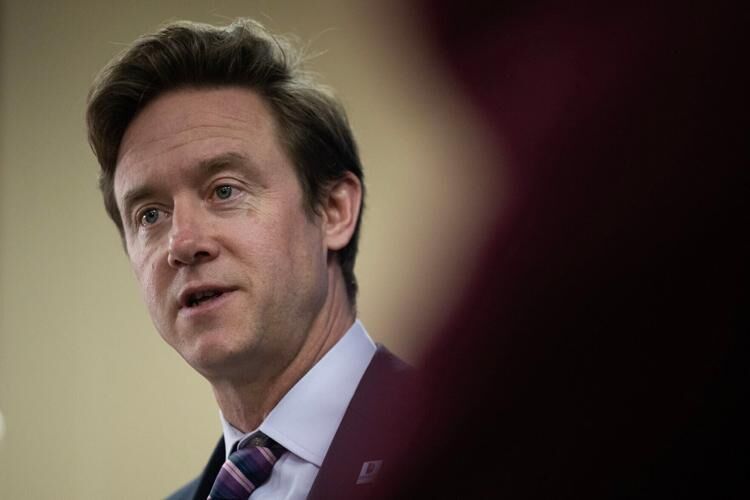
Favorability rating of Mayor Mike Johnston, Denver City Council slides
Nico Brambila
nico.brambila@denvergazette.com
Updated 3 days ago
Denver Mayor Mike Johnston’s favorability rating fell 7 percentage points over the past year, while the City Council’s favorability rating dropped 3 percentage points, a new poll has found. A little more than a year after taking office, Johnston had...
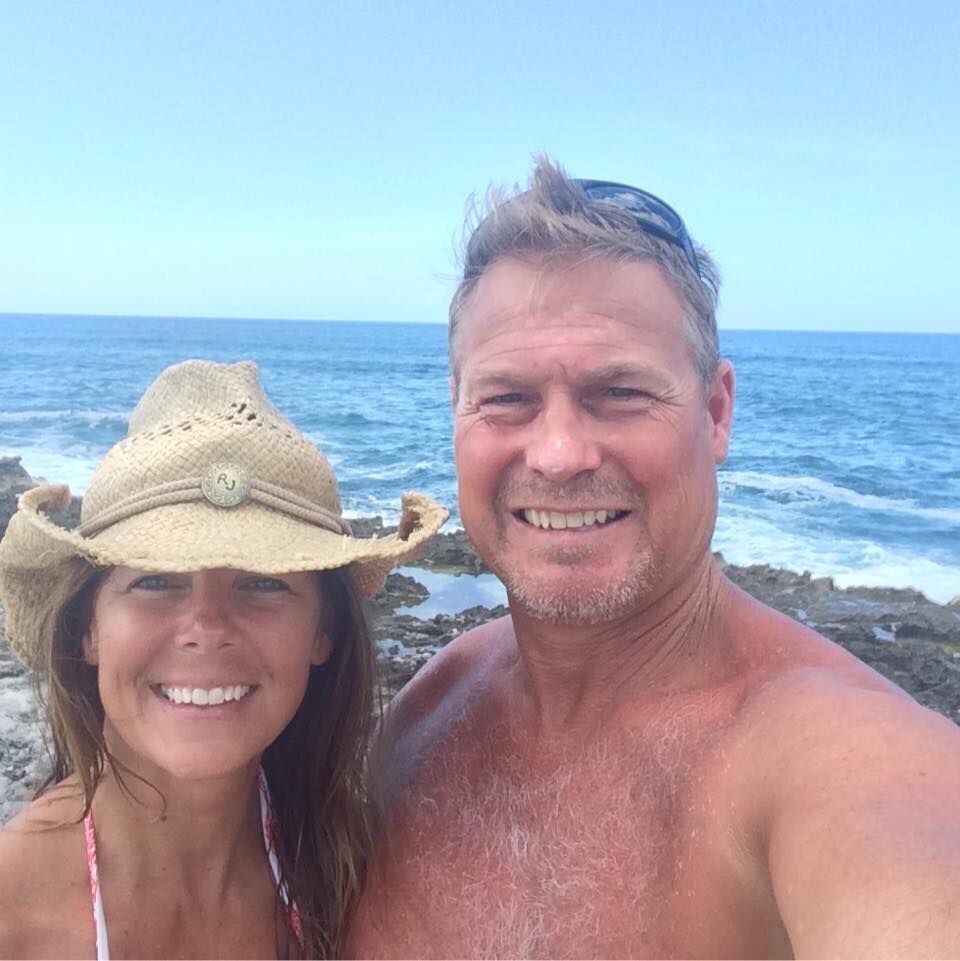
Judge orders home confinement for Barry Morphew
Dennis Huspeni
dennis.huspeni@gazette.com
Updated 4 days ago
An Alamosa County district judge has ordered home confinement for Barry Morphew, who is accused of murdering his wife. Barry Morphew, 59, faces a first-degree murder charge in the death of his wife, Suzanne Morphew, who disappeared Mother’s Day weekend...

Ikon Pass company Alterra to move into former Denver Post building, create downtown ‘outdoor hub’
Bernadette Berdychowski
bernadette.berdychowski@denvergazette.com
Updated 4 days ago
What was once the home of two of Colorado’s longest-running daily newspapers could soon become a central location for the state’s ski resort and outdoor companies, city and state leaders said Thursday. Alterra Mountain Co. is moving its headquarters to...
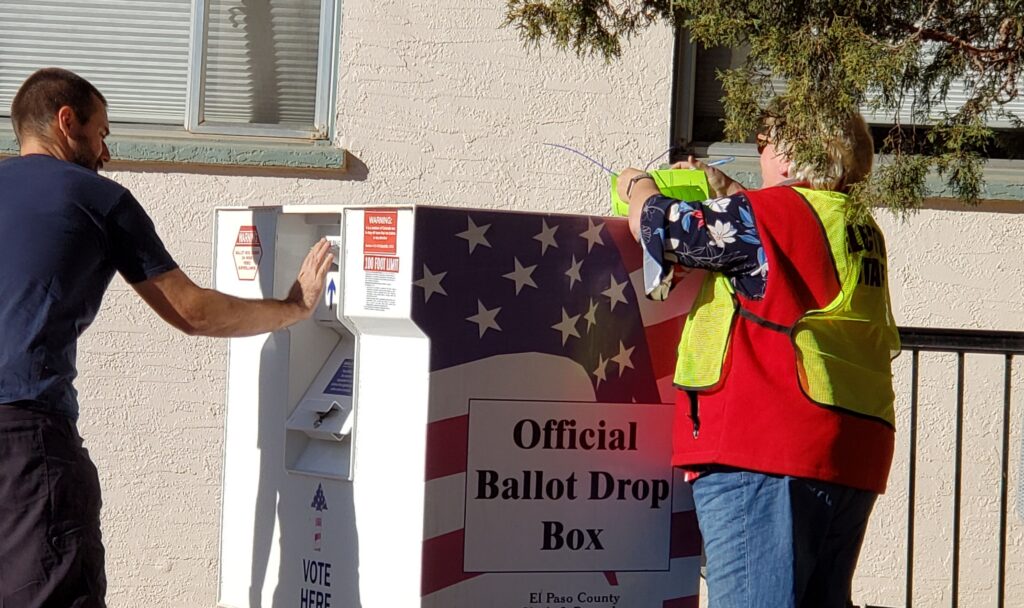
Fentanyl sentencing, tax overhauls, transgender issues anchor Colorado’s 14 ballot measures
Marissa Ventrelli
marissa.ventrelli@coloradopolitics.com
Updated 12 hours ago
Fourteen statewide ballot measures await Colorado voters this November, offering a mix of criminal justice matters, tax overhauls and constitutional tweaks. Colorado’s 14 statewide ballot measures match the 2024 election for the most number in recent state history. The all-time...
PREV
PREVIOUS

Air Force Academy cadets will need to learn to think for themselves before mastering AI, says new dean
Air Force Academy cadets will be expected to master artificial intelligence but not before they learn to think for themselves. The academy’s new dean, Brig. Gen. James Valpiani, outlined his vision for incorporating AI into the classroom as it becomes a war-fighting tool for the Air Force Academy Board of Visitors during a meeting Monday. […]

Denver council delays vote to extend nightlife to 4 a.m.
The Denver City Council voted Monday unanimously to delay for two weeks a decision on an ordinance that would allow some entertainment establishments to operate until 4 a.m. Alcohol sales and consumption would still end at 2 a.m. under state law, but establishments could keep music, dancing and other entertainment going for two additional hours. […]